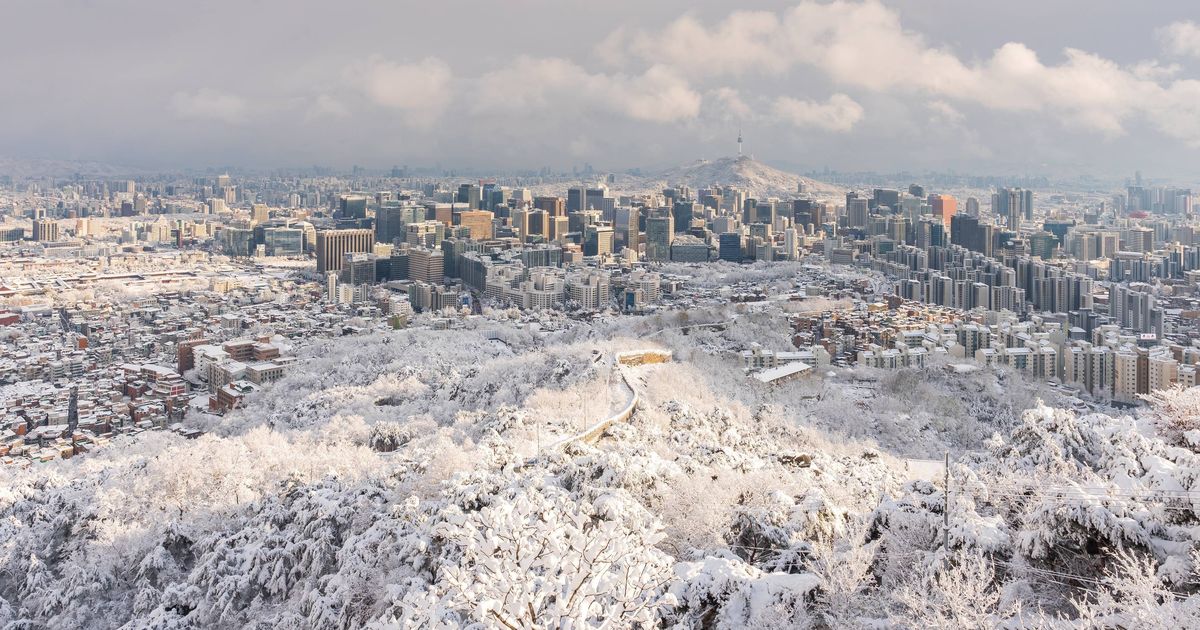
When your phone in Korea suddenly blares at full volume and shows a block of Korean text, it’s a government emergency alert. Korea sends them at three levels, and since February 2026 anything that needs people to evacuate has to go out at one of the two loud ones. So don’t swipe a loud alert away: read the place name and look for 대피 (evacuate). The quiet ones, with your normal text tone, are mostly snow, fog or wildfire-prevention notices you can skip if they’re not about your area. The loud alerts carry an English label for seven disaster types; the full text in English is on a government website and in a free app. This page calls the three levels by the Korean names you’ll see in the alert: 위급, 긴급 and 안전안내.
- Loud alarm: 위급 or 긴급. Check the place name and 대피 (evacuate); if it’s your area, follow it.
- Normal text tone: 안전안내, mostly advice. Skip it if it’s not your area.
- English: a label in the loud alerts for seven disaster types; full English on SAFE KOREA’s English site and in the Emergency Ready App. 안전안내 is Korean only.
- Turning them off: 위급 can’t be refused; silence 안전안내 with silent mode and leave the rest on.
- Foreign SIM or eSIM: no official answer on whether it receives them; install the app if you don’t want to gamble.
- Night: 21:00–06:00, cold wave, wind and dust alerts aren’t sent; snow, typhoon and heavy rain warnings and earthquakes are.
- August drill: a nationwide air raid siren at 14:00 once a year; 2027 date not announced.
Contents
- Who this is for
- Key facts
- What just happened?
- The three levels
- Do I need to do anything?
- Is any of it in English?
- Will a foreign phone get them?
- Can I turn them off?
- Will they wake me at night?
- Common messages
- Earthquake alerts
- The August 2 p.m. air raid siren
- Emergency numbers
- Your situation
- What to set up before you go
- Common mistakes
- FAQ
- If it were me
- Official sources
Who this is for
Travelers in Korea who just got an alert they can’t read, or who want their phone set up before they go.
- Your phone just blared and showed Korean text, and you want to know whether to act.
- You’re going in winter and wonder whether snow or cold wave alerts will wake you.
- You’re driving, hiking or staying by the sea and want to know which alerts matter.
You can skip it if:
- You only want to know whether it will snow. That’s in when it snows in Seoul and does it snow in Busan.
- You want to know whether fine dust is bad enough to change plans: see fine dust and yellow dust in Korea.
- Your flight is already cancelled: see Jeju flight cancellations.
Korean emergency alerts at a glance
| Korean name | 재난문자 (disaster text), at three levels: 위급, 긴급, 안전안내 |
|---|---|
| How they reach you | Cell broadcast from Korean carriers’ cell towers to phones in the area, not ordinary texts |
| Sound | 위급, 긴급: the phone’s maximum volume (at least 40 dB). 안전안내: your normal text tone |
| Can you opt out? | 위급: no. 긴급, 안전안내: yes |
| Who sent it | The agency in square brackets at the end, e.g. [행정안전부] (Ministry of the Interior and Safety) or [진주시] (a city) |
| English | 위급, 긴급: English label for seven disaster types. 안전안내: Korean only |
| Full English | SAFE KOREA English site (eng.safekorea.go.kr) and the Emergency Ready App, both free |
| Night (21:00–06:00) | Cold wave, strong wind, dry weather, heat wave, yellow dust, fine dust and offshore high-seas alerts not sent |
| Emergency numbers | 112 police; 119 fire and ambulance; 1330 Korea Travel Helpline |
My phone just blared and showed Korean text. What is it?
A Korean government emergency alert, and you’re probably inside the area it was sent to. Alerts go out by cell broadcast to phones in a given area, so what you receive usually concerns where you are right now.
Do two things. First, listen: a piercing alarm at full volume is 위급 or 긴급; your normal text tone is 안전안내. Second, look at the square brackets at the end: [행정안전부] is the central government (Ministry of the Interior and Safety); a city or county name such as [진주시] is the local government.
Your phone may show an English heading on top, such as Emergency Alert or Public Safety Alert. There’s no official mapping from those headings to the Korean levels, so go by the sound, not the heading.
What are 위급, 긴급 and 안전안내?
They differ in how serious the event is, how loud the alert is, and whether you can refuse it. 위급 and 긴급 both sound at maximum volume; only 위급 can’t be refused.
| Level (Korean) | Sent for | Sound | Opt out? |
|---|---|---|---|
| 위급재난문자 | Large-scale disaster, likely casualties; earthquakes of magnitude 6.0+ | Maximum volume | No |
| 긴급재난문자 | Terror, expected radiation leak, evacuation orders, the weather agency’s direct heavy-rain alerts, severe flood, landslide warning; earthquakes of 5.0–5.9 | Maximum volume | Yes |
| 안전안내문자 | Advice before an evacuation, evacuation lifted, other weather warnings and advisories | Your normal text tone | Yes |
Do I need to do anything?
Act on the loud ones; glance at the place name on the quiet ones. Since February 2026, an alert telling people to evacuate always comes as 위급 or 긴급, so it always comes with the alarm.
| 위급, 긴급 | Read it. If it names your area and says 대피 (evacuate), follow it |
|---|---|
| 안전안내 | Mostly weather, road closures and campaigns; skip it if it’s not your area |
| Several in a row | The latest is the current status; earlier ones may have been corrected |
Whether to change your plans depends on what it says, not on getting an alert. A snow, cold or fog 안전안내 asks you to limit time outdoors and drive carefully; attractions, ferries and flights announce their own closures.
Are Korean emergency alerts in English?
Partly. The loud alerts carry an English label for seven disaster types; for the full text in English, use the SAFE KOREA English site or the Emergency Ready App.
English inside the alert
Since February 28, 2024, 위급 and 긴급 alerts add an English disaster-type label for seven types: Air raid warning, Evacuation, radiological, terror, Heavy rain, Earthquake (with the magnitude as M○.○) and Tsunami. The rest of the message is Korean. 안전안내 isn’t covered, so snow, cold wave and wildfire notices come in Korean only.
SAFE KOREA English site
The government’s safety portal, SAFE KOREA (국민안전24), has an English “EMERGENCY ALERTS” page. Filter by region (Seoul, Busan, Jeju-do and so on), and each alert appears in English next to the Korean original, with the time.
The English is a translation and can be wrong. On November 13, 2026, a Bonghwa-gun notice that a forest fire’s main blaze was out and crews were clearing the remaining embers (잔불 정리) appeared in English as “Mooring is currently underway.” When it matters, check the place name and look for 대피 in the Korean.
Emergency Ready App
The Ministry of the Interior and Safety’s free app for foreign visitors, in English. The stores list two apps by the ministry: “Emergency Ready App,” released in February 2026, and “(Old)Emergency Ready App.” Install the one without “(Old).” After installing, turn on alert push in the app and choose a region, or it stays a reference app that won’t notify you. The (Old) app’s store listing names English, Japanese, Chinese, Thai and Vietnamese, if you’d rather read in one of those.
| Name | Emergency Ready App (not “(Old)Emergency Ready App”) |
|---|---|
| Seller | Ministry of the Interior and Safety |
| Cost | Free |
| After installing | Turn on alert push and pick a region |
Will my roaming SIM or travel eSIM get Korean alerts?
There’s no official statement either way. Alerts are broadcast from Korean carriers’ cell towers to the phones in the area, so it depends on your phone and the network it’s connected to. Apple says: “Government Alerts are supported when using a SIM card or eSIM from a supported carrier.” On an iPhone they’re on by default.
Some phones can’t receive them at all. Korea’s weather agency lists 3G phones, LTE phones released before 2013, and phones with alerts switched off. If you don’t want to gamble, install the Emergency Ready App and turn on its push; keeping both costs nothing.
Can I turn them off?
Under Korean rules, 위급 can’t be refused and 긴급 and 안전안내 can. I’d silence only 안전안내 and leave 긴급 and above on. Evacuation orders come as 위급 or 긴급; turning off 긴급 turns off the alert that tells you to leave.
안전안내 already uses your normal text tone, so silent mode or a Focus mode quiets it with your other messages, without touching the government alert switches. Which switch on your phone matches which Korean level has no official mapping, so switching things off can catch the wrong level.
| iPhone | Settings → Notifications → scroll to the bottom → Government Alerts. Apple notes some government alerts can’t be turned off |
|---|---|
| Android (Google) | Settings → Notifications → Wireless emergency alerts |
| Other Android brands | The menu differs; use the search in Settings |
Will alerts wake me at night?
Some will. Korea’s sending rules treat 21:00 to 06:00 as night and hold back several alert types.
| 21:00–06:00 | Alert types |
|---|---|
| Not sent | Cold wave, strong wind, dry weather, heat wave, yellow dust, fine dust, offshore high seas |
| Still sent | Heavy snow, typhoon, heavy rain and storm surge warnings; earthquakes |
| Not sent (advisories) | Heavy snow, typhoon and heavy rain advisories |
In winter the common cold wave alert only comes in the daytime; what might wake you is a heavy snow warning. A snow 안전안내 uses your normal text tone, so a Focus mode at night keeps it quiet. Only 위급 and 긴급 sound at full volume in the middle of the night.
What do the common messages mean?
Most are 안전안내, and a few Korean words tell you whether to care.
| Word in the alert | Means | What to do |
|---|---|---|
| 대설 주의보 / 경보 | Heavy snow advisory or warning; the warning asks you to limit time outdoors and driving | Take the subway, avoid mountain roads; it doesn’t mean snow is already settling |
| 한파 경보 | Cold wave warning, daytime only | Dress warmly, shorten time outside |
| 산불 | Wildfire; mostly prevention notices (no burning, no fire on trails). A real fire names a place and says 대피 | Skip notices; follow 대피 |
| 화재 + address | A fire somewhere; detour, keep away | Avoid the area if nearby |
| 안개 | Fog driving advice | Slow down if driving |
| 고속도로 통제 | Expressway closure | Expect intercity bus delays |
| 유독가스, 화학물질 | Chemical leak; may ask you to close windows and stay in | Follow it if nearby |
| 실종 + name, age | Police asking the public to look for a missing person | Skip, or call 112 if you see them |
주의보 is an advisory and 경보 a warning, the more serious of the two. Thresholds for heavy rain and typhoon warnings are in Korea’s rainy season warnings. Snow, cold or dust alerts don’t cancel a ferry by themselves; the operator decides, as with the Oedo Botania ferries.
How do I read an earthquake alert?
The weather agency sends them directly; the bigger the quake, the higher the level, and 6.0 or more goes nationwide.
| 위급 | Magnitude 6.0 or more, nationwide |
|---|---|
| 긴급 | Magnitude 5.0–5.9, nationwide or to nearby areas by expected intensity |
| 안전안내 | Smaller quakes |
| English | 위급 and 긴급 include “Earthquake” and the magnitude as M○.○ |
Offshore quakes reach the mainland too. At 23:28 on April 19, 2024, a magnitude 3.9 quake off Tsushima sent a 긴급 alert to phones in Busan, Ulsan and Gyeongnam. Staying in Busan, read the number after M first.
Why is there an air raid siren at 2 p.m. in August?
Most likely the nationwide civil defense drill, held once a year in August; in 2025 and 2026 it was on August 20 at 14:00. The siren sounds like the real thing. The 2027 date hasn’t been announced; in both years it was announced the day before, on August 19.
| 14:00 | Air raid warning (공습경보); sirens nationwide. Go to the nearest shelter or underground space |
|---|---|
| 14:15 | Alert (경계경보); you can leave the shelter |
| 14:20 | All clear |
| Texts | In 2025, 안전안내 notices went out the day before, on the day and at 14:00 |
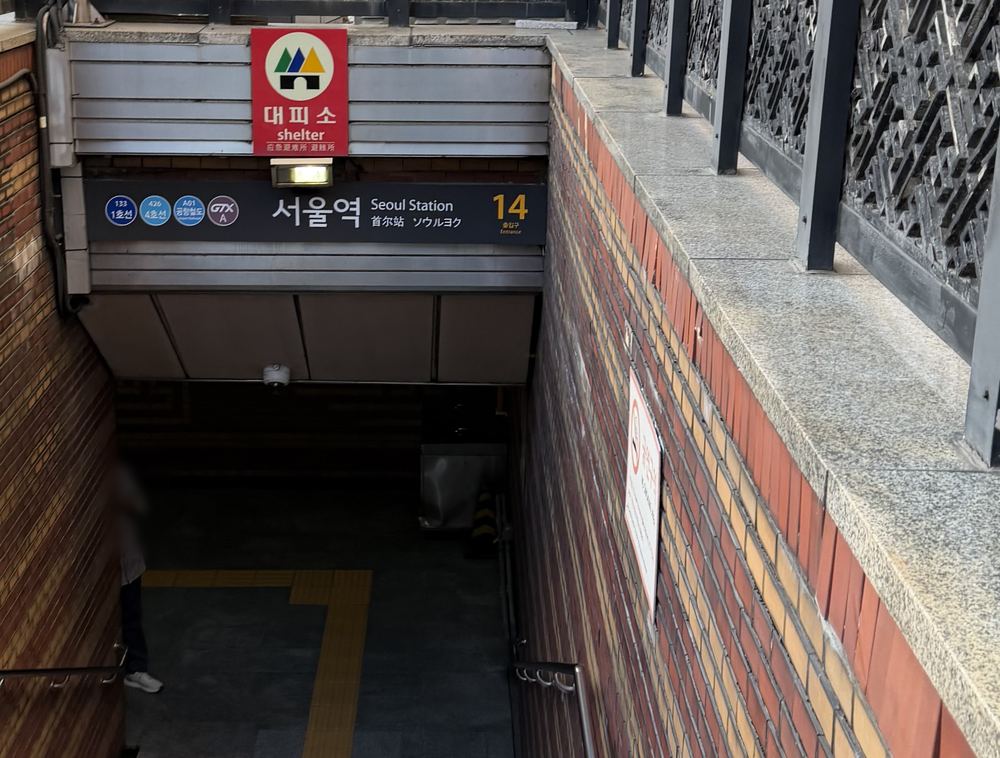
| Shelters | Mostly apartment basement car parks, subway stations and underground shopping arcades; Naver Map and Kakao Map show them |
If you’re out shopping, step into a subway station or underground arcade and come back up after the 14:15 alert. Subways and flights keep running.
What number do I call in an emergency?
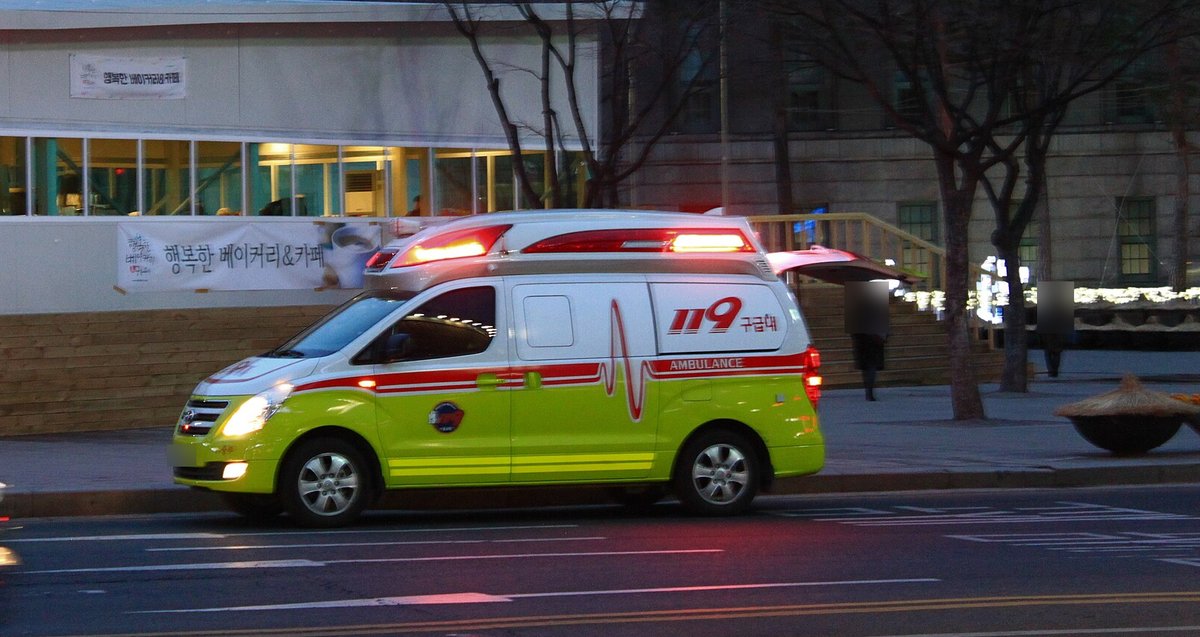
112 for police, 119 for fire and ambulance, and 1330 for help in your language.
| 112 | Police |
|---|---|
| 119 | Fire and ambulance, free |
| 1330 | Korea Travel Helpline, multiple languages. In Korea dial 1330; from overseas +82-2-1330. Also online chat, KakaoTalk, LINE and WhatsApp |
If you can’t read an alert and the app won’t open, copy the text and send it to 1330 on WhatsApp or LINE. What to say when you call an ambulance is in calling 119 in Korea.
Your situation
If an alarm wakes you in a Seoul hotel at night
Full-volume means 위급 or 긴급. Look for 대피 and check whether the place is your district; open the Emergency Ready App or SAFE KOREA’s English page for Seoul to read it in English and see the latest alert. If it tells you to evacuate, go. If it doesn’t and the place isn’t yours, go back to sleep. More alerts may follow; the last one counts.
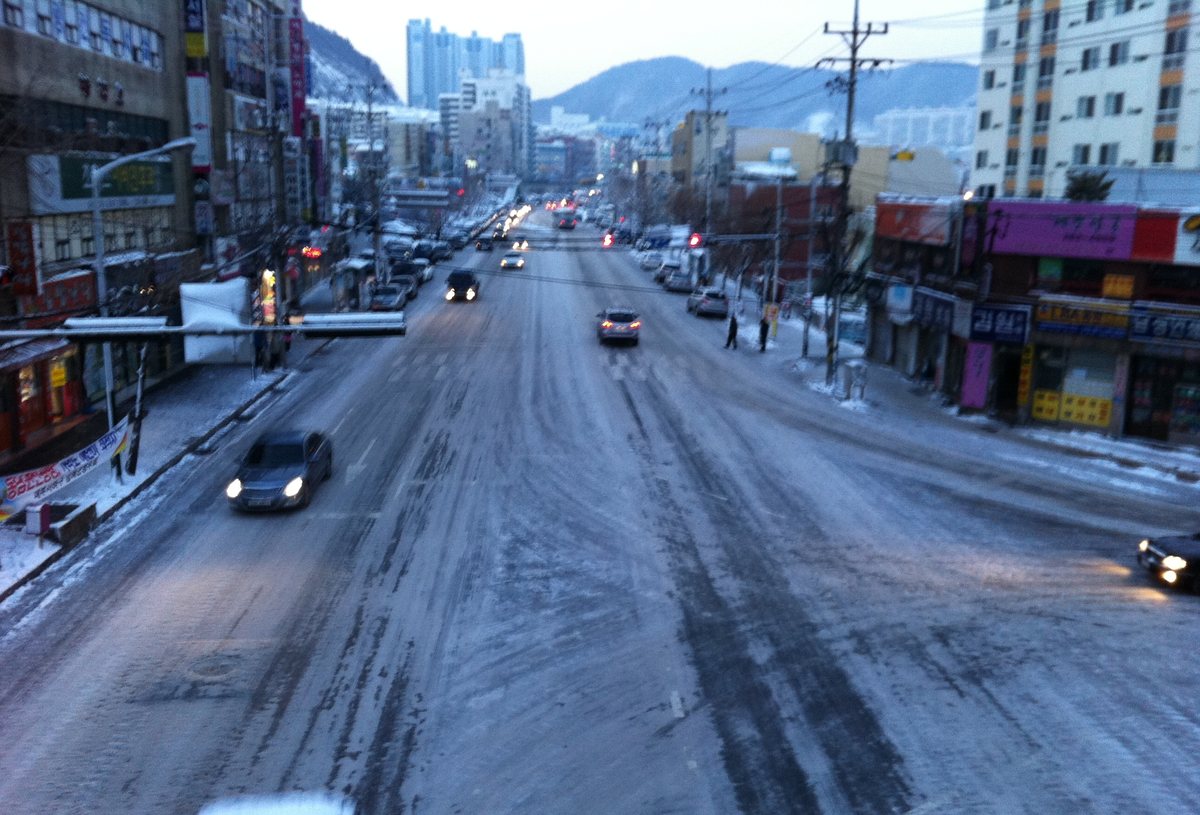
If you get a heavy snow alert in Busan the day before a ferry or flight
The alert asks you to drive less and stay in more; whether boats and planes go is up to the operator. How Busan copes with snow is in the Busan subway on a snow day. Keep the plan, and swap any driving or mountain roads for the subway.
If you’re in Seoul in mid-August
The drill date has been announced only the day before, so check the news or the app each day. Around 14:00 on drill day, don’t plan to drive on Sejong-daero; if you’re outside, walk into the nearest subway station and come out after 14:15.
What should I set up before I go?
Five minutes: check your phone’s alerts, install the app, turn on push.
- Check government alerts are on. iPhone: Settings → Notifications, at the bottom. Google Android: Settings → Notifications → Wireless emergency alerts.
- Install the Emergency Ready App from the App Store or Google Play, the listing without “(Old).”
- Turn on alert push in the app and pick a region: nationwide, or the cities you’re visiting.
- Bookmark SAFE KOREA’s English EMERGENCY ALERTS page for when the app won’t open.
- Save 112, 119 and +82-2-1330 in your contacts.
Common mistakes
- Swiping away the loud one. Since February 2026, evacuation alerts always come as 위급 or 긴급.
- Turning off all government alerts for peace and quiet. You may be turning off an evacuation order. Silent mode is enough.
- Installing the app and skipping push. Without alert push and a region, it won’t notify you.
- Trusting the English translation over the Korean. Machine translations go wrong; check the place name and 대피.
- Reading only the first alert. Events get follow-ups and corrections; the latest one is the current status.
- Cancelling plans over a snow alert. It doesn’t mean snow has settled, or that ferries and flights are cancelled.
- Panicking at an air raid siren at 2 p.m. in August. Check whether it’s drill day, and go underground either way.
FAQ
- Q1: Why did my phone make a loud alarm in Korea?
- It was a Korean government emergency alert at one of the two loud levels, 위급 or 긴급. They go to phones in the affected area, so you were probably inside it. Read the place name and look for 대피 (evacuate) before you swipe it away.
- Q2: Are Korean emergency alerts in English?
- Only partly. The two loud levels add an English label for seven disaster types, such as Earthquake or Evacuation; the rest of the text is Korean, and the lowest level is Korean only. Full English versions are on the SAFE KOREA English site and in the Emergency Ready App.
- Q3: Can I turn off emergency alerts in Korea?
- Partly: under Korean rules, 위급 alerts can’t be refused; 긴급 and 안전안내 can. Since evacuation orders go out as 위급 or 긴급, leave those on. The lowest level already uses your normal text tone, so silent mode handles it.
- Q4: Will my roaming SIM or travel eSIM get Korean emergency alerts?
- There’s no official answer either way. Alerts are broadcast from Korean carriers’ cell towers, and Apple says they work with a SIM or eSIM from a supported carrier. If you don’t want to gamble, install the Emergency Ready App and turn on its alert push.
- Q5: Do Korean emergency alerts go off at night?
- Some do. From 21:00 to 06:00, cold wave, strong wind, dry weather, heat wave, yellow dust, fine dust and offshore high-seas alerts aren’t sent. Heavy snow, typhoon, heavy rain and storm surge warnings still are, and so are earthquakes.
- Q6: Why is there an air raid siren in Korea at 2 p.m. in August?
- Most likely the annual nationwide civil defense drill. In 2025 and 2026 it was on August 20: siren at 14:00, all clear at 14:20. The 2027 date hasn’t been announced; go underground anyway until 14:15.
If it were me
Before flying I’d install the Emergency Ready App, turn on push for the whole country, and leave every government alert on my phone switched on. Nobody guarantees a foreign SIM gets the broadcasts, and the app is the part I can control. In Korea I’d use a Focus mode at night, so 안전안내 goes quiet with my other texts while 위급 and 긴급 still wake me, which is what I’d want. Traveling with someone who can’t read Korean, I’d tell them one thing: if your phone screams, show me. For snow alerts, I’d decide on changes from road and ferry notices, not from the alert.
Official sources
- SAFE KOREA: EMERGENCY ALERTS (English) (filter by region, English and Korean)
- Emergency Ready App (App Store)
- Emergency Ready App (Google Play)
- Ministry of the Interior and Safety: alert sending rules (Korean) (levels and night rules in Annex 1)
- Korea Meteorological Administration: earthquake alerts (Korean)
- Apple: Government Alerts on iPhone
- Google: Wireless emergency alerts on Android
- Korea Tourism Organization: 1330 Korea Travel Helpline
Times and rules follow the latest official announcement.
Read next
Verified
 Current
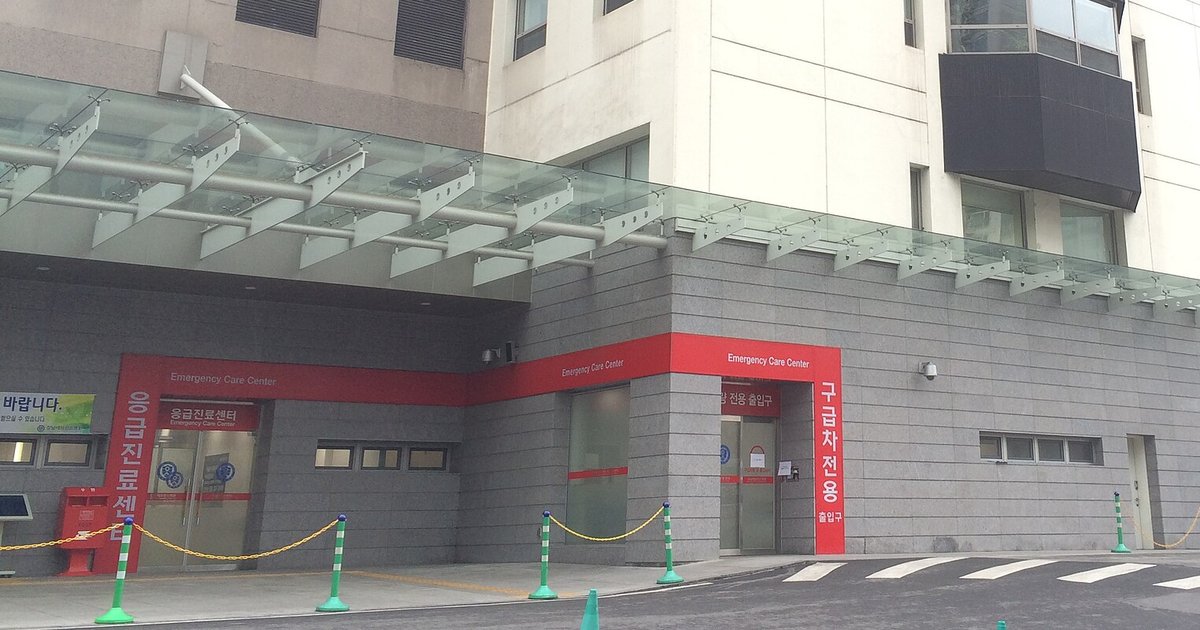
Seeing a Doctor in Korea as a Tourist 2026: Pharmacy, ER, 119
Tourists can’t join Korean national health insurance and pay the full bill, at prices each hospital sets. Minor problems: a convenience store (13 designated medicines, nothing for diarrhea) or a pharmacy. Daytime: a clinic; international clinics need an appointment. Emergencies: an ER or 119, and the 119 ambulance is free. Before leaving, collect the receipt, itemized bill and an English medical certificate.
Verified
 Current
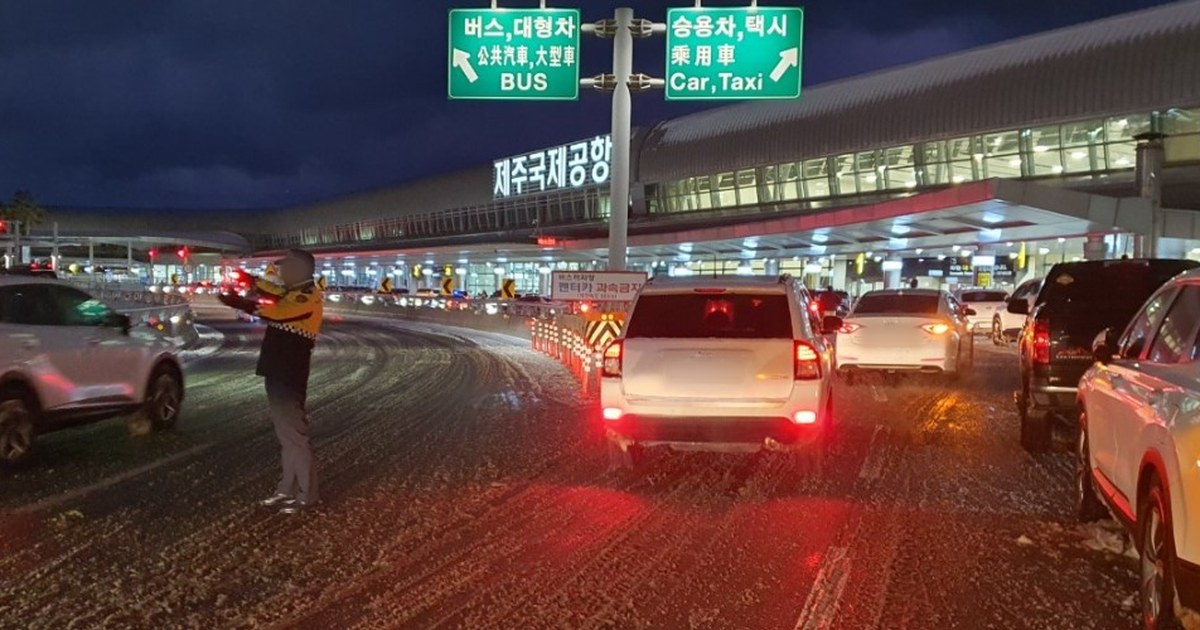
Jeju Flight Cancelled by Snow or Wind? What to Do (2026–27)
Jeju Air and Eastar Jet both say that cancelling or changing before the airline confirms the cancellation is not made free afterwards; once it is confirmed, you get one fee-free refund or change. Weather cancellations are usually not compensated with hotel or meals. Check flights on Jeju Airport’s English Departure/Arrival page.
Verified
 Not announced
Does It Snow in Busan? 2026–27 Odds by Month and First Snow
As of November 14, 2026, KMA had not recorded Busan’s first snow of the 2026–27 winter. The average date is December 23; last winter it came on February 7, 2026, with snow on only 2 days and none settling. January is the best month: about 19% for snowfall and 7% for snow on the ground on a five-day stay.