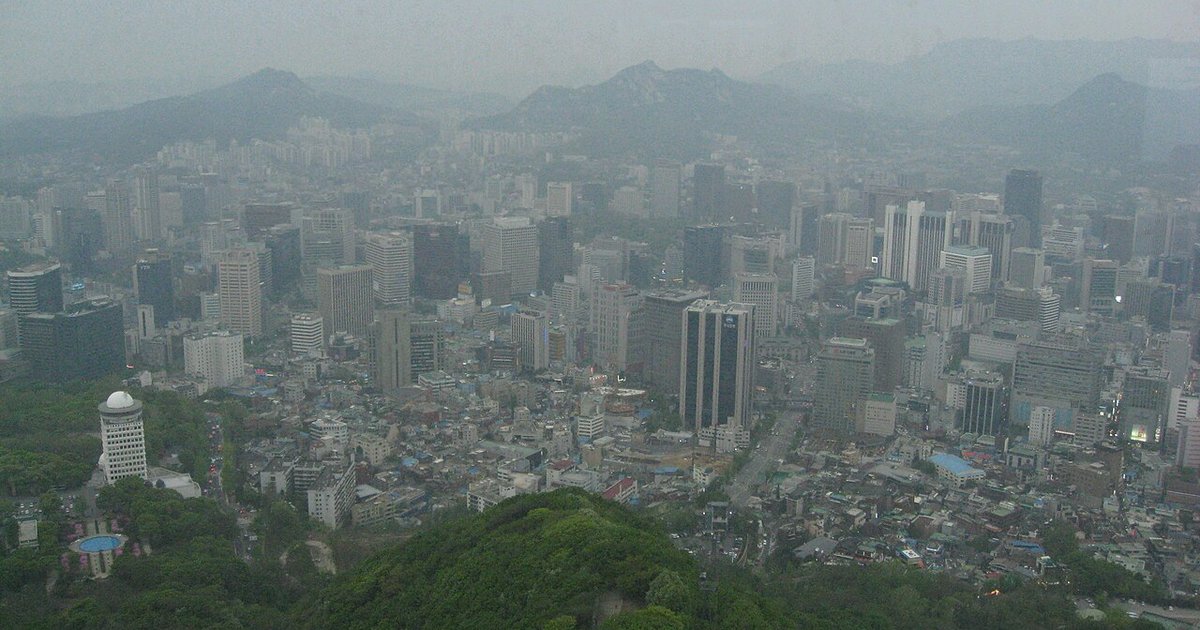
Seoul had fine dust or yellow dust advisories on 4 to 5 days each spring from 2024 to 2026, usually in runs of 2 or 3 days. That isn’t a reason to move a March-to-May trip. March is the worst month for PM2.5, and by May Seoul’s monthly average is about half to two-thirds of March’s. Yellow dust, the desert dust that blows in from China and Mongolia, has no fixed week; ten years of records show three bumps, in late March, mid-April and early May. What helps is checking the forecast from a week before you fly and having one rule: when PM2.5 is forecast at 36 µg/m³ or more (Korea’s “Unhealthy”), swap hikes and long walks for nearby sights; at 76 or more (“Very unhealthy”), spend the day indoors. Korean forecasts and signs use four level words: 좋음 (Good), 보통 (Moderate), 나쁨 (Unhealthy) and 매우나쁨 (Very unhealthy).
- Change your travel month? No. Bad days come in short runs, not whole weeks.
- Worst month: March for PM2.5. May is the cleanest of the three spring months.
- Yellow dust: no fixed week; Seoul averaged 6.4 days per spring over 2016–2025.
- Busan and Jeju: lower PM2.5 than Seoul and fewer yellow dust days.
- Forecast: start a week before you fly; in Korea, check today and tomorrow each morning.
- Change plans at: PM2.5 36 (swap strenuous outdoor plans), 76 (go indoors). With kids, older travelers or asthma, act from 36.
- Masks: buy KF94 at pharmacies or convenience stores.
Contents
- Who this is for
- Key facts
- Should I avoid spring?
- March, April or May
- Yellow dust days by city
- Yellow dust vs fine dust
- Korean levels vs US AQI
- Where to check in English
- At what level to change plans
- What gets cancelled
- Masks
- Pollen
- Your situation
- From a week out to the morning of
- Common mistakes
- What I would do
- FAQ
- If it were me
- Official sources
Who this is for
Anyone planning Korea between March and May who has heard about fine dust or yellow dust and wants to know how much it should change the plan.
- You’re choosing between March, April and May.
- Your phone shows US AQI and you want to read Korean forecasts against it.
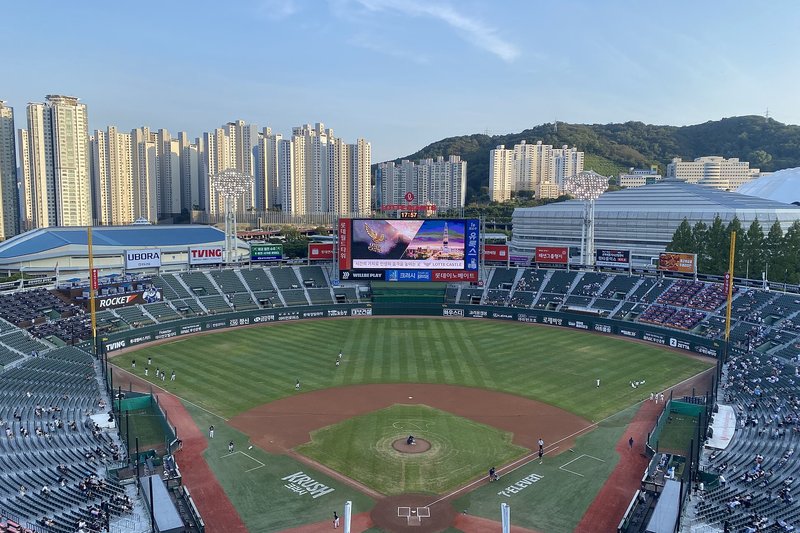
- Your trip has outdoor plans: hikes, cycling, palace ceremonies, a ballgame.
- You’re traveling with kids, older relatives, or someone with asthma.
You can skip it if:
- Your trip is in summer or autumn. This covers spring only.
- You need medical advice. For symptoms, see how to see a doctor in Korea.
Korea’s spring air at a glance
March is the worst month, bad days come in runs, and two numbers matter: PM2.5 36 and 76.
| Worst month for PM2.5 | March |
|---|---|
| Seoul PM2.5, 2025 (µg/m³) | March 30, April 22, May 20 |
| Seoul yellow dust days | 6.4 per spring (2016–2025 average) |
| Seoul advisory days, spring | 4–5 in 2024–2026; 14–15 in bad years |
| Korean “Unhealthy” | PM2.5 36–75, PM10 81–150 (24-hour) |
| Korean “Very unhealthy” | PM2.5 76+, PM10 151+ |
| English forecast | Seoul city’s English air quality page |
| Korean forecast | AirKorea, 4 times a day |
| Masks | KF94 at pharmacies and convenience stores |
Should I avoid Korea in spring because of the air?
No. In the last three springs Seoul had 4 to 5 days with an advisory or warning in effect, and they come in clusters. These are days with a PM2.5, PM10 or yellow dust advisory or warning in Seoul between March and May:
| Year | 2020 | 2021 | 2022 | 2023 | 2024 | 2025 | 2026 |
|---|---|---|---|---|---|---|---|
| Days | 2 | 14 | 2 | 15 | 5 | 4 | 5 |
| 2024 | March 17, March 29, April 16–18 |
|---|---|
| 2025 | March 25–26, April 24–25 |
| 2026 | March 27–29, April 20–21 |
A PM2.5 advisory goes out when the hourly average stays at 75 µg/m³ or more for 2 hours; a warning at 150. For PM10 the figures are 150 and 300. On a 4- to 7-day trip, a bad patch usually means 2 or 3 days, not the whole stay. Bad years like 2021 and 2023 can’t be seen coming when you book, so leave one flexible day rather than moving your flights. There’s no equivalent count for Busan.
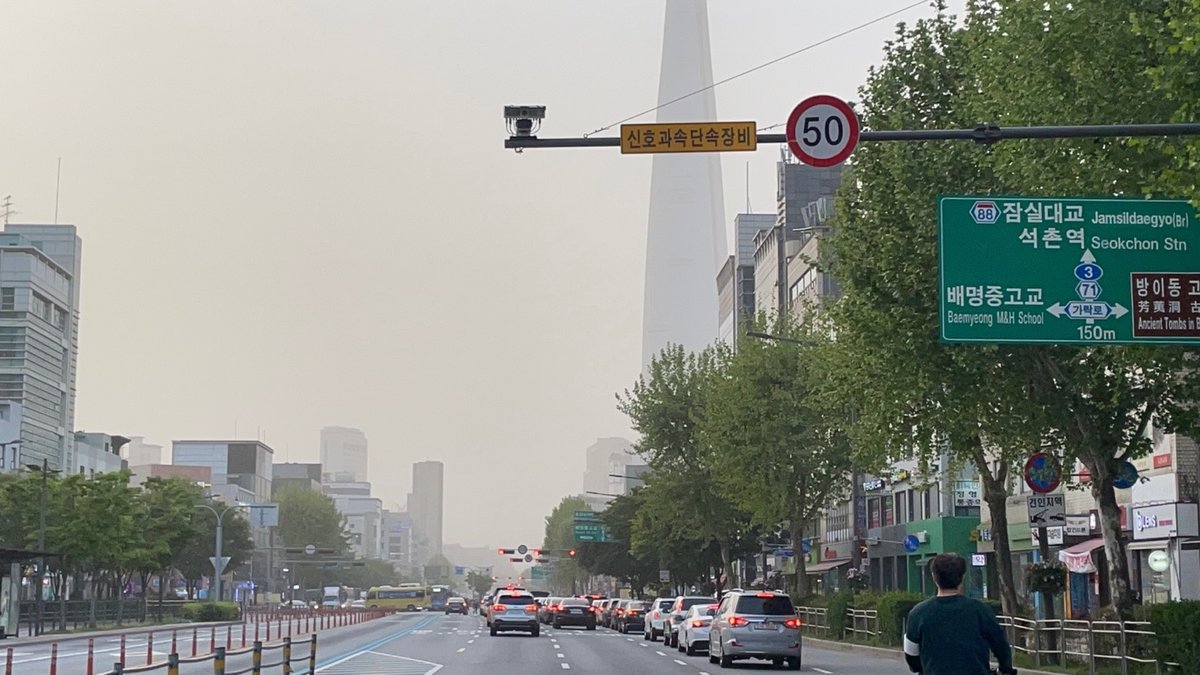
Is March, April or May worse for air quality?
March. Korea’s environment ministry says March has the year’s highest PM2.5 and the most “Unhealthy” days. By May, Seoul is down to about half to two-thirds of its March average. Monthly PM2.5 averages in µg/m³:
| Place | Year | March | April | May |
|---|---|---|---|---|
| Seoul | 2025 | 30 | 22 | 20 |
| Seoul | 2026 (provisional) | 31 | 21 | 16 |
| Incheon | 2025 | 30 | 22 | 20 |
| Busan | 2025 | 20 | 16 | 14 |
| Jeju City | 2025 | 19 | 17 | 14 |
| Seogwipo | 2025 | 17 | 15 | 13 |
In 2025 Busan’s March average was about a third lower than Seoul’s. The 2026 Seoul figures are the city’s provisional values. The ministry is now the Ministry of Climate, Energy and Environment, formerly the Ministry of Environment, which matters only if you search for its reports.
How many yellow dust days do Seoul, Busan and Jeju get?
Seoul about 6 per spring, Busan and Jeju about 4, averaged over 2016–2025. A “day” here means a Korea Meteorological Administration (KMA) observer saw yellow dust that day, not that the whole day was bad. The ten-year average is calculated from KMA’s yearly tables, not an official normal.
| Place | March | April | May | March–May |
|---|---|---|---|---|
| Seoul | 2.3 | 2.3 | 1.8 | 6.4 |
| Busan | 0.7 | 1.8 | 1.3 | 3.8 |
| Jeju | 1.3 | 1.4 | 1.2 | 3.9 |
Years swing a lot. Spring totals by year:
| 2016 | 2017 | 2018 | 2019 | 2020 | 2021 | 2022 | 2023 | 2024 | 2025 | 2026 | |
|---|---|---|---|---|---|---|---|---|---|---|---|
| Seoul | 7 | 6 | 3 | 0 | 2 | 12 | 4 | 15 | 9 | 6 | 2 |
| Busan | 7 | 4 | 4 | 0 | 0 | 7 | 1 | 7 | 7 | 1 | 1 |
| Jeju | 3 | 4 | 2 | 1 | 0 | 11 | 1 | 8 | 8 | 1 | 2 |
To see whether any part of spring is safer, here are the ten years added up by 10-day period:
| Mar 1–10 | Mar 11–20 | Mar 21–31 | Apr 1–10 | Apr 11–20 | Apr 21–30 | May 1–10 | May 11–20 | May 21–31 | |
|---|---|---|---|---|---|---|---|---|---|
| Seoul | 4 | 7 | 12 | 1 | 15 | 7 | 10 | 2 | 6 |
| Busan | 1 | 1 | 5 | 3 | 10 | 5 | 8 | 1 | 4 |
| Jeju | 1 | 6 | 6 | 1 | 9 | 4 | 8 | 1 | 3 |
There are three bumps: late March, mid-April and early May. The early-May one is mostly 2017 and 2021. In spring 2026 Seoul’s only yellow dust days were April 20–21. None of this adds up to a trend or a week you can book around.
Is yellow dust the same as fine dust?
No. They come from different places and show up in different numbers, so check both PM2.5 and PM10 and go by the worse one. Korea’s combined index does the same.
| Yellow dust (Asian dust) | Fine dust | |
|---|---|---|
| Source | Desert dust from northern China and Mongolia carried by wind | Mostly human emissions: fuel burning, vehicles, power plants; part of PM2.5 forms from gases |
| Made of | Soil minerals: calcium, iron, aluminum, magnesium | Sulfates, nitrates, ammonium |
| Number to watch | Mainly PM10 | PM2.5 and PM10 |
| Forecast | KMA yellow dust model | AirKorea |
KMA issues a yellow dust warning when hourly PM10 of 800 µg/m³ or more is expected to last 2 hours. There’s no separate “yellow dust advisory”; below that level, it’s handled by the regular PM10 advisory and warning.
What do Korea’s levels mean, and how do they compare with US AQI?
Korea’s scale is looser at the clean end, so the same air can be “Good” in Korea and “Moderate” on a US-AQI app. Compare concentrations, not index numbers: Korea’s CAI and US AQI both run 0–500 but are different indexes.
Korean levels (24-hour average, µg/m³), with AirKorea’s official English names:
| Korean | Official English | Color | PM2.5 | PM10 |
|---|---|---|---|---|
| 좋음 | Good | Blue | 0–15 | 0–30 |
| 보통 | Moderate | Green | 16–35 | 31–80 |
| 나쁨 | Unhealthy | Yellow | 36–75 | 81–150 |
| 매우나쁨 | Very unhealthy | Red | 76+ | 151+ |
US EPA categories for PM2.5, effective May 6, 2024:
| US category | AQI | PM2.5 |
|---|---|---|
| Good | 0–50 | 0.0–9.0 |
| Moderate | 51–100 | 9.1–35.4 |
| Unhealthy for Sensitive Groups | 101–150 | 35.5–55.4 |
| Unhealthy | 151–200 | 55.5–125.4 |
| Very Unhealthy | 201–300 | 125.5–225.4 |
| Hazardous | 301+ | 225.5+ |
The same PM2.5 concentration on both scales, converted with EPA’s breakpoints (approximate):
| PM2.5 µg/m³ | Korea | US AQI, approx. |
|---|---|---|
| 12 | Good | About 56, Moderate |
| 16–35 | Moderate | About 64–99, Moderate |
| 36 | Unhealthy | About 102, Unhealthy for Sensitive Groups |
| 76 | Very unhealthy | About 165, Unhealthy |
Two practical readings. Korea’s “Unhealthy” (36) lines up with the bottom of the US “Unhealthy for Sensitive Groups” band, and Korea’s “Very unhealthy” (76) with the US “Unhealthy” band. Don’t go by color alone either: Korean green means Moderate and Korean yellow means Unhealthy. Treat all of this as rough. US-style apps often show an hourly value, while Korea’s grade uses a 24-hour average.
Where can I check the forecast in English?
For Seoul, the city’s English air quality page. For anywhere else, AirKorea’s Korean forecast table, which only needs city names and four words. AirKorea’s English site has live readings but no forecast in its menu.
| Channel | What | Updated | Language |
|---|---|---|---|
| Seoul city air quality page | District readings, PM2.5 and PM10 forecast, advisory status, yellow dust warning | Real time | English |
| AirKorea “Current Air Quality” | Live readings nationwide (unvalidated values) | Real time | English |
| AirKorea today/tomorrow/day after | Forecast by region, PM10 and PM2.5 separately | 05:00, 11:00, 17:00, 23:00 KST | Korean |
| AirKorea weekly PM2.5 | The next 4 days after that, only 낮음 (low) or 높음 (high); high means 36+ | Daily 17:30 KST | Korean |
| KMA yellow dust page | Yellow dust model, satellite | — | Korean |
On the Korean tables, find 서울 (Seoul), 부산 (Busan) or 제주 (Jeju), then read the level: 좋음, 보통, 나쁨, 매우나쁨. Together, the daily and weekly forecasts reach about 6 days ahead, so start looking a week before your flight; once you’re in Korea, check today and tomorrow each morning.
At what level should I change my plans?
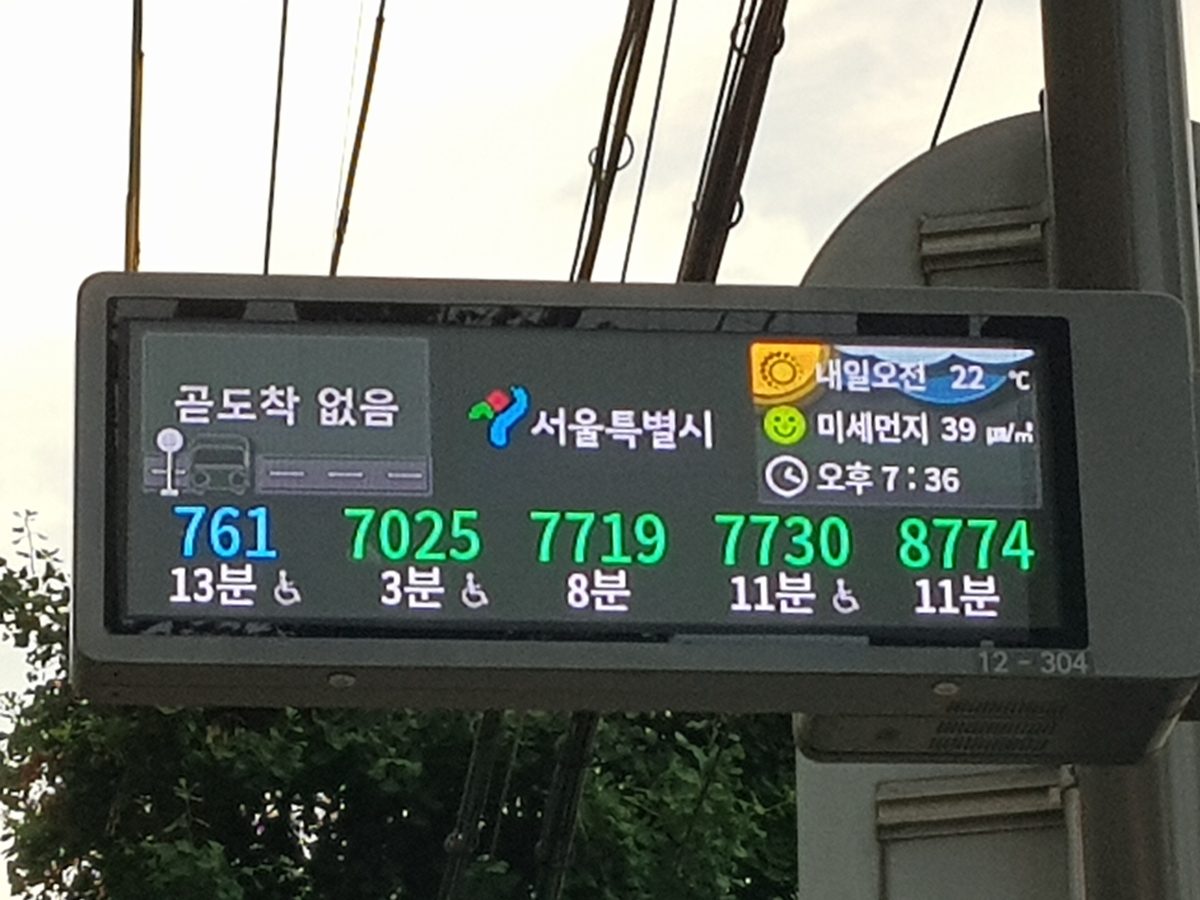
At “Unhealthy” (PM2.5 36+), swap hikes, long walks and cycling for nearby sights. At “Very unhealthy” (76+), spend the day indoors. That’s my rule of thumb built on Korea’s official behavioral guidelines, which are below. With kids, older travelers or anyone with asthma, use the sensitive-group column from “Unhealthy.”
| Level | General public | Sensitive groups |
|---|---|---|
| Moderate | Nothing special | No particular limits; watch how you feel |
| Unhealthy | Limit long or strenuous outdoor activity; with sore eyes, cough or sore throat, avoid outdoor activity | Limit long or strenuous outdoor activity; people with asthma may need inhalers more often outdoors |
| Very unhealthy | Limit long or strenuous outdoor activity; with sore throat or cough, avoid outdoor activity | Stay indoors as much as possible; ask a doctor before outdoor activity |
Korea’s disease control agency (KDCA) counts people with respiratory or heart disease, young children, older adults and pregnant women as sensitive groups. Its general advice for high days: go out less; if you must, wear long sleeves and a mask; wash and brush your teeth afterward; drink water.
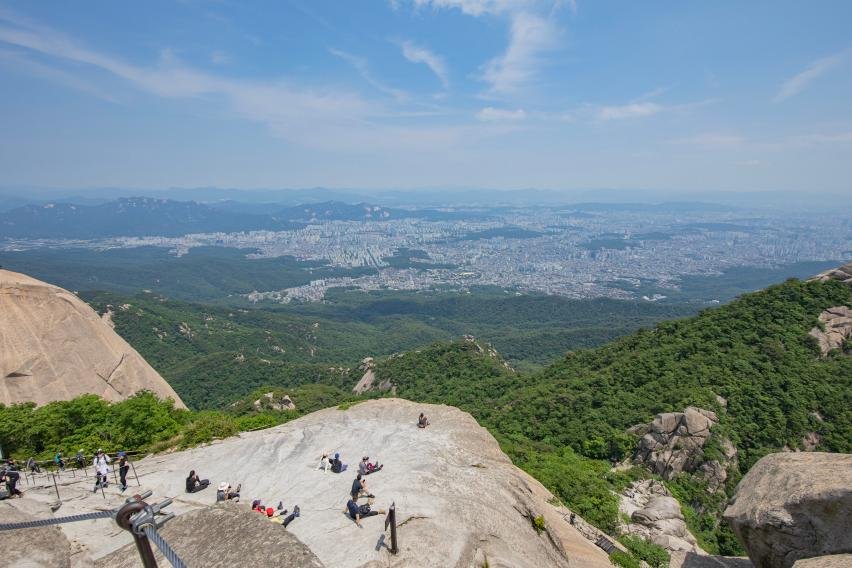
What gets cancelled on bad air days?
Some outdoor shows and tours, usually decided the day before or right before the start. Traffic restrictions don’t affect visitors much; event cancellations do.
| Event | Rule |
|---|---|
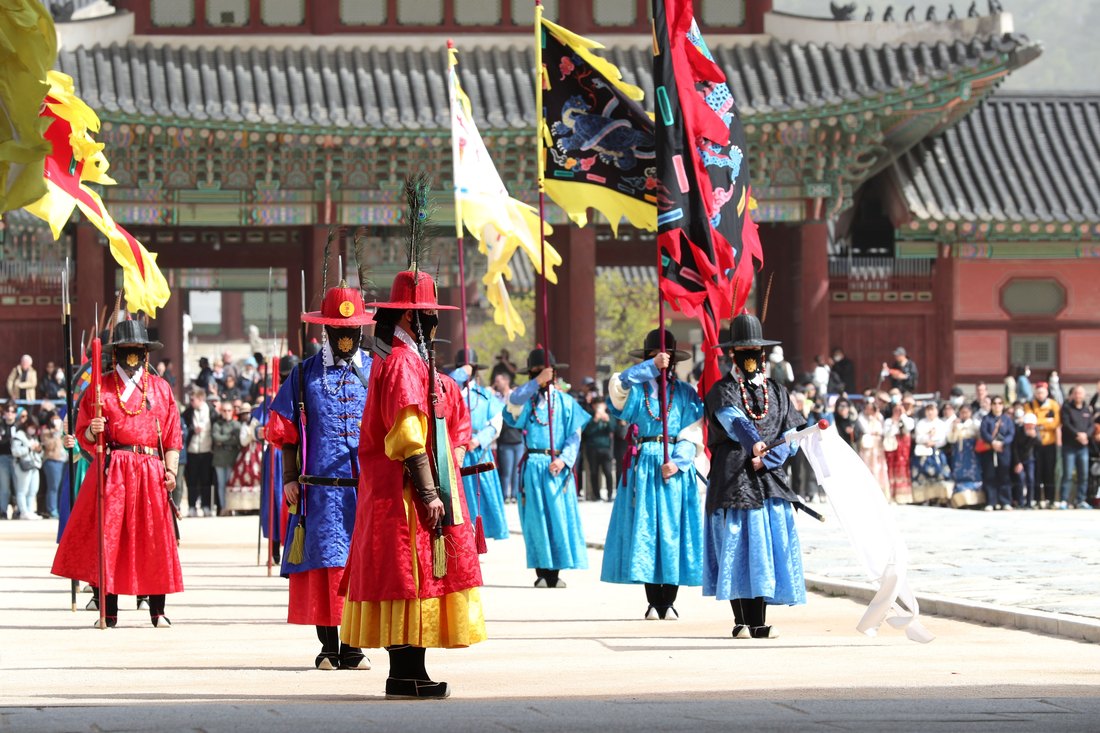
| Gyeongbokgung Royal Guard Changing Ceremony | May be cancelled in bad weather, with fine dust named as an example; no number given (2024 notice) |
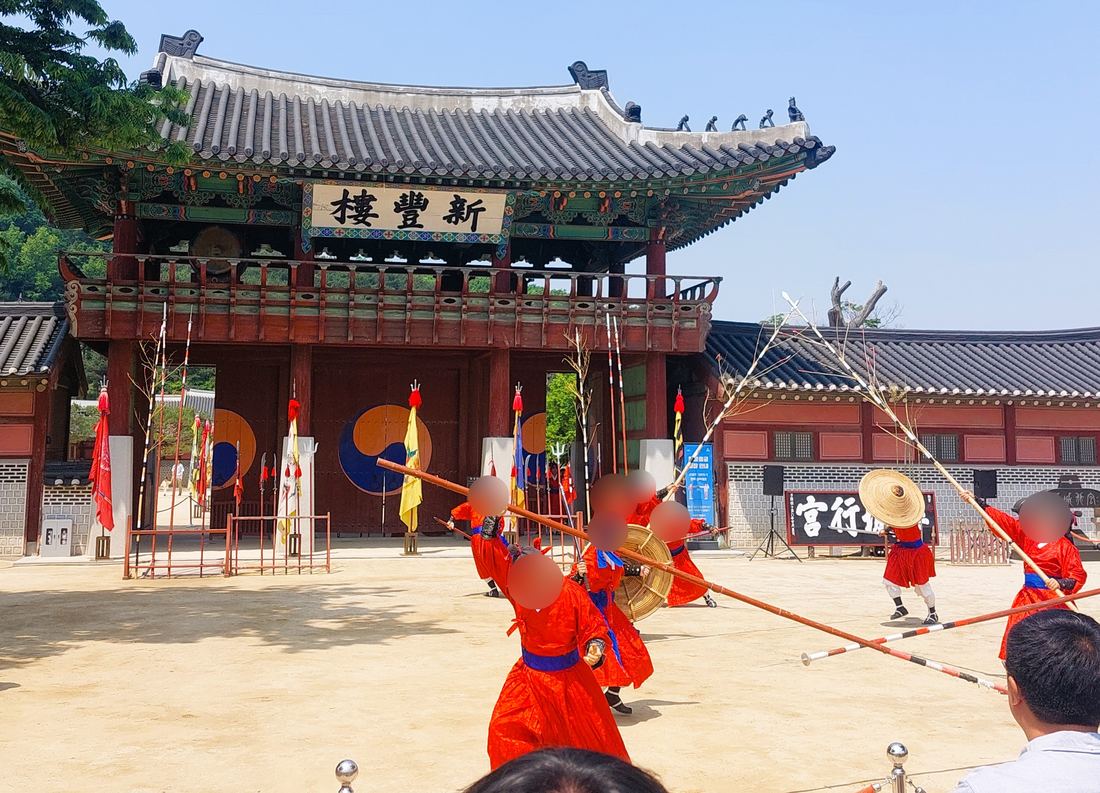
| Suwon Muye 24 martial arts show | Cancelled at PM10 150+ or PM2.5 75+; shortened at PM10 100–149 or PM2.5 50–74 |
| KBO baseball | Cancellation considered if a PM2.5 or PM10 warning is issued or warning-level concentrations occur before the game; during the game, decided after the inning |
| Seoul city free walking tours | All bookings cancelled while an emergency fine dust reduction measure or similar alert is in effect |
The capital area’s emergency reduction measures run 06:00–21:00 the next day and are triggered when PM2.5 is already high and forecast to stay above 50, or the next day is forecast above 75. They’re usually announced around 17:00 the day before. They mostly hit winter: all 55 Seoul cases from 2018 to 2026 fell between October and March, none in April or May. Recent spring dates were March 20, 2023, March 11, 2025 and March 17, 2026 (none at all in 2024). Details for each event are in Suwon Hwaseong, Seoul’s free walking tours and KBO tickets.
Do I need a mask? Where do I buy KF94?
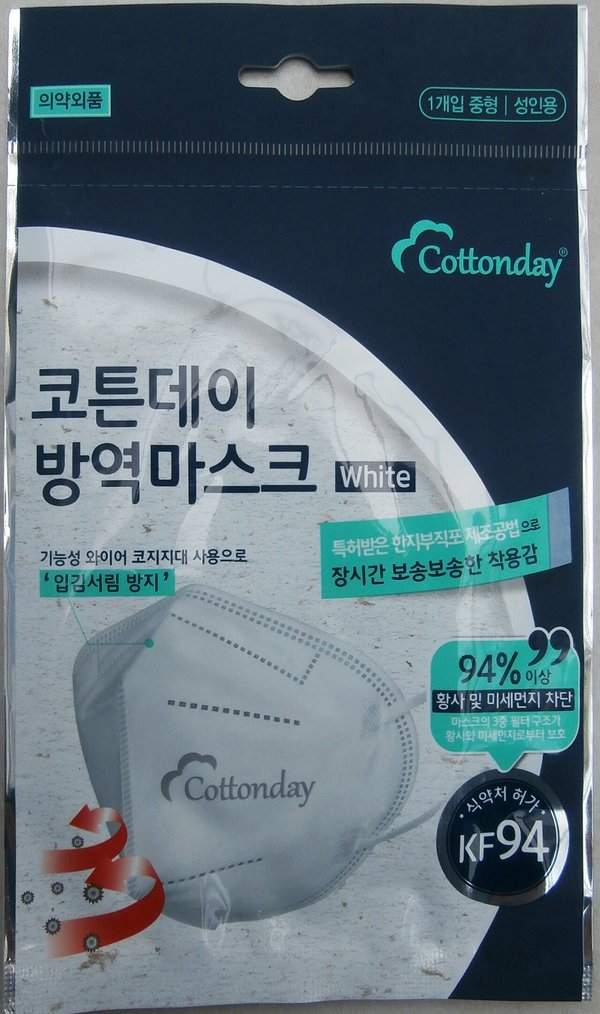
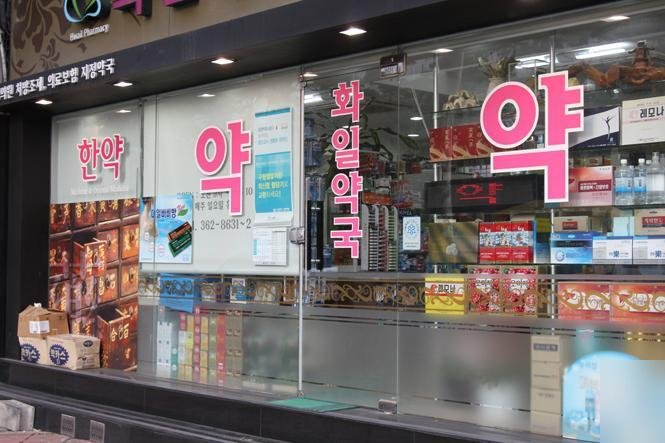
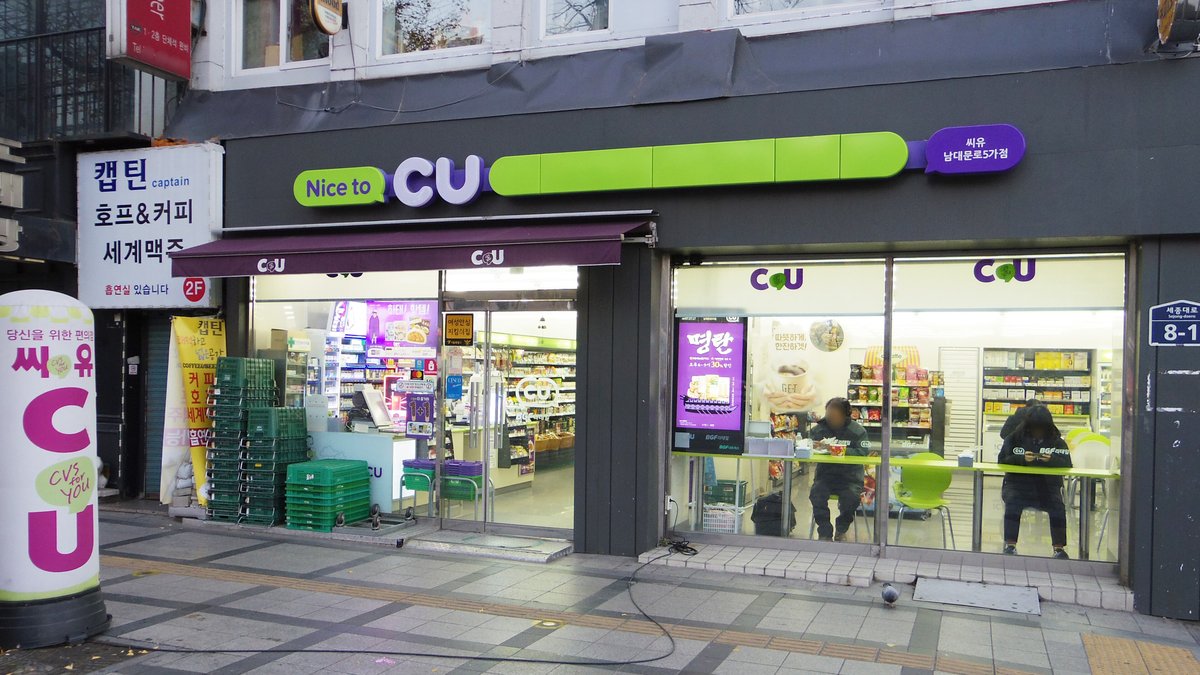
You don’t need to pack a box; pharmacies and convenience stores sell them. Official advice is to go out less on bad yellow dust or fine dust days and wear a health mask if you must, while noting that masks don’t block everything. If you have asthma or travel with kids, bring the type you already use.
| KF80 | Blocks 80%+ of particles averaging 0.6 µm |
|---|---|
| KF94, KF99 | Block 94% and 99%+ of particles averaging 0.4 µm |
| Trade-off | Higher rating filters more but is harder to breathe through |
| On the package | 의약외품 (quasi-drug) and the KF mark; check the expiry date |
| How to wear | Cover nose and mouth, seal to the face; no tissue or towel inside; don’t wash or reuse |
When is pollen season in Korea?
March to June for trees (oak, pine), August to October for weeds. Pollen is a separate index from fine dust, so cleaner air in April and May doesn’t mean allergies ease. KMA updates its pollen risk index at 06:00 and 18:00 daily in four levels.
| 낮음 (low), 보통 (normal) | Lower risk |
|---|---|
| 높음 (high) | Most pollen-allergy sufferers get symptoms; cut outdoor time, wear sunglasses and a mask, wash hands and face, shower before bed |
| 매우높음 (very high) | Almost all sufferers get symptoms; stay indoors |
Your situation
If you’re choosing between March, April and May
Pick the month for what you want to see. If air is the tiebreaker, May has the lowest PM2.5 of the three, and March the highest. For cherry blossoms, timing matters far more; see the Seoul cherry blossom forecast.
If the forecast says 나쁨 on your hiking day
Swap the hike with an indoor or nearby day and move the hike to the cleanest day in the forecast. That’s why I’d keep one day of the trip loose.
If you’re traveling with kids or someone with asthma
Act from 나쁨 (36), not 매우나쁨: keep outdoor time short, bring the masks and inhalers you already use, and plan an indoor fallback for each outdoor day.
From a week out to the morning of
- A week before you fly: open AirKorea’s weekly PM2.5 forecast; look for 높음 (high) on your dates.
- Three days out: the today/tomorrow/day-after table covers your first days; for Seoul, use the city’s English page.
- Each morning in Korea: check today and tomorrow, PM2.5 and PM10, and go by the worse.
- At 나쁨: swap strenuous outdoor plans.
- At 매우나쁨: indoor day; buy KF94 masks if you’re going out.
- Outdoor show or tour booked: check around 17:00 the day before for cancellations.
Common mistakes
- Moving the whole trip for the air. Bad days come in short runs; one flexible day covers most of it.
- Reading a US AQI app against Korean colors. Korean green is Moderate, Korean yellow is Unhealthy.
- Checking only PM2.5 on a yellow dust day. Yellow dust mainly shows in PM10.
- Looking for a forecast on AirKorea’s English site. It has live readings only.
- Assuming allergies ease in May. Pollen runs March to June.
- Packing a box of masks. Every pharmacy and convenience store sells them.
What I would do
Five days in Seoul in April:
| When | Plan |
|---|---|
| Booking | Pick dates for what I want to see; don’t shift them for the air |
| Itinerary | Keep one day loose; pair each outdoor day with an indoor option nearby |
| A week out | Watch AirKorea’s weekly forecast for 높음 |
| Each morning | Seoul city’s English page: today and tomorrow |
| 나쁨 day | Swap the hike or bike ride for the loose day |
| 매우나쁨 day | Museum day; buy KF94 at a convenience store if I’m going out |
FAQ
- Q1: Is spring a bad time to visit Korea because of fine dust?
- No, not enough to change your month. Seoul had advisory or warning days on 4 to 5 days each spring in 2024–2026, and they come in runs of 2 or 3 days. Bad years like 2021 and 2023 reached 14 and 15 days.
- Q2: Which month has the worst air in Korea?
- March, for PM2.5. Korea’s environment ministry says March has the highest PM2.5 of the year and the most “Unhealthy” days. By May, Seoul’s average is about half to two-thirds of March’s.
- Q3: When is yellow dust season in Korea?
- March to May, with no fixed week. Over 2016–2025 Seoul averaged 6.4 yellow dust days per spring, and the ten-year totals bunch up in late March, mid-April and early May.
- Q4: Is yellow dust the same as fine dust?
- No. Yellow dust is desert soil blown in from northern China and Mongolia and shows up mainly in PM10. Fine dust is mostly from fuel burning and traffic and is measured as PM2.5 and PM10.
- Q5: How does Korea’s air quality scale compare with US AQI?
- Korea is looser at the clean end. Korea calls PM2.5 up to 15 µg/m³ “Good,” while the US category stops at 9. Korean “Unhealthy” starts at 36 µg/m³, about US AQI 102.
- Q6: Where can I check the fine dust forecast in English?
- For Seoul, the city’s English air quality page. AirKorea’s English site has live readings but no forecast; the forecast tables are on its Korean site and only need city names and four level words.
- Q7: Do I need to bring KF94 masks to Korea?
- No. Pharmacies and convenience stores sell them. Look for 의약외품 and the KF mark on the package; with asthma or kids, bring the type you already use.
If it were me
I wouldn’t change a spring trip for the air. I’d book for the blossoms or whatever I came for, leave one day loose, and start watching the forecast a week out. Traveling alone and healthy, I’d only change plans at 나쁨 for strenuous outdoor things and go indoors at 매우나쁨. With kids or someone with asthma, I’d act from 나쁨 and keep an indoor plan for every day.
Official sources
- Seoul Metropolitan Government: air quality information (English)
- AirKorea: Current Air Quality (English)
- AirKorea: today, tomorrow and day-after forecast (Korean)
- AirKorea: weekly PM2.5 forecast (Korean)
- KMA: yellow dust (Korean)
- KMA: pollen risk index (Korean)
- US EPA: 2024 AQI update for particulate matter (fact sheet)
Figures and forecasts follow the latest official announcement.
Read next
Verified
 Not announced
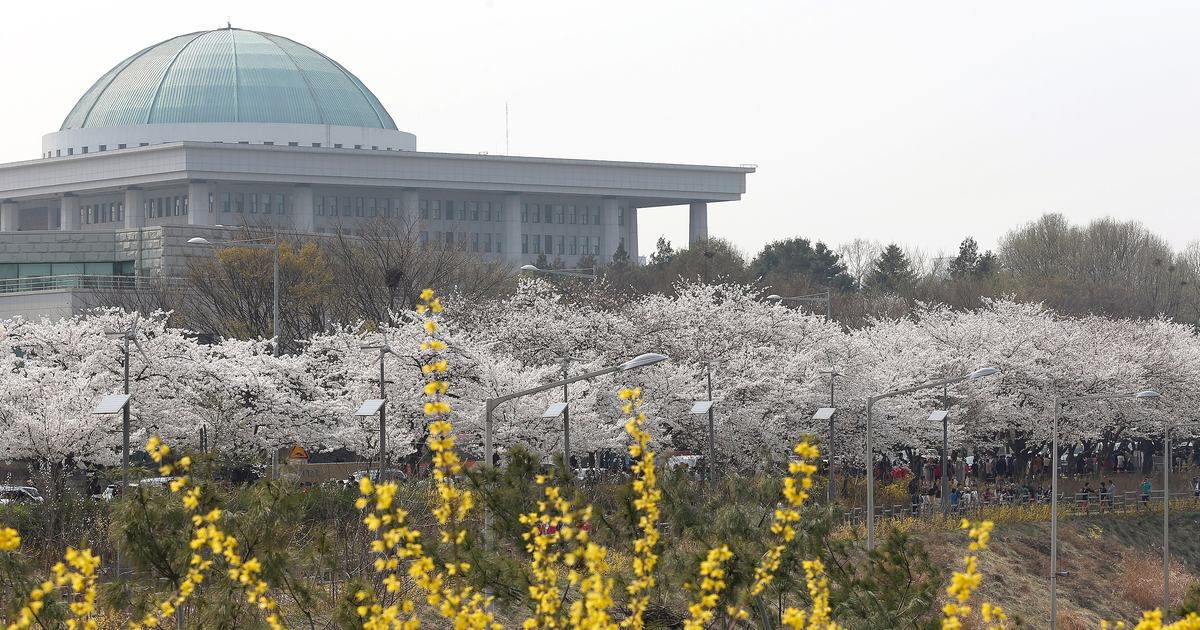
Seoul Cherry Blossom 2027 Forecast: Best Week + Korea by City
No 2027 Seoul cherry blossom forecast yet. In 2017–2026, Seoul’s official tree reached full bloom between March 29 and April 10, and bloomed before the April 8 average every year.
Verified
 Current
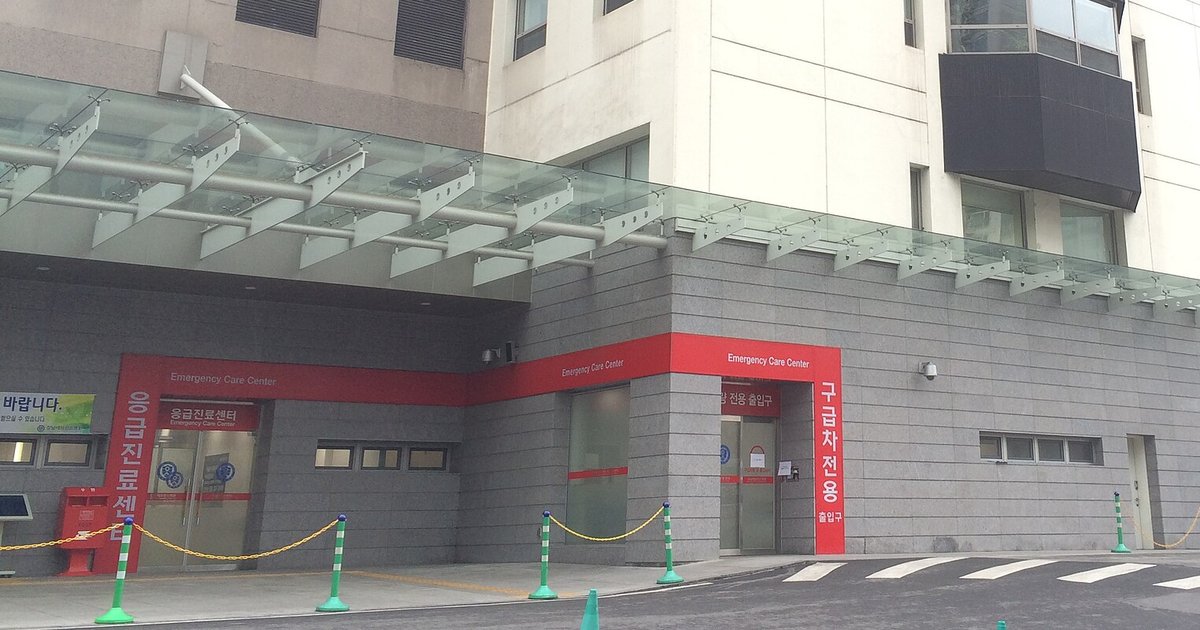
Seeing a Doctor in Korea as a Tourist 2026: Pharmacy, ER, 119
Tourists can’t join Korean national health insurance and pay the full bill, at prices each hospital sets. Minor problems: a convenience store (13 designated medicines, nothing for diarrhea) or a pharmacy. Daytime: a clinic; international clinics need an appointment. Emergencies: an ER or 119, and the 119 ambulance is free. Before leaving, collect the receipt, itemized bill and an English medical certificate.
Verified
 Current
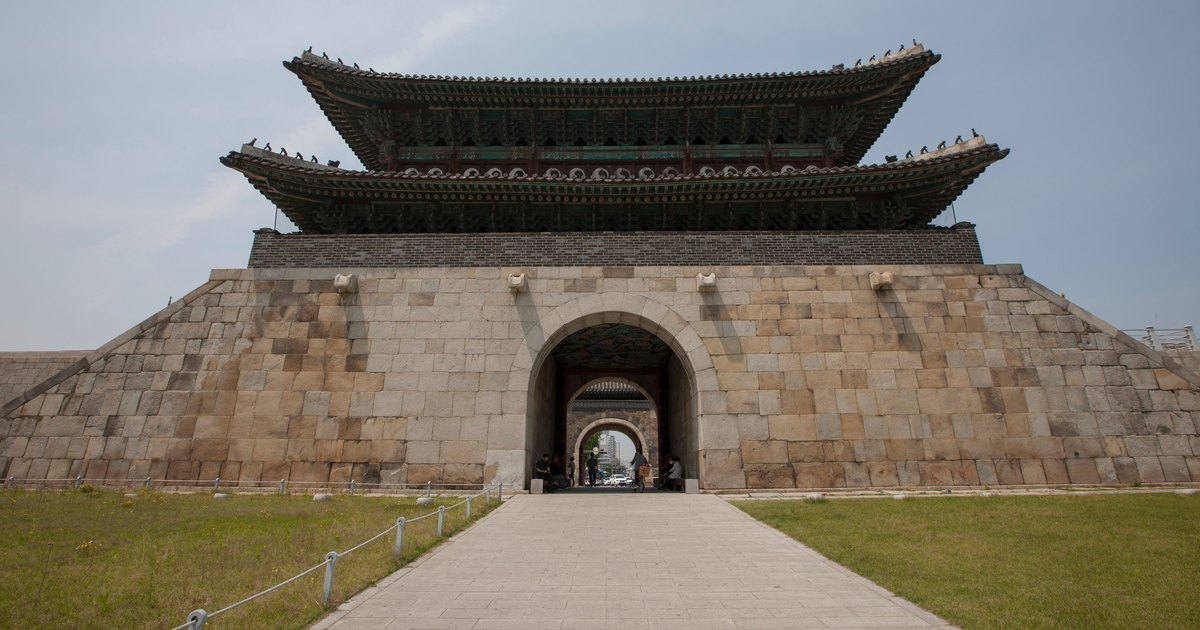
Hwaseong Fortress from Seoul 2026–27: Tickets, Trolley, Hours
The fortress wall is free, all day, every day. Hwaseong Haenggung Palace is open 09:00–18:00, last entry 17:00. The Tourist Trolley leaves from Yeonmudae only, Tuesday to Sunday, not in rain or snow; online bookings must be swapped for a paper ticket at Yeonmudae. The 2026 night opening ended on November 1 and 2027 dates aren’t announced. Flying Suwon announced a closure from November 2026 to the end of January 2027, which may change.