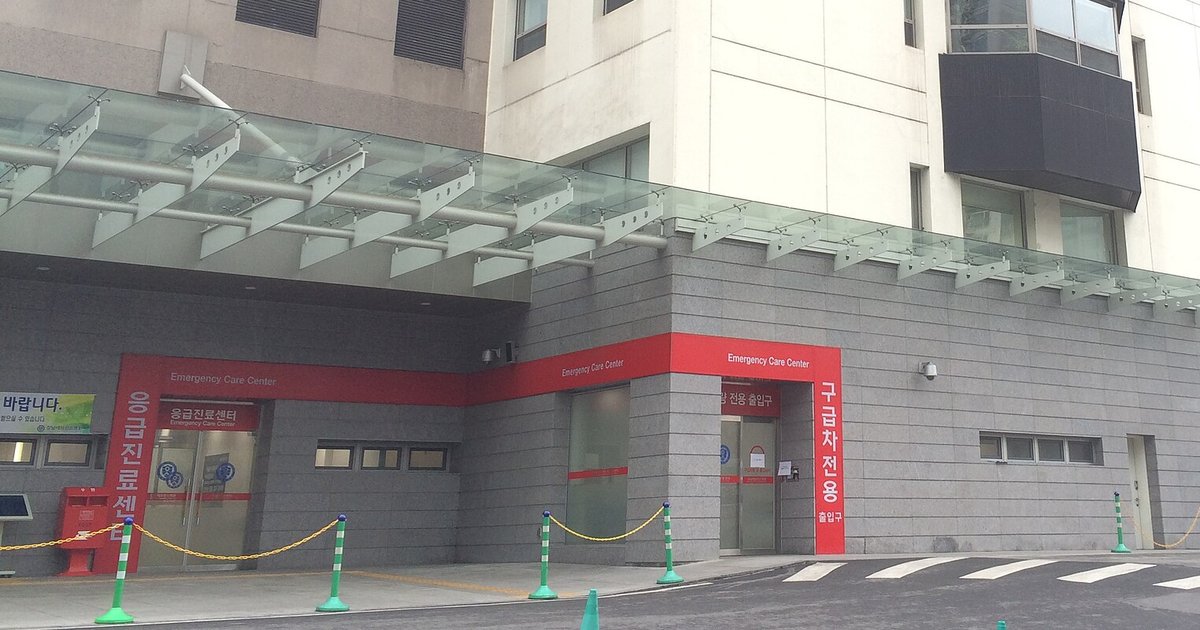
Korean national health insurance covers foreigners only after six months of residence, so as a tourist you pay the full bill wherever you’re treated, at prices each hospital sets for itself. The 119 ambulance is the exception: it’s free. Most of what goes wrong for visitors is picking the wrong place: a convenience store sells only 13 designated medicines, the big hospitals’ international clinics need an appointment and keep office hours, and the English medical certificate your insurer wants is easiest to get while you’re still in the consulting room. This page goes in that order: where to go, how to pay, which numbers have English, and what paperwork to collect before you walk out. The Korean names of each document are included so you can point at them at the front desk.
- No Korean insurance for tourists: you pay in full; ask the hospital for an estimate.
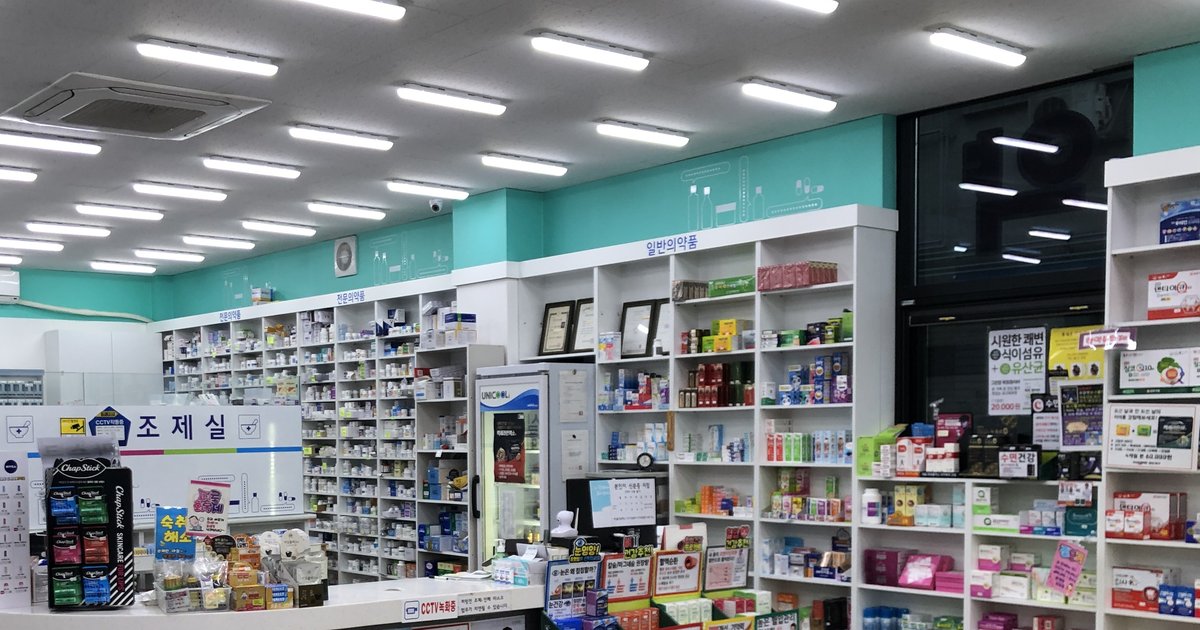
- Minor problem: convenience store (13 medicines only, nothing for diarrhea) or a pharmacy (약국).
- Daytime: a local clinic (의원). International clinics at big hospitals need an appointment and close at 17:30.
- Emergency: an ER, or call 119. The ambulance is free.
- English help: the 1330 Korea Travel Helpline. 1339 is a disease information line, not for ambulances.
- Before you leave the hospital: receipt, itemized bill and an English medical certificate.
Contents
- Who this is for
- Key facts
- Can tourists use Korean health insurance?
- Where to go
- Convenience store medicine
- Pharmacies and prescriptions
- At night and on holidays
- International clinics
- 119 ambulance
- Numbers with English
- Documents for your insurer
- Your situation
- Common mistakes
- FAQ
- If it were me
- Official sources
Who this is for
Travelers who fall ill or get hurt during a short trip to Korea, and anyone who wants to know beforehand how it would work.
- You’re in Korea, feeling unwell, and unsure whether a pharmacy or a hospital is the right first stop.
- You’re traveling with children and want to know where to go if one gets a fever at night.
- You want to know what to collect from a Korean hospital for a travel insurance claim.
You can skip it if:
- You’re planning cosmetic procedures or a health checkup. This page is about falling ill on a trip.
- You want to bring your own medicine into Korea. That’s in which medicines you can bring into Korea.
- You want to know how serious a symptom is. This page covers where to go and how to pay, not diagnosis.
Key facts
| Korean health insurance | Not available to tourists; you pay the full bill |
|---|---|
| What a visit costs | Set by each hospital; ask for an estimate |
| Emergency number | 119, by call or text; the ambulance is free |
| Travel helpline with English | 1330 (from abroad +82-2-1330) |
| Find a night ER or pharmacy | E-Gen (e-gen.or.kr); search is Korean only |
| Take before you leave | Receipt, itemized bill, English medical certificate |
Can tourists use Korean national health insurance?
No. You pay the whole bill, and there’s no public price list to check. The National Health Insurance Service enrolls foreigners who have lived in Korea for more than six months; marriage visa (F-6) holders are the exception and can join from the day they arrive. A visitor on a short trip is outside the system, so you pay up front and claim from your own travel insurance afterward.
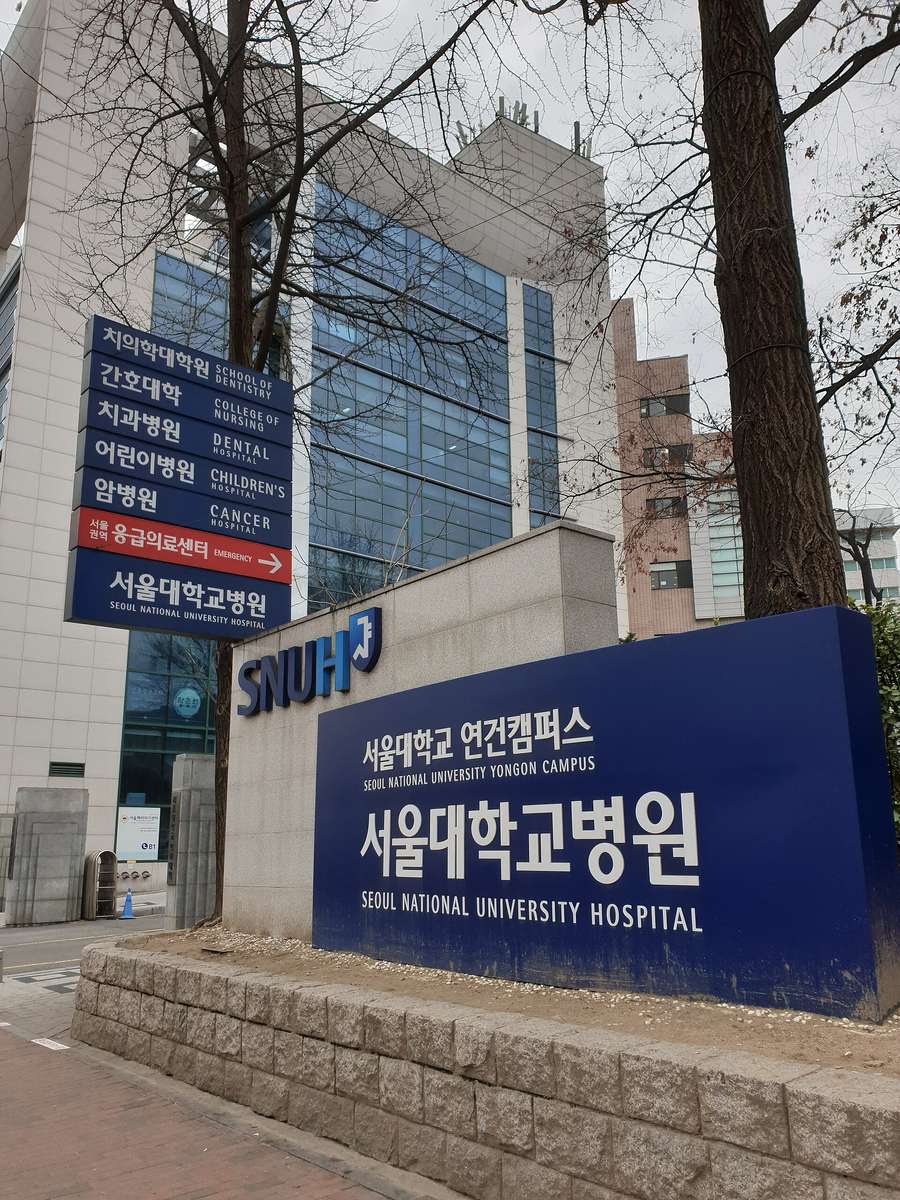
Prices depend on the hospital. To get an idea first, ask: the international centers at Seoul National University Hospital (SNUH) and Severance Hospital both say they can give a cost estimate in advance.
If you’re worried an ER will turn away a foreigner, Korean law says otherwise: foreigners staying in Korea also have the right to emergency medical care without discrimination.
Where should I go when I’m sick in Korea?
Minor problem: convenience store or pharmacy. Daytime: a clinic. Urgent: an ER. Someone collapsed or unconscious: call 119. The international clinic is a booked, weekday-daytime service for when it isn’t urgent and you want help in English. The last column decides whether you’ll have anything to claim with.
| Where | Hours | Appointment | Paperwork for insurance |
|---|---|---|---|
| Convenience store | 24 hours | No | Hard to claim without a receipt |
| Pharmacy (약국) | Varies by store | No | Pharmacy receipt |
| Clinic (의원) | Varies | — | Receipt, itemized bill, medical certificate |
| International clinic at a big hospital | Weekday daytime (SNUH 9:00–17:30) | Yes | Same; ask the center for English receipts |
| ER (응급실) | 24 hours | No | Receipt, itemized bill, medical certificate |
| 119 | 24 hours | No | Free |
What medicine can I buy at a Korean convenience store?
Only 13 items designated by the government, in four groups: pain and fever, colds, digestion, and patches. Nothing for diarrhea. These are called safe household medicines (안전상비의약품), and only 24-hour stores registered to sell them carry them, so not every convenience store has them. The Korean names are below; show the screen to the staff.
| Group | Items (Korean name, pack size) |
|---|---|
| Pain and fever | Korean Tylenol, 타이레놀정 500mg (8 tablets) and 160mg (8 tablets); children’s 어린이용타이레놀정 80mg (10 tablets); 어린이타이레놀현탁액 (children’s suspension, 100 ml); 어린이부루펜시럽 (children’s ibuprofen syrup, 80 ml) |
| Colds | 판콜에이내복액 (oral liquid, 30 ml × 3 bottles); 판피린티정 (3 tablets) |
| Digestion | 베아제정 and 닥터베아제정 (3 tablets each); 훼스탈골드정 and 훼스탈플러스정 (6 tablets each) |
| Patches | 신신파스아렉스 and 제일쿨파프 (4 patches each) |
Two rules at the till: one pack per item per purchase, and the store can’t sell to a child under 12. That rule is about children buying for themselves; an adult can buy children’s medicine for them.
What can a Korean pharmacy sell without a prescription?
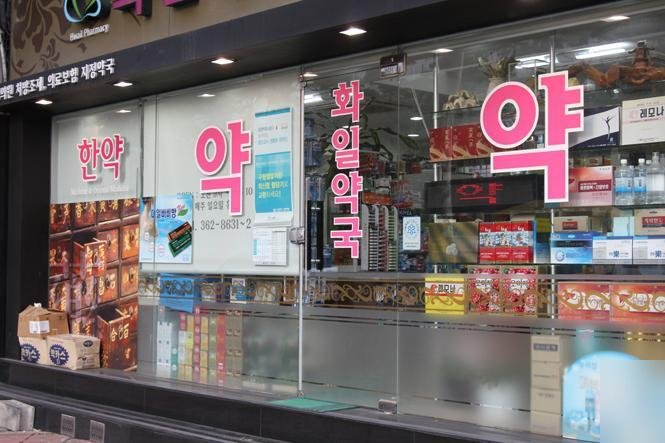
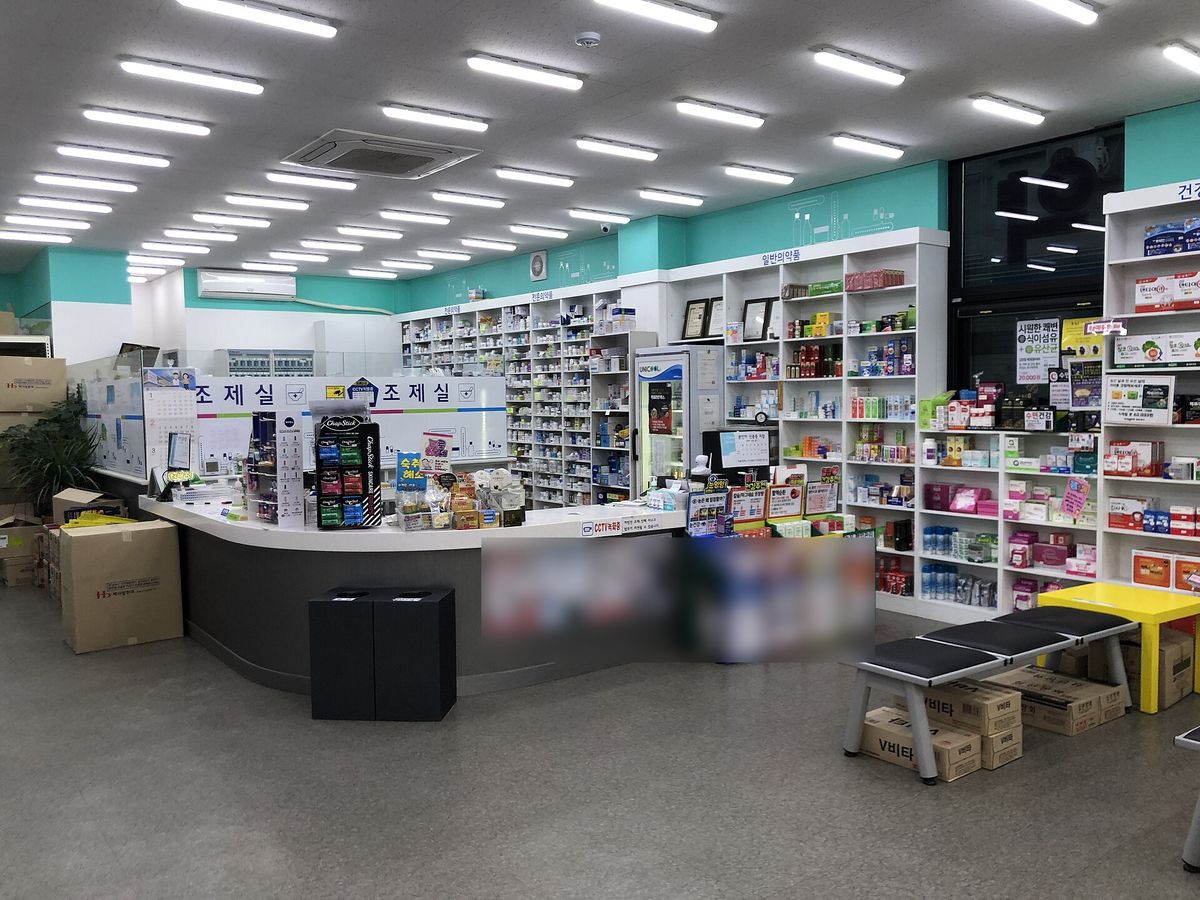
Over-the-counter medicines, yes; prescription medicines need a doctor’s prescription. Korea separates prescribing and dispensing: the doctor writes a prescription, you take it to a pharmacy, and you pay for the medicine there, separately from the clinic bill. Ask for the pharmacy receipt (약제비 계산서·영수증) if you plan to claim.
Where is a pharmacy or ER open at night in Korea?
Search E-Gen, run by the National Emergency Medical Center, but its search is in Korean only. The menu items to tap on e-gen.or.kr:
| E-Gen menu | What it finds |
|---|---|
| 응급실 찾기 | ERs |
| 약국 찾기 | Pharmacies, including a downloadable list of those open after 22:00 |
| 달빛어린이병원 | “Moonlight children’s hospitals”: pediatric clinics open at night and on holidays |
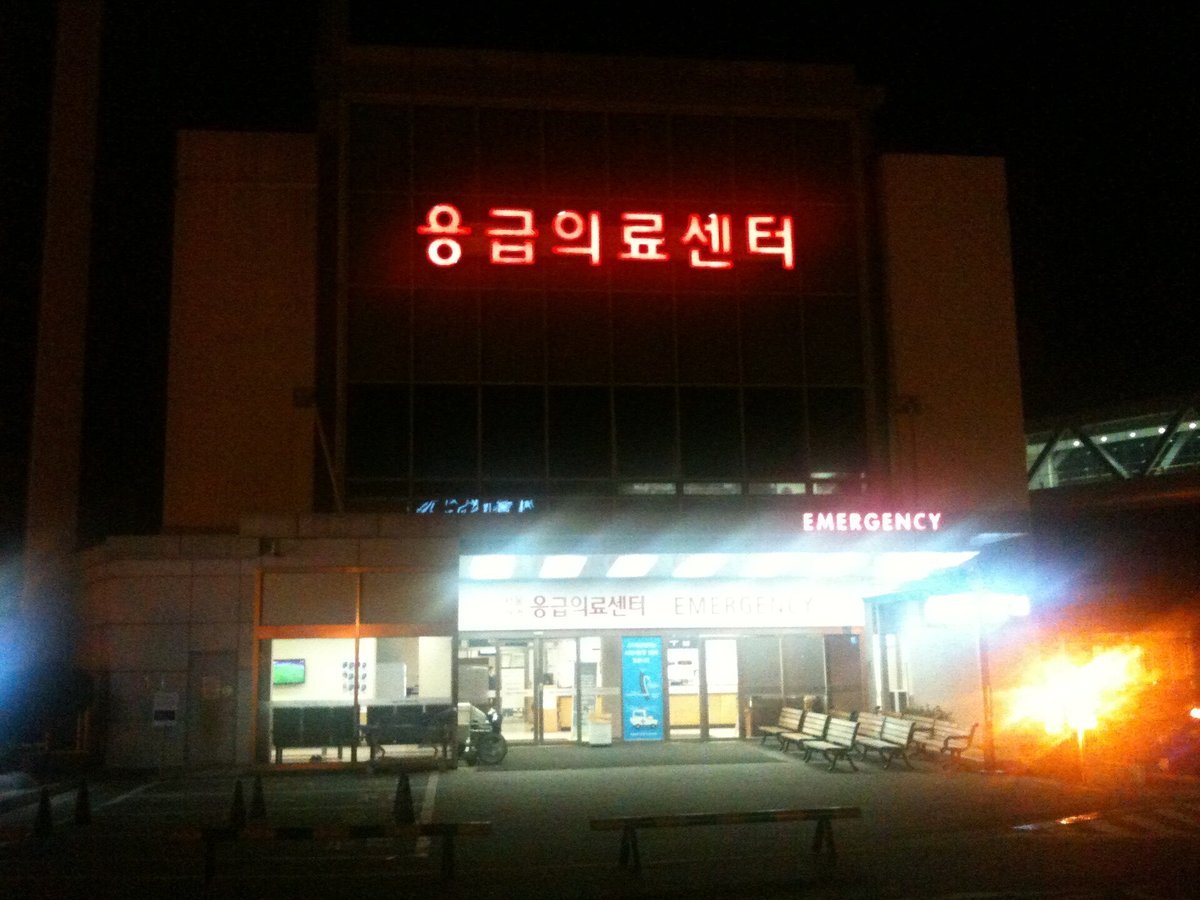
There’s also an app, 응급똑똑, where you enter symptoms and it lists places that can see you now; it’s in Korean as well. Late-night pharmacies and night pediatric clinics change their hours, so phone before you go. If you can’t manage the Korean, call 1330 and ask them to help.
Can I walk into a hospital’s international clinic in Seoul?
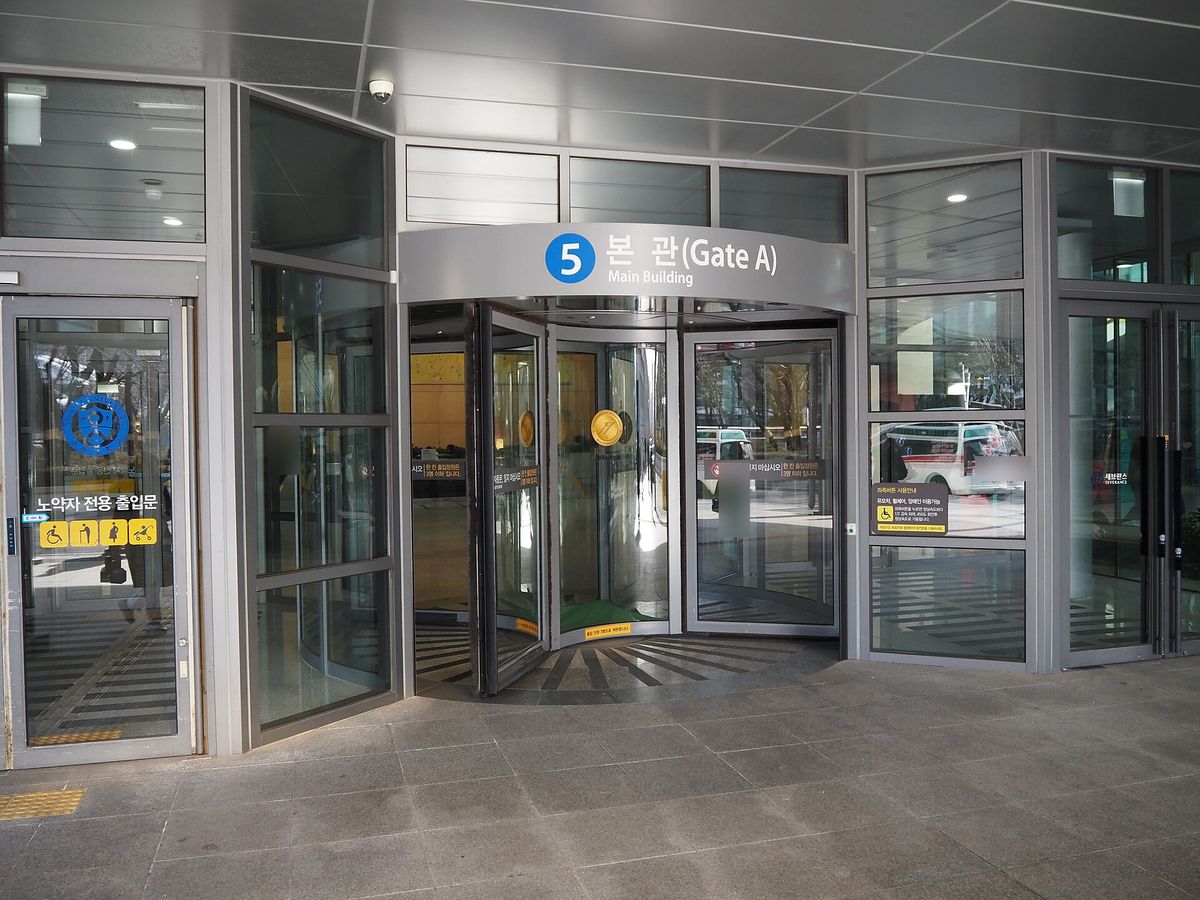
No. Book ahead, and only on weekdays in office hours. What they offer is staff who speak your language, a cost estimate before treatment and English paperwork. For anything urgent at night or on a weekend, go to the ER.
| SNUH International Healthcare Center | Severance Hospital International Health Care Center | |
|---|---|---|
| Hours | Mon–Fri 9:00–17:30, closed on public holidays | — |
| Phone | +82-2-2072-0505 | — |
| Languages | English, Chinese, Mongolian, Russian, Arabic | Appointment page lists Japanese, Chinese and Russian besides English |
| Booking | Required; the center replies with a treatment plan and cost estimate, then confirms a date | Required |
| Paying | English receipts on request; cashless billing in coordination with embassies and international insurers | Direct billing for insurers and institutions with a contract with the hospital; others pay first |
| Out of hours | 24-hour emergency contact service | — |
Direct billing only works if your insurer has an agreement with that hospital. Before you fly, ask your insurer whether it has a direct-billing hospital in Seoul; if not, plan on paying and claiming afterward.
Is the 119 ambulance free? What do I say?
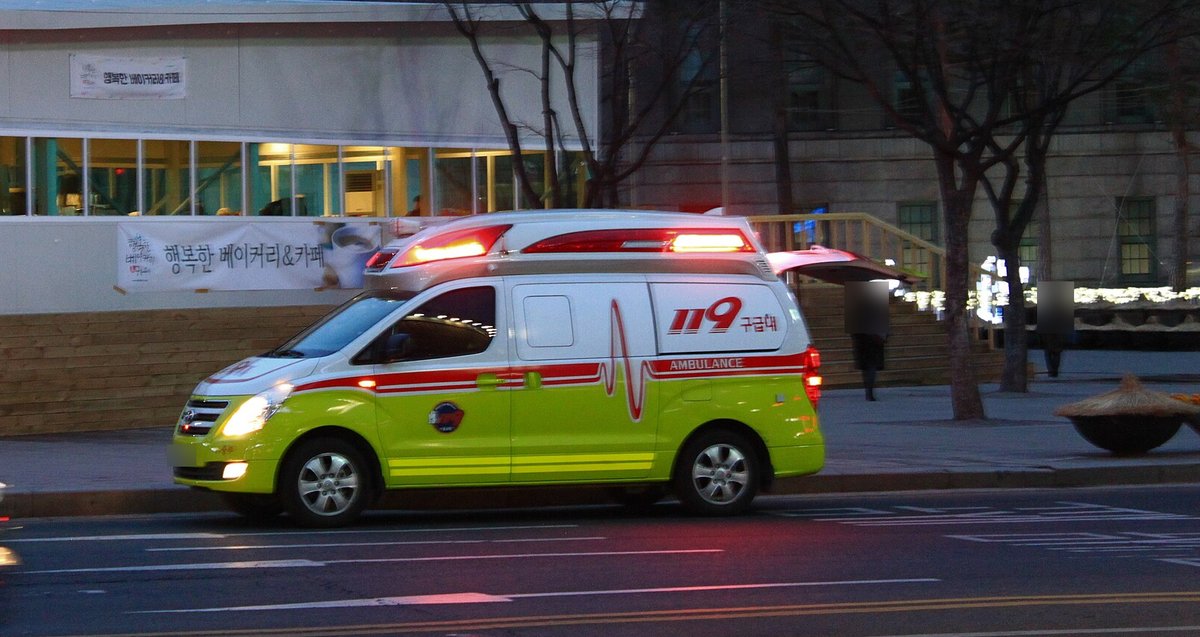
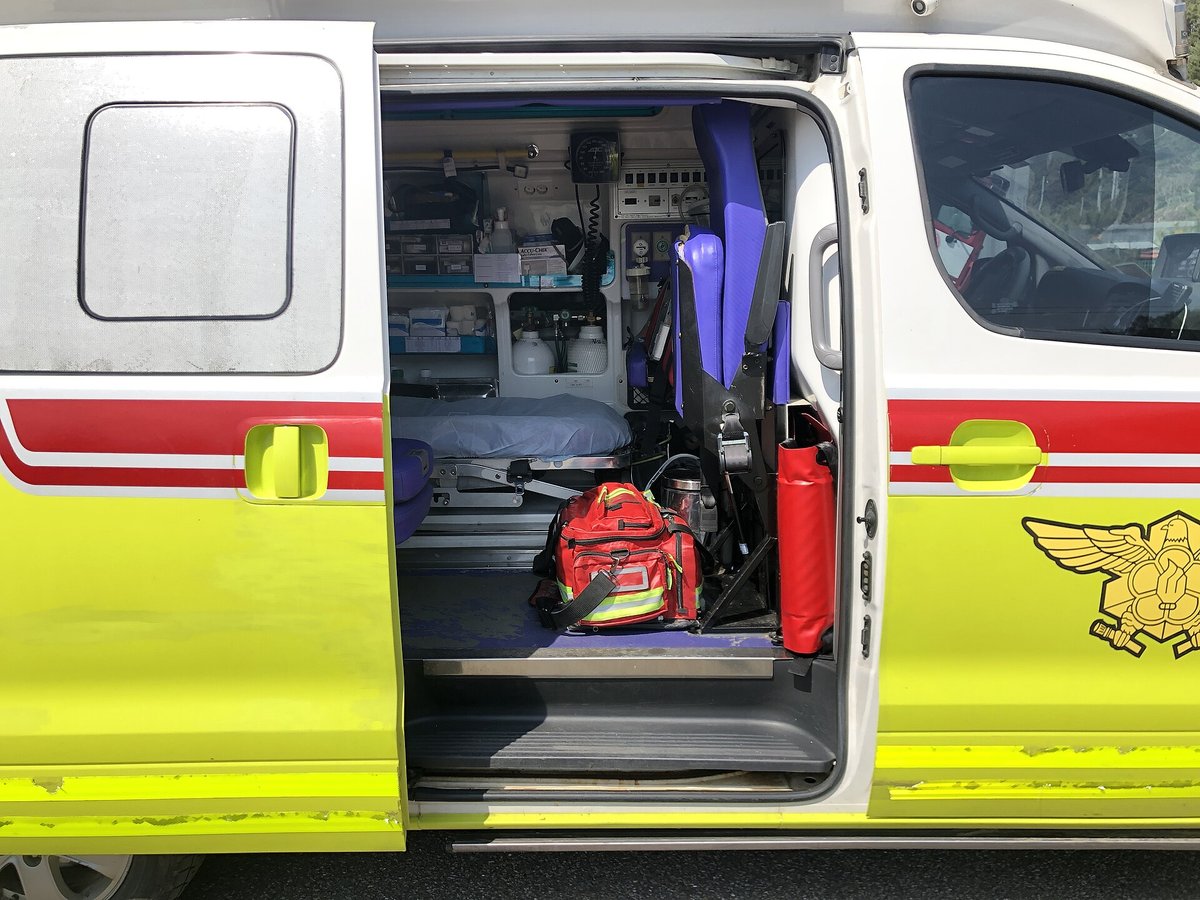
Free, whatever the distance or number of patients, anywhere in Korea, and it comes for emergencies. Foreigners can call 119 or send a text message (SMS or MMS), which helps if you can’t speak or can’t follow a call in Korean.
When you call, give these in order:
- There’s a patient here.
- The address. If you don’t know it, name a nearby building and its phone number, and turn on your phone’s GPS.
- The symptoms, and whether the person is conscious and breathing.
- Age and any chronic illness.
- Your name and a second phone number.
- Stay on the line and follow instructions.
Don’t count on an English-speaking operator at 119. If you can’t explain in Korean, text 119, or ask 1330 to help.
For a non-emergency transfer, such as moving from one hospital to another, you call a hospital or private ambulance, and those charge rates set by law:
| Run by a medical institution | Run by a non-profit | |
|---|---|---|
| Standard ambulance, first 10 km | ₩40,000 | ₩26,600 |
| Standard, each km over 10 | ₩1,500 | ₩1,000 |
| Special ambulance, first 10 km | ₩95,500 | ₩63,600 |
| Special, each km over 10 | ₩2,300 | ₩1,500 |
| Night and holiday surcharge | Weekdays 18:00 to 09:00, Saturdays and public holidays: 20% on the base and distance fares | |
| Waiting | From 30 minutes after reaching the hospital, ₩6,000 per 10 minutes | |
Which numbers in Korea have English?
1330 for a travel helpline in English; 119 for an ambulance; 1339 only for disease questions, through an interpreter.
| Number | What it is |
|---|---|
| 119 | Emergency and ambulance, free; you can also text |
| 1330 | 1330 Korea Travel Helpline, run by the Korea Tourism Organization. Dial 1330 in Korea or +82-2-1330 from abroad; also web live chat and KakaoTalk. Languages include English, Japanese, Chinese, Russian, Thai, Vietnamese and Indonesian/Malay |
| 1339 | Korea Disease Control and Prevention Agency call center: disease information and suspected infectious disease, 24 hours, free. Foreigners are connected through 1330 or 1345 on a three-way call |
| 1345 | Ministry of Justice information center for foreigners (외국인종합안내센터); English 09:00–22:00 |
If you lose your passport or need consular help, contact your own country’s embassy in Seoul. Other ways to get phone interpretation in Korea are in who to call if you don’t speak Korean.
What paperwork do I need from a Korean hospital for insurance?
The receipt, the itemized bill and an English medical certificate, and ask for the certificate while you’re still with the doctor. Your claim depends on these, and going back for a missing one is hard once you’ve left Korea. Point at the Korean when you ask:
| Document | Korean (show this at the desk) |
|---|---|
| Receipt | 진료비 계산서·영수증 |
| Itemized bill | 세부내역 |
| English medical certificate | 영문 진단서 |
| Discharge summary | Inpatients only |
| Pharmacy receipt | 약제비 계산서·영수증 |
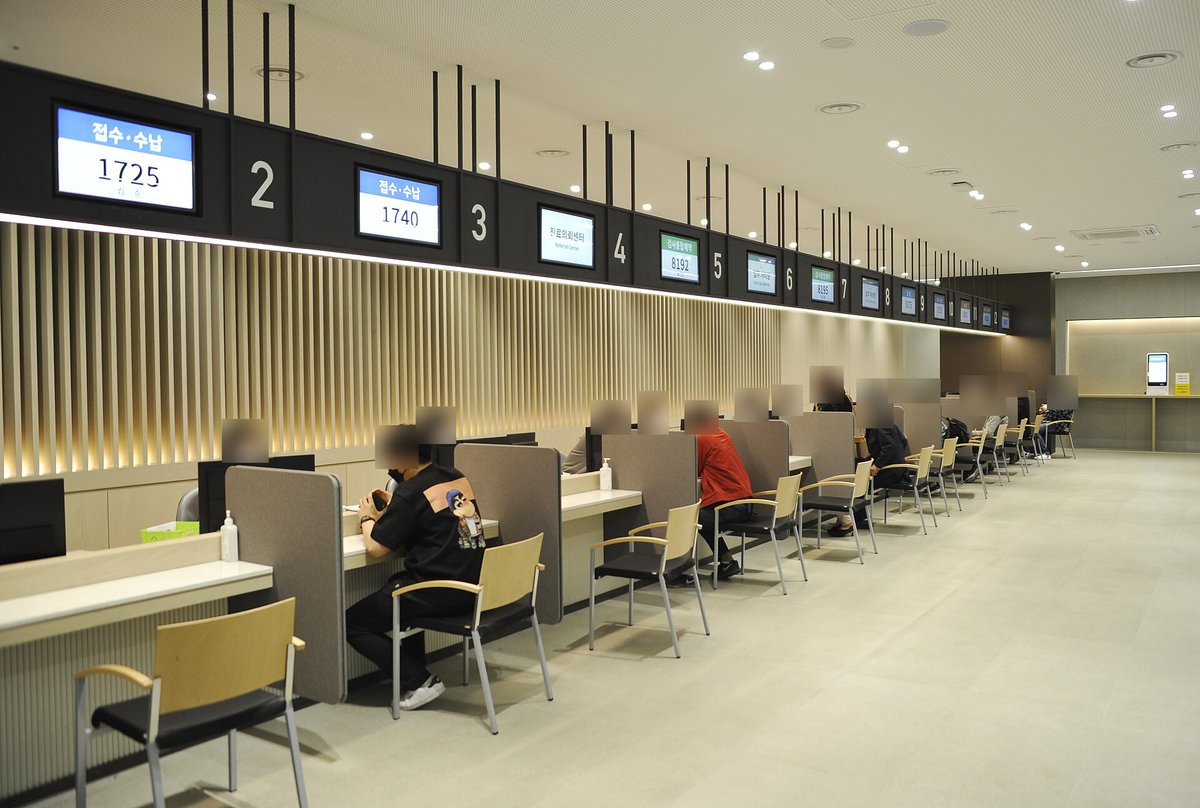
Why ask during the visit: at SNUH, a certificate requested afterward means booking another outpatient appointment, and nobody but the patient can collect it. Certificates cost extra, at a fee each hospital sets within a government cap.
Ask for an extra copy of the receipt and have the hospital stamp it as matching the original. Whether your insurer accepts a stamped copy depends on the policy, and which documents it needs and by when is in your policy wording, so check it before you fly.
Your situation
If it’s 11 p.m. and you have a sore throat and a mild fever
Try a convenience store that sells household medicines: Tylenol for the fever, 판콜에이내복액 or 판피린티정 for a cold. For anything else, use E-Gen’s 약국 찾기 to find a pharmacy open after 22:00, and phone before you walk over.
If you have diarrhea that won’t stop
Convenience stores don’t sell anything for it, so it’s a pharmacy. If none is open at night, go to an ER.
If you twist an ankle during the day
Find a nearby clinic; orthopedics is 정형외과. Ask the doctor for the English medical certificate before you leave the room, then collect the receipt and itemized bill at the desk.
If a child gets a fever at night
Look up a 달빛어린이병원 (night pediatric clinic) on E-Gen and phone first to make sure it’s still seeing patients. For children’s fever medicine, an adult goes to the convenience store; a child under 12 can’t buy it alone.
If someone collapses and won’t wake
Call 119. Say there’s a patient and the address first, then the symptoms and whether they’re breathing. Stay on the line.
Common mistakes
- Not asking for the medical certificate during the visit. At SNUH, getting one later takes another appointment.
- Leaving with only one receipt. Ask for a stamped copy as well, in case two claims need it.
- Looking for diarrhea medicine at a convenience store. It isn’t on the list; go to a pharmacy.
- Calling 1339 for an ambulance. It’s a disease information line; the ambulance is 119.
- Treating an international clinic like an ER. It’s weekdays, office hours, by appointment.
- Heading to a late pharmacy or night pediatric clinic without calling. Hours change; phone first.
FAQ
- Q1: Can tourists use Korean national health insurance?
- No. Foreigners can join only after living in Korea for more than six months, so a tourist pays the full bill at clinics, pharmacies and ERs. Prices are set by each hospital; ask for an estimate first.
- Q2: Is an ambulance free in Korea?
- Yes, the 119 ambulance is free anywhere in the country, whatever the distance, and it’s for emergencies. A non-emergency transfer by hospital or private ambulance is charged at legal rates.
- Q3: What medicine can I buy at a Korean convenience store?
- Only 13 designated items: Tylenol-type pain and fever tablets and children’s syrups, two cold remedies, four digestion tablets and two pain patches. There’s nothing for diarrhea, and only registered 24-hour stores sell them. Anything else means a pharmacy.
- Q4: Can I walk into a hospital’s international clinic in Seoul?
- No, you need an appointment. Seoul National University Hospital’s International Healthcare Center is open weekdays 9:00 to 17:30 and replies with a treatment plan and cost estimate before confirming a date. At night or on weekends, go to an ER.
- Q5: Does 119 in Korea have English?
- Don’t count on it; plan as if you’ll need Korean. You can call 119 or text it (SMS or MMS). If you can’t explain in Korean, send a text or ask the 1330 Korea Travel Helpline to help.
- Q6: What is 1339 in Korea?
- The disease information line of the Korea Disease Control and Prevention Agency, not an ambulance number. It’s free and open 24 hours. If you don’t speak Korean, they connect you through 1330 or 1345 on a three-way call.
- Q7: What documents do I need from a Korean hospital for my travel insurance?
- The receipt, the itemized bill and an English medical certificate, asked for before you leave. Ask the doctor for the certificate during the visit; getting it later can mean another appointment. Check your policy for the full list.
If it were me
Before the trip I’d do two things: check that my travel policy covers sudden illness abroad and note which documents it wants, and save 119 and 1330 in my phone. If I needed a doctor in Korea during the day, I’d go to the nearest clinic rather than wait for an international clinic appointment; I’d only book one for follow-up visits or a hospital stay. Wherever I went, I’d ask for the English certificate, the receipt plus a stamped copy and the itemized bill before paying, because that’s the step that’s hardest to fix later. Traveling with children, I’d bookmark E-Gen’s night pediatric clinic page on day one.
Official sources
- National Health Insurance Service: foreigners’ eligibility (English)
- Ministry of Government Legislation: convenience store medicine list (Korean)
- Ministry of Government Legislation: 119 and private ambulance fares (Korean)
- E-Gen, National Emergency Medical Center (Korean; ERs, pharmacies, night pediatric clinics)
- KDCA: 1339 call center (Korean)
- SNUH International Healthcare Center (English)
- Severance Hospital International Health Care Center: billing (English)
Prices and times follow the latest official announcement.
Read next
Verified
 Current
Bringing Medication Into Korea 2026: 3-Month Rule, Banned Drugs
From November 12, 2026, medicine prescribed or bought through your country’s normal medical system can be carried into Korea up to 6 bottles in total, or a 3-month supply if more; foreigners are covered. Controlled ingredients are unchanged: no dextromethorphan or codeine, and sleeping pills, anti-anxiety and ADHD drugs need an MFDS permit applied for online before travel.
Verified
 Current
Korea Lost and Found 2026: Who to Call, Where to Search
Call the operator first: Seoul and Busan subway lost and found centers open weekdays 09:00–18:00, and items go to a police station after about 7 days, held there 6 months. Kakao T lets you call the driver for 14 days after the ride; Incheon Airport’s lost and found is open 07:00–21:30 daily. Search online at the police’s Minwon24, no login needed.