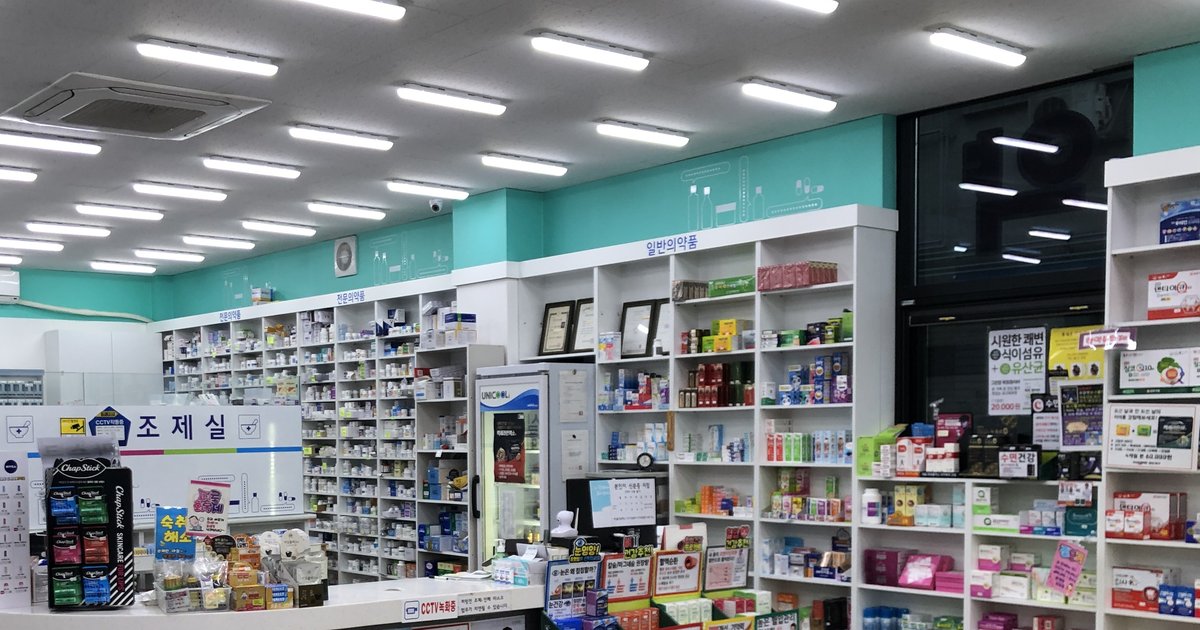
Since November 12, 2026, medicine prescribed or bought through the normal medical system in your own country, and approved by its drug regulator, can be carried into Korea up to 6 bottles in total, or a 3-month supply if that’s more. Korea’s Ministry of Food and Drug Safety (MFDS) and the Korea Customs Service announced it after travelers’ prescriptions kept being held at customs, and they named foreigners and students bringing their regular medicine as covered. What hasn’t changed is the list of controlled ingredients. Korea regulates ingredients, not brands: cough medicine with dextromethorphan or codeine stays at home, and sleeping pills, anti-anxiety drugs and ADHD medication still need an MFDS permit before you fly. Throughout, “controlled” means an ingredient on Korea’s narcotics control list.
- How much: 6 bottles in total; over 6, a 3-month supply. Applies to your foreign prescriptions from November 12, 2026.
- Check the ingredient, not the brand. Dextromethorphan and codeine: don’t bring.
- Sleeping pills, anti-anxiety and ADHD drugs: MFDS permit online before travel, then declare on arrival.
- Paracetamol and ibuprofen on their own: fine.
- Melatonin: don’t bring.
- Erectile dysfunction drugs, furosemide: declare, with prescription and doctor’s note.
Contents
- Who this is for
- Key facts
- How much you can bring
- Checking your medicine’s ingredients
- Cold and cough medicine
- Painkillers
- Sleeping pills, anxiety and ADHD drugs
- Erectile dysfunction drugs and furosemide
- Supplements, melatonin and herbal medicine
- Declaring at customs
- Penalties
- Your situation
- Common mistakes
- What I would do
- FAQ
- If it were me
- Official sources
Who this is for
Anyone flying into Korea with medicine of any kind, from a few painkillers to a three-month supply of a regular prescription.
- You take a prescription drug daily and want to bring enough for the trip.
- You pack a cold and flu kit and aren’t sure which bottles are allowed.
- You take a sleeping pill, an anti-anxiety drug or ADHD medication.
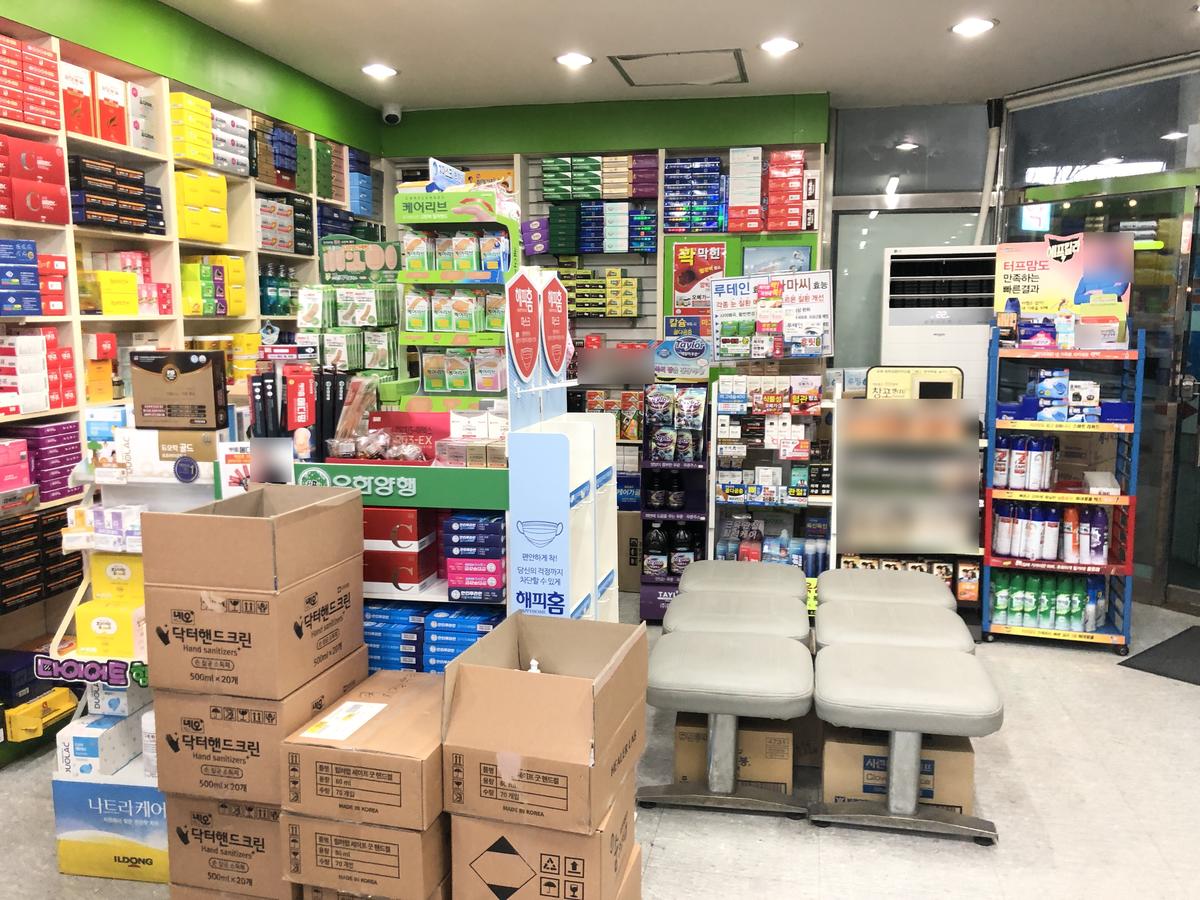
You can skip most of it if you’re only bringing a few single-ingredient painkillers. Korean pharmacies sell common medicine over the counter, so packing light is an option.
Key facts
The quantity rule and the ingredient rule are separate checks; a medicine has to pass both.
| Who it applies to | Every traveler entering Korea, any nationality |
|---|---|
| Quantity | 6 bottles in total; over 6 bottles, a 3-month supply by the dosage instructions |
| Foreign prescriptions | Covered from November 12, 2026, if prescribed or bought through your country’s normal medical system and approved by its drug regulator |
| What Korea regulates | Ingredients on its narcotics control list, including in combination products |
| Don’t bring | Dextromethorphan, codeine, dihydrocodeine; most EVE painkillers from Japan; melatonin supplements |
| Permit needed | Controlled sleeping pills, anti-anxiety drugs, ADHD drugs, phentermine |
| Permit from | MFDS, online at Drug Safety Korea, before travel |
| Declare | Permitted controlled drugs; erectile dysfunction drugs; furosemide |
How much medicine can I bring into Korea?
6 bottles in total; if you need more than 6, up to a 3-month supply by the dosage instructions. From November 12, 2026, that includes medicine prescribed or bought abroad. Before the change, travelers’ prescriptions were often held at customs. The new measure covers medicine prescribed or bought through the normal medical system in the country where you got it and formally approved by that country’s drug regulator, and it names three cases: Koreans returning with medicine they take, foreigners and students bringing medicine they were already taking abroad, and medicine prescribed or bought while traveling abroad.
| Over-the-counter medicine | Unchanged: 6 bottles in total, over 6 a 3-month supply |
|---|---|
| Prescription medicine from abroad | Same limit, from November 12, 2026 |
| Korea’s example | A GLP-1 weight-loss injection used once a week: a 3-month supply is 12 |
| Still checked separately, even within the limit | Packaging without a clear ingredient list; ingredients covered by CITES such as musk; items MFDS has banned; single-ingredient OTC products such as pseudoephedrine |
| Not changed by this measure | Controlled ingredients still need a permit (see below) |
Keep medicine in its original packaging, in your carry-on, with an English prescription from your doctor for both prescription and non-prescription items. For liquid medicine over 100 ml at airport security, see Korea’s airport liquids rules.
How do I check whether my medicine is allowed?
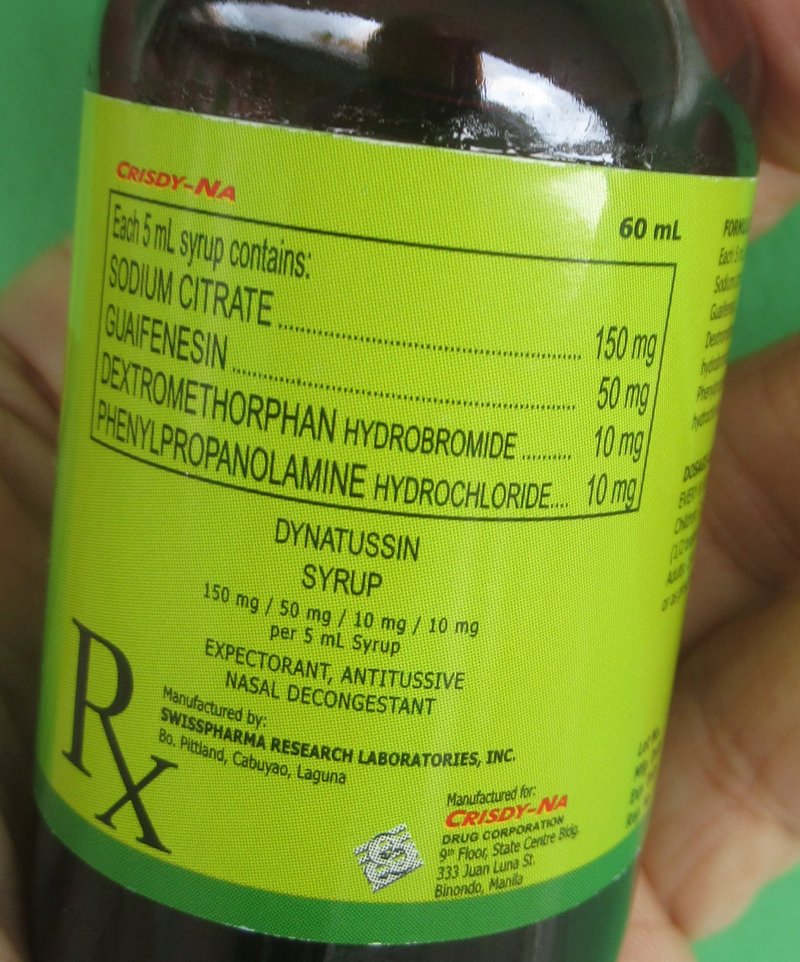
Turn the box over and read the active ingredients; Korea’s narcotics control law lists ingredients, and combination products containing them count too. Some combination products are exempted, but only item by item after an MFDS review, and medicine bought abroad doesn’t have that exemption.
| Ingredient | Korea’s classification | What to do |
|---|---|---|
| Dextromethorphan | Psychotropic | Don’t bring |
| Codeine, dihydrocodeine | Narcotic | Don’t bring |
| Allylisopropylacetylurea (in most EVE painkillers) | Psychotropic | Don’t bring |
| Zolpidem, alprazolam, clonazepam, diazepam, lorazepam, zopiclone | Psychotropic | Permit before travel |
| Methylphenidate, amphetamine, lisdexamfetamine | Psychotropic | Permit before travel |
| Phentermine (weight loss) | Psychotropic | Permit before travel |
| Pseudoephedrine, ephedrine | Precursor, not a narcotic | Single-ingredient products checked separately; combination cold medicine treated as ordinary medicine |
| Acetaminophen (paracetamol), ibuprofen, atomoxetine | Not controlled | Ordinary medicine |
Can I bring cold and cough medicine?
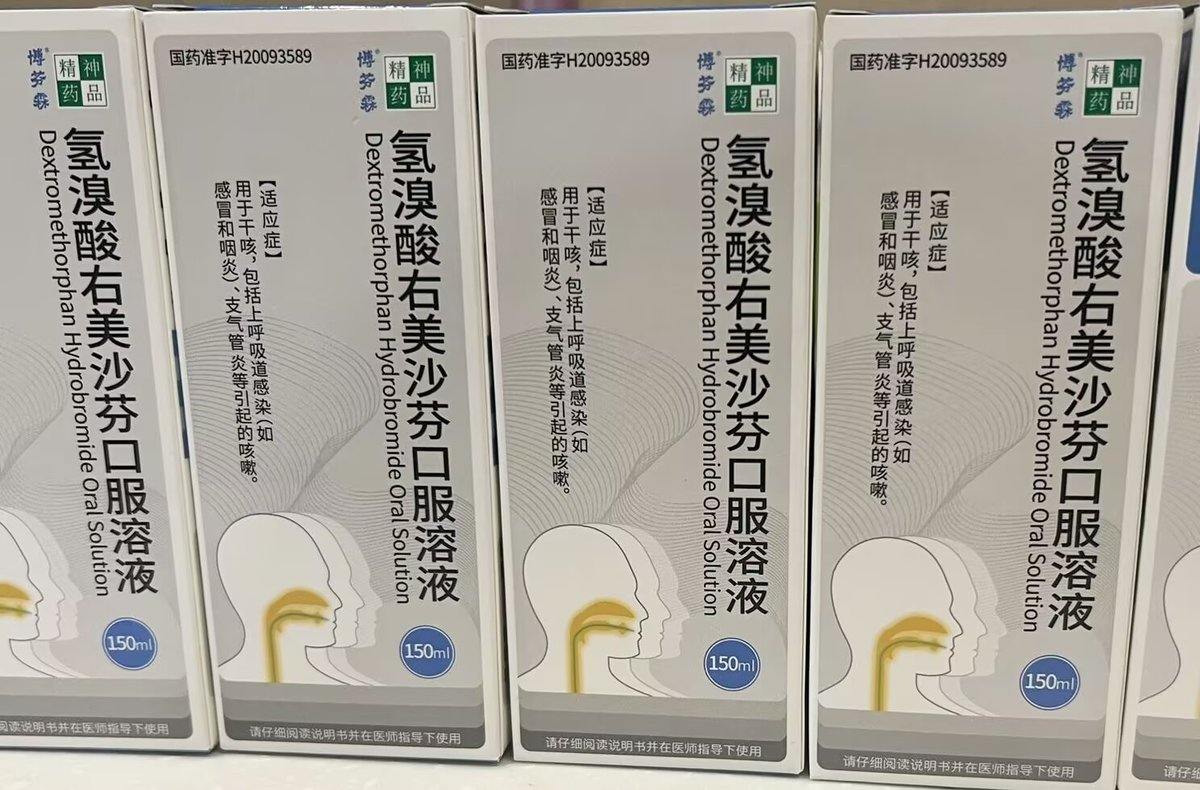
Not if it contains dextromethorphan or codeine; otherwise yes, within the quantity limit. The Korea Customs Service named “US cold medicine containing dextromethorphan” as banned from entry in July 2025 and issued another release on the ingredient on November 5, 2026. Many cough and nighttime cold medicines contain dextromethorphan, so check the ingredient list on every box, and if you see either name, buy cough medicine at a Korean pharmacy instead.
Can I bring painkillers?
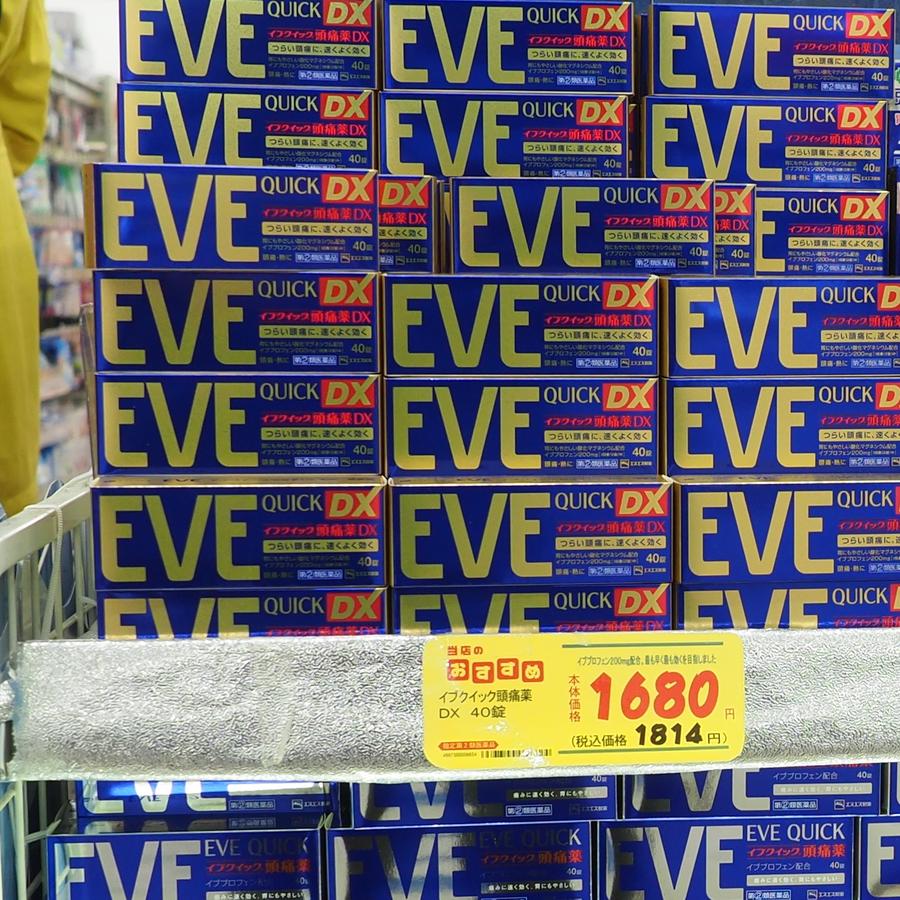
Single-ingredient acetaminophen (paracetamol) and ibuprofen, yes. Japan’s EVE painkillers, mostly no. EVE A, A EX, QUICK and QUICK DX contain allylisopropylacetylurea, a controlled sedative in Korea, and the Korea Customs Service named “Japanese painkillers containing” it in July 2025. EVE 3SHOT PREMIUM doesn’t list that ingredient and counts as ordinary medicine. This matters if you’re coming from Japan or bought medicine there on the way.
How do I bring sleeping pills, anti-anxiety or ADHD medication?
Apply online to MFDS for a Permit To Bring In Narcotics For Self-treatment before you travel; every nationality needs it. This covers the permit rows in the ingredient table: zolpidem, alprazolam and similar, methylphenidate, amphetamine, lisdexamfetamine and phentermine. The November 12, 2026 quantity rule doesn’t replace it; that announcement deals with ordinary prescriptions and says nothing about controlled drugs, and the permit requirement in the law is unchanged. Atomoxetine isn’t controlled and needs no permit.
- Gather documents as PDFs: proof of entry and exit (your flight ticket), a document stating the drug name, quantity, length of stay and purpose of the trip, and a doctor’s diagnosis. Only PDF uploads are accepted.
- Apply on Drug Safety Korea (MFDS’s English site), menu “Permit To Bring In Narcotics For Self-treatment.” You verify by email; no account needed.
- Check every file before submitting. You can’t add documents after the application is sent.
- Apply as soon as your flights are booked. MFDS publishes no processing time; applications are handled once a case manager is assigned.
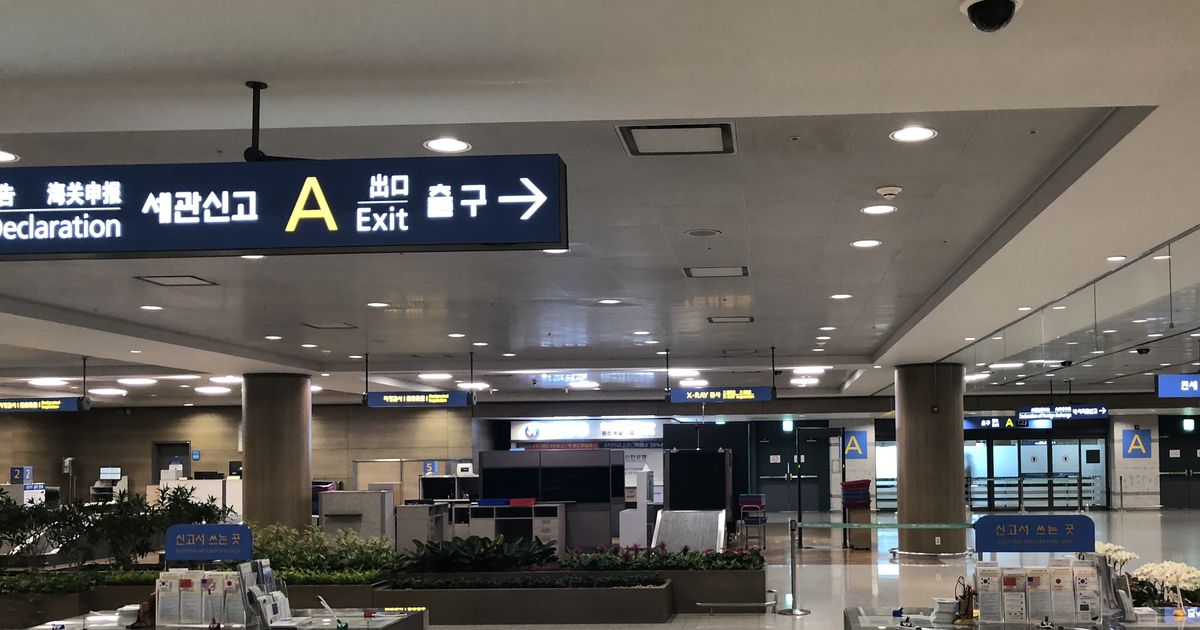
- Declare on arrival and carry the permit, the diagnosis and the prescription.
What about erectile dysfunction drugs and furosemide?
Declare them and carry the prescription and a doctor’s note. MFDS lists these as drugs with misuse concerns: sildenafil, tadalafil, vardenafil, udenafil, mirodenafil, avanafil, furosemide, dapoxetine, and oral or injected anabolic steroids. The customs self-use standard for this group says it releases only the quantity on a Korean doctor’s prescription, and the November 12, 2026 announcement doesn’t mention the group, so don’t assume the new rule covers it.
Can I bring supplements, melatonin or herbal medicine?
Supplements up to 6 bottles; melatonin, no; Chinese patent medicine like ordinary medicine.
| Health supplements | 6 bottles in total; more needs a Korean doctor’s opinion or similar |
|---|---|
| Melatonin | Named by the Korea Customs Service in July 2025 as banned from entry: don’t bring |
| Chinese patent medicine | Ordinary medicine: 6 bottles or a 3-month supply |
| Containing musk or bear bile | Don’t bring (CITES; must be declared and checked) |
| Raw herbal materials | Ginseng 300 g in total, other herbs 3 kg each, for personal use; plant quarantine applies |
Herbal materials count as farm products, so they also fall under the food and quarantine rules in what food you can bring into Korea.
Do I need to declare medicine at Korean customs?
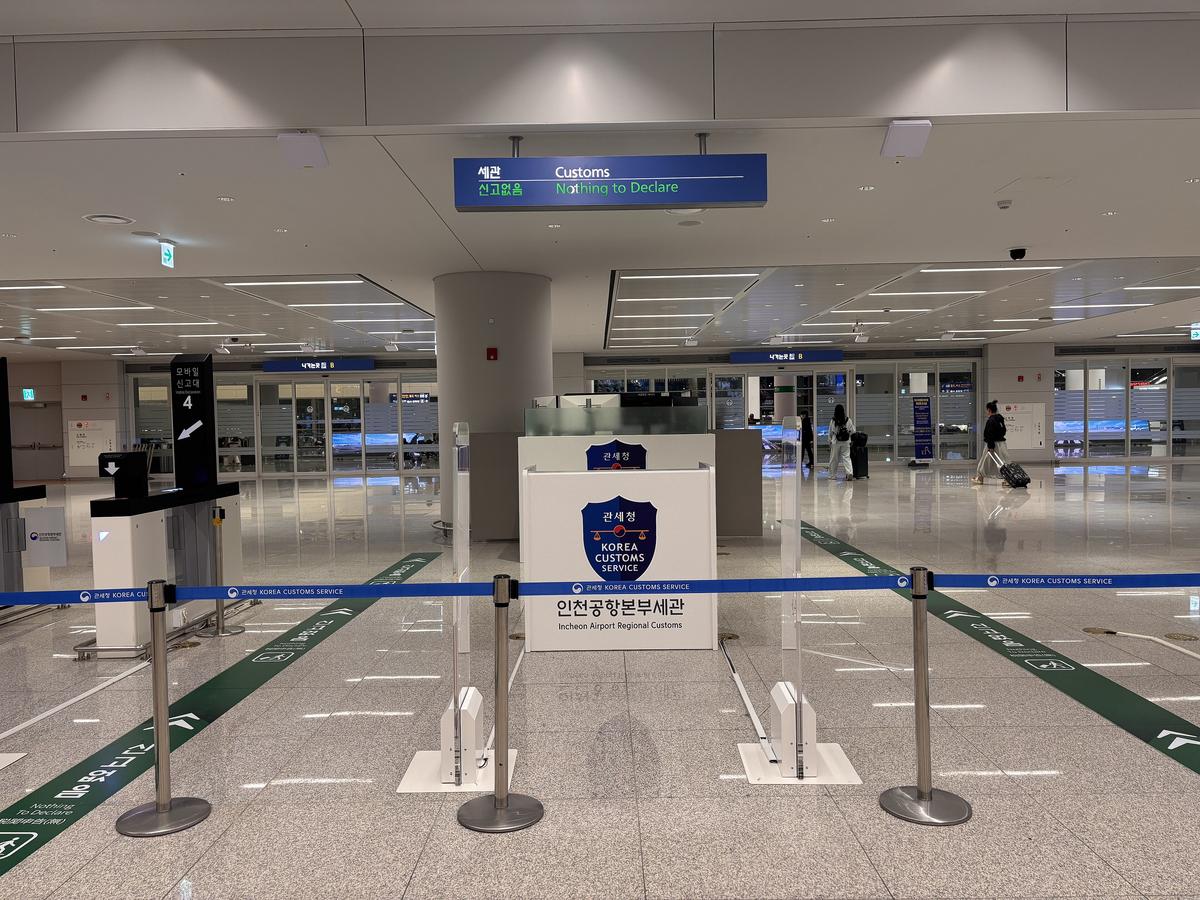
Only for controlled drugs you have a permit for, and for erectile dysfunction drugs, furosemide and similar.
| Ordinary or prescription medicine within 6 bottles (3-month supply), no controlled ingredients | No need to declare for the medicine |
|---|---|
| Psychotropics or narcotics with an MFDS permit | Declare; carry permit, diagnosis, prescription |
| Erectile dysfunction drugs, furosemide and similar | Declare; carry prescription and diagnosis |
If you’re also carrying gifts or alcohol, check Korea’s duty free allowance.
What happens if I bring a controlled drug?
The maximum penalties in the law are severe, which is why the advice is not to carry these drugs at all. Don’t count on confiscation being the end of it.
| Ingredient group | Article | Penalty |
|---|---|---|
| Narcotics (codeine and others) | Article 58 | Life, or 5 years or more in prison |
| Psychotropic, category “da” (allylisopropylacetylurea in EVE) | Article 59 | 1 year or more in prison |
| Psychotropic, category “ra” (dextromethorphan, zolpidem, alprazolam) | Article 60 | Up to 10 years in prison or a fine of up to ₩100,000,000 |
Your situation
If you take a daily prescription for a 10-day trip
Bring the original packs with the English prescription in your carry-on. Ten days is well within a 3-month supply, and since November 12, 2026, a foreign prescription is covered. Check the ingredient list once against the table above; if nothing matches, you don’t need to declare it.
If you take zolpidem or an ADHD stimulant
Apply for the MFDS permit the week you book your flights, with all documents as PDFs. Pack the permit, the diagnosis and the prescription with the medicine and use the declaration channel on arrival.
If your travel kit has a nighttime cold medicine
Read the label. If it lists dextromethorphan or codeine, take it out and plan to buy cough medicine at a Korean pharmacy. A plain paracetamol or ibuprofen pack can stay.
Common mistakes
- Judging by brand. Korea regulates ingredients, so check the label on every box.
- Assuming the new 3-month rule covers sleeping pills or ADHD drugs. Controlled drugs still need a permit.
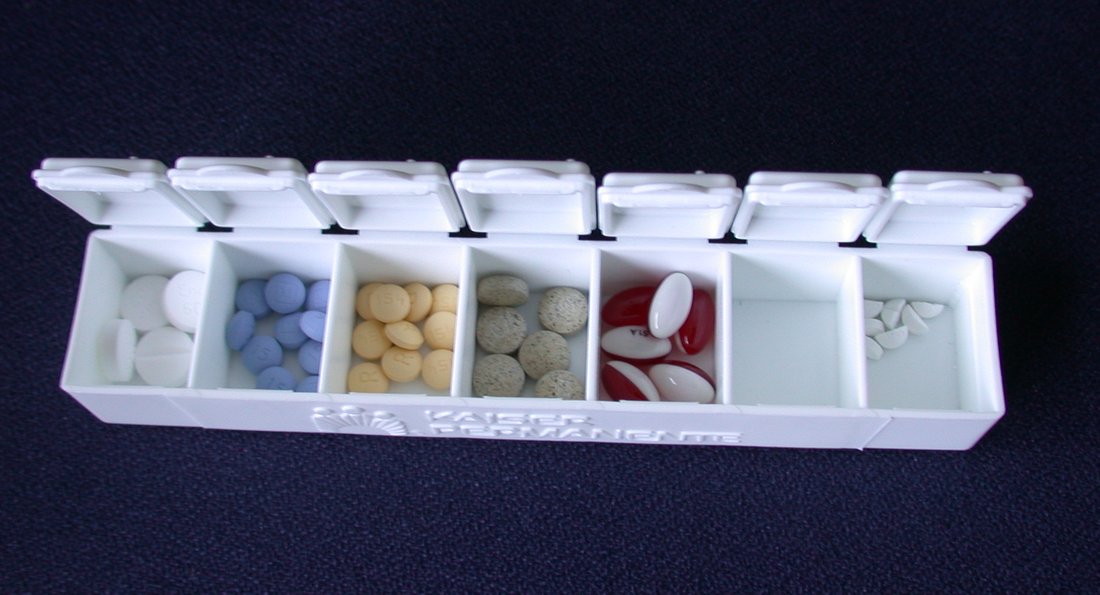
- Moving pills into an organizer. Without the label, customs can’t see the ingredients.
- Submitting the permit application with a missing file. You can’t add it later.
- Bringing melatonin. Customs has named it as banned.
- Bringing EVE from Japan. Four of the five versions contain a controlled sedative.
What I would do
| When | What to do |
|---|---|
| When booking flights | If anything needs a permit, apply on Drug Safety Korea right away |
| A week before | Read every ingredient list; remove dextromethorphan, codeine, EVE, melatonin |
| Packing | Original packaging, carry-on, English prescription; within 6 bottles or 3 months |
| On arrival | Nothing controlled: Nothing to Declare. Permit or ED drugs: declaration channel |
FAQ
- Q1: Can I bring my prescription medication into South Korea?
- Yes, up to 6 bottles in total, or a 3-month supply if that’s more than 6 bottles, from November 12, 2026. It must be prescribed or bought through the normal medical system in your country and approved by its drug regulator. If it contains a controlled ingredient, such as a sleeping pill or ADHD drug, you still need an MFDS permit before you fly.
- Q2: Can I bring GLP-1 weight-loss injections into Korea?
- Yes, up to a 3-month supply under the November 12, 2026 measure. Korea’s own example: for one self-injection a week, a 3-month supply is 12. Keep them in the original packaging with the prescription.
- Q3: Can I bring cough medicine with dextromethorphan to Korea?
- No. Dextromethorphan is a controlled psychotropic in Korea, and the Korea Customs Service has named cold medicine containing it as banned from entry. Leave it at home and buy cough medicine at a Korean pharmacy.
- Q4: Can I bring Tylenol, paracetamol or ibuprofen to Korea?
- Yes, as single-ingredient products. Acetaminophen (paracetamol) and ibuprofen aren’t on Korea’s controlled list. Check combination products for dextromethorphan or codeine.
- Q5: Can I bring sleeping pills or ADHD medication to Korea?
- Only with a permit. Zolpidem, alprazolam, methylphenidate, amphetamine and similar drugs need the MFDS Permit To Bring In Narcotics For Self-treatment, applied for online before you travel, regardless of nationality. Declare them on arrival.
- Q6: Can I bring melatonin to Korea?
- No. The Korea Customs Service has named supplements containing melatonin as banned from entry.
- Q7: Do I need to declare medicine when entering Korea?
- Not for ordinary medicine within 6 bottles (or a 3-month supply) without controlled ingredients. Declare permitted psychotropics or narcotics, and erectile dysfunction drugs or furosemide, and carry the paperwork.
If it were me
For a regular prescription, I’d bring the trip’s supply in the original packs with an English prescription and stop worrying; since November 12 that’s covered. I wouldn’t pack any cough or cold medicine at all, since Korean pharmacies sell it and dextromethorphan is easy to miss. If I took a controlled sleep or ADHD drug, I’d apply for the MFDS permit the day I booked, because there’s no published processing time and no way to fix a missing file.
Official sources
- MFDS and Korea Customs Service: personal import of medicine for self-treatment (November 11, 2026, Korean)
- Drug Safety Korea (MFDS, English) (Permit To Bring In Narcotics For Self-treatment)
- MFDS: permit to bring in narcotics (English notice)
- Korea Customs Service press releases (Korean)
Rules follow the latest official announcement.
Read next
Verified
 Current
Korea Duty Free Allowance 2026: Alcohol 2 Liters, US$400
Alcohol: 2 liters or less and US$400 or less in total, with no bottle limit. General goods: US$800 per person; alcohol, tobacco and perfume are separate and can’t offset each other. Perfume: 100 ml. Cash and similar means of payment over US$10,000 must be declared. The Korea Customs Service’s English page still shows the pre-2022 US$600 figures.
Verified
Current Can You Bring Meat to Korea? 2026 Jerky Rules and Fines
Treat all meat and meat products as a no: even from a country on Korea’s import list they need a quarantine certificate from that government. Undeclared, the first fine is ₩1,000,000; pork made in a country on APQA’s African swine fever list (September 21, 2026 version, which includes the Philippines, Malaysia, Spain, Italy and Germany) starts at ₩5,000,000. Declared items are destroyed or sent back, with no fine.
Verified
 Current
Incheon Airport Liquids Rule 2026: 100 ml, Kimchi and Soju
On international flights from any Korean airport, carry-on liquids must be in containers of 100 ml or less inside one 1-liter clear resealable bag, one bag per person; Incheon's Smart Security lanes do not relax this. Kimchi and gochujang go in checked bags with no capacity limit. Alcohol over 24% up to 70% is limited to 5 liters per person in checked bags, and over 70% cannot fly. Duty-free liquids can go in the cabin inside the sealed Duty Free Liquid Item Bag, unopened until the final flight.