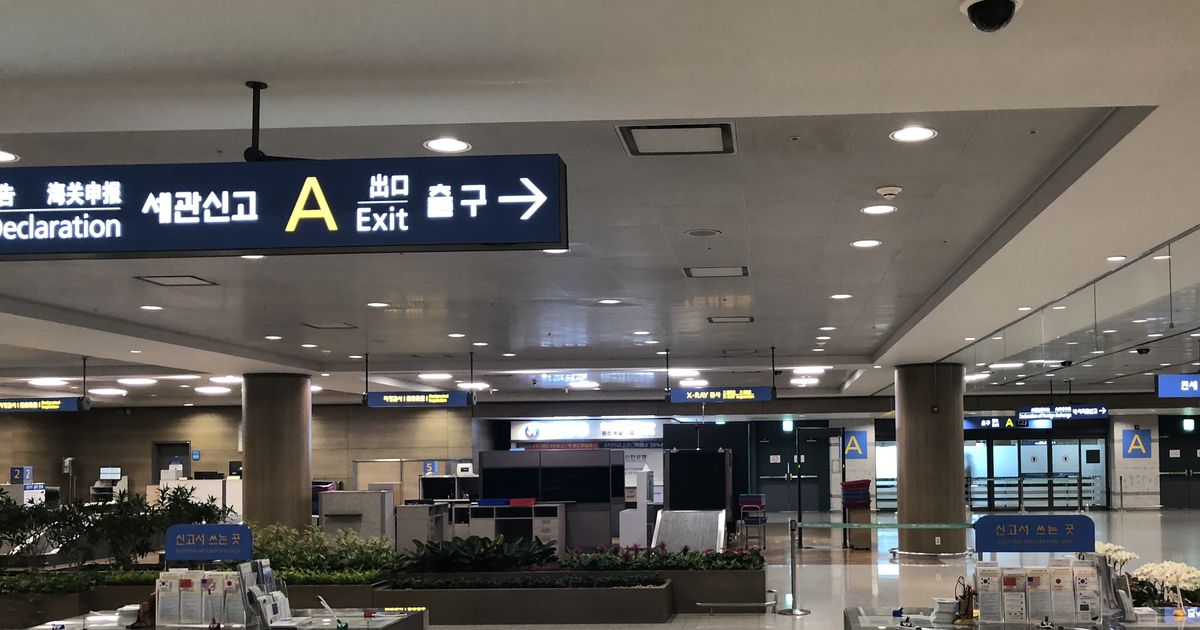
Korea’s quarantine agency reports that 99.5% of livestock products travelers brought in during 2024 failed inspection. Beef jerky from the US, bacon from the UK, longganisa from the Philippines: none of it comes through. Korea only allows meat from countries on an import list, and even then a quarantine certificate from the exporting government has to come with it, which a traveler’s suitcase never has. So the real decision is not whether you can bring meat, but whether you declare what you packed. Declared, it gets confiscated. Undeclared and found, the first fine is ₩1,000,000, or ₩5,000,000 for pork made in a country on Korea’s African swine fever (ASF) list. That tier depends on where the pork was made, not on your passport or where you flew from. The agency that runs all of this is the Animal and Plant Quarantine Agency (APQA, 농림축산검역본부).
- Meat and meat products: leave them at home. Jerky, sausage, ham, bacon and canned meat all need an export quarantine certificate you won’t have.
- Declare, don’t hide: declared items are destroyed or sent back; the fine is for not declaring.
- First fine: ₩1,000,000; ₩5,000,000 for pork made in an ASF country (the Philippines, Malaysia, Spain, Italy and Germany are on the September 2026 list).
- Declare too: instant noodles with meat seasoning, cooked eggs, cheese and other dairy.
- Banned outright: raw eggs and all fresh fruit.
- Fine with no inspection: cooked plant foods such as kimchi and rice cakes.
Contents
- Who this is for
- Key facts
- Can I bring jerky, sausage or ham?
- Does it matter where the meat was made?
- What’s the fine?
- Which countries are on the ASF list?
- Noodles, canned food, eggs, dairy and fruit
- How to declare at the airport
- Your situation
- Common mistakes
- What I would do
- FAQ
- If it were me
- Official sources
Who this is for
Anyone flying into Korea with food in their bag.
- You want to bring jerky, sausage or cured ham as a gift or a snack.
- You’re flying from the Philippines, Malaysia or Europe and wonder if the higher pork fine applies to you.
- You packed instant noodles, canned food, cheese or eggs and don’t know what counts.
- You’ve landed and just remembered something in your suitcase.
You can skip it if:
- Your bag has no meat, eggs, dairy or fresh fruit.
- You’re asking what you can take home from Korea. That depends on your own country’s customs rules, which this page doesn’t cover.
Bringing food into Korea at a glance
Everything below applies to every traveler, whatever passport you hold.
| Who decides | Animal and Plant Quarantine Agency (APQA, 농림축산검역본부) |
|---|---|
| Meat rule | Beef, pork, poultry and lamb each have a list of countries allowed to export to Korea, processed products included; anything from outside the list is banned |
| Even from a listed country | Needs a quarantine certificate from the exporting government |
| Travelers’ livestock products failing inspection | 99.5% in 2024 (APQA) |
| Fine, first offense | ₩1,000,000; ₩5,000,000 for pork made in an ASF country |
| Fine for declared items | None; failed items are destroyed or sent back |
| Where to declare | Animal and plant quarantine counter after baggage claim, before the customs check |
| Incheon livestock quarantine phone | T1 032-740-2671; T2 032-740-2007 or 032-740-2021 |
Can I bring jerky, sausage or ham into Korea?
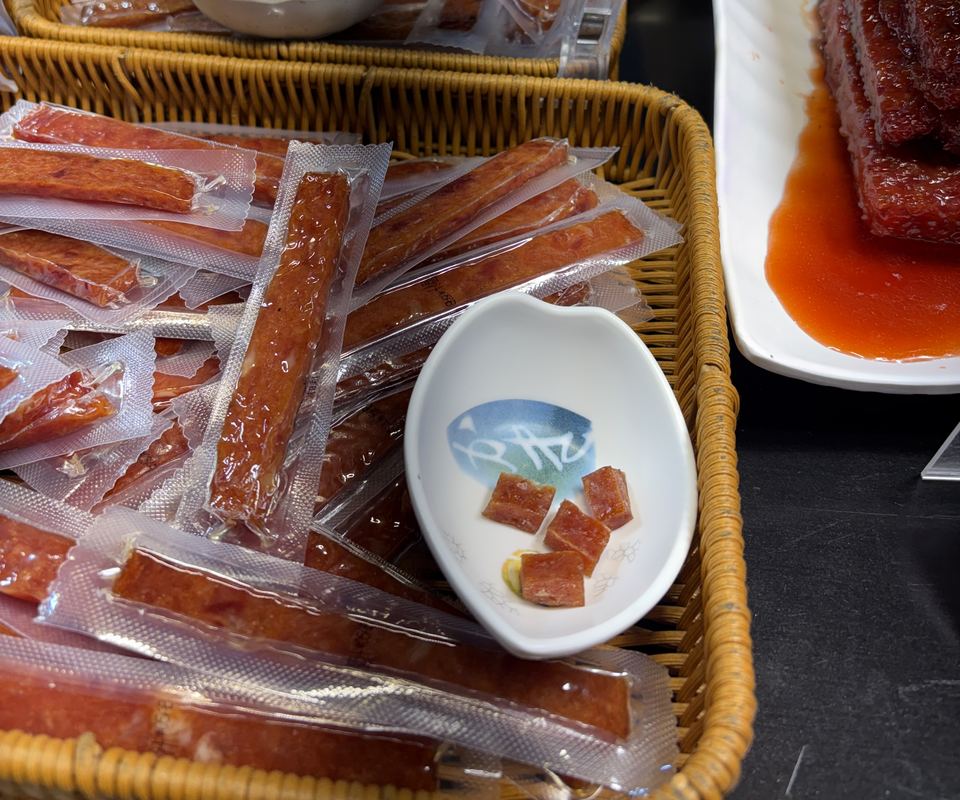
No. Treat all meat and meat products as a no, whatever country you fly from. Korea keeps one import list each for beef, pork, poultry and lamb, and each list explicitly covers processed products. Meat from a country that isn’t on the list is banned. Meat from a country that is on the list still has to come with a quarantine certificate issued by that country’s government. Incheon Airport puts it plainly: livestock products can only come in if they’re from an approved country, carry the exporting country’s quarantine certificate and pass inspection.
Incheon Airport’s list of meat to declare covers fresh meat (beef, pork, lamb, chicken) and processed meat: ham, sausage, jerky, canned stew and canned meat. Beef jerky from the US is the classic case. The US is on Korea’s beef list, but that bag would still need a US government quarantine certificate, and travelers don’t have one. Leave it at home.
Does it matter which country the meat comes from?
For whether it gets in, barely: without an export certificate nothing does. For the fine, yes: the pork tier depends on where the pork was made. Here is where the main English-speaking countries sit on Korea’s import lists. It explains why the answer is the same everywhere, not a way around it.
| Made in | Beef | Pork | Poultry (raw / heat-treated) |
|---|---|---|---|
| United States | Listed | Listed | Listed / listed |
| Canada | Listed | Listed | Not listed / listed |
| Australia | Listed | Listed | Not listed / listed |
| United Kingdom | Not listed | Listed | Listed / listed |
| Singapore, Malaysia, Philippines | Not listed | Not listed | Not listed / not listed |
Poultry has a second layer: bird flu suspensions currently cover all of Canada, Australia and the Philippines and parts of the US and the UK. Listed or not, the bag you packed has no certificate, so the outcome doesn’t change.
What’s the fine for not declaring meat in Korea?
₩1,000,000 for a first offense with most meat, eggs and dairy; ₩5,000,000 for pork or pork products made in a country on Korea’s ASF list. The fine is for failing to declare livestock products to quarantine on arrival. The legal maximum is ₩10,000,000.
| Offense | Pork made in an ASF country | Other meat, eggs, dairy (incl. pork from non-ASF countries) |
|---|---|---|
| 1st | ₩5,000,000 | ₩1,000,000 |
| 2nd | ₩7,500,000 | ₩3,000,000 |
| 3rd or more | ₩10,000,000 | ₩5,000,000 |
- Counting offenses: you only move up a tier if you were fined for the same violation in the past 3 years.
- Reductions: for minor mistakes and similar cases, the authority can cut the fine by up to half. Not if you have an unpaid fine outstanding.
- Declared items: no fine. Items that fail inspection are destroyed or sent back.
The tier follows where the pork was produced or made. A Filipino longganisa or a Spanish chorizo falls in the ₩5,000,000 tier; American bacon jerky falls in the ₩1,000,000 tier. Your nationality and your departure airport don’t enter into it.
Which countries are on Korea’s African swine fever list?
The list APQA publishes, dated September 21, 2026, includes the Philippines and Malaysia in Asia and Germany, Italy, Spain and Poland in Europe. The ₩5,000,000 tier applies to pork made in the countries on this list, the one published under the Act on the Prevention of Contagious Animal Diseases.
| On the list (selected) | Asia (17 countries): the Philippines, Malaysia, China (including Hong Kong), Vietnam, Thailand, Indonesia, India, North Korea and others. Europe (22 countries): Germany, Italy, Spain, Poland and others |
|---|---|
| Not on the list | United States, Canada, United Kingdom, Australia, Singapore, Japan |
| Changes | APQA updates the list as outbreaks change; check it before you fly if you’re carrying pork |
For European travelers this is the surprise: Spanish jamón and chorizo, Italian salami and German sausage all sit in the top tier.
Can I bring instant noodles, canned food, eggs, dairy or fruit?
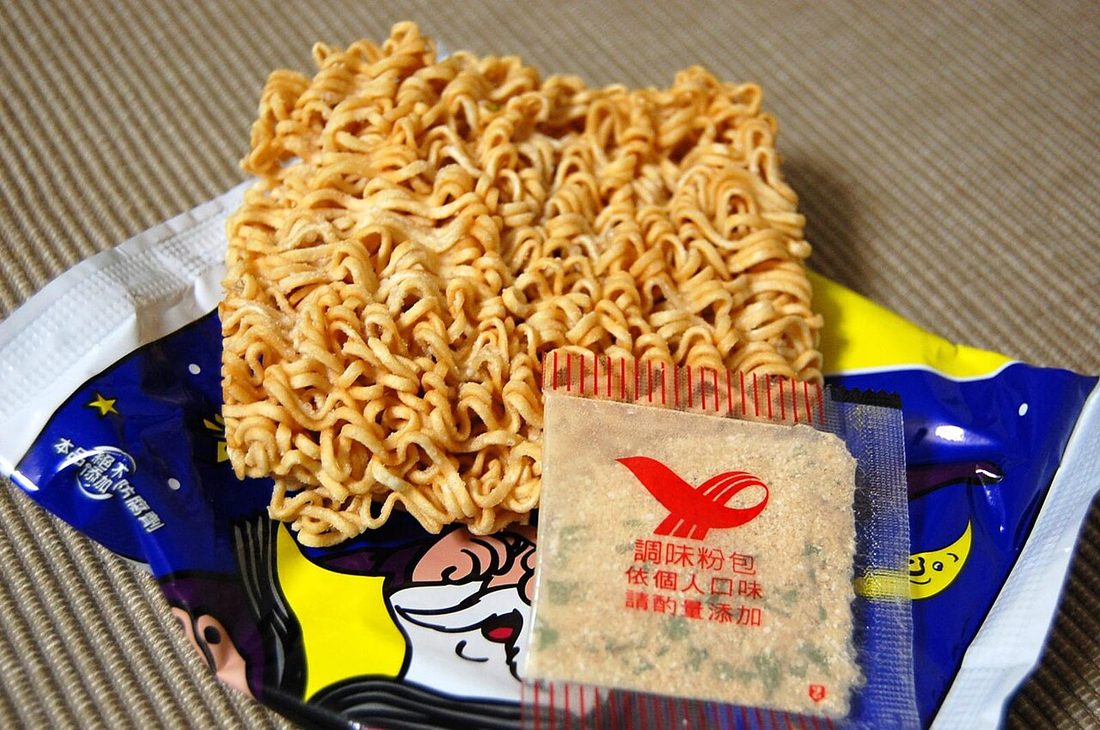
Fresh fruit and raw eggs: no. Noodles with meat seasoning, canned meat, cooked eggs and dairy: declare them and let the officer decide. “Declare” here means ticking the box on the customs declaration form or telling the quarantine officer on arrival; a “check item” is APQA’s category for things the officer inspects for processing or sterilization before deciding.
| Item | What the rules say | What to do |
|---|---|---|
| Canned meat, retort pouches | Sterilized to standard (core temperature 120°C or higher for at least 4 minutes after sealing, shelf-stable) isn’t subject to quarantine, but Incheon Airport lists canned meat as an item to declare | Declare |
| Instant noodles with meat seasoning | Not named; meat-based seasoning that keeps at room temperature is a check item | Declare |
| Raw eggs | Not allowed | Leave at home |
| Whole boiled or steamed eggs | Check item | Declare |
| Milk, cheese, butter | Unpasteurized dairy is subject to quarantine; shelf-stable canned or bottled dairy and travelers’ dried dairy are check items | Declare |
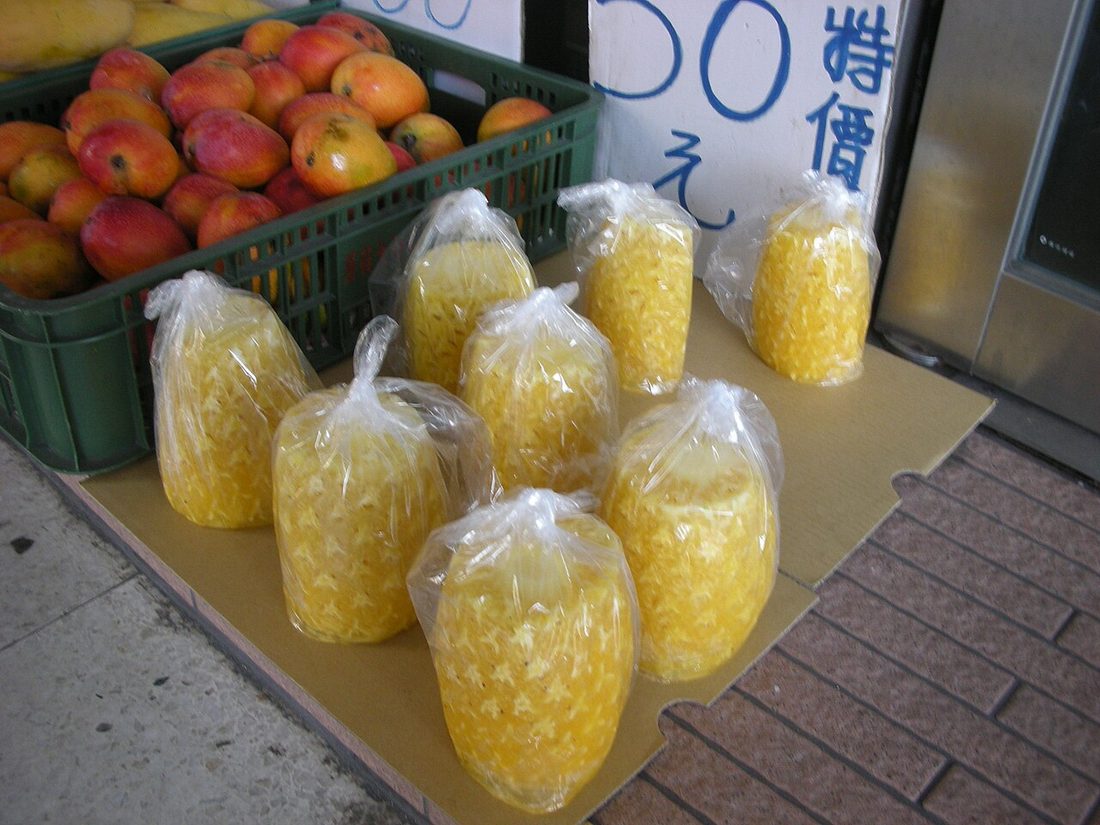
| Fresh fruit, fruit-bearing vegetables | All banned | Leave at home |
| Cooked plant foods (kimchi, rice cakes) | Not subject to inspection | Bring |
Vacuum-packed is not the same as sterilized. A vacuum-sealed jerky bag is still a quarantine item, not a can.
How do I declare food at a Korean airport?
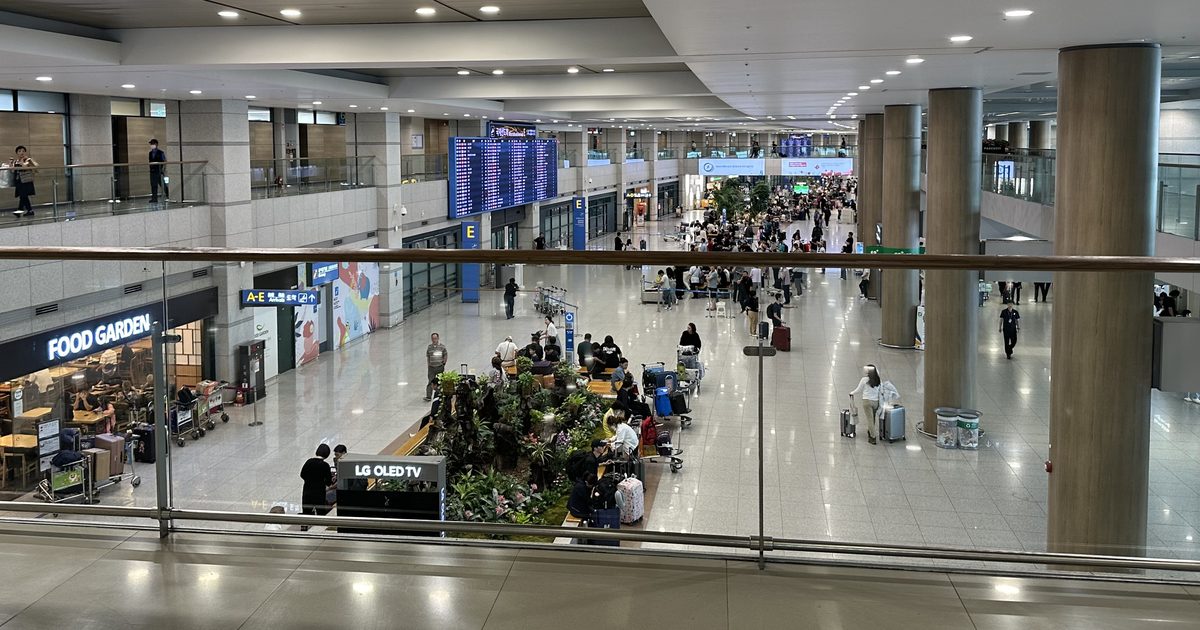
Tick the animals and livestock products box on the customs declaration form and hand it to the quarantine officer, or simply tell the officer on arrival. Either counts as declaring. The animal and plant quarantine counter is after baggage claim and before the customs check.
- On the plane or in the arrivals hall, fill in the customs declaration and tick the livestock products box.
- Collect your bags.
- Go to the animal and plant quarantine counter before customs and show the officer what you have.
- The officer decides; items that fail are destroyed or sent back, with no fine.
Not declaring means betting against quarantine X-ray, detector dogs and joint bag searches with customs. The customs declaration is a different form from the arrival card; how the arrival card works is in Korea’s e-Arrival Card, and the order of immigration and baggage on landing is in Incheon Airport’s automated immigration gates.
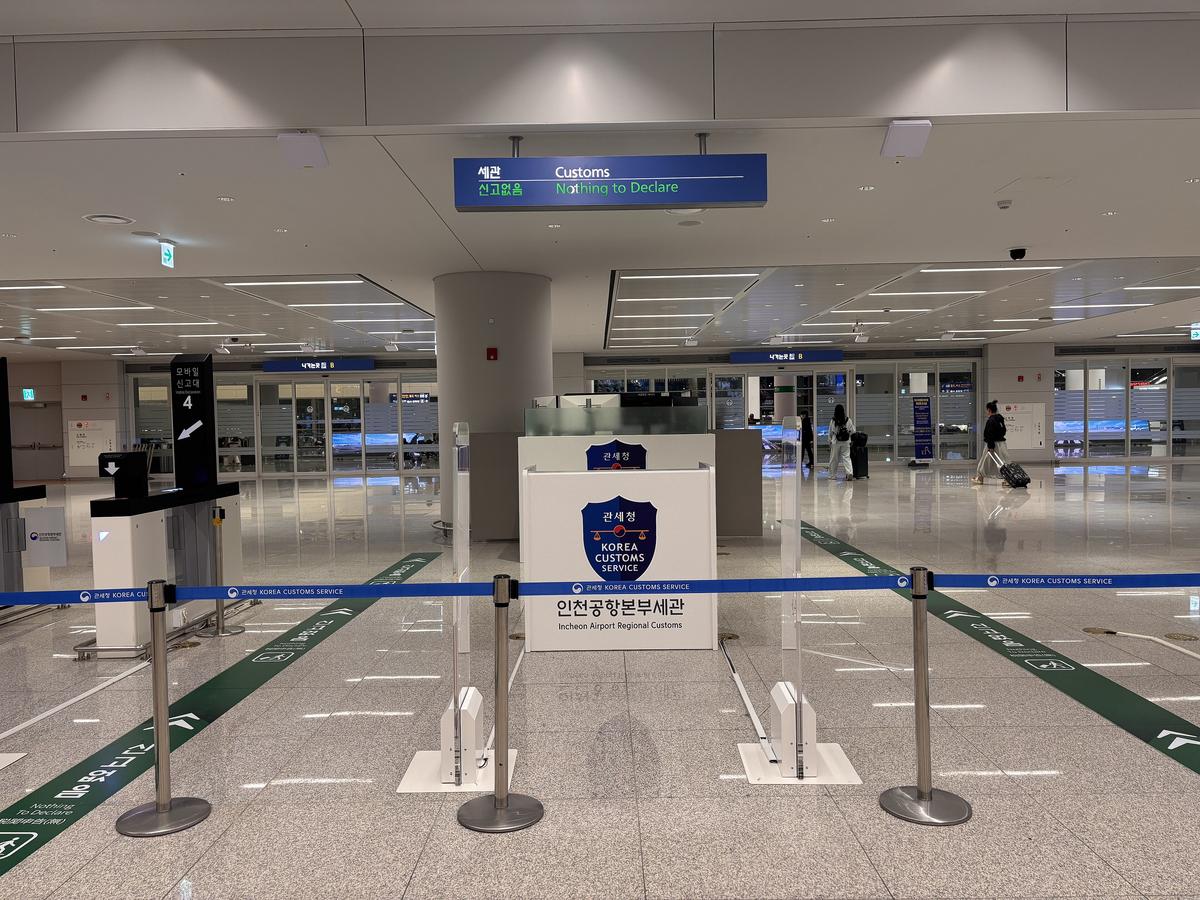
Questions before you fly can go to Incheon’s livestock product quarantine line: Terminal 1 032-740-2671, Terminal 2 032-740-2007 or 032-740-2021.
Your situation
If you want to bring sausage or jerky as a gift for friends in Korea
Pick a gift with no meat in it. A traveler’s meat product has no way through even when declared, so it won’t reach your friends either way. Anything with egg or dairy in it, declare and let the officer decide.
If you land and remember there’s jerky in your suitcase
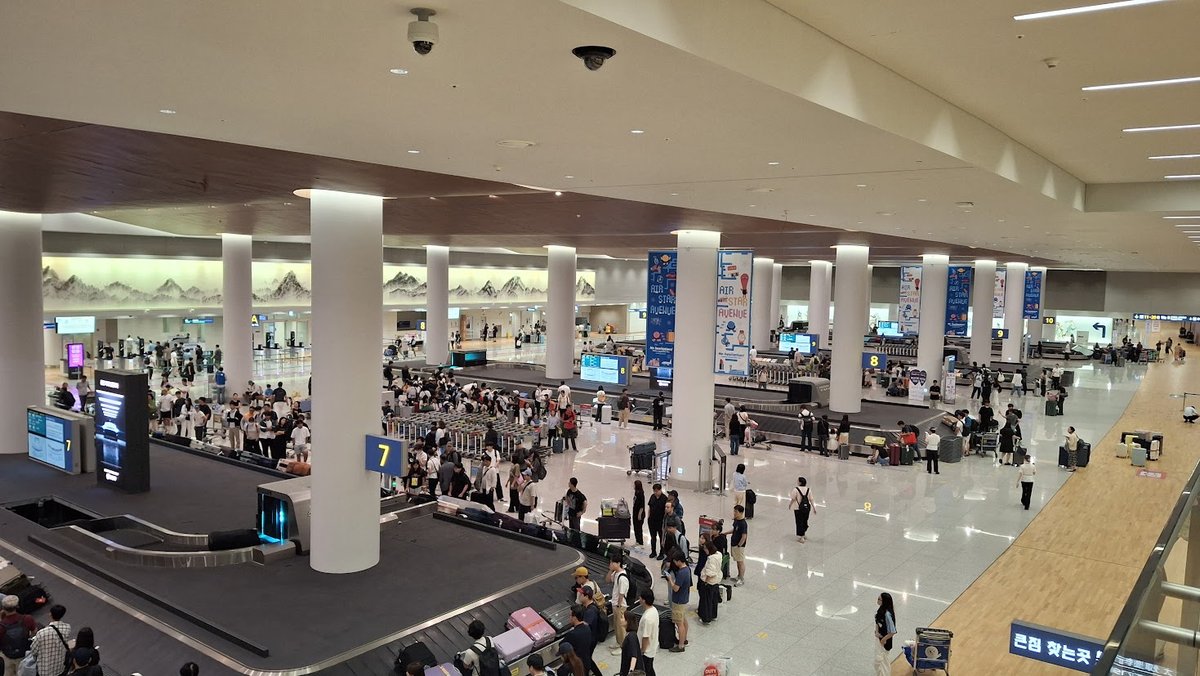
Collect your bags and go to the quarantine counter before you reach customs. Telling the officer now still counts as declaring. Telling them after a detector dog has found it does not.
If you’re flying in from Manila or Kuala Lumpur with pork snacks
Both the Philippines and Malaysia are on the September 2026 ASF list, so undeclared pork products made there start at ₩5,000,000. Take them out of your bag before you leave home. If you’re only just remembering at baggage claim, declare.
If you’re a European traveler with cured ham or salami
Spain, Italy, Germany and Poland are on the ASF list, so the same ₩5,000,000 tier applies to pork made there. Vacuum-packed supermarket packs are no exception.
Common mistakes
- Thinking vacuum-packed means processed and safe. Vacuum-sealed is not sterilized. Jerky and sausage in a vacuum bag are still quarantine items.
- Assuming your passport sets the fine. The pork tier follows where the pork was made. An American traveler with Spanish chorizo is in the top tier.
- Thinking the arrival card is the declaration. Declaring means the customs declaration form, or telling the quarantine officer.
- Heading for the “Nothing to Declare” lane with food in the bag. Stop at the quarantine counter first; it comes before customs.
- Trusting a bag someone else packed. Check it yourself before you leave home.
What I would do
Five minutes on the bag before leaving home, one extra counter on arrival.
- Take out and leave at home: jerky, sausage, ham, bacon, salami, raw eggs, fresh fruit.
- Put anything you’re unsure of (canned food, noodles with meat seasoning, cooked eggs, cheese) together in one bag near the top of your suitcase or in your carry-on.
- Tick the livestock products box on the customs declaration.
- After baggage claim, hand that one bag to the quarantine officer.
Other things to sort before landing: whether you need a K-ETA is in K-ETA in 2027, and what liquids you can carry on the flight is in Korea’s liquids rules for flights. Traveling with a dog or cat? You declare it the same way; the paperwork is in bringing a dog or cat to Korea.
FAQ
- Q1: Can I bring beef jerky to Korea from the USA?
- No, not in practice. The US is on Korea’s beef import list, but every livestock product also needs a quarantine certificate from the exporting government, which a traveler’s bag of jerky won’t have. If it’s found undeclared, the first fine is ₩1,000,000.
- Q2: Can I bring dried meat or sausage into South Korea?
- No. Incheon Airport lists ham, sausage, jerky, canned stew and canned meat as processed meat products to declare, and without an export quarantine certificate they are confiscated. Vacuum-packed doesn’t change that.
- Q3: What is the fine for not declaring meat in Korea?
- ₩1,000,000 for a first offense, or ₩5,000,000 if it’s pork made in a country on Korea’s African swine fever list. The amount rises for a repeat offense within 3 years, up to ₩10,000,000. Declared items are confiscated, not fined.
- Q4: Can I bring instant noodles to Korea?
- Officials don’t name instant noodles; declare them if the seasoning contains meat. Meat-based seasoning that keeps at room temperature is an item the quarantine officer checks before deciding.
- Q5: Can I bring fruit into Korea?
- No fresh fruit. Incheon Airport says all fresh fruits and fruit-bearing vegetables are banned. Cooked plant foods such as kimchi or rice cakes don’t need inspection.
- Q6: Can I bring cheese or milk powder into Korea?
- Declare them. Unpasteurized dairy is subject to quarantine; shelf-stable canned or bottled dairy and dried dairy carried by travelers are checked by the officer. Incheon Airport lists milk, cheese and butter as items to declare.
- Q7: Is the Philippines on Korea’s African swine fever list?
- Yes, on the September 21, 2026 list. So is Malaysia. Undeclared pork products made in either country start at ₩5,000,000.
If it were me
I wouldn’t pack any meat at all, not even canned. None of it gets through as a traveler, so carrying it is only a bet on not being searched, and the cheapest losing outcome is ₩1,000,000. Coming from the Philippines, Malaysia or most of Europe, that bet on pork starts at ₩5,000,000. If a relative insists on packing canned food or snacks with egg or dairy, I’d keep them in one bag and declare it; the worst case is losing that bag.
Official sources
- Incheon Airport: Animal and Plant Quarantine (English) (what to declare, phone numbers)
- APQA: List of ASF occurred countries (Korean page with an English image)
- Animal and Plant Quarantine Agency home page (Korean)
Rules and fines follow the latest official announcement.
Read next
Verified
 Current
Bringing a Dog or Cat to Korea 2026: From the US, UK, AU
Papers in order, Korea releases dogs and cats the same day. A titer of 0.5 IU/ml or more is needed from the US mainland, Canada, Malaysia and the Philippines, not from Korea’s rabies-free list (UK, Ireland, Australia, New Zealand, Singapore, Japan, Hong Kong, Hawaii, Guam). The trip home decides it: simple for a dog returning to the US, a 3-month wait after the blood test for Great Britain, quarantine for Australia and Singapore.
Verified
 Current
Korea Duty Free Pickup 2026: Lotte Incheon Cutoffs, Counters
For daytime departures, the four online duty free shops mostly close orders the evening before (Incheon: Lotte and Shinsegae 18:30, Shilla 18:10, Hyundai 19:30). Incheon T1’s main terminal has a single pickup counter, T1 West, on the 4th floor; the Concourse and T2 (East and West, 2nd floor) have their own.
Verified
 Current
Korea e-Arrival Card 2026: Who Needs It and How to Fill It
Every foreigner entering Korea without a valid K-ETA files an arrival card, electronic or paper. That includes US, UK, Australian, Canadian and Singaporean travelers under the K-ETA exemption to December 31, 2026. The e-Arrival Card is free at www.e-arrivalcard.go.kr, opens 3 days before arrival (KST) and expires 72 hours after submission.