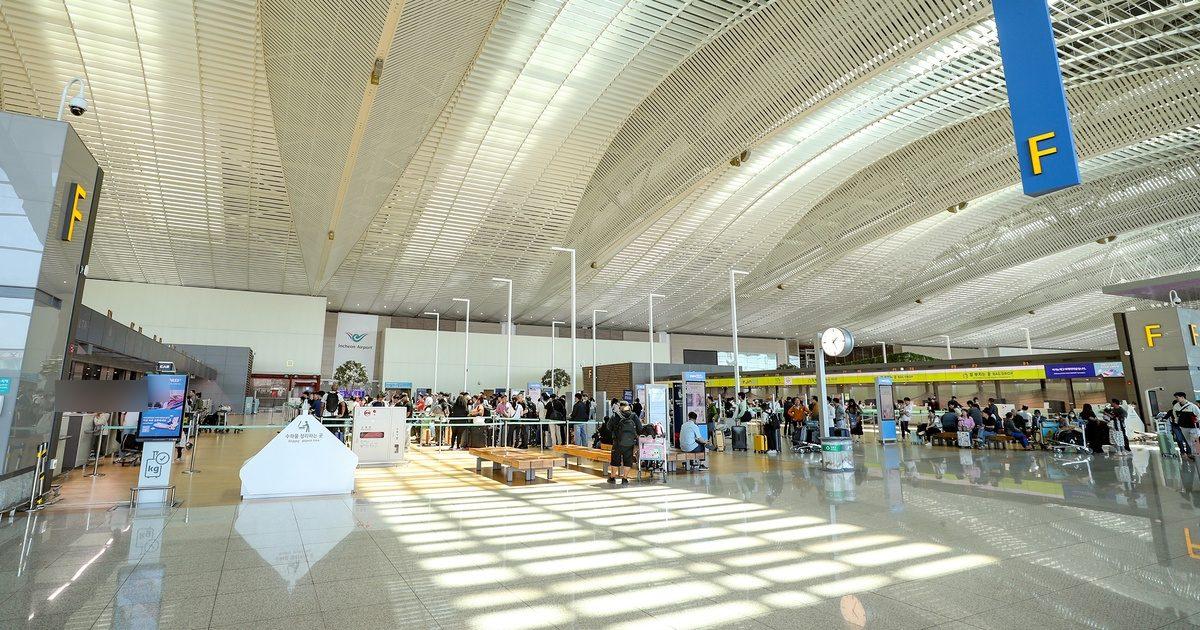
Nationals of 42 countries and regions can now register for Korea’s automated immigration on the spot when they land at Incheon or Jeju, then walk through the e-gate instead of queuing for an officer. The list covers the UK, Canada, Australia, New Zealand, Singapore, Japan and every EU country. It does not include the US, Malaysia or the Philippines. The part that applies to almost everyone is the way home: any foreign visitor aged 17 or over can use the departure e-gates without registering at all. Below, “SES” means Smart Entry Service, the official English name for Korea’s automated immigration, and “e-gate” means the automated lane itself.
- On the 42-country list, 17 or over, entering visa-free: register at a desk in the arrival immigration area at Incheon or Jeju, then use the e-gate straight away.
- Leaving Korea: every foreign visitor aged 17 or over can use the e-gates, no registration, whatever the passport.
- US citizens: arrival e-gates only through SES-GE, which requires Global Entry; apply on HiKorea.
- Malaysia, the Philippines and other unlisted countries: staffed counter on arrival, e-gate on departure.
- Under 17: staffed lanes both ways.
- Entering through the e-gate means no arrival card to hand in and no passport stamp.
Contents
- Who this is for
- Is my passport on the 42-country list?
- Key facts
- Where and how do I register on arrival?
- Can I use the e-gate when leaving Korea?
- US passport: what are the options?
- Malaysia, the Philippines and other passports
- Do I still need an arrival card?
- Can children use it?
- Gimpo, Gimhae and Jeju
- Is Smart Pass the same thing?
- Your situation
- Common mistakes
- What I would do
- FAQ
- If it were me
- Official sources
Who this is for
Adults flying into or out of Korea who want to skip the immigration queue.
- You hold a UK, Canadian, Australian, New Zealand, Singaporean, Japanese or EU passport and are landing at Incheon.
- You are a US citizen wondering whether Global Entry gets you anything in Korea.
- Your passport is not on the list and you want to know what you can still use.
You can skip this if you are entering Korea on a visa (the walk-up registration is only for visa-free entry), or if you are traveling with children under 17 and will stay in one lane together.
Is my passport on the 42-country list?
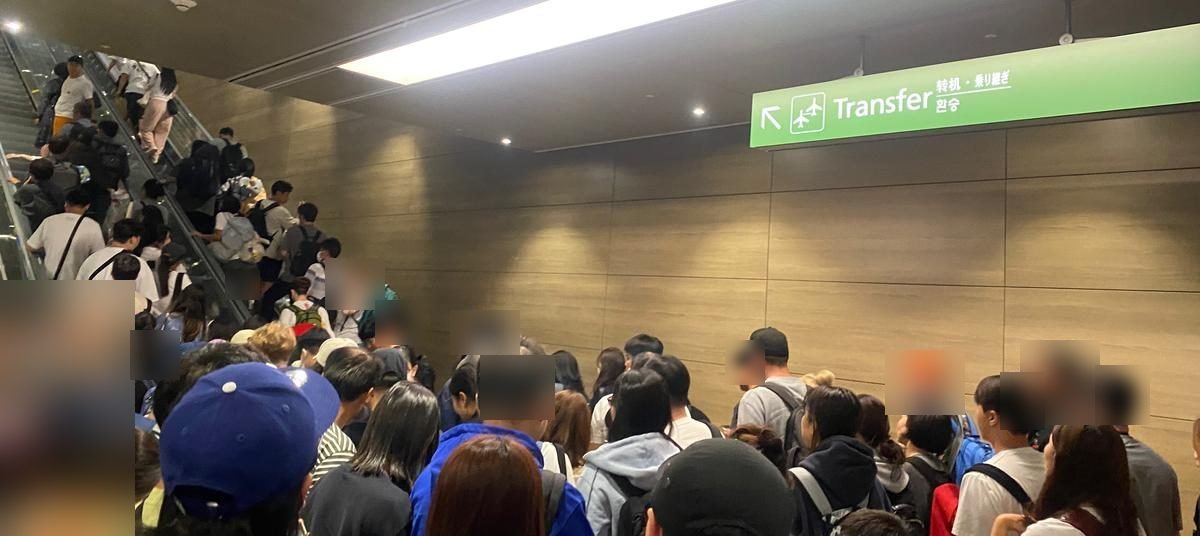
If you hold a UK, Canadian, Australian, New Zealand, Singaporean, Japanese or any EU passport, yes. Grouped by region, the full list from Korea’s Ministry of Justice is:
| Region | Countries and regions |
|---|---|
| Asia-Pacific (7) | Australia, New Zealand, Japan, Singapore, Taiwan, Hong Kong, Macau |
| Americas (2) | Canada, Mexico |
| Middle East (1) | United Arab Emirates |
| European Union (27) | Austria, Belgium, Bulgaria, Croatia, Cyprus, Czechia, Denmark, Estonia, Finland, France, Germany, Greece, Hungary, Ireland, Italy, Latvia, Lithuania, Luxembourg, Malta, Netherlands, Poland, Portugal, Romania, Slovakia, Slovenia, Spain, Sweden |
| Other Europe (5) | United Kingdom, Norway, Iceland, Switzerland, Liechtenstein |
| Not on the list | United States, Malaysia, the Philippines, and any country not named above |
Being on the list is one of three conditions, and all three have to hold: you are a national of a listed country, you are 17 or older, and you entered Korea visa-free. Arriving on a visa takes you out of the walk-up route even with a listed passport.
Key facts
| Official name | Smart Entry Service (SES), run by the Korea Immigration Service |
|---|---|
| Who can register on arrival | Nationals of the 42 listed countries and regions, aged 17+, entering visa-free |
| Where | Arrival immigration area at Incheon International Airport and Jeju International Airport |
| Steps | Scan passport, fingerprints, face photo, done, then straight to the e-gate |
| Online pre-registration | Not needed for the 42 countries |
| Departure e-gates | Any foreign visitor aged 17+, no registration |
| US citizens | SES-GE via HiKorea, Global Entry members only |
| Under 17 | Staffed lanes on arrival and departure |
| Arrival card | Not submitted when you enter through the e-gate |
| Usable after registering | Incheon, Gimpo, Gimhae, Jeju, Cheongju, Daegu, Yangyang |
Where and how do I register on arrival?
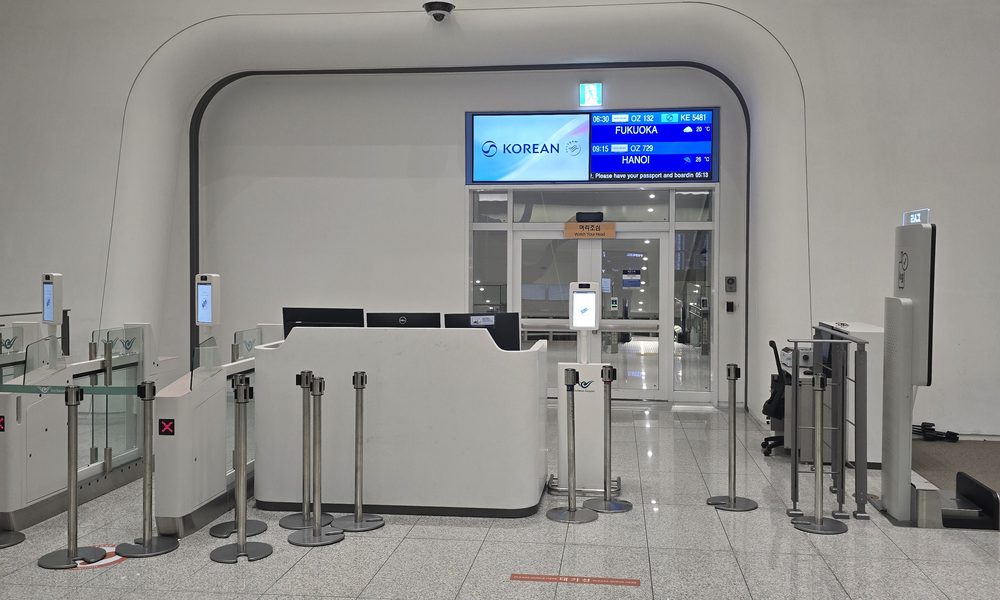
At a registration desk inside the arrival immigration area at Incheon or Jeju. The process is four steps on a machine: scan your passport, give your fingerprints, have your face photographed, and you are registered. From there you go straight to the automated entry gate and on to baggage claim.
There is nothing to do before the flight. You do not need a HiKorea account, an appointment or a printed confirmation, only the passport you are traveling on. If the desk isn’t staffed when you get there, join the staffed queue and register on a later trip; nothing is lost, because the departure e-gates are open to you either way.
Can I use the e-gate when leaving Korea?
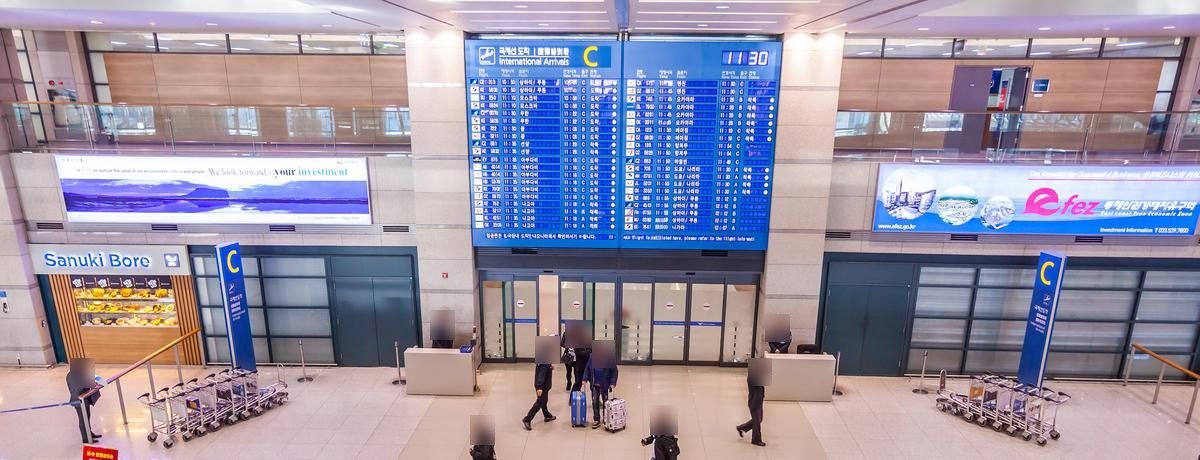
Yes, with no registration, whatever your nationality, if you are 17 or over. The Korea Immigration Service’s condition for departure is three things: you are a foreign national aged 17 or above, you provided your fingerprints and facial information when you entered, and you are leaving within your permitted stay. US, Malaysian and Philippine passport holders qualify the same as everyone else.
This is the single most useful fact for travelers whose passport is not on the list. You may queue on the way in, but on the way out you head for the automated departure gates after security.
US passport: what are the options?
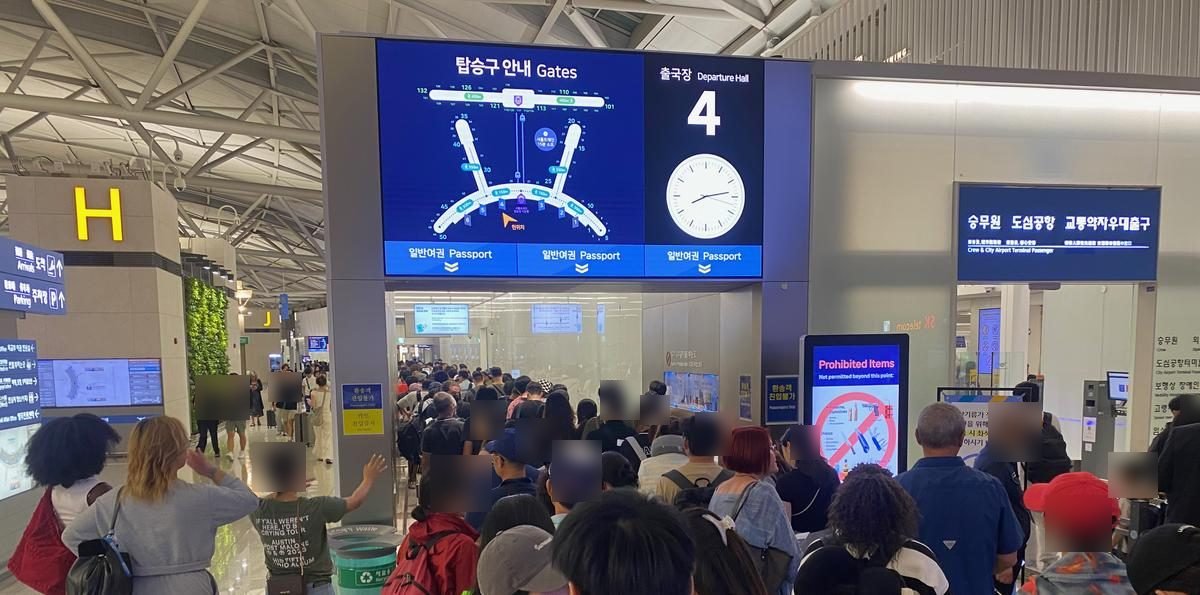
Arrival e-gates only if you are already in Global Entry; departure e-gates regardless. The US is not on the walk-up list. US citizens use SES-GE, the Korea–US reciprocal program, and the gate to it is a Global Entry membership with a GE PASS ID.
| Requirement | Global Entry member with a GE PASS ID |
|---|---|
| Age and passport | 17 or over; machine-readable passport |
| How to apply | On HiKorea (the application moved there from the TTP website) |
| After applying | Vetting, then notification. After conditional approval you have one year to complete an interview and biometric registration, or the application is terminated |
| Departure | No registration needed, same as everyone 17+ |
HiKorea does not state a Korean fee or processing time for SES-GE, so if you are applying for one specific trip, start well before it. If you don’t have Global Entry, I wouldn’t apply for it just for Korea: you still get the e-gate on the way out, and the arrival queue is a one-time cost per trip.
Malaysia, the Philippines and other passports
Staffed immigration on arrival, e-gate on departure. HiKorea limits advance registration to nationals of countries that have signed a reciprocal agreement with Korea on automated immigration, and Malaysia and the Philippines are not among the 42. There is no on-arrival registration for you, so join the foreign visitor queue when you land.
On the way home, use the automated departure gates. If the airport is crowded on your departure day, that is where the time saving shows up.
Do I still need an arrival card?
Not if you enter through the e-gate. Foreigners who pass automated entry immigration don’t submit an arrival card, and their passports aren’t stamped.
On a first trip, fill in the Korea e-Arrival Card before you fly anyway. If the registration desk is closed or registration fails, you go to a staffed counter, and the staffed counter wants the card. It works the other way too: submitting the card doesn’t make you eligible for the e-gate. The two are separate systems. Whether you also need a K-ETA is another question again, covered in who needs a K-ETA from January 2027.
Can children use it?
No. Short-term visitors under 17 can’t use SES, on arrival or departure. HiKorea does allow registration from age 7, but only for Korean nationals and registered foreign residents. A family with a 15-year-old goes through the staffed lane together both ways; splitting up so the adults take the e-gate just means waiting on the other side.
Gimpo, Gimhae and Jeju
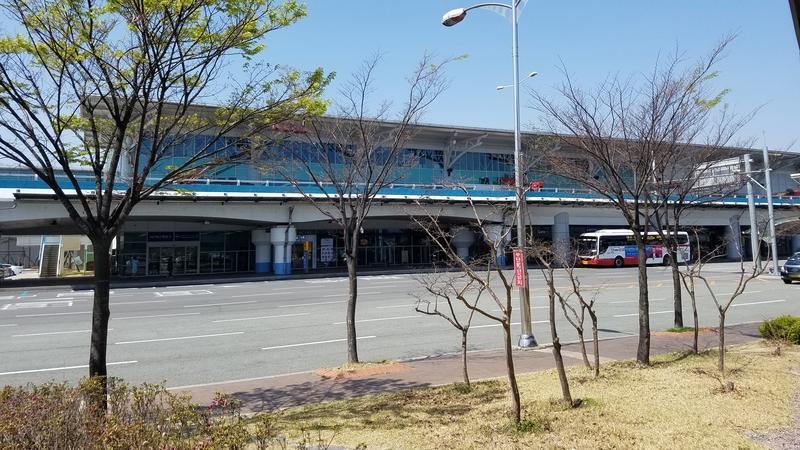
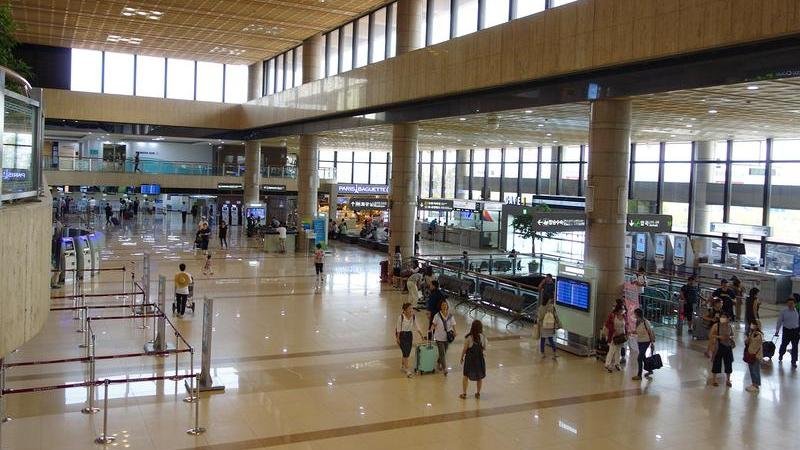
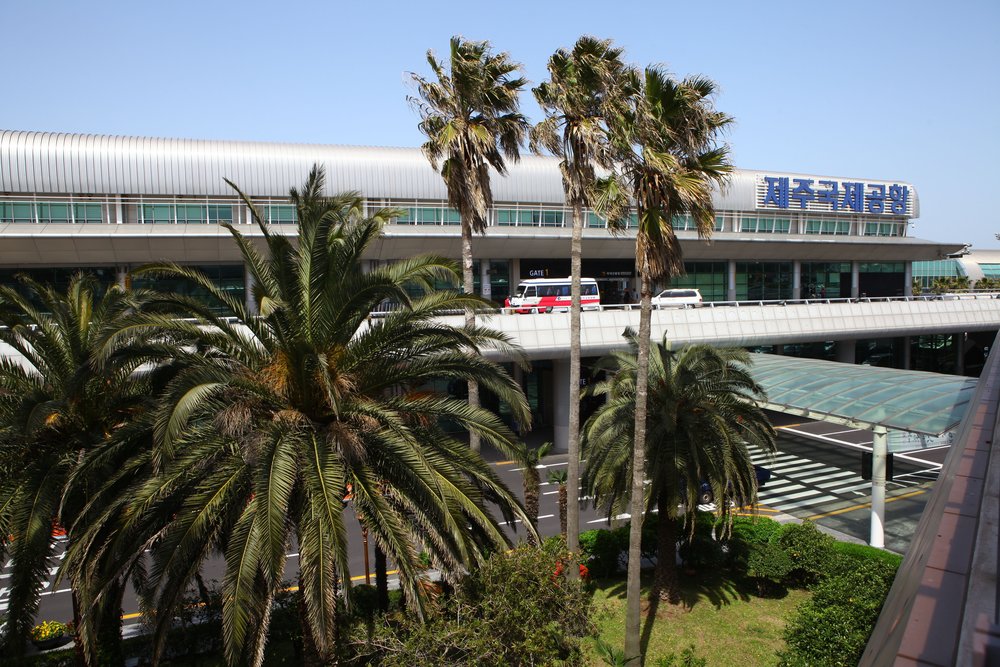
On-arrival registration exists only at Incheon and Jeju; once registered, you can use the gates at seven airports.
| Register on arrival | Incheon, Jeju |
|---|---|
| Gates usable after registering | Incheon, Gimpo, Gimhae, Jeju, Cheongju, Daegu, Yangyang |
| First entry at Gimpo or Gimhae | Staffed counter |
| Departure from any of these | E-gate for foreigners 17+, no registration |
The Ministry of Justice’s October 2026 figures show registered travelers re-entering through Gimpo, Gimhae, Daegu and Cheongju, so registering at Incheon on one trip does pay off when you fly into Busan the next time.
Is Smart Pass the same thing?
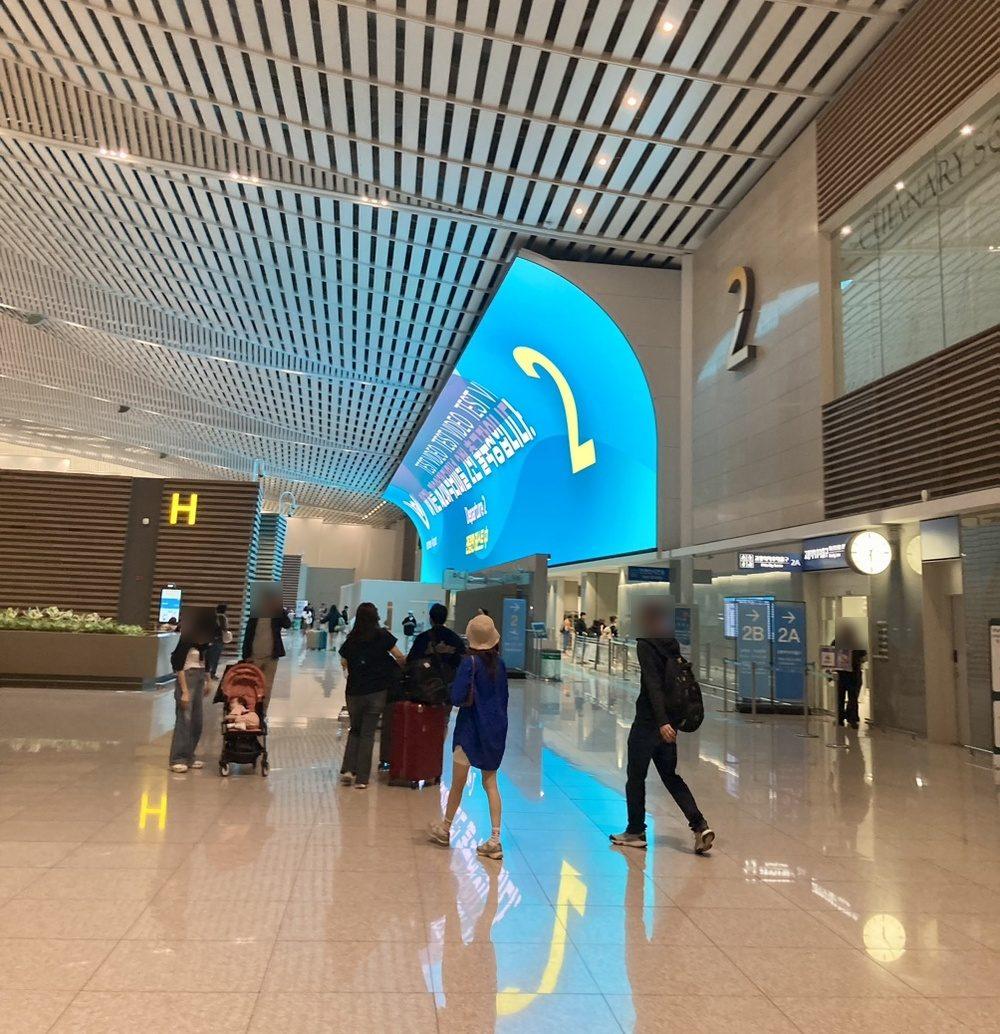
No. Smart Pass is Incheon Airport’s face-recognition system for getting into the departure hall and onto some flights; SES is the immigration check. They are separate services. Incheon’s English page mentions “immigration checkpoints” for Smart Pass, but what it covers is the departure hall entrance and boarding gates.
| Smart Pass | SES | |
|---|---|---|
| Run by | Incheon International Airport Corporation | Korea Immigration Service |
| Covers | Departure hall entrance, some boarding gates, self bag drop on four airlines | Entry and exit immigration |
| Age | 7+ (under 14 needs a legal guardian’s consent) | 17+ |
| How to sign up | ICN SMARTPASS app or Incheon self check-in kiosks; face data kept 5 years; a new passport means signing up again | On arrival (42 countries) or HiKorea (US) |
| Boarding pass | Registered every departure; automatic at check-in on Korean Air, Asiana, Jeju Air, Trinity Airways, Air Premia, Eastar Jet, Air Busan, Jin Air | Not involved |
Participating airlines at Terminal 1 are Jeju Air, Eastar Jet, Air Premia, Trinity Airways, Cathay Pacific and EVA Air; at Terminal 2, Korean Air, Asiana, Jin Air, Air Seoul and Air Busan. If you aren’t sure which terminal your airline uses, check the Incheon terminal list. Having Smart Pass doesn’t get you through immigration, and having SES doesn’t get you into the departure hall: on the way out you can use one, both or neither.
Your situation
If you are a UK or EU passport holder landing at Incheon
Fill in the e-Arrival Card before the flight as a fallback. After landing, look for the registration desk in the arrival immigration area, scan your passport, fingerprints and face, and use the e-gate. On the way home, go straight to the departure e-gates after security.
If you are American without Global Entry
Queue at the staffed counter on arrival with your e-Arrival Card done. On departure, use the e-gates like any other foreign visitor 17 or over. Only look into SES-GE if you already have Global Entry or plan to get it anyway.
If you are flying into Busan (Gimhae) on a listed passport
Gimhae has no on-arrival registration, so your first entry is at a staffed counter. Leaving from Gimhae, you can use the departure e-gates. If you fly into Incheon on a later trip, register there; after that, the gates work at Gimhae too.
If you are traveling with a teenager under 17
Use the staffed lanes as a family both ways and have the e-Arrival Card done for everyone. The e-gate for the adults saves nothing if you then wait for the child on the far side.
Common mistakes
- Looking for an online pre-registration form. For the 42 countries, there isn’t one to fill in; registration happens on arrival at Incheon or Jeju.
- Assuming a US passport is on the list. It isn’t. The US route is SES-GE, and it starts with Global Entry.
- Queuing at the staffed counter on the way out. Every foreign visitor 17 and over can use the departure e-gates.
- Expecting the walk-up desk on a visa. On-arrival registration is for visa-free entry only.
- Treating Smart Pass as immigration. It gets you into the departure hall and onto some flights, not through passport control.
- Skipping the e-Arrival Card because you plan to use the e-gate. If the desk is closed you end up at a staffed counter that wants it.
- Expecting to register at Gimpo or Gimhae. On-arrival registration is only at Incheon and Jeju.
What I would do
- Check the list above against the passport you are traveling on, not your country of residence.
- Fill in the e-Arrival Card before the flight, whichever lane you expect to use.
- If on the list and landing at Incheon or Jeju: register at the desk in the arrival immigration area and take the e-gate.
- If not on the list: staffed counter in, e-gate out.
- On departure day, after security, head for the automated gates.
Once you are through, the next question is usually the ride into town. If you plan to take a taxi, read whether Kakao T takes a foreign card before you land.
FAQ
- Q1: Can US citizens use Korea’s Smart Entry Service?
- Not on arrival unless you already have Global Entry. The US is not on the 42-country walk-up list; Global Entry members with a GE PASS ID can apply for SES through HiKorea. Every US visitor aged 17 or over can still use the e-gates when leaving Korea.
- Q2: Can Canadians, Australians and Brits use the e-gates in Korea?
- Yes. Canada, Australia, New Zealand and the UK are on the 42-country list. If you are 17 or over and entered visa-free, register at the desk in the arrival immigration area at Incheon or Jeju and go straight through the e-gate.
- Q3: Can Singapore passport holders use Smart Entry Service in Korea?
- Yes. Singapore is on the list, along with Japan, Taiwan, Hong Kong and Macau. The same three conditions apply: on the list, 17 or over, visa-free entry.
- Q4: Can Malaysians or Filipinos use Korea’s automated immigration?
- Only on the way out. Malaysia and the Philippines are not on the 42-country list, so arrival goes through a staffed counter. Departure e-gates are open to any foreign visitor aged 17 or over without registering.
- Q5: Do I need to register online before flying to Korea?
- No, if your passport is on the 42-country list. You register on arrival at Incheon or Jeju. The online route through HiKorea is for countries with a separate agreement, such as US Global Entry members.
- Q6: Can children use the Smart Entry Service in Korea?
- No, not as short-term visitors. SES starts at 17. Under-17s go through staffed immigration on arrival and departure, so a family with a younger child uses the staffed lane together.
- Q7: Do I still need an arrival card if I use the e-gate?
- No. Foreigners who enter through automated immigration do not submit an arrival card, and the passport is not stamped. Fill in the e-Arrival Card anyway on your first trip in case you end up at a staffed counter.
- Q8: Is Incheon’s Smart Pass the same as Smart Entry Service?
- No. Smart Pass is Incheon Airport’s face-recognition system for the departure hall entrance and some boarding gates. SES is run by the Korea Immigration Service and covers the immigration check itself.
If it were me
On a listed passport, I would register on my first arrival at Incheon if the desk is open, and not worry about it if it isn’t: the departure e-gates are open to me either way. As a US traveler without Global Entry, I wouldn’t chase SES-GE for one trip; the payoff is the arrival queue only, and departures are already covered. On a Malaysian or Philippine passport, I would budget extra time on arrival and none on departure. Whatever the passport, I would still file the e-Arrival Card before flying, because it is the fallback if the desk is closed.
Official sources
- Ministry of Justice: on-arrival SES registration overview and the 42-country list, October 1, 2026 (Korean)
- Ministry of Justice: expansion to EU, Schengen countries and Canada (Korean)
- HiKorea: SES eligibility, including departure without registration (English)
- HiKorea: Korea–US SES-GE (English)
- Incheon International Airport: arrival immigration (English)
- Incheon International Airport: Smart Pass (English)
Rules and procedures follow the latest official announcement.
Read next
Verified
 Current
Korea e-Arrival Card 2026: Who Needs It and How to Fill It
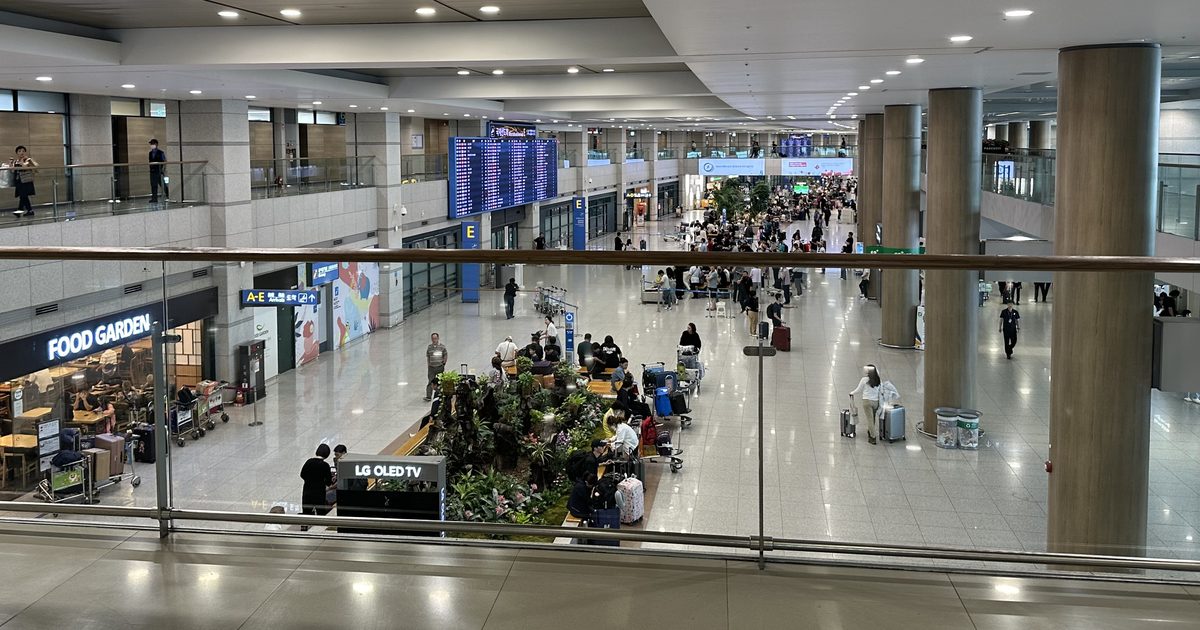
Every foreigner entering Korea without a valid K-ETA files an arrival card, electronic or paper. That includes US, UK, Australian, Canadian and Singaporean travelers under the K-ETA exemption to December 31, 2026. The e-Arrival Card is free at www.e-arrivalcard.go.kr, opens 3 days before arrival (KST) and expires 72 hours after submission.
Verified
 Current
Incheon Airport Terminal 1 or 2? Airline List for 2026–27
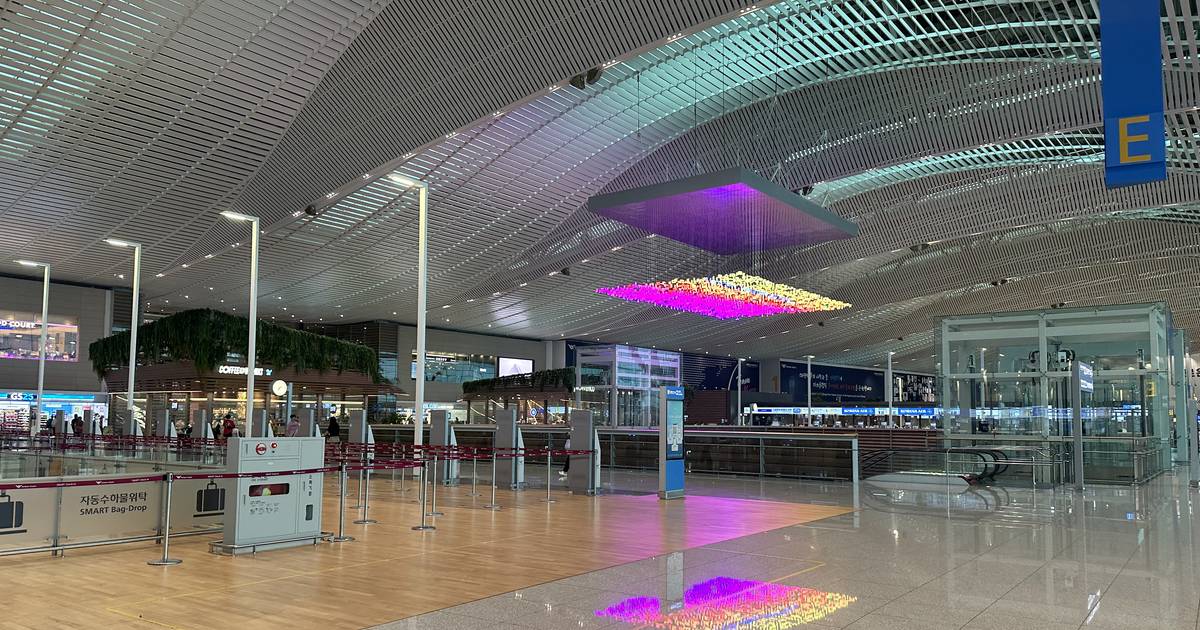
Terminal 2 has 14 passenger airlines: Korean Air, Asiana, Jin Air, Air Busan, Air Seoul, Delta, Virgin Atlantic, Air France, KLM, Aeromexico, China Airlines, Garuda Indonesia, SAS and Xiamen Air. The other 71 use Terminal 1. On a codeshare, go to the terminal of the airline that operates the flight.
Verified
 Current
Can Foreigners Use Kakao T Taxi? Foreign Cards and Cash 2026
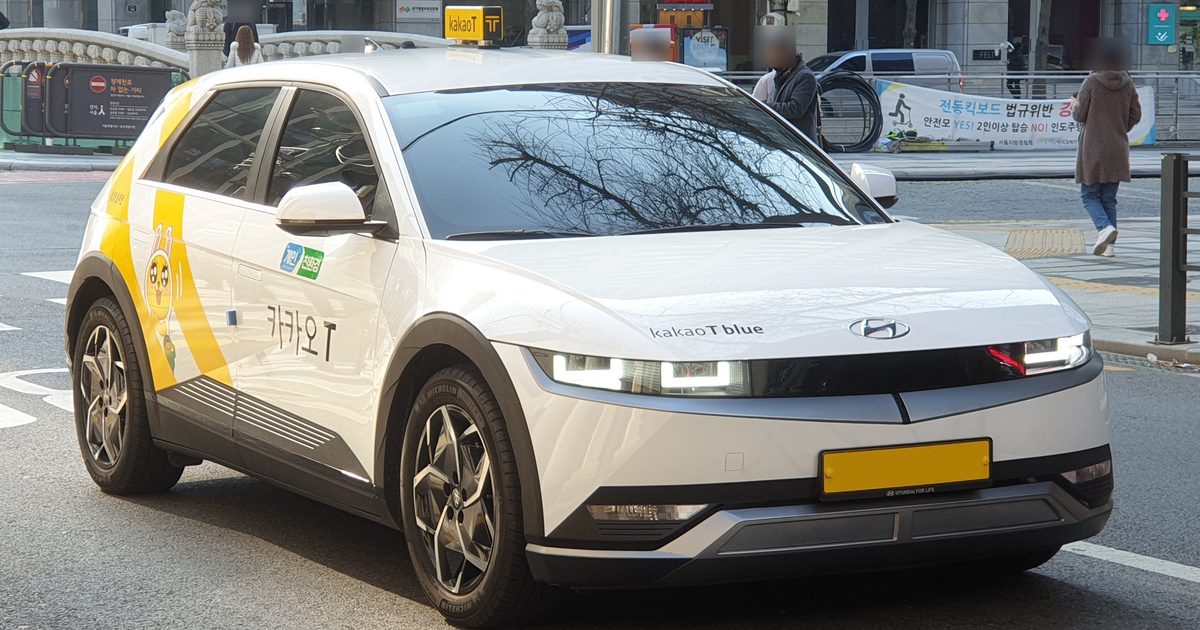
Kakao T accepts Visa, Mastercard, JCB and AMEX cards issued outside Korea if the name matches your account, though some issuers still block them; Kakao Pay takes Korean cards only. Without a card, request a Regular taxi, choose to pay the driver, and pay by card or cash at the end. Blue Partners and Booster calls need an in-app card. k.ride calls the same cars but adds 10% to the fare and takes no cash. The iPhone app needs iOS 17.0 or later.