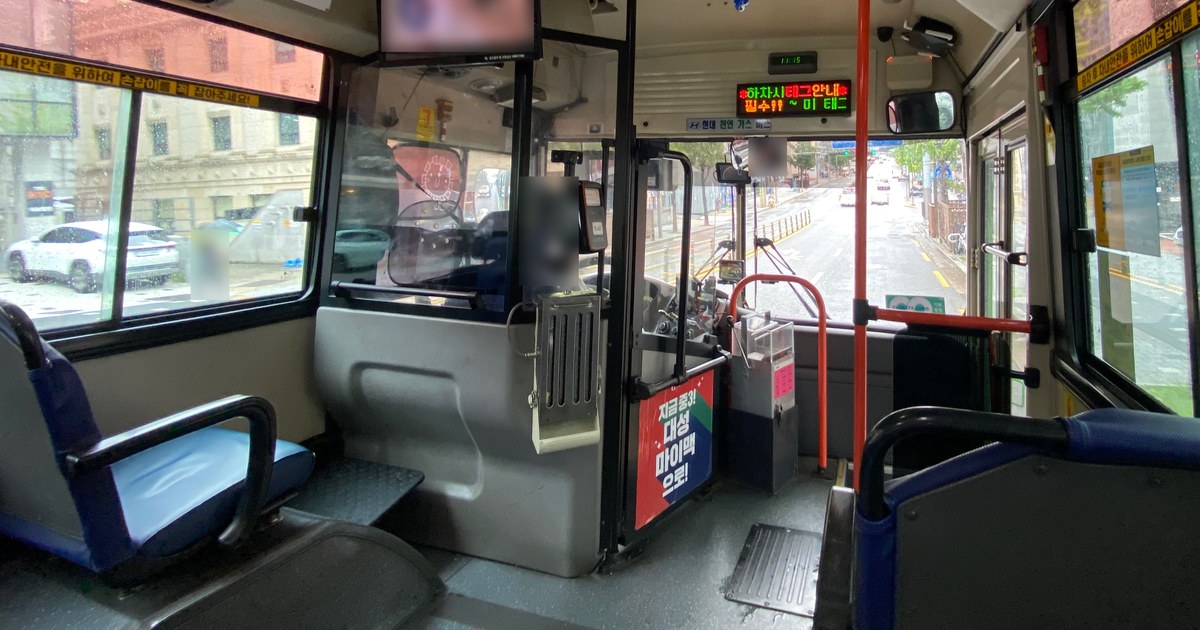
Seoul hasn’t gone fully cashless, but 183 route numbers on the city’s January 2026 cashless-bus list no longer take cash, out of 396 city bus routes, and you can’t always tell before the bus pulls up. The Namsan circulation buses 01A and 01B, which run up to N Seoul Tower, are on the list. Where cash is still taken, it costs the same as a card for one ride: ₩1,500 on a blue or green bus. The difference is transfers, which only work with a transit card. Foreign Visa or Mastercard cards and Apple Pay can’t be tapped on Seoul buses in 2026; that starts on city buses sometime in 2027. So get a T-money-type card, and keep your won for topping it up rather than for the fare box. T-money is Korea’s standard prepaid transit card; “cashless bus” (현금 없는 버스) is the city’s official name for the routes that don’t take cash.
- Cash: still taken on most routes, refused on 183 route numbers, including Namsan 01A and 01B.
- Price: cash and card cost the same for one ride.
- Transfers: transit card only; cash pays full fare on every bus.
- Foreign card or Apple Pay tap: not in 2026. City buses first in 2027, date not announced.
- Tap out: yes, every time, or a transfer breaks.
- Get: a T-money card at a convenience store, MobileTmoney on an iPhone, or WOWPASS.
Contents
Who this is for
Visitors to Seoul who plan to ride city buses and want to know whether cash, a foreign card or a transit card works.
- You’d rather not buy a transit card and wonder if cash is enough.
- You hope to tap your own Visa, Mastercard or Apple Pay.
- You’ll mix subway and bus and want transfers to count.
- You’re heading up Namsan on the 01A or 01B.
You can skip it if:
- You’ll ride only the subway. How to load a card without cash is in topping up T-money with a foreign card.
- You’re riding buses in Jeju, which has its own rules: paying for buses in Jeju.
What are the Seoul bus types and colors?
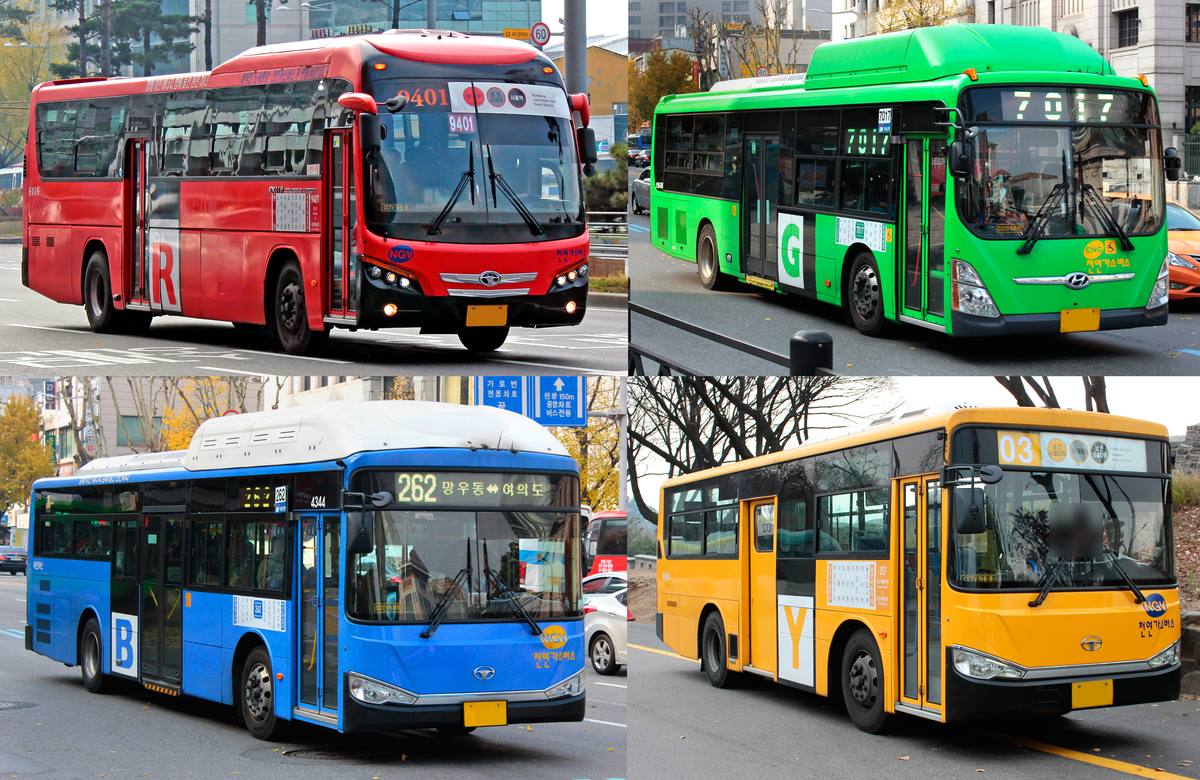
Seoul’s official English names go with a color: blue Trunk, green Branch, yellow Circulation and red Rapid buses, plus late-night Owl buses and small green Local buses. The type sets the fare, so the color tells you roughly what you’ll pay before you board.
| Official name | Color |
|---|---|
| Trunk bus | Blue |
| Branch bus | Green |
| Circulation bus | Yellow |
| Rapid bus (광역) | Red |
| Owl bus | Late night, N routes |
| Local bus (마을버스) | Small green |
Which Seoul buses don’t take cash?
183 route numbers on Seoul’s January 2026 cashless-bus list, out of 396 city bus routes. The list is a long Korean table, but these are the ones visitors are most likely to ride:
| Namsan circulation | 01A, 01B |
|---|---|
| Red Rapid buses | 9401, 9401-1, 9408, 9409, 9707 |
| Blue Trunk buses | 402, 405, 500, 501, 502, 600, 602 and others |
Seoul says every stop served by a cashless bus has a notice in four languages, Korean included. In practice a stop serves many routes and the notice won’t tell you which bus in front of you is which. The list also grows, so a route taking cash today isn’t a promise for next month.
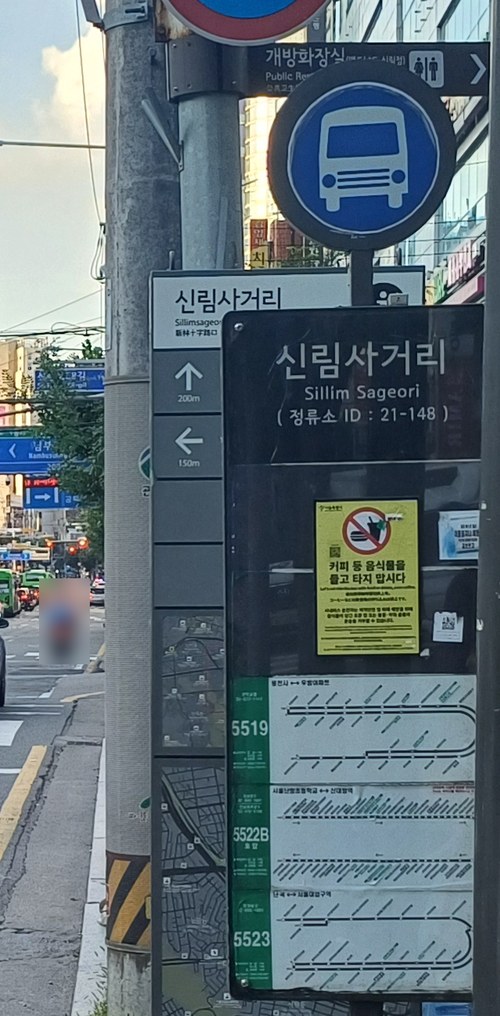
That coffee notice is its own rule; what you can carry on board is in drinks on Korean buses.
What happens if I board a cashless bus without a card?
Seoul lets you ride and pay afterward, but the ways to pay afterward don’t suit most visitors. The city’s approach is to let the passenger board, then settle the fare later by bank transfer or through Mobile T-money, with no deadline. Drivers hand foreign riders an explanation sheet in English, Chinese or Japanese. A bank transfer generally means a Korean bank account, which most visitors don’t have, and anyone with Mobile T-money set up could simply have tapped. Have a card before you board rather than rely on the driver.
Is paying cash on a Seoul bus more expensive?
Not for one ride. Cash and card are the same adult fare; cash loses on transfers and the early-morning discount. A single bus ride is a flat fare regardless of distance.
| Bus type (adult) | Transit card | Cash | Early morning (card, before 06:30) |
|---|---|---|---|
| Trunk (blue), Branch (green) | ₩1,500 | ₩1,500 | ₩1,200 |
| Circulation (yellow), Branch with differential fares | ₩1,400 | ₩1,400 | ₩1,120 |
| Rapid (red) | ₩3,000 | ₩3,000 | ₩2,400 |
| Owl (late night) | ₩2,500 | ₩2,500 | None |
| Local (small green) | ₩1,200 | ₩1,200 | ₩960 |
These fares have applied since August 12, 2023. Paying cash, you pay the full fare on every bus you board, with no transfer discount. Teen and child fares need a teen or child transit card that has been registered; children’s fares are covered in kids’ transport fares in Korea.
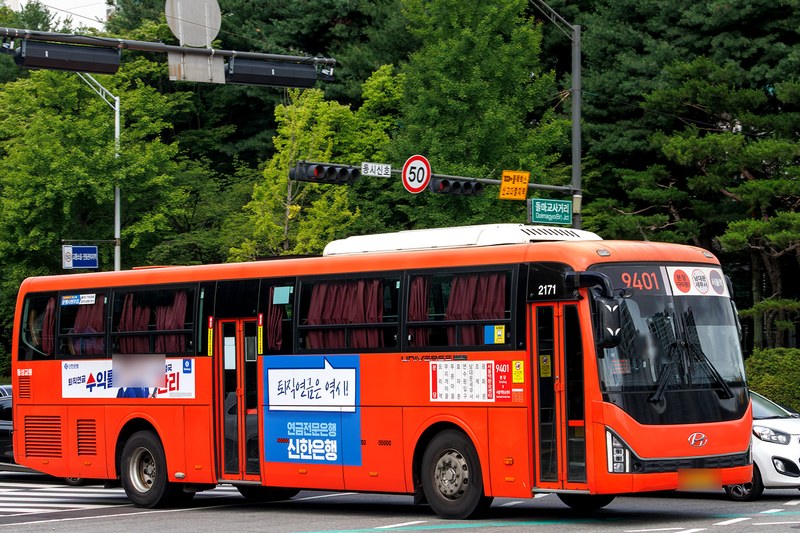
Can I tap a foreign Visa, Mastercard or Apple Pay on a Seoul bus?
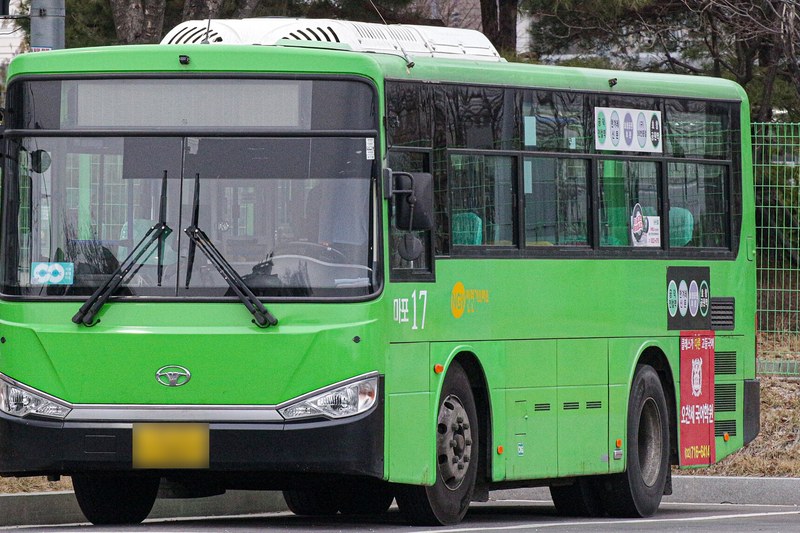
Not in 2026. Seoul bus readers use a Korean domestic standard, so cards issued abroad, and those cards inside Apple Pay, don’t work. T-money has partnered with Visa, Mastercard, UnionPay, JCB and Hana Card, with development and testing through the end of 2026. The service is planned to start on Seoul city buses in 2027 and then spread to Incheon buses and airport buses. No start date has been announced.
| 2026 | No foreign-card tap |
|---|---|
| 2027 | Seoul city buses first; date not announced |
| Airport buses | T-money signed with three airport bus companies on November 12, 2026 and aims to set up foreign card (EMV) and QR payment in Q1 2027, then apply it in stages |
| Seoul’s rollout | Bus readers fitted with modules 2025–26; subway Lines 1–8 readers replaced in 2027; Local buses and private rail lines 2028–30 |
The airport-bus date is an aim, not a launch. For a trip anywhere in 2027, plan on a T-money-type card; the small green Local buses are the last in line. How to ride the airport bus today is in Incheon Airport to Seoul by bus.
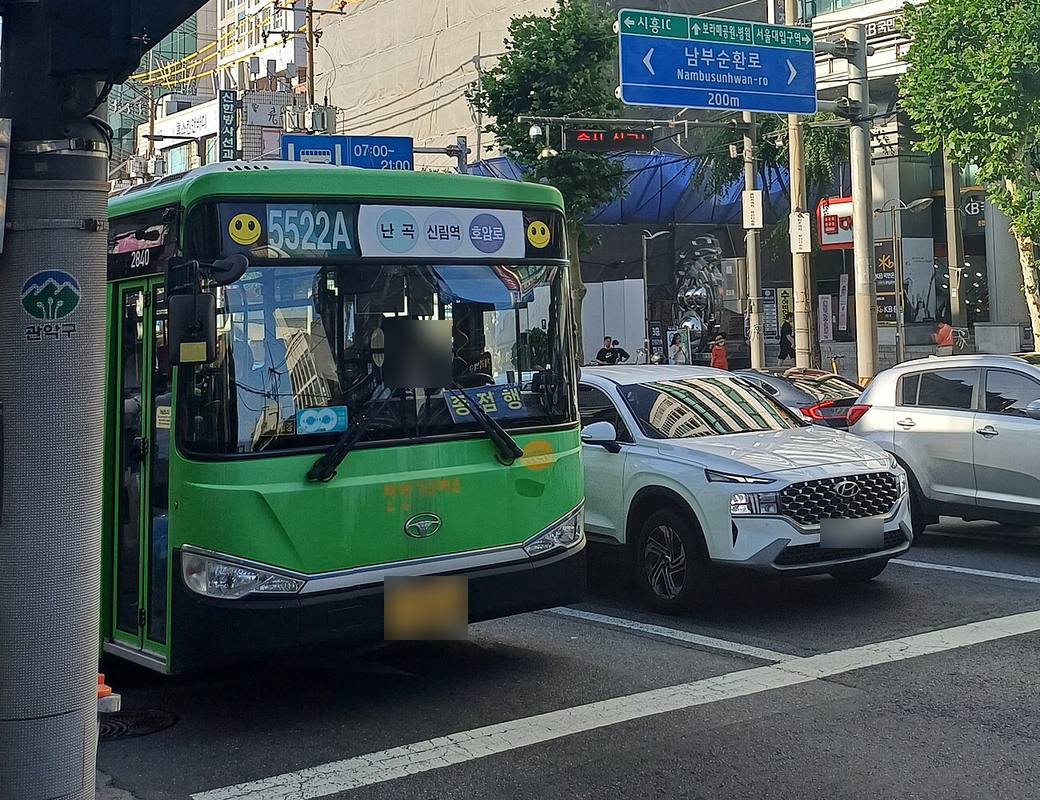
How do I get a card for Seoul buses?
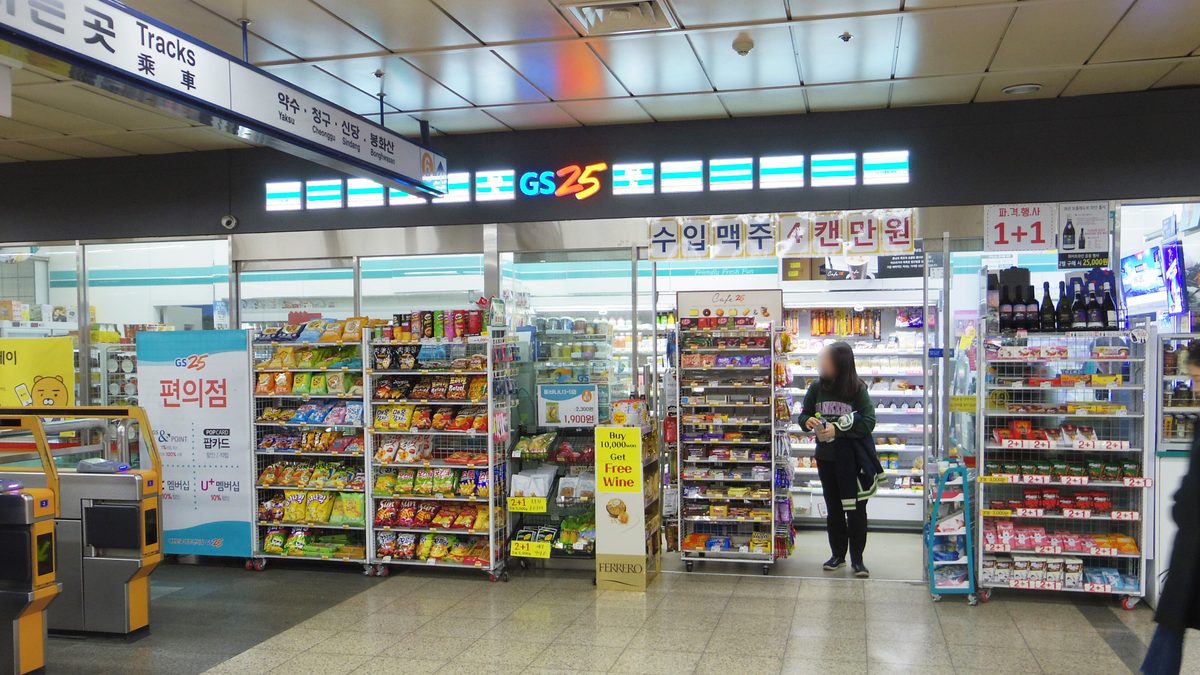
Three easy routes: a physical T-money from a convenience store, MobileTmoney on an iPhone, or WOWPASS. All three tap on Seoul buses. Keep some won in cash either way; it’s for topping up, not for the fare box.
| Option | Where | Catch |
|---|---|---|
| Physical T-money | Convenience store counter, at the airport or in the city | Top up with won in cash |
| MobileTmoney | App on a recent iPhone | Card networks for top-up are limited; see the iPhone setup |
| WOWPASS | Issued at a WOWPASS machine in Korea | Transit balance is separate and loads with won in cash |
Since March 17, 2026, the new ticket machines at 273 stations on Seoul Lines 1–8 also accept foreign-issued cards, with an average service charge of about 3.7%. What those machines sell to a foreign card is laid out in what the subway machines take, and the unlimited-ride option they sell is in the Seoul Climate Card.
If you’d rather have the card sorted before you fly, a WOWPASS voucher on KKday (no cancellation; transit balance loaded separately with won cash) gives you a six-digit code to redeem at a WOWPASS machine with your passport. One card per passport, and Korean nationals can’t buy it. What you get is the card; the T-money transit balance can only be charged with won cash at subway machines or convenience stores.
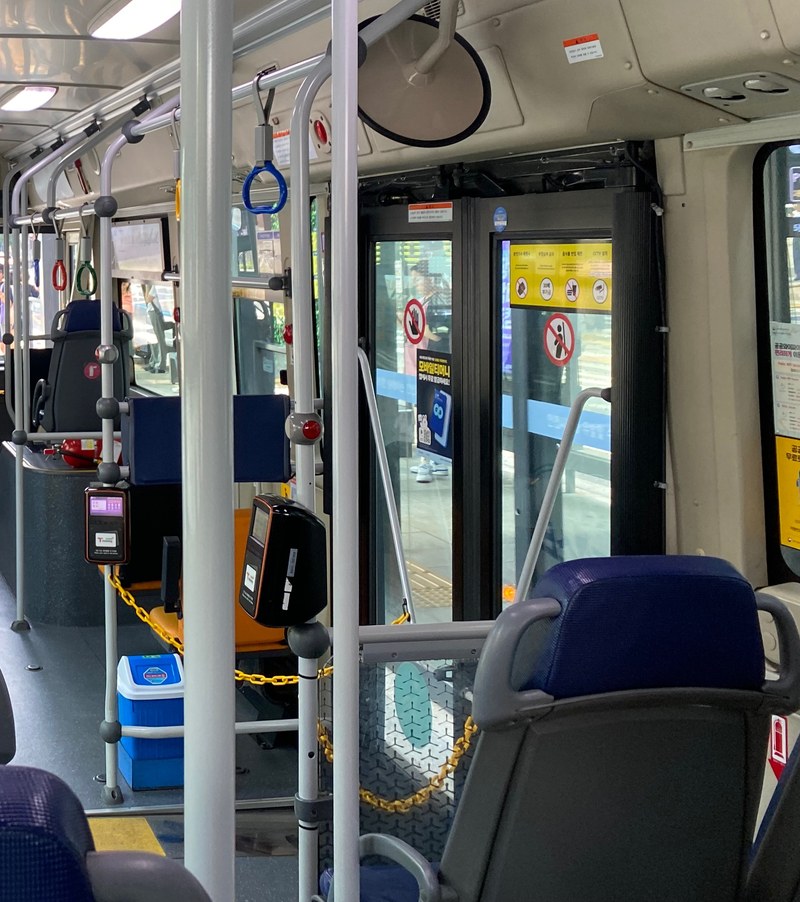
Do I have to tap when I get off?
Tap every time. On a single Seoul city bus ride with no transfer, the fare is flat, so skipping the tap doesn’t cost extra. If you’re transferring, the tap is what links the rides; miss it and the next bus charges the base fare for the previous leg again.
How do transfers work between subway and bus?
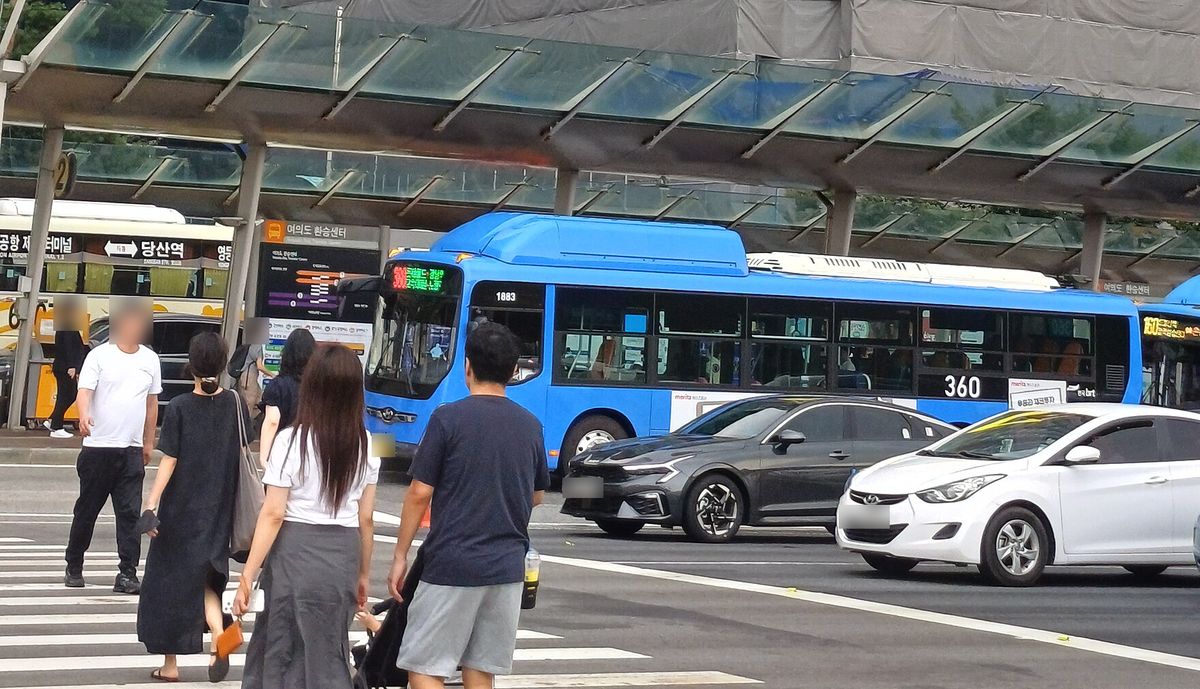
With a transit card, rides within 30 minutes of tapping off are linked and charged by total distance. Cash gets none of this.
| Who gets it | Transit card users only |
|---|---|
| Time limit | Board the next vehicle within 30 minutes of getting off; 60 minutes between 21:00 and 07:00 |
| How many | Up to 4 transfers (5 legs) |
| Fare | Within 10 km combined you pay one base fare (the highest of the vehicles used), then ₩100 per extra 5 km; Rapid buses get 30 km before the extra |
| Doesn’t count | Reboarding the same route |
Can one card pay for two or more people?
On buses, yes; on the subway, no. Tell the driver how many people before you tap, and if you transfer to another bus, say the same number again on that one. The subway needs one card per person, and a multi-person bus tap gets no transfer discount onto the subway.
Your situation
If you’re heading up Namsan on the 01A or 01B
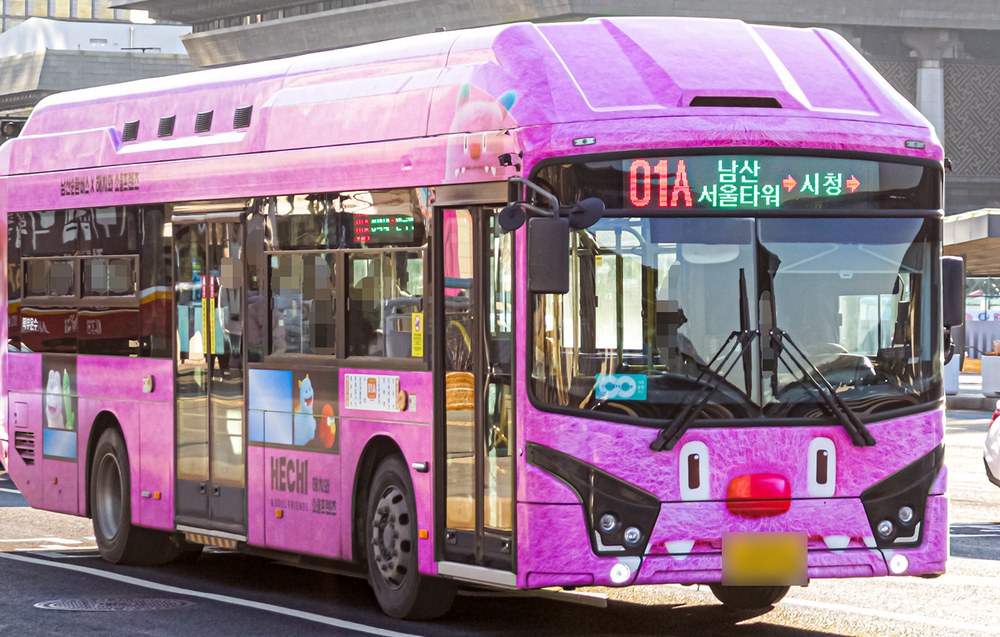
Have a card before you get to the stop. Both routes are on the cashless list, so cash won’t get you on. Tap in, and tap out at N Seoul Tower if you plan to transfer on the way back down.
If you’re traveling as two and want to share a card
On the bus, tell the driver “two” before tapping, and repeat it on the next bus. When you switch to the subway, each of you needs a card, so I’d just buy two cards on day one.
If your trip is in 2027
Plan exactly as for 2026. Foreign-card tap on city buses may arrive during the year, but without a date it can’t be counted on, and small Local buses come much later. Check the T-money news page in the week before you fly.
Common mistakes
- Assuming cash always works. 183 route numbers refuse it, including Namsan 01A and 01B.
- Paying cash across a transfer. Each bus charges the full fare again.
- Expecting to tap a foreign card or Apple Pay. Not until 2027 on city buses.
- Skipping the tap-out before a transfer. The next ride charges a base fare again.
- Sharing one card on the subway. Multi-person works on buses only.
- Treating the airport bus plan as live. Q1 2027 is T-money’s aim, not a start date.
FAQ
- Q1: Can you pay cash on Seoul buses?
- On most routes, but not all. Seoul’s January 2026 cashless-bus list has 183 route numbers out of 396 routes, including the Namsan circulation buses 01A and 01B. Carry a transit card so you don’t get caught out.
- Q2: Is it cheaper to pay a Seoul bus with T-money than cash?
- Not for a single ride. An adult on a blue or green bus pays ₩1,500 by card and ₩1,500 in cash. The card wins once you transfer, because cash gets no transfer discount.
- Q3: Can I tap my Visa, Mastercard or Apple Pay on a Seoul bus?
- Not yet. Seoul bus readers take Korean transit cards only. Foreign-card tap is planned to start on Seoul city buses in 2027, with no date announced.
- Q4: Do you tap out when getting off a bus in Seoul?
- Yes, tap every time. If you don’t transfer, nothing extra is charged; if you do, a missed tap breaks the transfer and the next ride charges a full base fare again.
- Q5: Can two people use one T-money card on a Seoul bus?
- Yes, on buses. Tell the driver how many people before you tap, and do the same on the next bus if you transfer. It doesn’t work on the subway.
- Q6: What happens if I get on a cashless bus with no card?
- Seoul’s policy is to let you ride and pay later by bank transfer or Mobile T-money. Drivers hand foreign riders an explanation sheet in English, Chinese or Japanese. Without a Korean bank account, that’s awkward; have a card before you board.
- Q7: Can I pay by card on the Seoul airport bus?
- Not with a foreign card yet. T-money signed with three airport bus companies on November 12, 2026 and aims to set up foreign card and QR payment in the first quarter of 2027, then roll it out in stages.
If it were me
On a recent iPhone with a card MobileTmoney accepts for top-ups, I’d use MobileTmoney and skip the physical card. Otherwise, I’d pick up WOWPASS at a machine in Korea, or buy a plain T-money at a convenience store on arrival if I were changing money anyway. Either way I’d keep some won for top-ups and never feed it into the fare box: cash gets no transfer discount and might meet a bus that won’t take it. For a 2027 trip, I’d prepare exactly the same and check right before leaving whether foreign-card tap has started.
Official sources
- Seoul Metropolitan Government: buses (English; bus types, fares, transfers)
- Seoul: cashless bus route numbers, January 2026 (Korean; full list)
- Seoul: city bus system and how to ride (Korean; fares)
- T-money: newsroom (Korean; foreign-card tap and airport bus announcements)
Prices and times follow the latest official announcement.
Read next
Verified
 Current
Can You Top Up T-money With a Credit Card? 2026 Answer
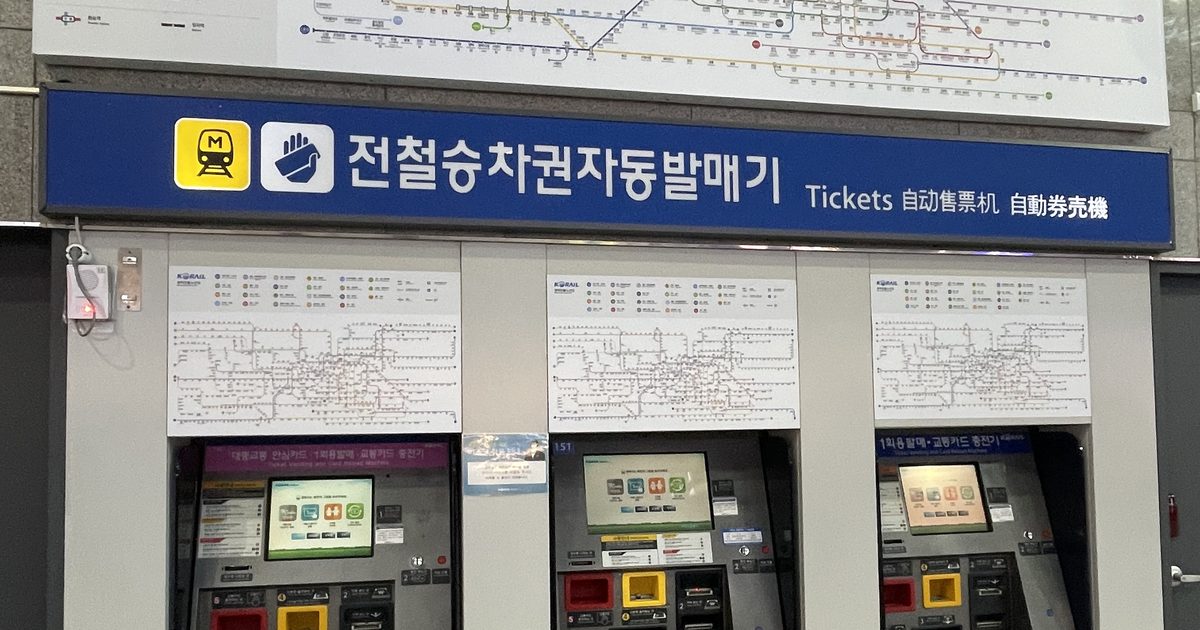
Physical T-money cards top up with cash only. Since March 17, 2026, new machines on Seoul Lines 1–8 accept foreign cards, but only for the Climate Card and single tickets. On iPhone, MobileTmoney tops up via Apple Pay with Mastercard, Amex, UnionPay or JCB, not Visa; WOWPASS fills its T-money balance in the app.
Verified
 Changed
Climate Card Seoul 2026: 1–7 Day Pass Prices, Where It Works
Tourists can buy only the 1, 2, 3, 5 and 7-day short-term passes; the 30-day card fully ended on October 1, 2026. From the same day the card works only inside Seoul, and the Gimpo, Goyang, Gwacheon, Guri, Seongnam, Hanam and Namyangju sections are no longer covered.
Verified
 Current
Incheon Airport to Seoul 2026: AREX or Airport Bus by Area
Near Seoul Station, take the AREX Express (43 minutes from Terminal 1, every 30–40 minutes in the daytime); for Hongdae or Gongdeok, the AREX All-Stop (every 4–11 minutes, 52 minutes from Terminal 1 to Hongik Univ.). For Myeongdong take airport bus 6015 or 6001, Dongdaemun DDP 6001, Gangnam Station 6020, COEX 6103. K Limousine (6701, 6702, 6703) needs a ticket before boarding at the airport. The last Express leaves Terminal 1 at 22:48.