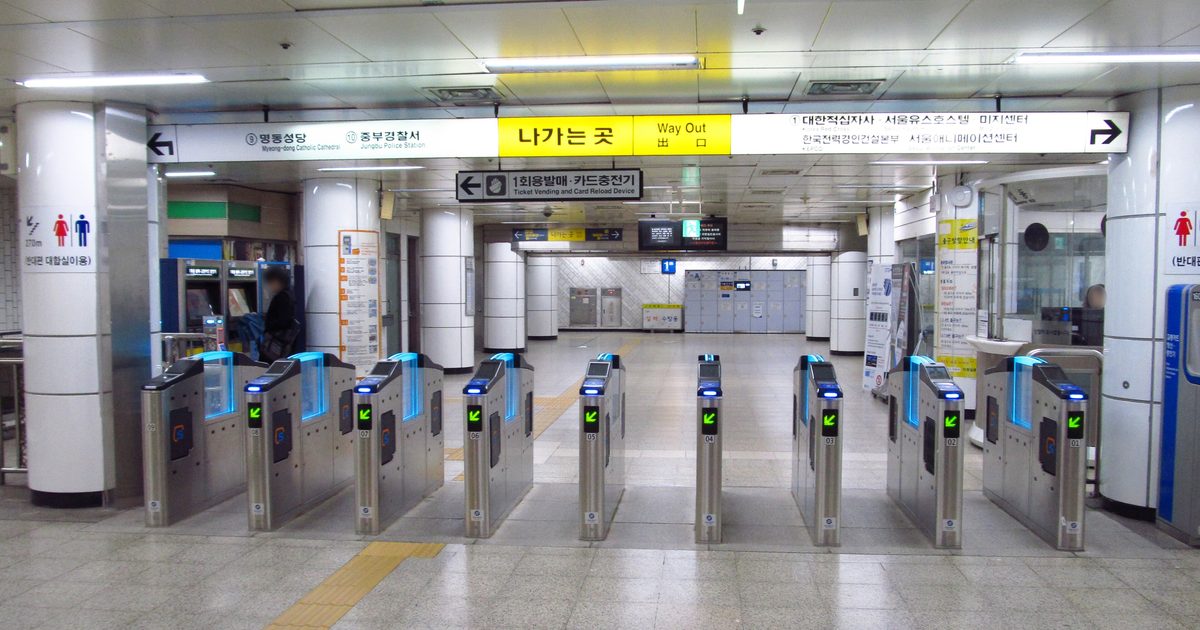
Tourists can still buy Seoul’s Climate Card, but only as a short-term pass: 1, 2, 3, 5 or 7 days, from ₩5,000 to ₩20,000, plus ₩3,000 for the card itself. The 30-day card ended on October 1, 2026, and the same day the coverage shrank to Seoul city limits: no more Gimpo, Goyang, Gwacheon or Seongnam. Two things trip people up most. A “day” is a calendar day that starts when you recharge, not 24 hours. And the card can’t be used to leave Incheon Airport, only to arrive there, so it doesn’t help on arrival day. The official name is Climate Card Short-Term Pass (기후동행카드 단기권); “recharge” is Seoul’s word for loading a pass onto the card.
- On sale to tourists: 1, 2, 3, 5 and 7-day passes. No 30-day card, and nothing you can buy before you land.
- Price: ₩5,000 (1 day) to ₩20,000 (7 days), plus a ₩3,000 card.
- A day = calendar day, starting on the day you recharge. Don’t recharge on a late-arrival evening.
- Works: Seoul subway stations and Seoul-licensed city buses.
- Doesn’t work: Sinbundang Line, GTX, stations outside Seoul, airport and wide-area express buses, Seoul Bike, Hangang Bus.
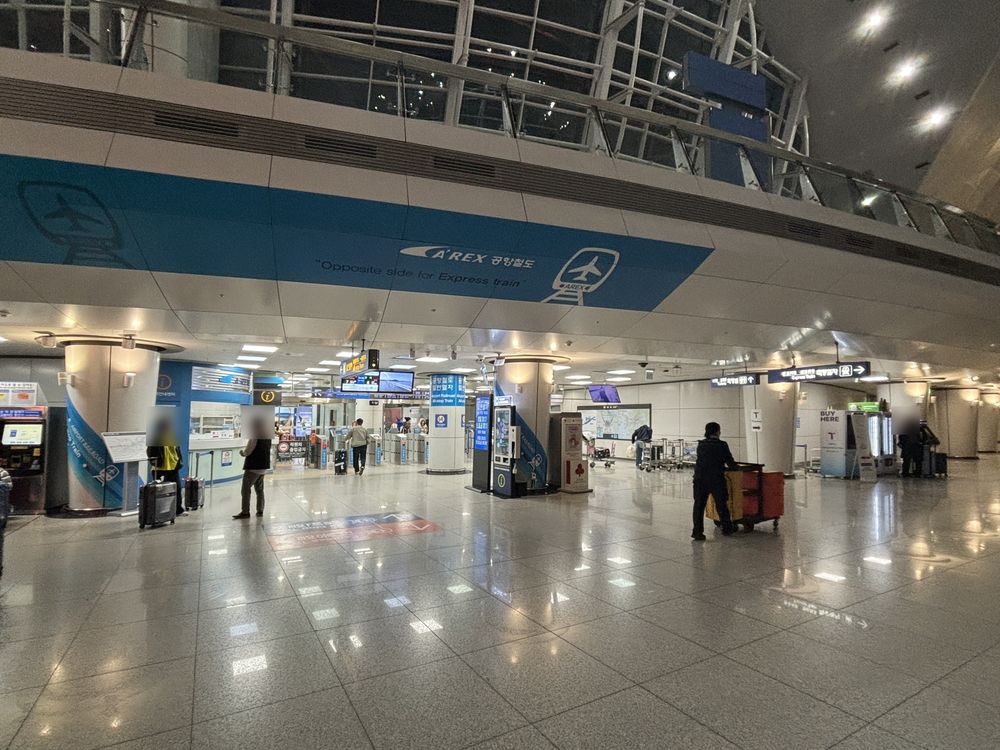
- Incheon Airport: tap out only. Arrival day needs T-money or a single ticket.
- Worth it on 3+ day passes if you ride a little more than twice a day, on average, inside Seoul.
Contents
- Who this is for
- Can tourists still buy it?
- Prices
- 24 hours or a calendar day?
- Where it works and where it doesn’t
- Climate Card vs. T-money
- Where to buy, foreign cards
- iPhone and mobile
- Incheon and Gimpo airports
- Refunds
- Discounts at attractions
- Your situation
- Common mistakes
- FAQ
- If it were me
- Official sources
Who this is for
Travelers spending several full days inside Seoul and riding the subway and buses a lot.
- You’ll be in Seoul three days or more and mostly stay in the city.
- You ride two or three times a day between neighborhoods.
- You read about the Climate Card in an older guide and want to know what still exists.
You can skip it if:
- Most of your days are trips outside Seoul: Suwon, Gapyeong and Nami Island, Everland, Pangyo, Incheon city. The card doesn’t help on those days.
- You walk most places and ride once or twice a day. A T-money card will cost less.
- You’re traveling with children. Short-term passes have no child or senior discount; see children’s fares on Korean transit.
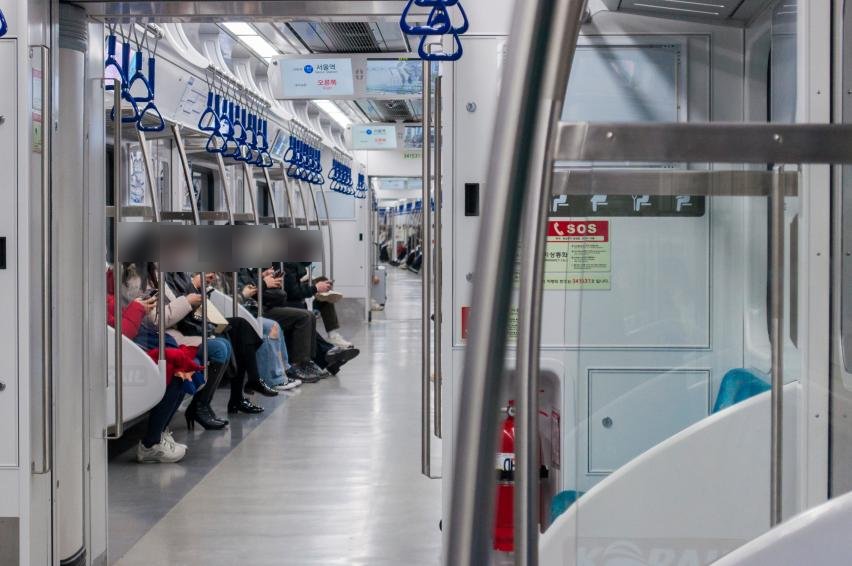
Can tourists still buy the Climate Card?
Yes, but only the short-term passes; the 30-day card is gone.
| Short-term passes | 1, 2, 3, 5 and 7 days, on sale to everyone, foreigners included |
|---|---|
| 30-day card | Ended. Last recharge August 31, 2026; fully discontinued October 1, 2026 |
| Climate Pass (its successor) | Launched September 1, 2026, for Seoul residents only, through K-Pass |
| Buy before you travel | Not possible; you buy it in Seoul |
How much are the Climate Card short-term passes?
₩5,000 for 1 day up to ₩20,000 for 7 days, plus ₩3,000 for the card the first time.
| 1-Day Pass | ₩5,000 |
|---|---|
| 2-Day Pass | ₩8,000 |
| 3-Day Pass | ₩10,000 |
| 5-Day Pass | ₩15,000 |
| 7-Day Pass | ₩20,000 |
| Physical card (first purchase) | ₩3,000 |
| Child or senior discount | None on short-term passes |
| Paying with a foreign card | Service fee averaging about 3.7% |
There are no 4-day or 6-day passes. A 7-day Youth Pass exists, but it needs age verification that in practice means Korean ID, so I’d leave it out of your plans.
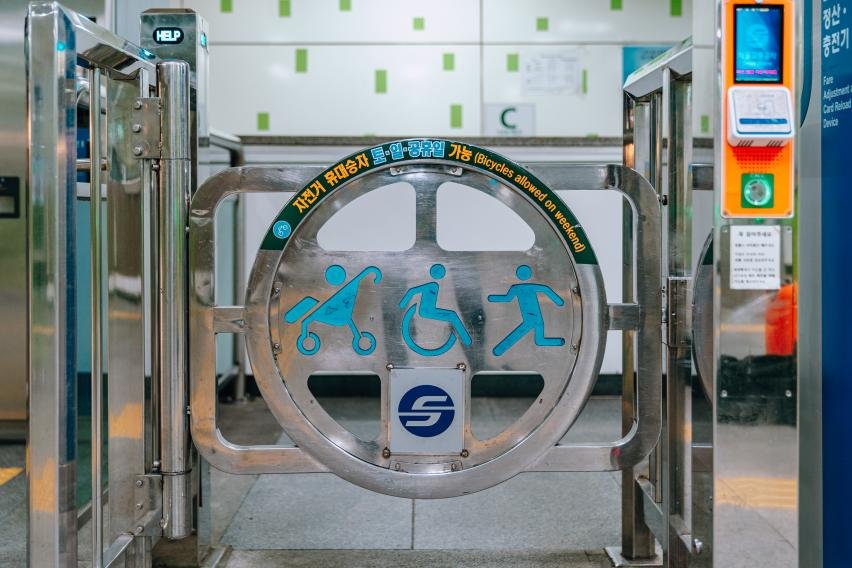
Is a 1-Day Pass 24 hours or a calendar day?
A calendar day, and it starts on the day you recharge. Seoul’s English page says it plainly: “Usage period begins on recharge date” and “Advance recharge not available.”
| How a day is counted | From the first train (04:00) on the start date to the last train on the end date (usually 04:00 the next day) |
|---|---|
| Start date | The day you recharge |
| Recharge now for a later date | Not possible |
| Last day of an N-day pass | For example, a 3-Day Pass recharged on Monday runs through Wednesday’s last train |
So don’t recharge on the evening you land. A 1-Day Pass bought at 20:00 is mostly used up; ride that night on T-money and recharge the next morning.
Where can I use the Climate Card, and where can’t I?
Subway stations inside Seoul and Seoul-licensed city buses; not the Sinbundang Line, not stations outside Seoul, not airport or express buses. This is the coverage from October 1, 2026.
| Subway | Stations inside Seoul |
|---|---|
| Incheon Airport T1, T2 stations | Tap out only: Seoul to the airport works, the airport into Seoul doesn’t |
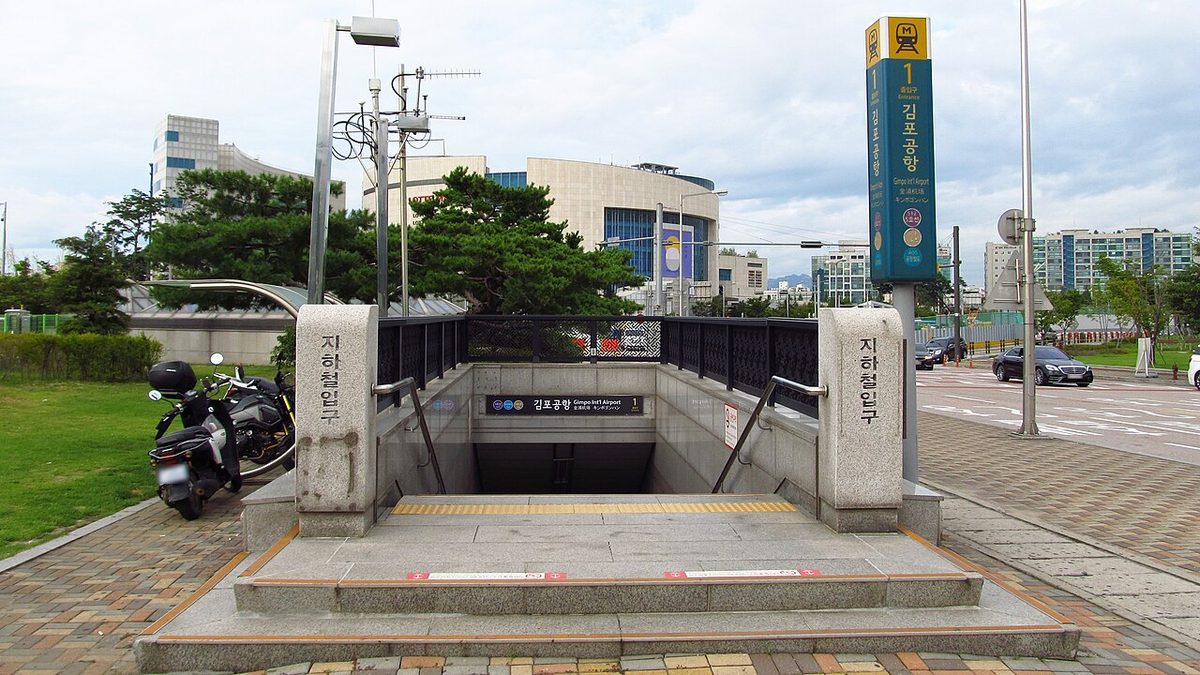
| Gimpo Int'l Airport station | Works (it’s inside Seoul) |
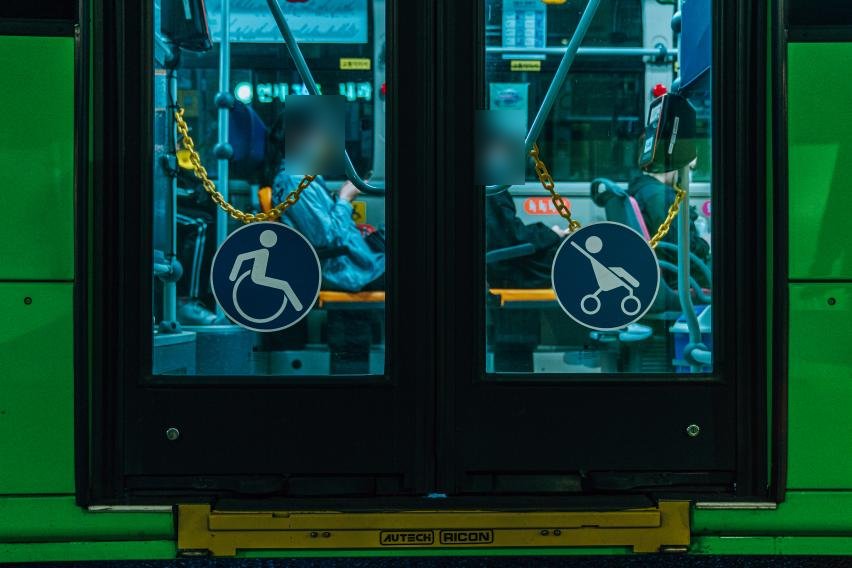
| Buses | Seoul-licensed city, town (maeul), late-night and circular buses, even where they run outside Seoul |
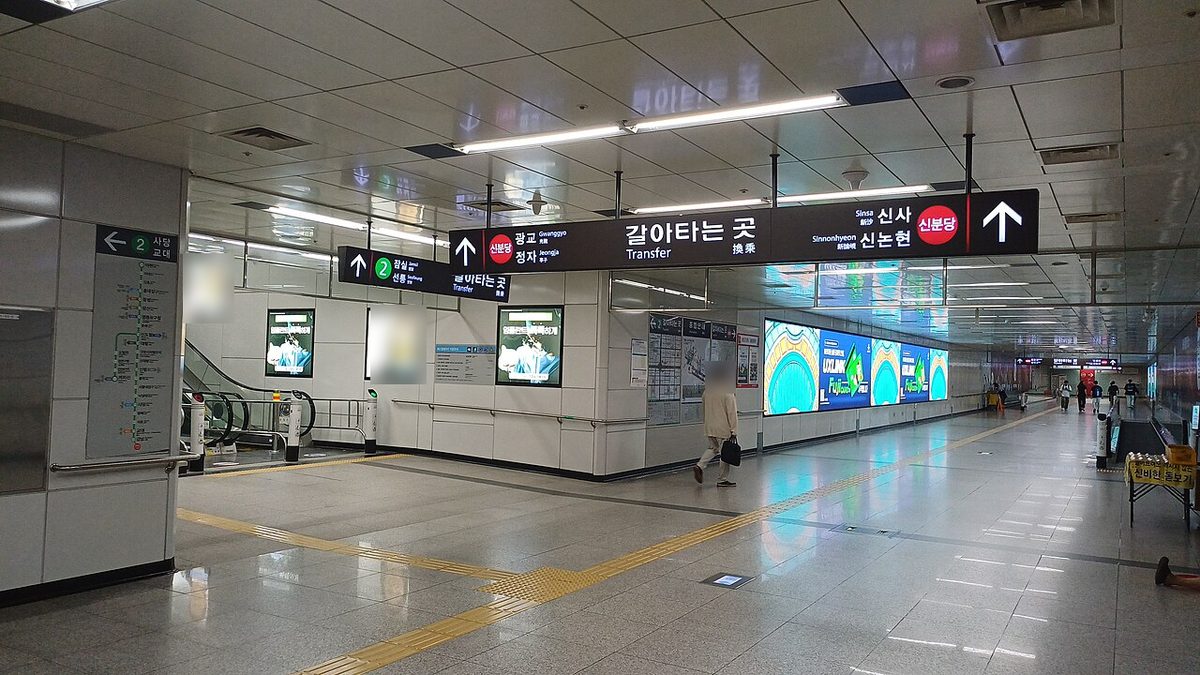
| Not covered | Sinbundang Line (including Gangnam, Sinnonhyeon, Yangjae inside Seoul), GTX, subway stations outside Seoul, express and airport buses, buses licensed by other cities |
| Board in Seoul, exit outside | Not valid; staff charge the full fare at the exit (Seoul’s example: Jongno 3-ga to Indeogwon) |
| Dropped on October 1, 2026 | Gimpo, Goyang, Gwacheon, Guri, Seongnam, Hanam, Namyangju sections |
| Seoul Bike, Hangang Bus | Not included in short-term passes |
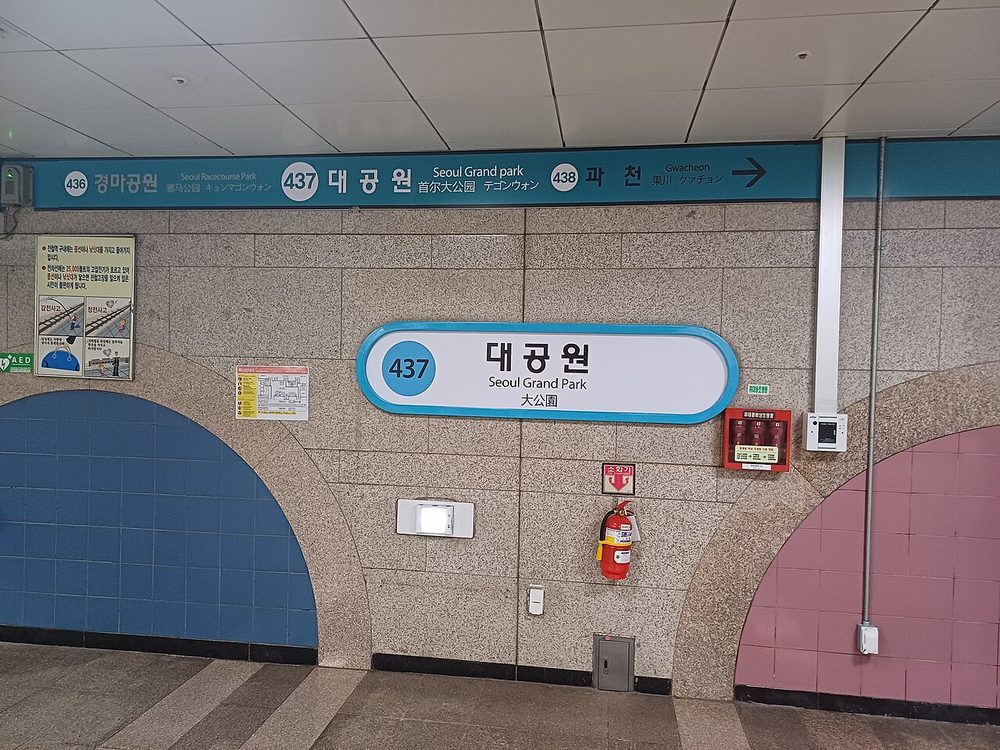
On a day trip to Suwon, Gapyeong, Nami Island, Everland, Pangyo, Incheon city or Seoul Grand Park in Gwacheon, the card won’t help. Use T-money that day.
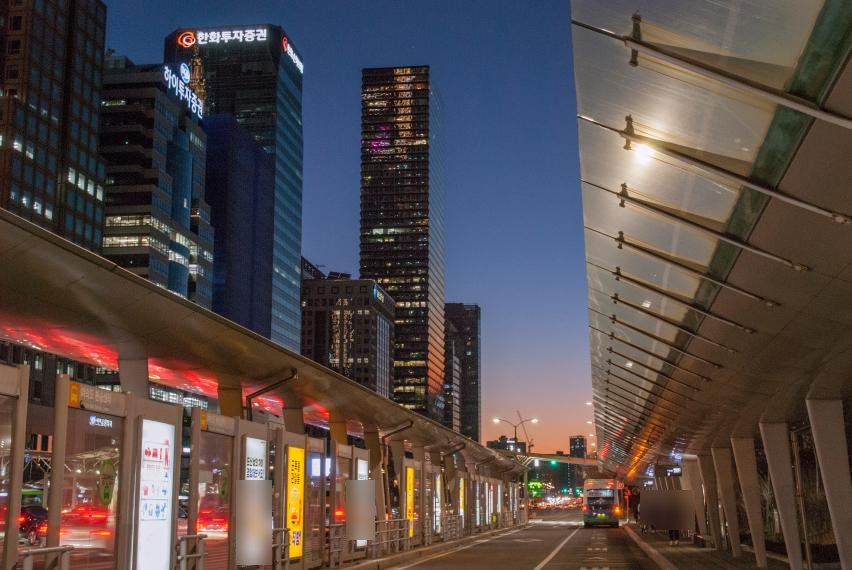
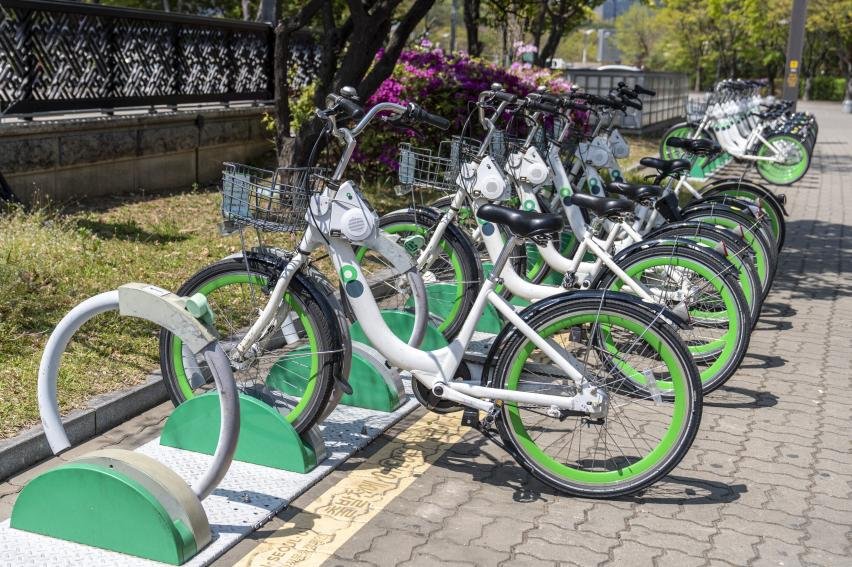
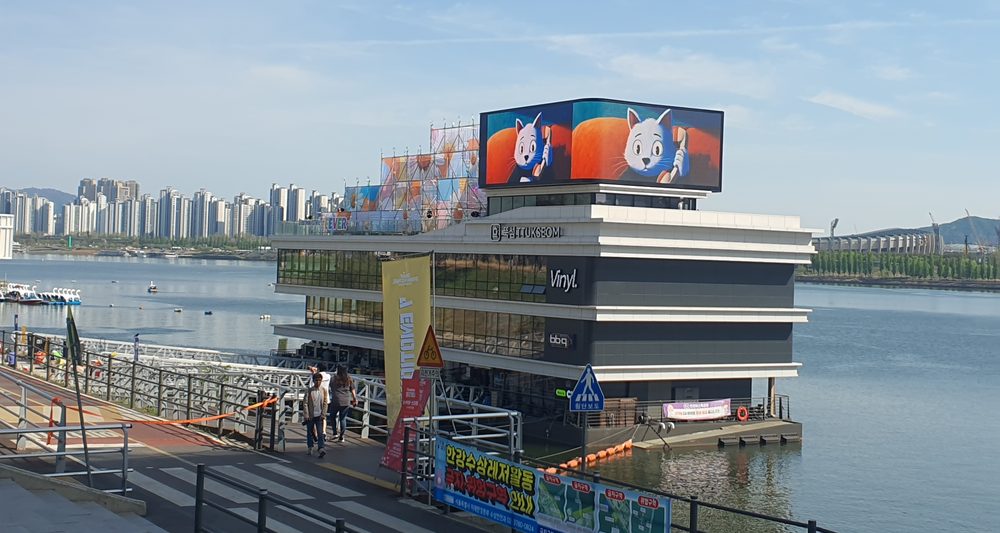
How to rent those separately: Seoul Bike for visitors and the Hangang Bus.
Is the Climate Card worth it vs. a T-money card?
On a 3-Day Pass or longer, it pays off if you ride a little more than twice a day, on average, inside Seoul. By my math, using the base subway fare on a transit card, ₩1,550 within 10 km, and not counting the card fee:
| Pass | Trips to break even | Per day |
|---|---|---|
| 1-Day Pass (₩5,000) | 4 | 4 |
| 2-Day Pass (₩8,000) | 6 | 3 |
| 3-Day Pass (₩10,000) | 7 | 2.3 |
| 5-Day Pass (₩15,000) | 10 | 2 |
| 7-Day Pass (₩20,000) | 13 | 1.9 |
- A “trip” is start to finish; a transfer within 30 minutes (60 minutes from 21:00 to 07:00) counts as the same trip.
- Rides over 10 km add 100 won per 5 km (up to 50 km), so longer rides break even sooner.
- The card fee is paid once. On a later trip to Korea, reuse the card and only the pass price counts.
I’d buy for the number of days I’ll spend entirely inside Seoul, not for the length of the trip.
Where do I buy the Climate Card? Can I pay with a foreign card?
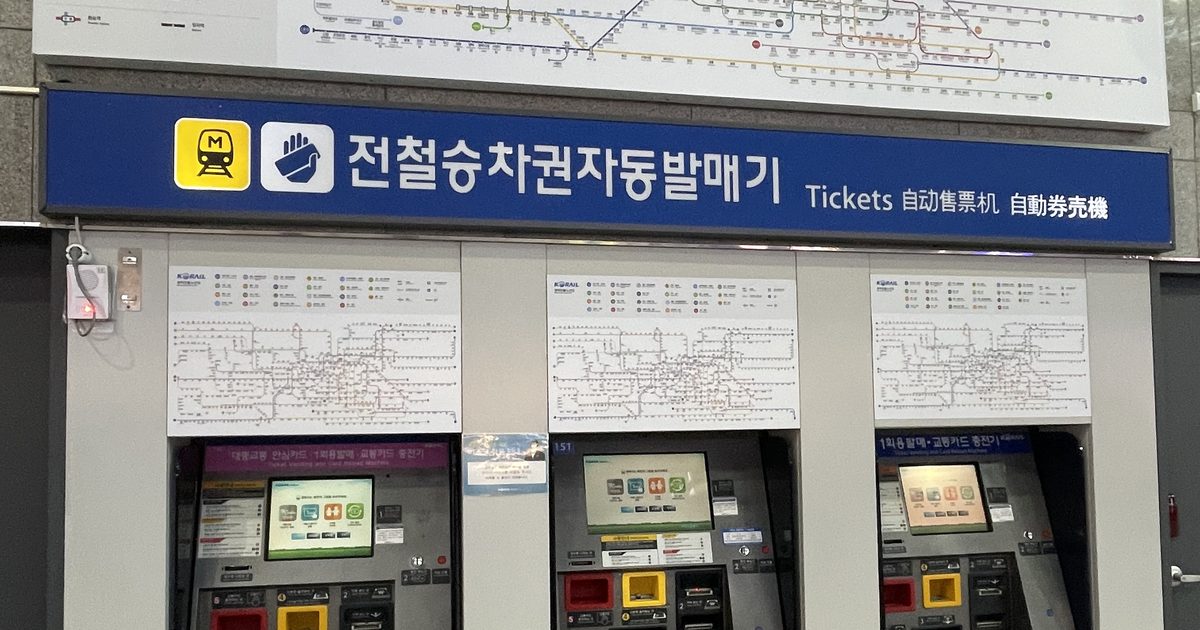
At the new ticket machines inside Seoul Metro Line 1–8 stations; since March 17, 2026, those new machines take foreign Visa and Mastercard cards, with a service fee.
| Physical card | New transit card vending machines in Seoul Metro Line 1–8 stations; convenience stores near Line 9, Ui-Sinseol Line and Sillim Line stations |
|---|---|
| Recharge a pass | Recharge machines in Line 1–8, Line 9, Ui-Sinseol, Sillim and Gimpo Goldline stations |
| Foreign cards | From March 17, 2026, the 440 new machines at 273 stations on Lines 1–8 accept foreign-issued Visa, Mastercard and similar cards, for buying the card and recharging short-term passes; average service fee about 3.7% |
| Incheon Airport station | Doesn’t sell or recharge the card |
| Registration | Register the physical card on the Tmoney Card & Pay website; unregistered cards can’t be refunded |
Buy at a larger Line 1–8 station after you arrive. If you carry some cash, pay cash and skip the 3.7%. More on what foreign cards can and can’t do at Seoul’s machines is in foreign cards at Seoul subway machines.
Can I use the Climate Card on an iPhone?
No. iPhone users need the physical card. The mobile version runs only on Android 12 or later, through Mobile Tmoney or Samsung Wallet, and needs identity verification on a phone in your own name, which in practice means a Korean phone. Most visitors use the physical card.
Can I use it from Incheon or Gimpo Airport?
From Gimpo, yes. From Incheon into Seoul, no.
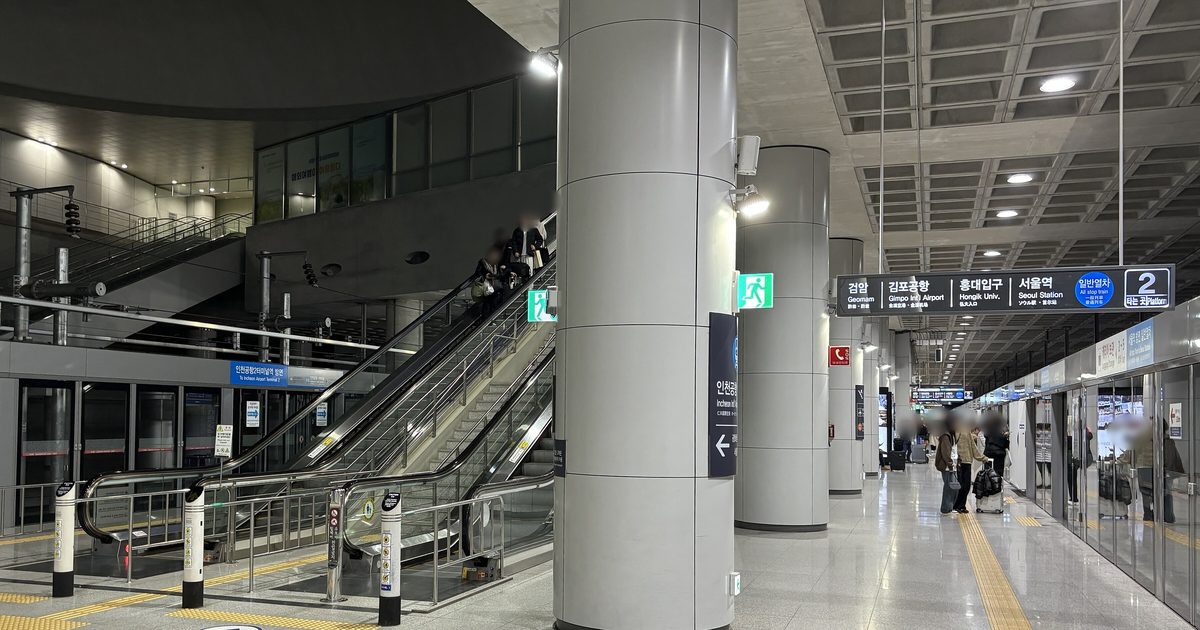
| Incheon Airport → Seoul | Not valid; you can’t tap in at T1 or T2. Use T-money or a single-journey ticket (with a deposit) |
|---|---|
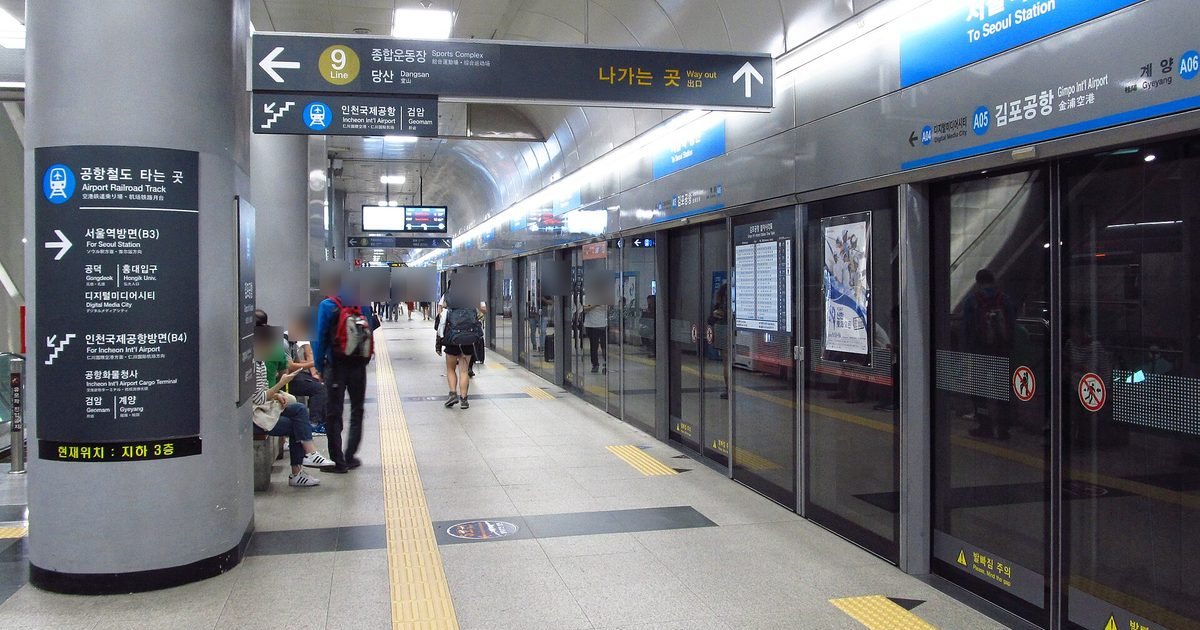
| Gimpo Airport → Seoul | Buy the card and recharge at Gimpo Int'l Airport station (Line 5) and start using it that day |
| Seoul → Incheon Airport | Valid: board the airport railroad at a Seoul station and tap out at T1 or T2 |
The AREX Express, the nonstop train between the airport and Seoul Station, is ticketed separately. If you want it on arrival day, you can buy the ticket ahead on Klook (AREX Express ticket) or KKday (AREX Express one-way). The all-stop train, buses and taxis are compared in Incheon Airport to Seoul; landing at Gimpo, see Gimpo Airport to Seoul.
Can I get a refund if I don’t use it all?
The rules allow it; on a short trip it’s hard to collect. Refund = amount recharged − fares actually used − a 500 won fee, applied for during the validity period; expired passes aren’t refunded. Seoul’s English page adds: “Foreigners without a bank account in Korea can visit the Tmoney headquarters to receive a refund.” The card also has to be registered first. I’d treat whatever I bought as spent.
Does the Climate Card give discounts at attractions?
Yes, a few, shown at the entrance with the pass during its validity period. They can’t be combined with other discounts.
| Seoul Botanic Park | 50% off |
|---|---|
| Seoul Grand Park | 50% off (it’s in Gwacheon, so the subway ride there isn’t covered) |
| Seoul Namsan & Donhwamun Traditional Theaters | 20–30% off |
| The Painters | 30% off, including one companion |
Your situation
If you land at Incheon in the evening and fly home three days later
Ride into the city on T-money. The next morning, recharge a 3-Day Pass at a Line 1–8 station. It runs through departure day, and the airport railroad from Seoul out to Incheon is covered, so the pass gets you to your flight.
If you take the KTX to Busan in the middle of your trip
Split the Seoul days. Buy a 2- or 3-Day Pass for the first stretch, and another short pass when you’re back. The card itself is reusable, so you only pay the card fee once.
If one day is a trip to Suwon, Gapyeong or Everland
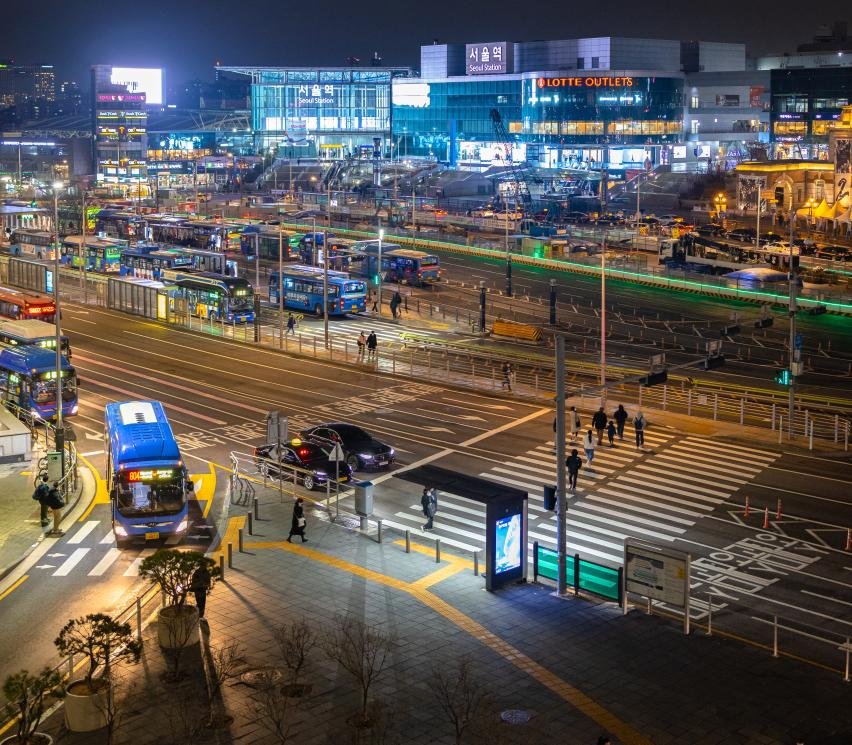
Leave that day out of the pass. Buy, for example, a 2-Day Pass for the days before and a 1-Day or 2-Day Pass for the days after, and use T-money on the day out of town.
Common mistakes
- Looking for the 30-day card. It ended October 1, 2026.
- Recharging on arrival night. The first day ends with that night’s last train.
- Tapping in at Incheon Airport. You can only tap out there.
- Taking the Sinbundang Line from Gangnam. Not covered anywhere on the line.
- Riding from Seoul to a station outside the city. The full fare is charged at the exit.
- Planning to use it in Gimpo, Goyang, Seongnam or Gwacheon. Those sections were dropped on October 1, 2026.
- Expecting it to cover Seoul Bike or the Hangang Bus. Short-term passes don’t.
- Skipping registration and then wanting a refund. Unregistered cards can’t be refunded.
FAQ
- Q1: Can tourists still buy the Climate Card in Seoul?
- Yes, the short-term passes: 1, 2, 3, 5 and 7 days. The 30-day card ended on October 1, 2026, and its replacement, the Climate Pass, is for Seoul residents only.
- Q2: How much is the Climate Card for tourists?
- From ₩5,000 for 1 day to ₩20,000 for 7 days. The physical card costs ₩3,000 the first time you buy it.
- Q3: Is the Climate Card 1-Day Pass valid for 24 hours?
- No, it’s a calendar day. It runs from the first train (04:00) on the day you recharge to the last train, usually 04:00 the next morning. You can’t recharge in advance for a later date.
- Q4: Can I use the Climate Card from Incheon Airport to Seoul?
- No. At Incheon Airport T1 and T2 stations you can only tap out, not in. It works from Seoul to the airport, but on arrival day you need a T-money card or a single-journey ticket.
- Q5: Does the Climate Card work on the Sinbundang Line?
- No, not anywhere on it, including Gangnam, Sinnonhyeon and Yangjae inside Seoul. At Gangnam, use the Line 2 gates.
- Q6: Can I pay for the Climate Card with a foreign credit card?
- Yes, at the new ticket machines on Seoul Metro Lines 1–8, with a service fee averaging about 3.7%. Pay cash and there’s no fee.
- Q7: Can I use the Climate Card on an iPhone?
- No. The mobile version is Android 12 or later only and needs identity verification on a phone in your own name. iPhone users use the physical card.
- Q8: Can I get a refund on an unused Climate Card pass?
- On paper, yes; on a short trip, hardly. You must register the card and apply during the validity period, and foreigners without a Korean bank account have to go to Tmoney headquarters in person.
If it were me
Three or more full days inside Seoul, hopping between neighborhoods, I’d buy the Climate Card and pay cash for it, sized to the days I’d spend entirely in the city. I wouldn’t recharge on the evening I landed, and I’d keep a T-money card for arrival day and for any day outside Seoul. With only a day or two, or a trip built around Suwon, Gapyeong or Everland, I’d skip it and use T-money throughout. On an iPhone, the physical card is the only option anyway.
Official sources
- Seoul Metropolitan Government: Climate Card (English) (passes, prices, coverage, refunds, benefits)
- Seoul Transportation: Climate Card short-term pass (Korean)
- Seoul Metro: fares (Korean)
Prices and times follow the latest official announcement.
Read next
Verified
 Current
Can You Top Up T-money With a Credit Card? 2026 Answer
Physical T-money cards top up with cash only. Since March 17, 2026, new machines on Seoul Lines 1–8 accept foreign cards, but only for the Climate Card and single tickets. On iPhone, MobileTmoney tops up via Apple Pay with Mastercard, Amex, UnionPay or JCB, not Visa; WOWPASS fills its T-money balance in the app.
Verified
 Current
Incheon Airport to Seoul 2026: AREX or Airport Bus by Area
Near Seoul Station, take the AREX Express (43 minutes from Terminal 1, every 30–40 minutes in the daytime); for Hongdae or Gongdeok, the AREX All-Stop (every 4–11 minutes, 52 minutes from Terminal 1 to Hongik Univ.). For Myeongdong take airport bus 6015 or 6001, Dongdaemun DDP 6001, Gangnam Station 6020, COEX 6103. K Limousine (6701, 6702, 6703) needs a ticket before boarding at the airport. The last Express leaves Terminal 1 at 22:48.
Verified
 Current
Gimpo Airport to Seoul 2026: Which Train to Myeongdong, Hongdae, Gangnam
Hongdae and Seoul Station: AREX All-Stop Train, 14 and 22 minutes. Dongdaemun and Jongno: Line 5 direct, about 46 and 41 minutes. Gangnam: Line 9 to Sinnonhyeon, 33 minutes. Myeongdong: AREX to Seoul Station, then Line 4, about 46 minutes. There’s no AREX Express from Gimpo, and the airport’s bus list has no 6021 and no airport bus to these areas. On Saturdays and holidays Line 9’s last train leaves at 23:06.