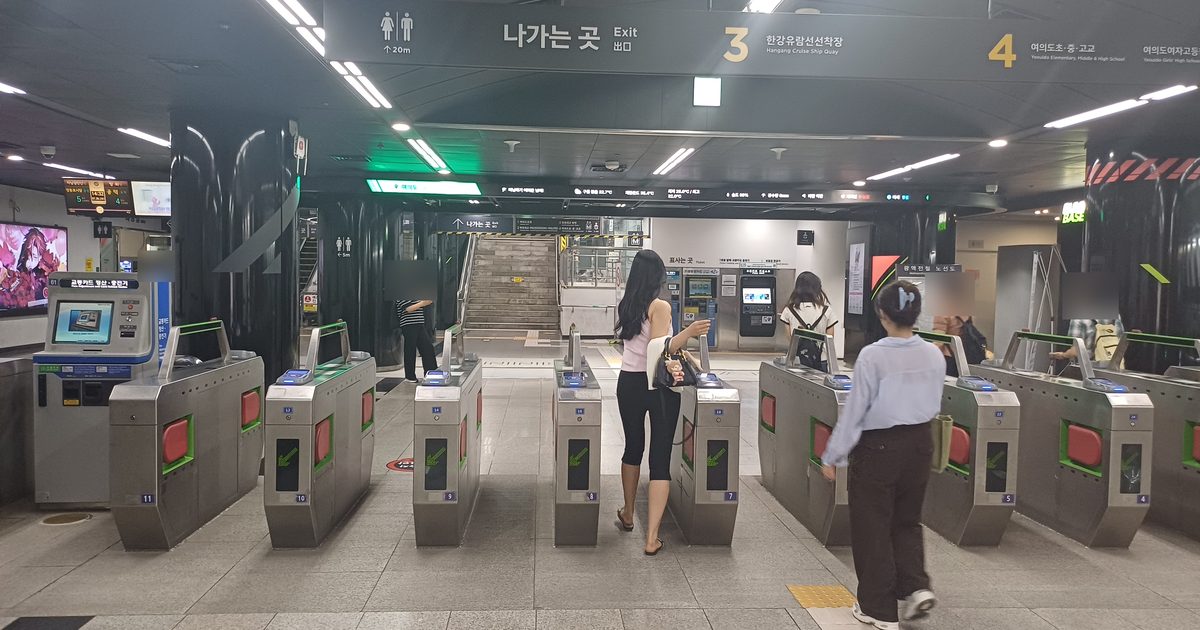
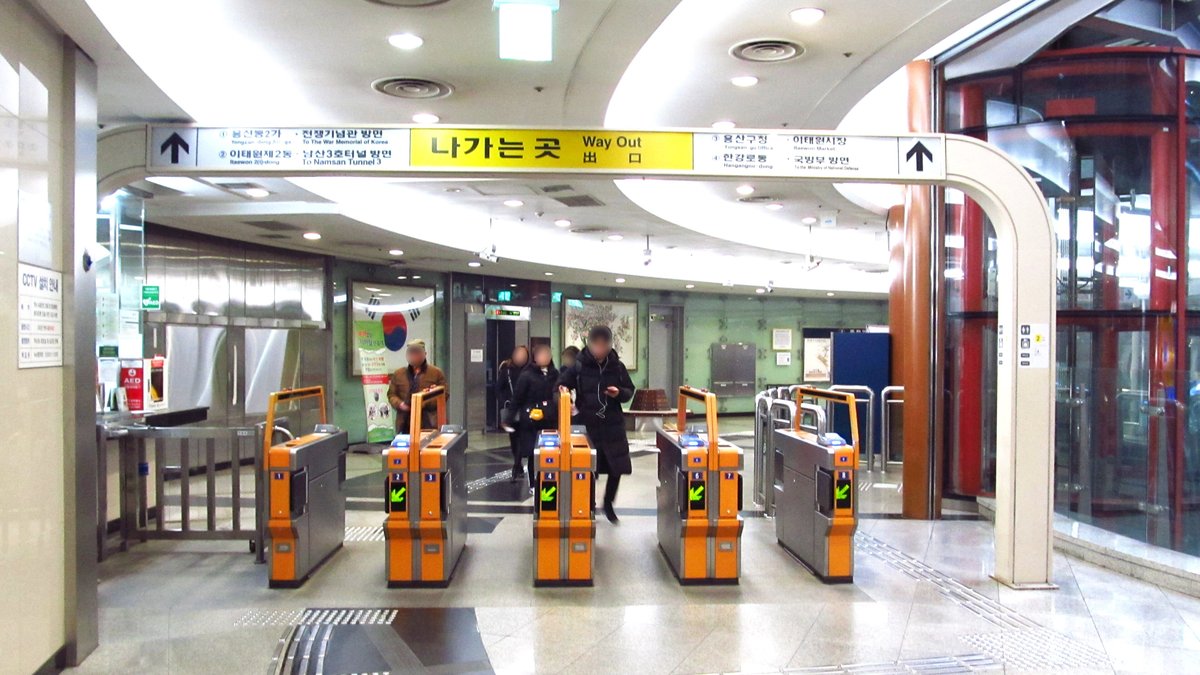
On the Seoul subway and city buses, children under 6 ride free with an adult, up to three per adult. A 6–12 year old pays ₩550 a subway ride and a 13–18 year old pays ₩900, against ₩1,550 for an adult. The catch is the card: a regular T-money charges the adult fare until it’s registered with the child’s birth date, and the gate doesn’t tell you. In Busan, 6–12 year olds ride free on a registered card. Long-distance and airport transport works differently: the KTX, the AREX Express Train and the airport buses each let only one under-6 ride free per adult. The rules apply to foreign children the same way, and ages are your child’s actual age, not “Korean age”.
- Age bands: under 6 infant, 6–12 child, 13–18 youth, 19 and up adult.
- Under 6: free on the Seoul subway and buses with an adult, up to three per adult.
- 6–12 in Seoul: ₩550 on the subway within 10 km, on a card registered as a child’s.
- 6–12 in Busan: free on buses and the subway, on a card registered as a child’s.
- 13–18: ₩900 on the Seoul subway; adult fare on the KTX and the AREX Express Train.
- Register the card at a convenience store with the child’s passport, ideally when you buy it.
- KTX: 6–12 is 50% off; an under-6 with their own seat is 75% off.
Contents
Who this is for
Families traveling in Seoul or Busan with children under 19.
- You want to know what each child pays before you budget.
- You’re deciding whether your kids need their own transit cards.
- You’re taking the AREX, an airport bus or the KTX with babies or toddlers.
You can skip it if:
- All your children are under 6 and you’ll only use the subway and city buses. They ride free with you, no card needed.
- You’ll drive a rental car everywhere. Only the car seat section applies to you.
What age counts as a child on Korean transit?
Under 6 is an infant, 6–12 a child and 13–18 a youth, by actual age, and foreign children are counted the same way. Seoul Metro’s terms of carriage state that foreigners get these three categories and are otherwise charged as adults. A 13-year-old who is still in elementary school also counts as a child. One thing to watch: Seoul Metro’s English fare page says youths are 13–19. The Korean fare page and the terms of carriage, which are the binding rules, say 13–18.
| Infant / toddler (유아) | Under 6 |
|---|---|
| Child (어린이) | 6–12 |
| Youth (청소년) | 13–18 |
| Adult | 19 and up |
| KTX and other KORAIL trains | No youth fare: 6–12 is a child, 13 and up pay the adult fare |
How many under-6s can ride free with one adult?
Three on the subway, city buses and the AREX all-stop train; one on the KTX, the AREX Express Train and the airport buses. This is where families with two small children get caught: the city rule doesn’t carry over to the airport or the long-distance train.
| Transport | Free under-6s per adult |
|---|---|
| Seoul subway | Up to 3; the 4th pays the child fare |
| Seoul city buses | Up to 3 |
| AREX all-stop train | Up to 3 |
| AREX Express Train | 1, without a seat |
| Airport limousine buses (공항리무진) | 1 preschool child; a seat or a 2nd child pays the child fare |
| K Limousine | 1 under-6, without a seat |
| KTX and all KORAIL trains | 1, without a seat; a seat is 75% off |
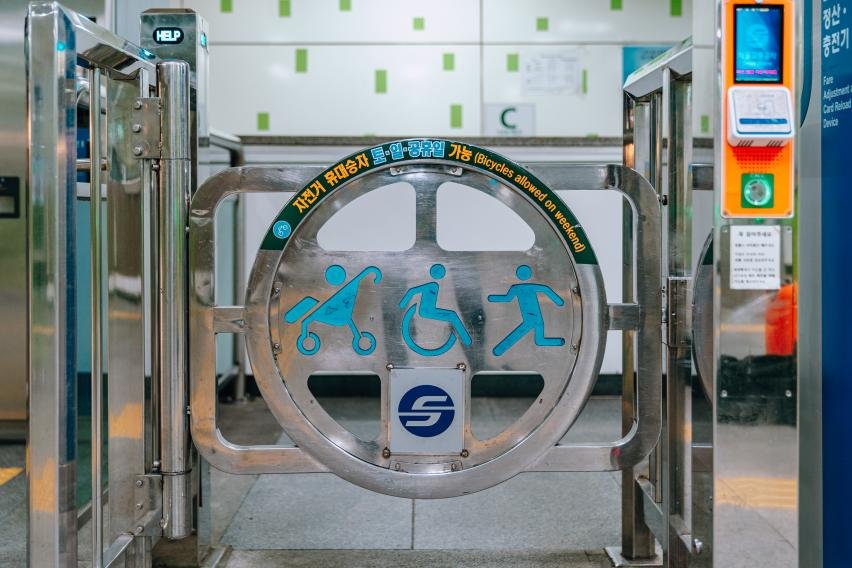
On the subway, a child under 6 riding without an adult pays the child fare.
How much does a child pay on the Seoul subway?
A 6–12 year old pays ₩550 and a 13–18 year old pays ₩900 within 10 km, on a registered card. Beyond 10 km, each extra 5 km adds 100 won for adults, 80 for youths and 50 for children, up to 50 km.
| Who | Transit card | Single journey ticket |
|---|---|---|
| Adult | ₩1,550 | ₩1,650 + ₩500 deposit |
| Youth 13–18 | ₩900 | No youth ticket; buy an adult one |
| Child 6–12 | ₩550 | ₩550 + deposit |
| Under 6 | Free | Free |
For a 6–12 year old, the child single journey ticket costs the same as the registered card, so skipping the card doesn’t cost more per ride. What it costs is time: a ticket from the machine before every trip and a deposit refund after. A teenager has no single-ticket discount at all, so for 13–18 the registered card is the only way to the youth fare.
Does my child need their own T-money, and how do I register it?
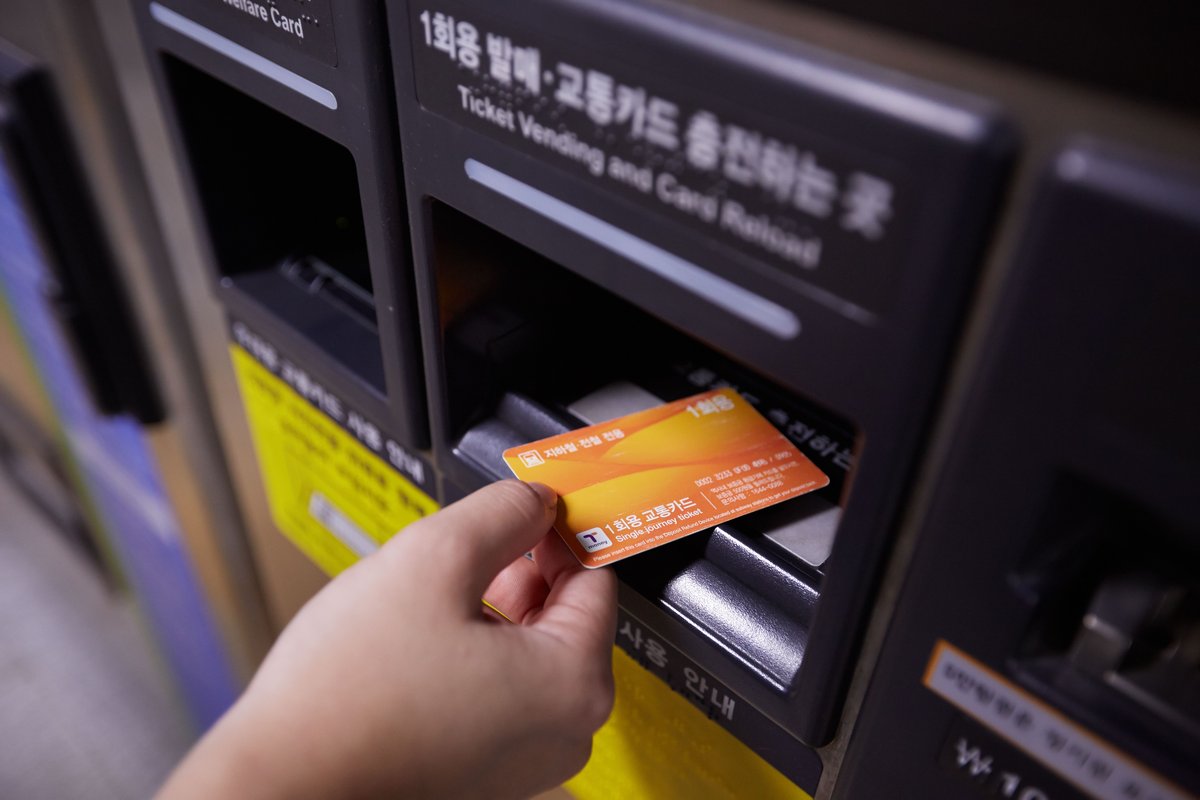
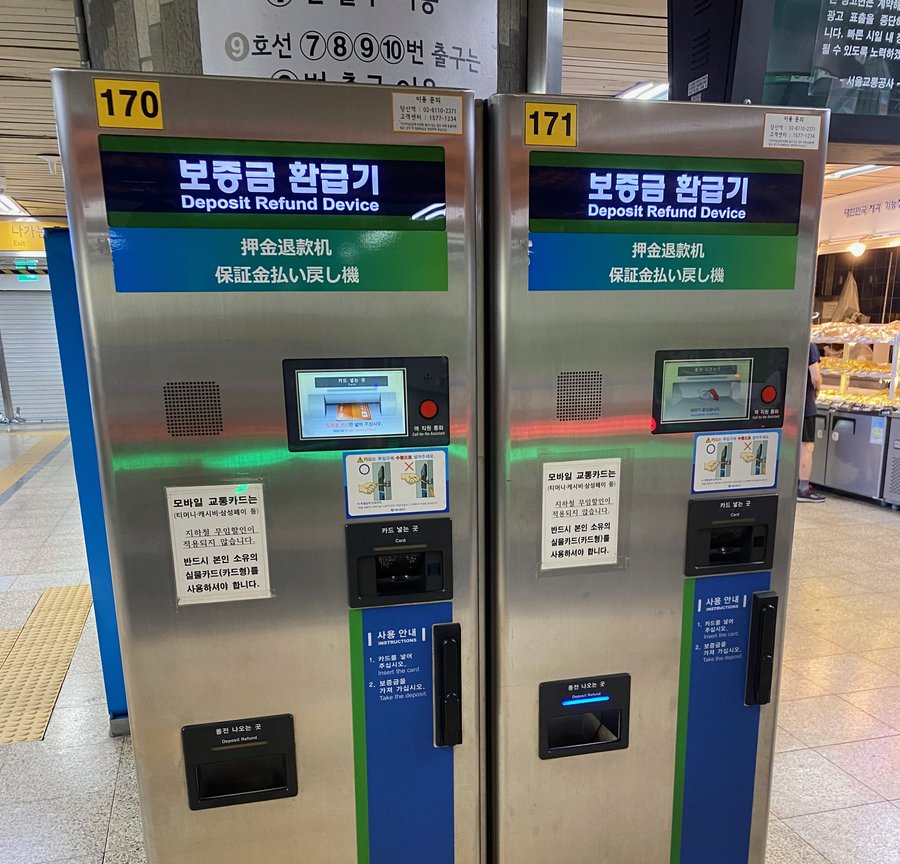
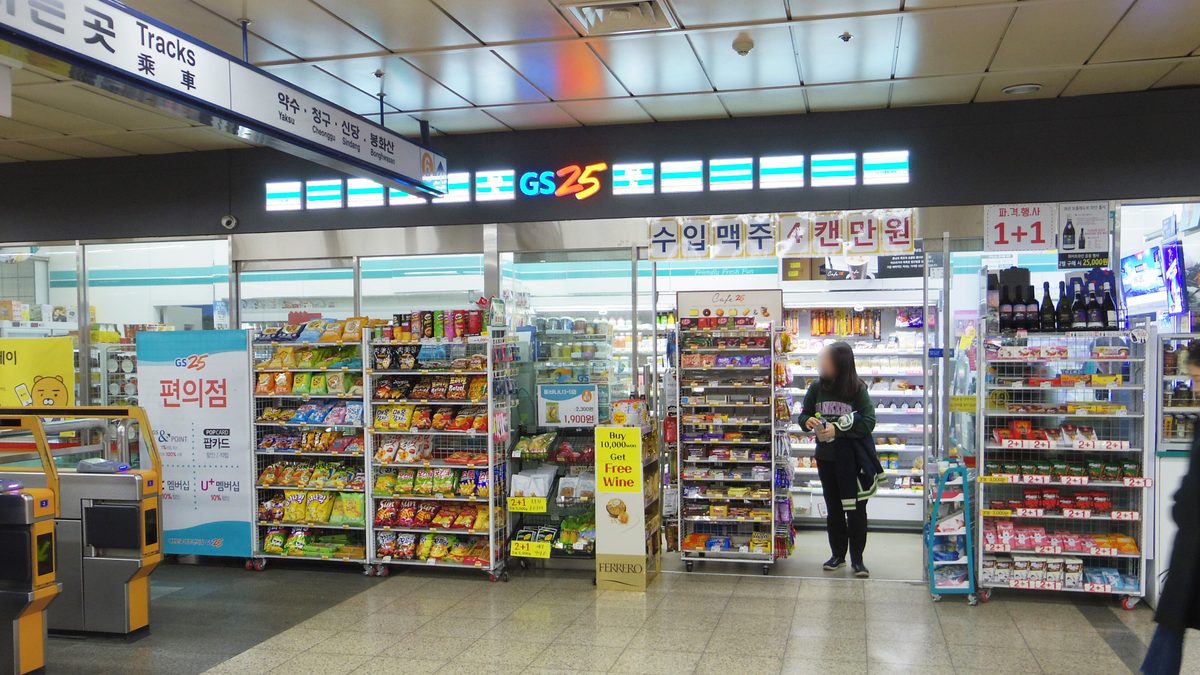
Yes, from age 6, and the card has to be registered with the child’s birth date or it charges the adult fare. Nothing warns you at the gate. The easiest way is to register the card in the same place you buy it.
| Where | Convenience stores (GS25, CU, 7-Eleven, Ministop), or a station customer service center on Seoul Metro Lines 1–8 or the Incheon Subway |
|---|---|
| Bring | The card and the child’s passport |
| Cards sold as child or youth cards | Register the birth date within 10 days of first use; after that they charge the adult fare |
| One card covers | One person |
Two rules matter once the cards are in your pockets. If an adult taps a child or youth card, the fare is invalid and the penalty is the adult single-journey fare plus 30 times that amount. And a youth card can be checked, with the rider asked for proof of age, so a 13–18 year old should carry their passport.
How much do kids pay on Seoul buses?
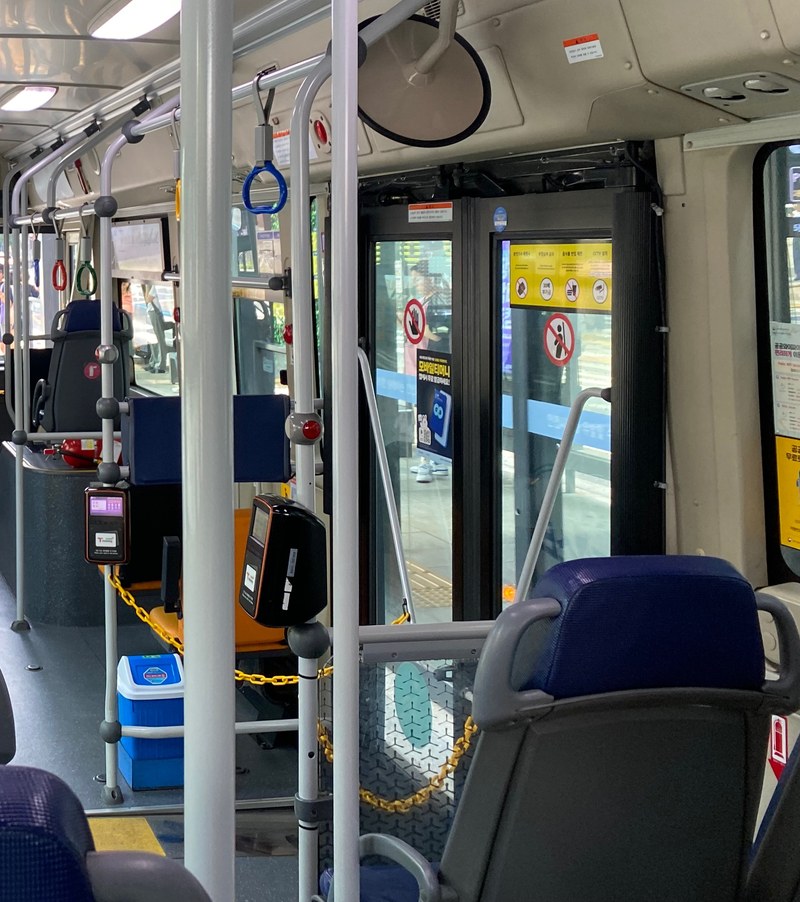
On a blue or green bus, ₩550 for a child and ₩900 for a youth on a registered card; under-6s are free, up to three per adult. Children pay the same in cash as by card. Youths only get ₩900 on a registered card; in cash it’s ₩1,000.
| Bus | Adult | Youth (card / cash) | Child (card / cash) |
|---|---|---|---|
| Trunk and branch (blue, green) | ₩1,500 | ₩900 / ₩1,000 | ₩550 / ₩550 |
| Circular, lower-fare branch | ₩1,400 | ₩800 / ₩800 | ₩500 / ₩500 |
| Express (red) | ₩3,000 | ₩1,700 / ₩1,800 | ₩1,500 / ₩1,500 |
| Late-night | ₩2,500 | ₩1,600 / ₩1,800 | ₩1,400 / ₩1,400 |
| Village bus (마을버스) | ₩1,200 | ₩600 / ₩600 | ₩400 / ₩400 |
Adult fares are the card price; adults pay the same in cash on all five types.
Is public transport free for kids in Busan?
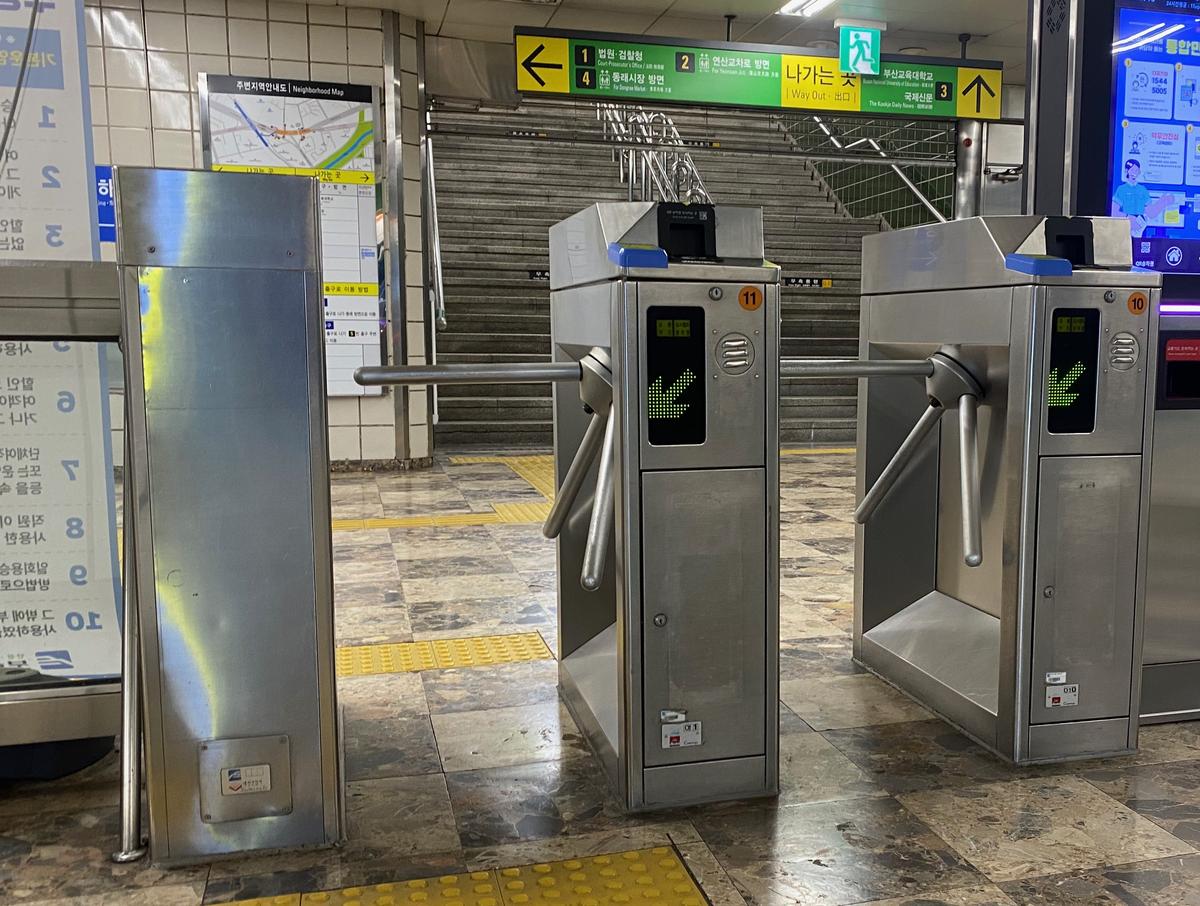
Yes, for 6–12 year olds tapping a card registered as a child’s, and the City of Busan says this includes foreign children. Seoul gives kids roughly half fare; Busan makes them free. Both only work on a registered card.
| Free for 6–12 | City buses, village buses, the Busan subway, the Busan–Gimhae Light Rail |
|---|---|
| Not free | The Donghae Line; the out-of-city section of bus 2000 |
| Paying cash | Child cash fare |
| Scanning the ZeroPay QR on a bus | Charged ₩1,700, children included |
| Where to register | Convenience stores (7-Eleven, GS25, CU, emart24) |
What do kids pay on the AREX and airport buses?
On the AREX Express Train a child pays ₩9,500, a youth pays the adult ₩13,000, and one under-6 per adult rides free without a seat. The AREX all-stop train works like the subway: registered child and youth cards get their discount automatically, and up to three under-6s ride free per adult.
AREX (Airport Railroad Express)
| Express Train (Seoul Station – Incheon Airport, nonstop) | All-stop train | |
|---|---|---|
| Child 6–12 | ₩9,500 | ₩550 base, plus 50% of the adult distance charge |
| Youth 13–18 | Adult fare, ₩13,000 | ₩900 base, plus 80% of the adult distance charge |
| Under 6 | 1 free per adult, no seat; a 2nd child or a seat needs a child ticket | Up to 3 free per adult |
Buy the Express Train child ticket before you board. The AREX terms say a discount can’t be applied once you’re on the train. AREX publishes the all-stop rule rather than a station-by-station child fare table, so let the registered card work it out.
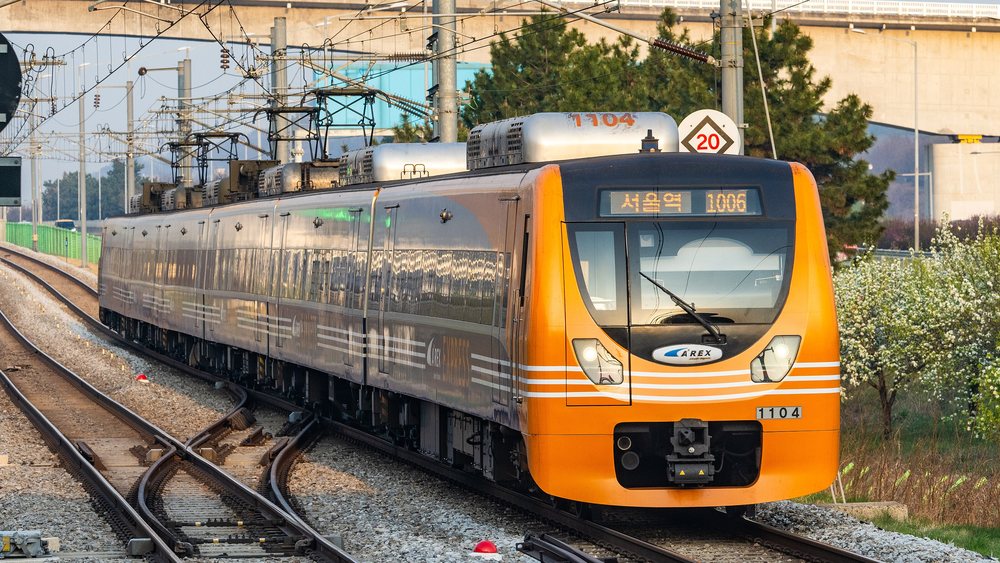
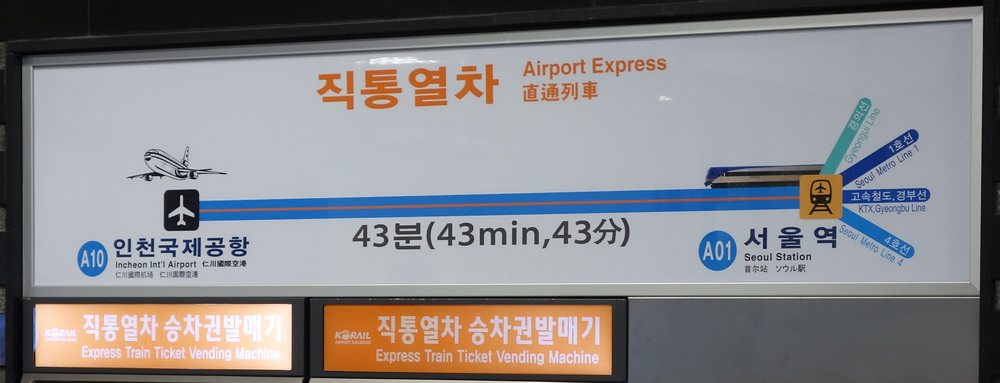
If you take the Express Train and check in for your flight at Seoul Station before heading out, Seoul Station city airport check-in covers which airlines can use it.
Airport buses from Incheon
| Bus | Adult | Child | Under 6 |
|---|---|---|---|
| Airport limousine buses (공항리무진), central Seoul nonstop | ₩17,000 | ₩12,000, elementary school pupils only | 1 preschool child free per adult |
| K Limousine (67xx) | ₩18,000 | ₩12,000, ages 6–12 | 1 free per adult, no seat |
| Late-night N6000, N6002 | ₩17,000 | ₩10,000 | |
| Late-night N6701, N6703 | ₩18,000 | ₩12,000 |
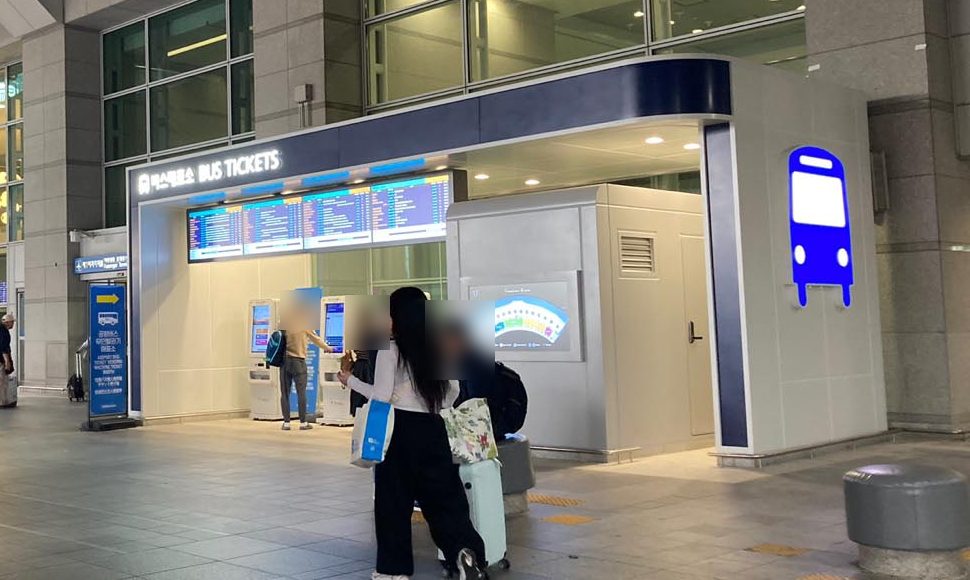
On the airport limousine buses the child fare stops at elementary school; from middle school, a child pays the adult fare. A preschooler who needs a seat, or a second preschooler, pays the child fare. On K Limousine from Incheon, buy tickets at the ticket booth or a kiosk before you get on.
Do kids need a KTX ticket?
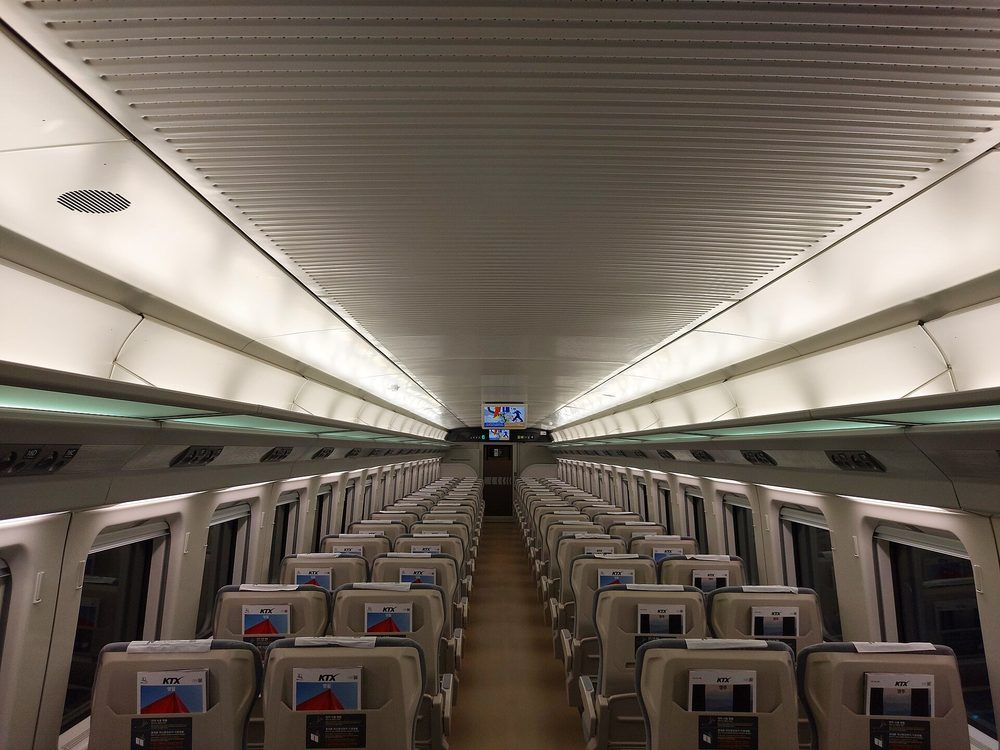
Under 6 on your lap rides free, one per adult; a seat for them is 75% off; 6–12 is 50% off; 13 and up pay the adult fare. These discounts apply on every KORAIL train, and they come off the base fare only, not the first-class supplement.
| Child 6–12 | 50% off the adult fare |
|---|---|
| Under 6, on a lap | Free, one per adult |
| Under 6, own seat | 75% off the adult fare |
| 13 and up | Adult fare (no youth fare) |
When you book, set the number of children and infants in the passenger fields and the discount appears at payment. With two under-6s and one adult, one can ride free on a lap; the other needs a seat. Where foreigners can book KORAIL tickets and which cards work is in how far ahead you can book the KTX.
If you’re buying a seat for an under-6, book on KORAIL’s own site. Klook’s rail FAQ tells you to buy a child ticket for an infant who needs a seat; on KORAIL that’s 50% off, while KORAIL’s own infant seat is 75% off. For children 6 and up and the adults, Klook’s Korea rail page is another place to book. Klook: Korea train tickets →
Is there a kids’ Climate Card?
No child version, and the youth price isn’t realistic for visitors. A 6–12 year old just uses a registered child T-money. The short-term Climate Card (기후동행카드) is ₩20,000 for 7 days. A youth 7-day pass at ₩13,000 exists since September 1, 2026, but it requires age verification in the T-money app or website against a Korean resident registration birth date, renewed every year. Budget a visiting teenager at the adult price.
Do kids need a car seat in Korean taxis?
By law, under-6s should be in a car seat with a seat belt, but in a taxi the driver isn’t fined if passengers were told and didn’t comply. The law makes the driver responsible for every passenger’s seat belt and for a car seat for under-6s, with a fine of up to 200,000 won on the driver. Taxis and buses carve out the case where the driver asked and the passenger refused. If you rent a car, in Jeju for example, the driver is you, so the car seat is on you. Arrange one with the rental company when you book.
Your situation
If you have a 7-year-old and a 4-year-old in Seoul for five days
Buy the 7-year-old a T-money at a convenience store and have it registered as a child’s card on the spot, with their passport. The 4-year-old needs nothing and rides free with either adult. On the AREX Express Train, buy a child ticket for the 7-year-old; the 4-year-old rides free without a seat.
If you’re taking a 14-year-old to Seoul and Busan
Register their card as a youth card: ₩900 a ride on the Seoul subway. On the KTX and the AREX Express Train they pay the adult fare. Busan has youth fares but nothing free at this age. Their passport goes in their own pocket.
If you’re taking a 2-year-old and a 5-year-old on the KTX to Busan
With one adult, one child rides free on your lap and the other needs a seat at 75% off. With two adults, both can ride on laps, though on a trip of a few hours a seat at 75% off is worth it. The same one-per-adult limit applies on the airport buses and the AREX Express Train.
Common mistakes
- Handing a child a plain T-money. It charges the adult fare on every tap until it’s registered.
- Grabbing the wrong card. An adult tapping a child’s card is fined the fare plus 30 times.
- Assuming two toddlers ride free everywhere. Only on the subway, city buses and AREX all-stop trains. On the KTX, the AREX Express Train and the airport buses, it’s one per adult.
- Budgeting a 13-year-old at the child fare on the KTX. KORAIL has no youth fare; 13 is adult.
- Getting on the AREX Express Train first and asking for the child fare later. Buy it before boarding.
- Trusting the age on Seoul Metro’s English fare page. Youth ends at 18, not 19.
What I would do
On arrival at Incheon, I’d buy T-money cards at the first convenience store for every child aged 6 and up and have them registered on the spot, passport in hand, before the first ride. Then the AREX Express Train to Seoul Station, with a child ticket bought at the machine for anyone 6–12 and the under-6 on a lap. In Seoul each child taps their own card, the under-6s walk through with an adult, and the adult cards stay in a different pocket from the kids’ cards. For the KTX to Busan, I’d book on KORAIL’s site, with a 75%-off seat for an under-6 on anything longer than a short hop. In Busan the registered child cards ride free with nothing more to do.
FAQ
- Q1: Do kids ride the Seoul subway for free?
- Under 6, yes, with a paying adult; one adult can take up to three. A fourth child pays the child fare, and an under-6 riding alone pays the child fare too.
- Q2: How much is the Seoul subway for a child?
- ₩550 for ages 6–12 and ₩900 for ages 13–18, within 10 km. Both need a transit card registered with the child’s birth date; an unregistered card charges the adult fare.
- Q3: Can a foreign child get a child T-money card?
- Yes. Register the card at a GS25, CU, 7-Eleven or Ministop, or at a station customer service center on Seoul Metro Lines 1–8 or the Incheon Subway, with the child’s passport.
- Q4: Is public transport free for kids in Busan?
- Yes for ages 6–12 on a card registered as a child’s. City buses, village buses, the subway and the Busan–Gimhae Light Rail are free; the Donghae Line and the out-of-city section of bus 2000 are not.
- Q5: Do babies need a KTX ticket?
- No, if they sit on your lap: one under-6 per adult rides free. If you want a seat for them, it’s 75% off the adult fare, and a second under-6 with the same adult needs that seat.
- Q6: What does a child pay on the AREX Express Train?
- ₩9,500 for ages 6–12; there’s no youth fare, so 13 and up pay the adult price. One under-6 per adult rides free without a seat. Buy the child ticket before boarding; the discount isn’t applied on board.
- Q7: Do taxis in Korea need a car seat for children?
- The law says children under 6 should be in a car seat, but in a taxi the driver isn’t fined if you were told and didn’t. If you drive a rental car, the rule and the fine are on you.
If it were me
For a 6–12 year old, I’d always get their own T-money and register it when buying: half fare in Seoul, free in Busan, and one errand instead of a ticket machine before every ride. For an under-6 in the city, I wouldn’t bother with a card at all. On the KTX, I’d pay the 75% off for an under-6’s seat on any long trip rather than hold them for hours. For a teenager, I’d register a youth card, make them carry their passport, and budget all long-distance travel at the adult price.
Official sources
- Seoul Metro: fares (Korean; adult, youth and child fares)
- Seoul Metro: terms of carriage (Korean; age bands, registration and penalties)
- Seoul Metropolitan Government: city bus system and fares (Korean)
- Busan Metropolitan City: free public transport for children (Korean)
- AREX: Express Train and all-stop train fares (Korean)
- Airport limousine buses (공항리무진): fares and K Limousine: fares (Korean)
- KORAIL (child and infant discounts under 할인 공통안내)
- Seoul Metropolitan Government: Climate Card discount passes (Korean; youth 7-day pass)
Prices and times follow the latest official announcement.
Read next
Verified
 Changed
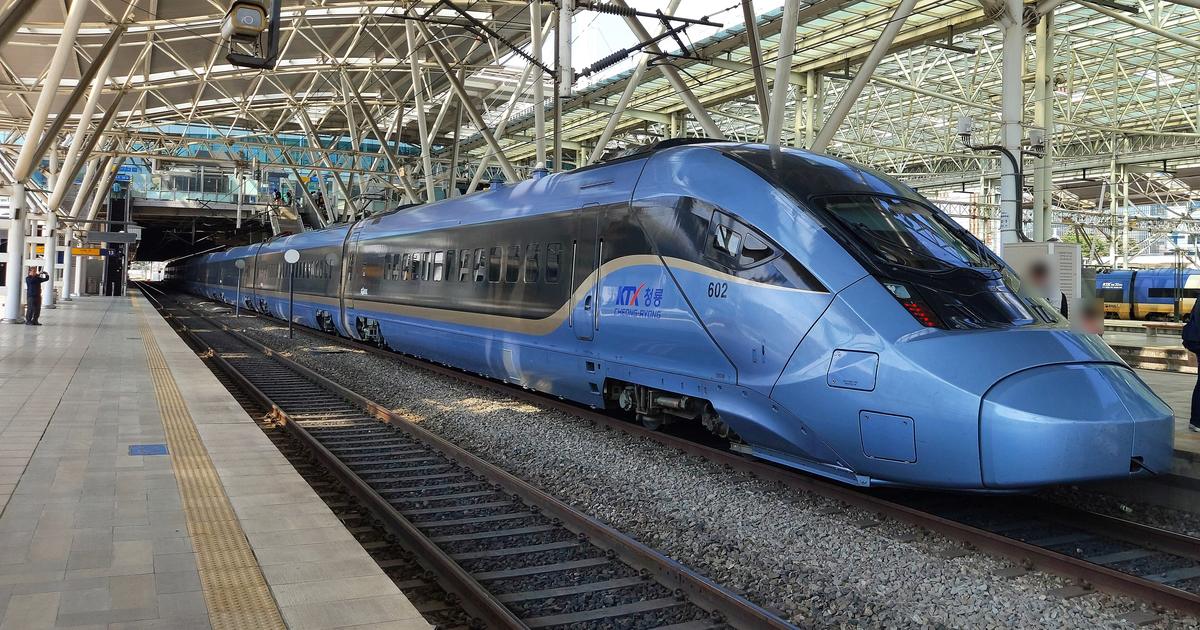
How Far in Advance Can You Book KTX? 2 Months Since Oct 2026
KTX tickets go on sale at 07:00 Korea time two months before the travel date (month minus 2, same day). The window changed from one month to two on October 1, 2026. KORAIL PASS start dates can now be set up to 62 days after purchase, so pass holders can reserve at the two-month mark too.
Verified
 Current
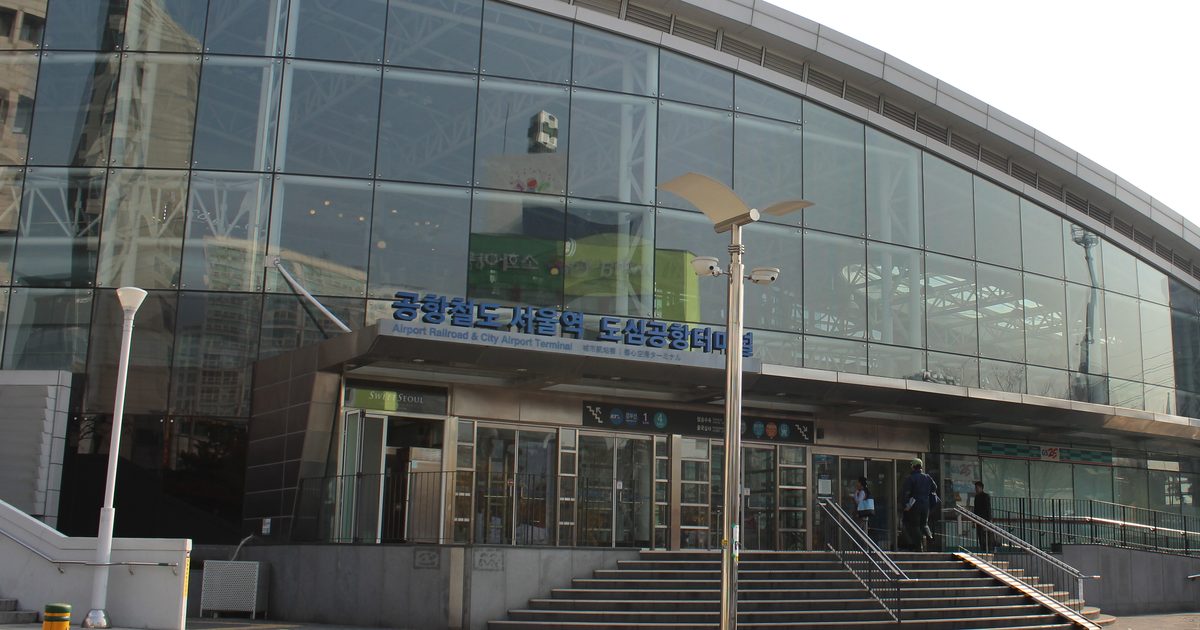
Seoul Station Check-In 2026: Which Airlines, Cut-Off Times
Seoul Station City Airport Terminal serves same-day international flights from Incheon on 8 Korean airlines: Korean Air, Asiana (departures through December 16, 2026), Jeju Air, Trinity Airways, Eastar Jet, Jin Air, Air Busan and Air Seoul. No foreign airline is on the list. You need an AREX Express Train ticket; counters open 05:20 and stop at 18:50, with a cut-off 3 hours before departure from Terminal 1 and 3 hours 20 minutes from Terminal 2. From December 17, Asiana flights carry Korean Air numbers and follow Korean Air’s rules.
Verified
 Current
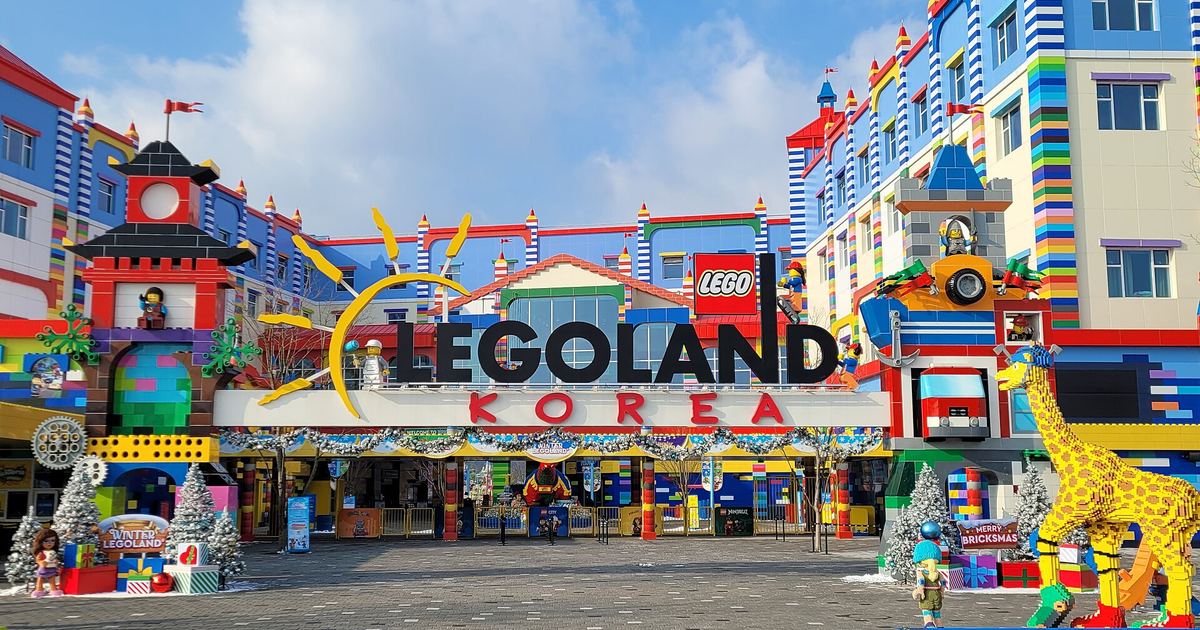
Is LEGOLAND Korea Open in Winter? 2026–27 Days, Hours, Tickets
From November 10, 2026, LEGOLAND Korea is closed Monday to Thursday outside holiday periods and opens Friday to Sunday; it opens every day December 24 – January 3, February 5 – 9, February 19 – March 1 and March 19 – 27, 10:00–17:00. Nothing is published after March 27, 2027.