Seoraksan works as a day trip from Seoul, but only if you pick one thing. The first intercity bus leaves Dong Seoul at 06:05 and reaches Sokcho in about 2 hours 10 minutes; a city bus takes you on to the park entrance, and the last bus back to Seoul is around 21:00. That leaves room for the cable car plus a short walk to a waterfall, or the Ulsanbawi climb, not both. The cable car can’t be booked: you buy on arrival and get a boarding time, and on a Saturday morning in mid-November that time was already more than an hour away. Wind stops it, and from late October a snow advisory can close most of the park’s trails.
- Day trip: works for the cable car plus a short walk, or Ulsanbawi alone. Both needs a night in Sokcho.
- Bus: Dong Seoul → Sokcho from 06:05, about every 30 minutes, about 2 h 10 min; back to Seoul until around 21:00.
- To the park: city bus 7 or 7-1 to the last stop, Seoraksan Sogongwon.
- Cable car: ₩16,000 adult round trip, on-site only, no booking; stops in strong wind.
- Trail cut-offs: no starting after sunset; in winter Geumganggul closes to new hikers at 14:00.
- Winter: check the national park control page and the cable car homepage the night before.
Contents
- Can you do it in a day?
- Who this is for
- Seoul to Sokcho by bus
- Sokcho to the park entrance
- The cable car: price, booking, waits
- Which trail fits in one day?
- What time do trails close?
- Wildfire season and snow closures
- Tour or on your own?
- Your situation
- Common mistakes
- What I would do
- FAQ
- If it were me
- Official sources
Can you do Seoraksan as a day trip from Seoul?
Yes, with one main activity. Here’s how the day fits together on public transport.
| Earliest bus out | Dong Seoul 06:05 → Sokcho, about 2 h 10 min (deluxe) |
|---|---|
| Sokcho → park | City bus 7 or 7-1 to the last stop, Seoraksan Sogongwon (설악산소공원) |
| Cable car hours | Posted the day before; November 14–15, 2026 were 08:30–17:00, November 16 09:00–17:00 |
| Last city bus from the park | 20:35 (route 7-1) |
| Last bus Sokcho → Dong Seoul | Around 21:00 |
The first bus reaches Sokcho at about 08:15, and you need to leave the park by early evening. That is a full day, but not a long one. The cable car with a walk to Biryong Falls fits; so does the Ulsanbawi round trip of about four hours. Both together, with a cable car queue in the middle, doesn’t.
Who this is for
Travelers based in Seoul who want one day at Seoraksan without a car.
- You want the cable car view and an easy walk.
- You want to climb Ulsanbawi and need to know if it fits in a day.
- You’re weighing a tour against going on your own.
- You’re going between November and March and want to know about snow closures.
Skip it if:
- You want to summit Daecheongbong; that starts from Osaek, not Sogongwon, and doesn’t fit a day trip from Seoul.
- You’d rather hike closer to Seoul; Bukhansan’s Baegundae is on the subway network.
Which bus goes from Seoul to Sokcho, and how much is it?
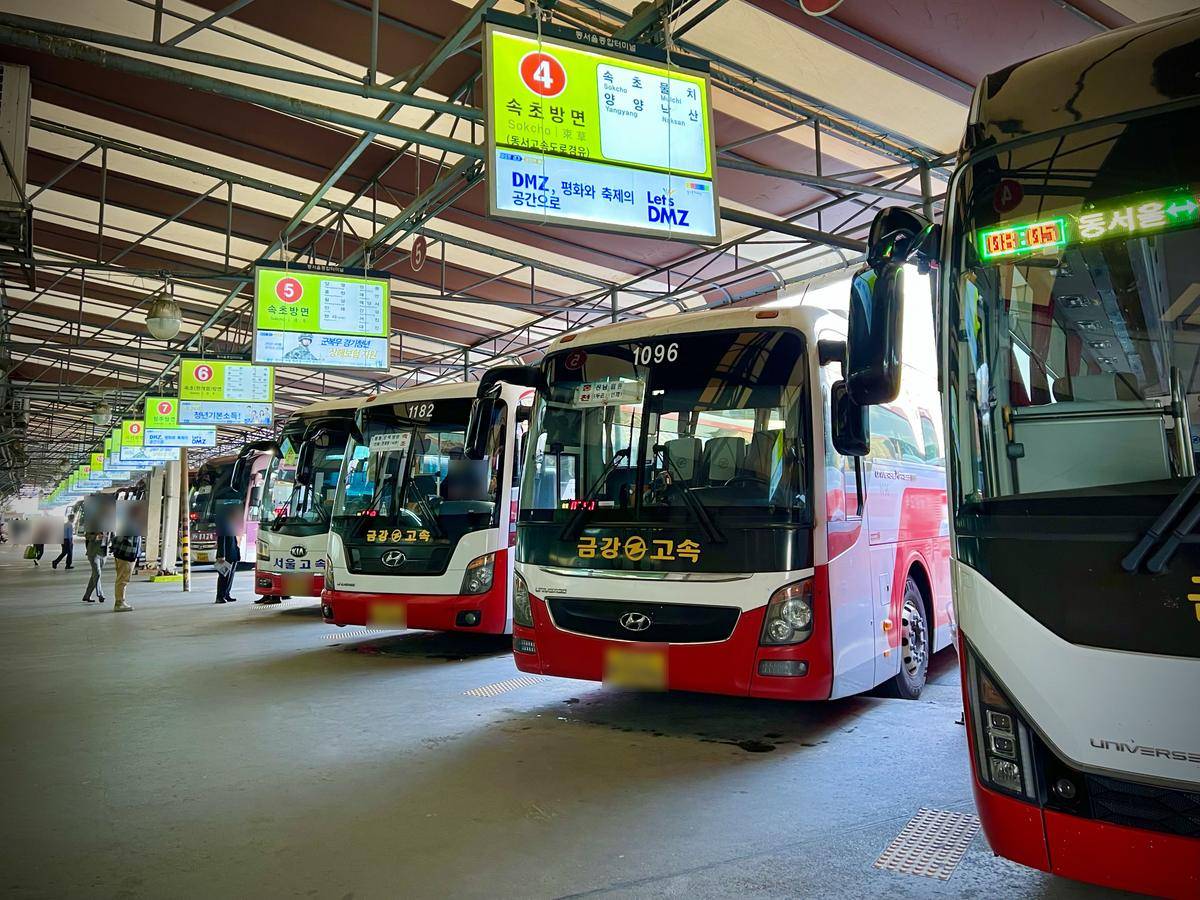
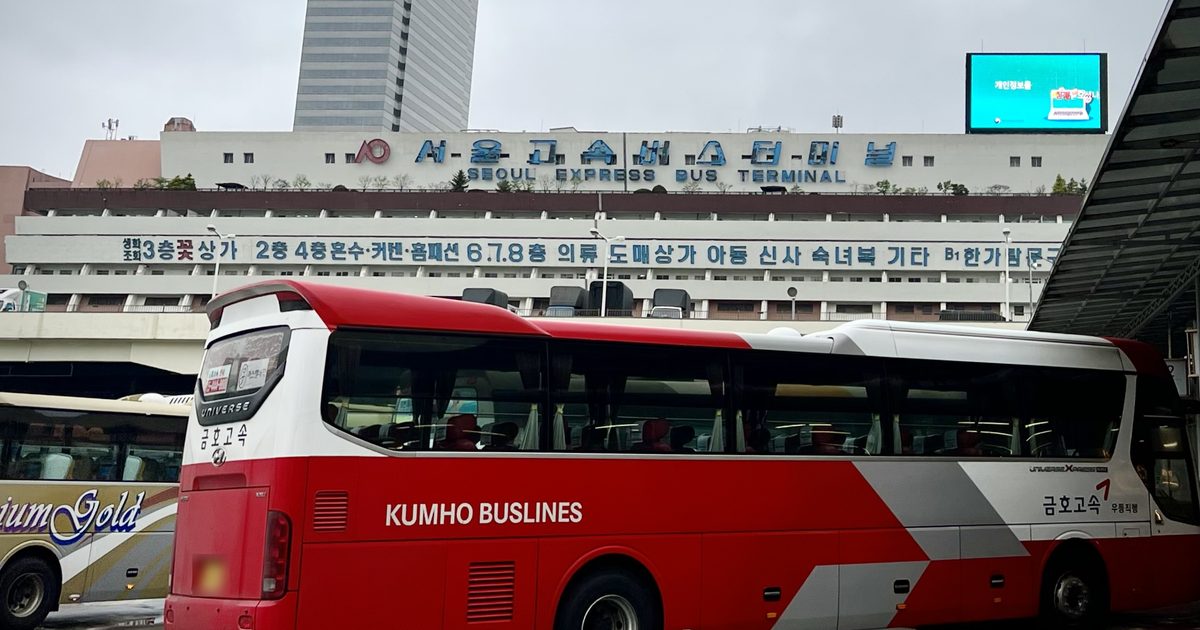
The intercity bus from Dong Seoul Bus Terminal (동서울) to Sokcho Intercity Bus Terminal (속초) is the main route: about every 30 minutes in the daytime, about 2 hours 10 minutes. Dong Seoul is next to Gangbyeon Station on subway line 2. The times and fares below are from the October 2026 timetable; check the day’s departures on txbus before you go.
| First bus | 06:05 |
|---|---|
| Frequency | About every 30 minutes in the daytime, hourly after 19:00 |
| Journey time | About 2 h 10 min on deluxe and premium; some regular buses take a detour of 3 to 3½ hours |
| Adult fare | Deluxe ₩22,500; premium ₩29,200; regular (2 h 10 min) ₩17,300; regular (3 h detour) ₩21,600 |
| Back to Seoul | From 06:00; evening departures around 18:00, 19:00, 19:30, 20:00 and 21:00 |
When you buy, look at the journey time, not just the fare: the cheapest regular bus on the slow route costs you an hour each way. For buying tickets online, see how to book Korean express and intercity buses.
There’s a second route: the express bus from Seoul Express Bus Terminal in Gangnam to Sokcho Express Bus Terminal, about 2 hours 30 minutes according to the cable car company. It arrives at a different terminal in Sokcho, but city buses 7 and 7-1 stop at both, so it’s a fine choice if you’re staying south of the river.
How do I get from Sokcho to the park entrance?
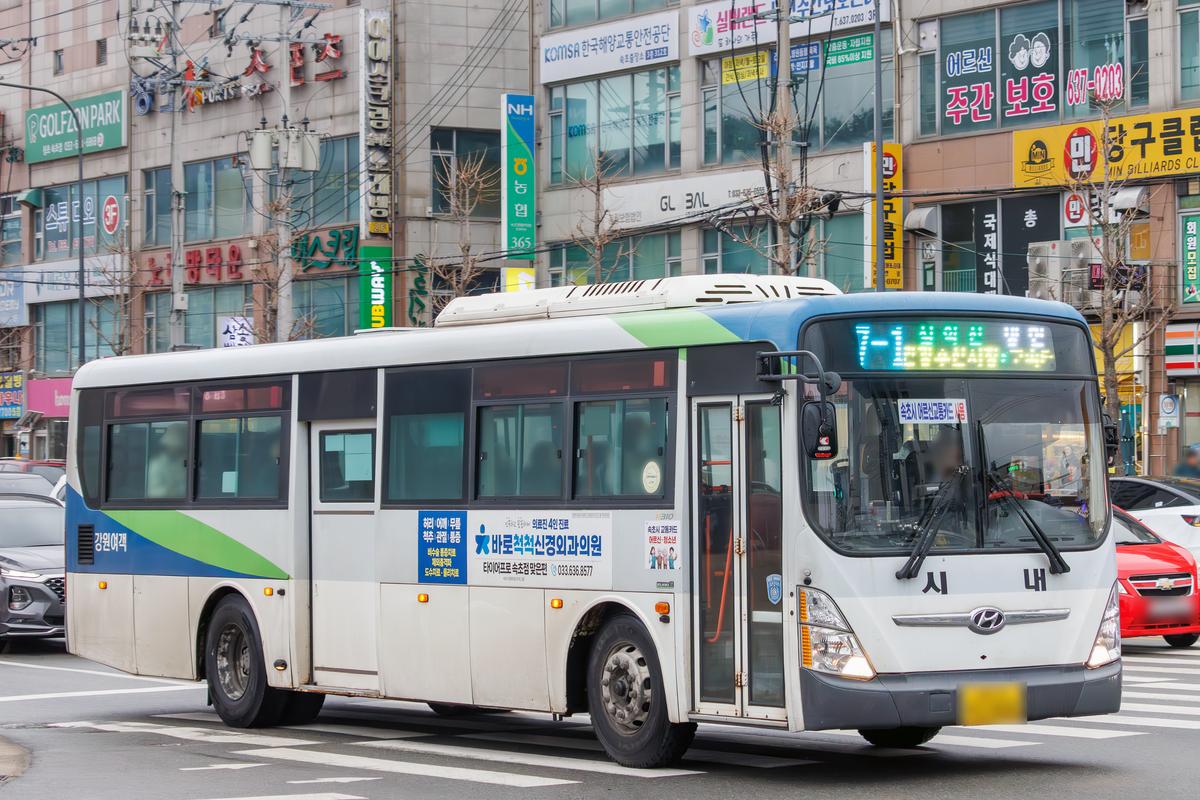
Take city bus 7 or 7-1 from across the road from either Sokcho terminal and ride to the end of the line, Seoraksan Sogongwon. On the way it passes the Intercity Bus Terminal, the Express Bus Terminal, the Seoraksan entrance, the national park visitor center and the Kensington Hotel before the last stop at the Seoraksan parking area.
| Adult fare | ₩1,530 by transport card, ₩1,700 cash |
|---|---|
| Teen fare (middle and high school) | ₩1,230 card, ₩1,360 cash |
| Child fare | ₩770 card, ₩850 cash |
| Cards | T-money works |
| First departures (from the start of the route) | 7-1 at 06:30, 7 at 06:47 |
| Last buses from Sogongwon | Route 7: 18:26 and 19:00; route 7-1: 20:00 and 20:35 |
Two companies run each route, which is why there are two last-bus times. Don’t plan on the 20:35; if you miss it, your evening bus to Seoul goes with it. Topping up a card is covered in how to load T-money with a foreign card.
How much is the Seoraksan cable car, and can I book it?
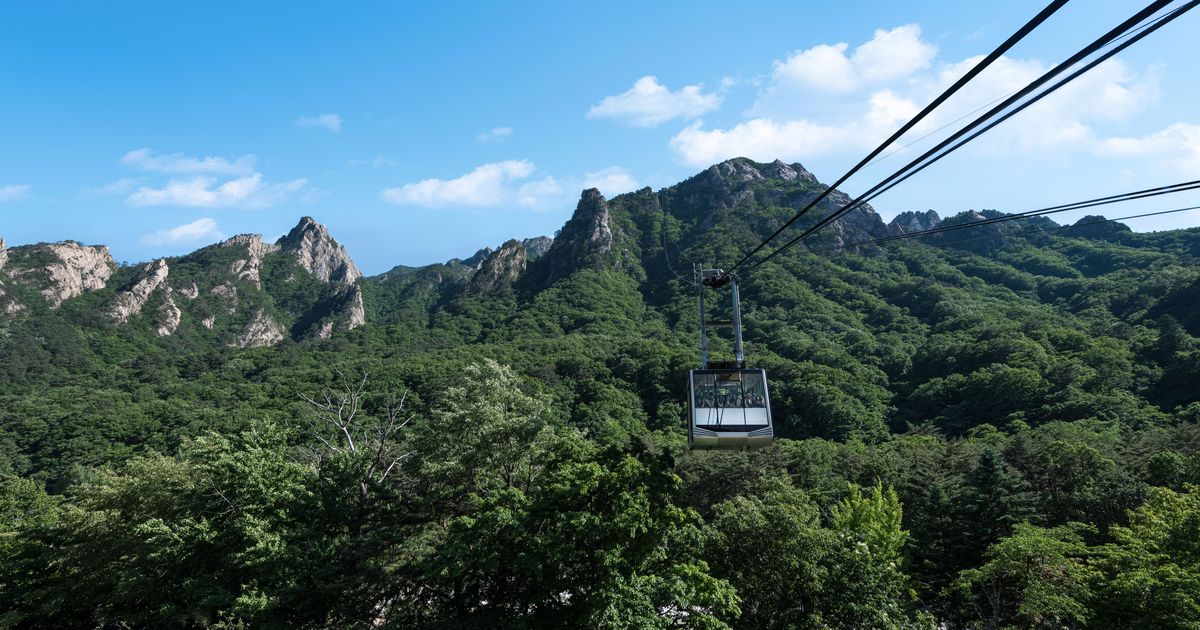
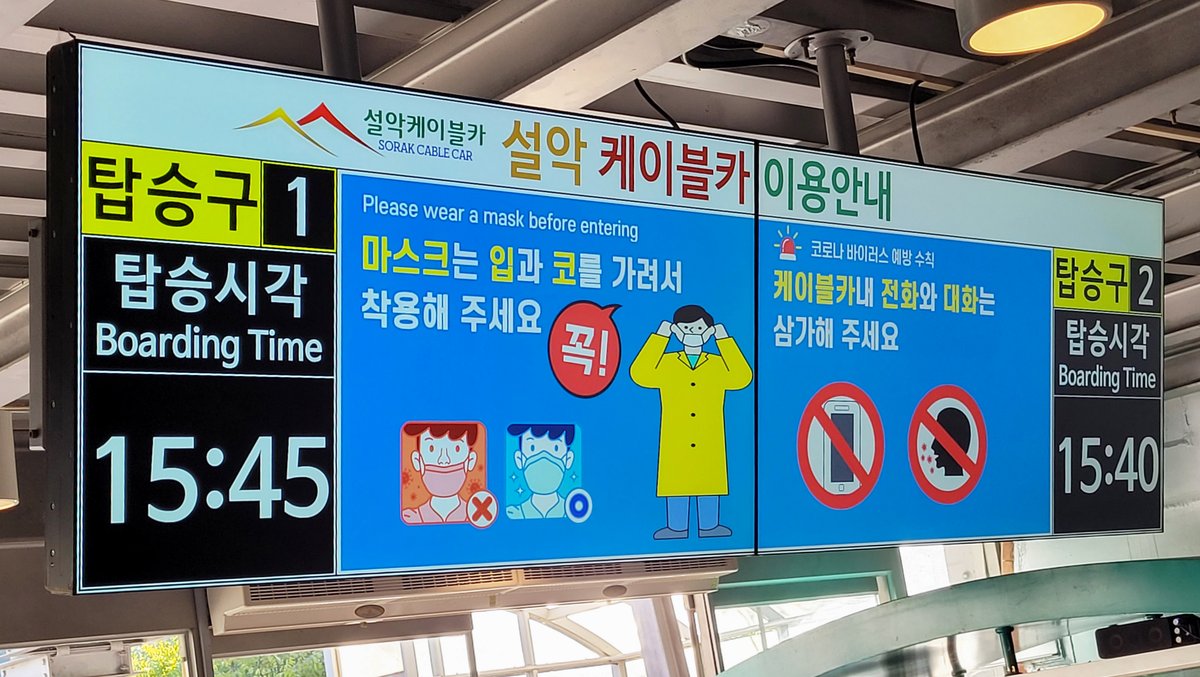
You can’t book it: the Seorak Cable Car (설악케이블카) sells same-day tickets on site only, round trip only. The ride up to Gwongeumseong (권금성) takes about 5 minutes, and there’s no trail down from the top, so everyone rides back.
| Fare (round trip) | Adults (middle school and up) ₩16,000; children (up to elementary school) ₩12,000; under 36 months free |
|---|---|
| Booking | Not accepted; same-day tickets at the counter only |
| Hours | Posted on the homepage the day before; mid-November 2026 was 08:30–17:00 or 09:00–17:00 |
| Closed | Open every day, except stops for weather and safety checks |
| Refunds | Full refund up to 10 minutes before your boarding time; after that, refunds and time changes cost 20%; unused tickets fully refunded if wind or weather stops the car |
| Strollers | Not allowed on board; free storage at the station |
| Wheelchairs | Allowed |
| Heating | None in the cabins |
Your ticket shows a boarding time. On Saturday, November 14, 2026 at 10:55, the cable car’s live panel showed tickets sold up to the 12:10 departure and a wait of 1 hour 14 minutes. Buy first, then walk toward Biryong Falls or Sinheungsa Temple and come back for your slot. If you ride the last car up, you get only about 20 minutes at the top.
The homepage also carries a live camera of Gwongeumseong from the national park service; a look before you leave tells you whether the top is in cloud.
Which Seoraksan trail fits in one day?
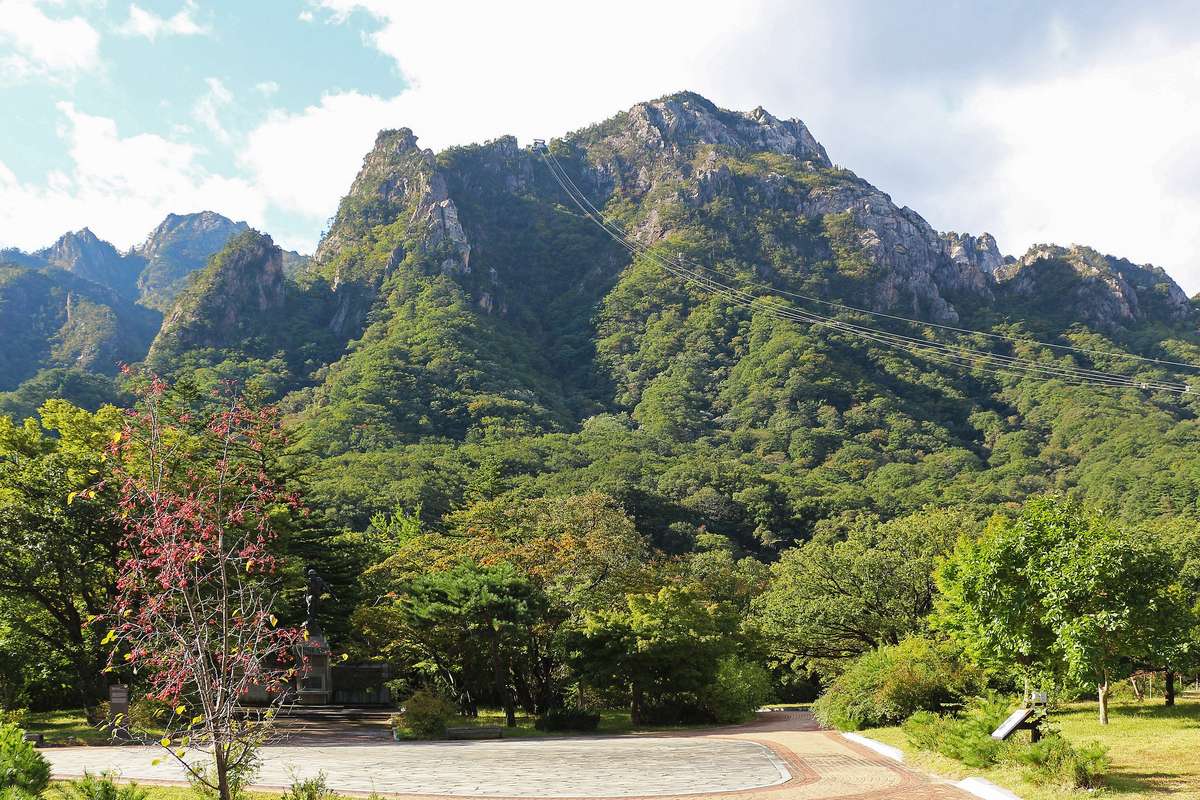
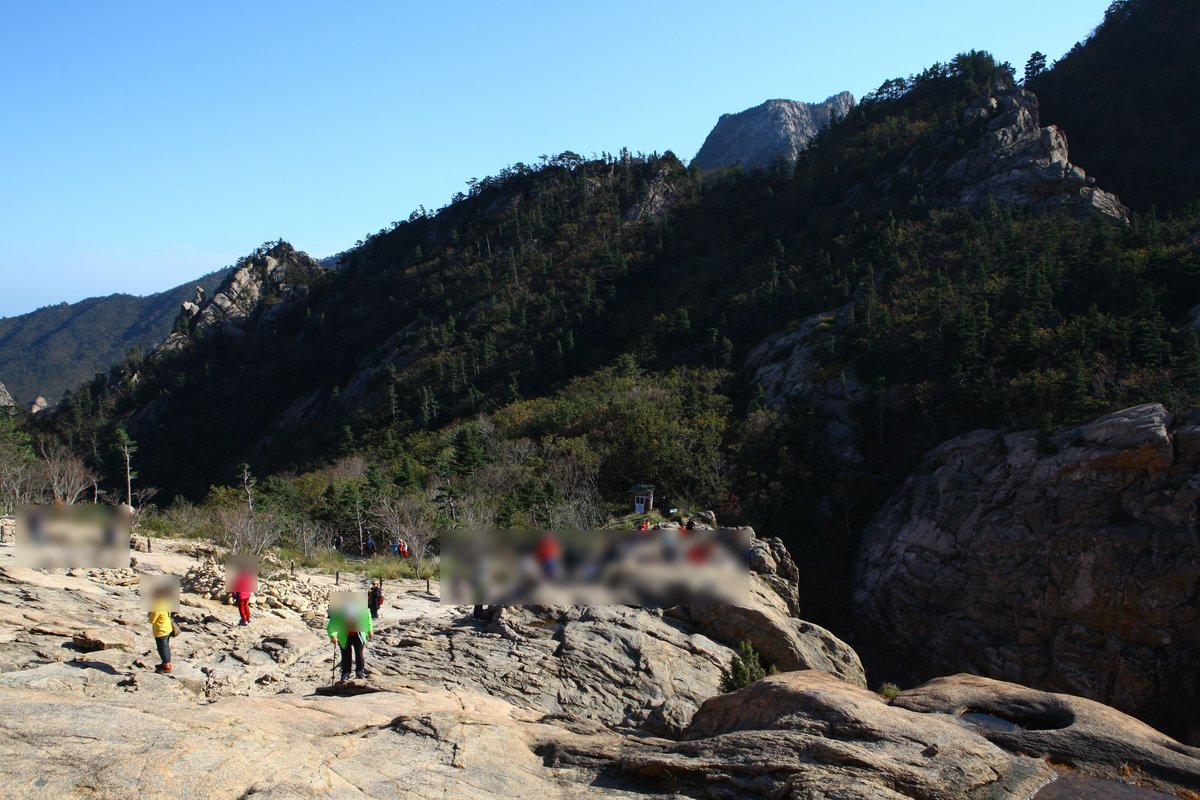
For a day trip I’d pick Ulsanbawi (about 4 hours round trip) or the cable car plus Biryong Falls, and leave Daecheongbong alone. All of these start at Sogongwon except Daecheongbong. Times are one way, per the Korea National Park Service; trail names here are transliterated from Korean.
| Trail | One way | Level | What to know |
|---|---|---|---|
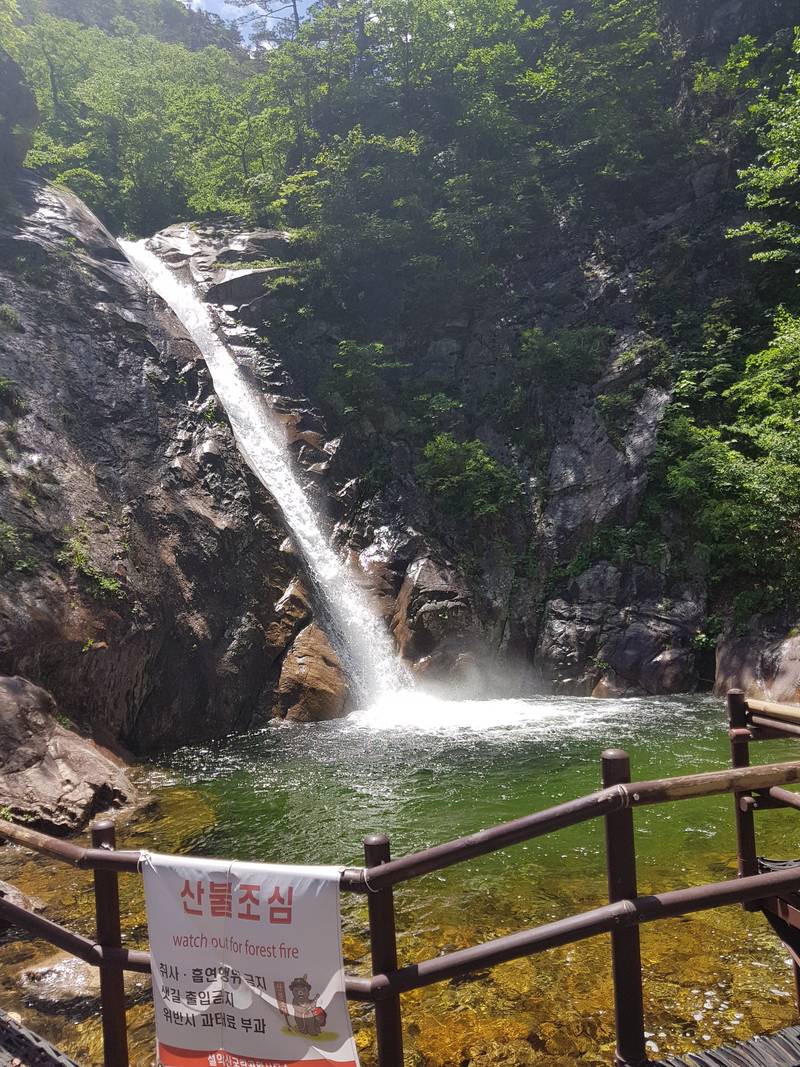
| Biryong Falls to the Towangseong Falls viewpoint | 2.8 km, 1 h 30 min | Easy | First 1.2 km fine for strollers and wheelchairs; last 0.4 km is stairs |
| Biseondae and Geumganggul Cave | 3.6 km, 2 h | Easy | Gentle for the 3.0 km to Biseondae, then steep stairs |
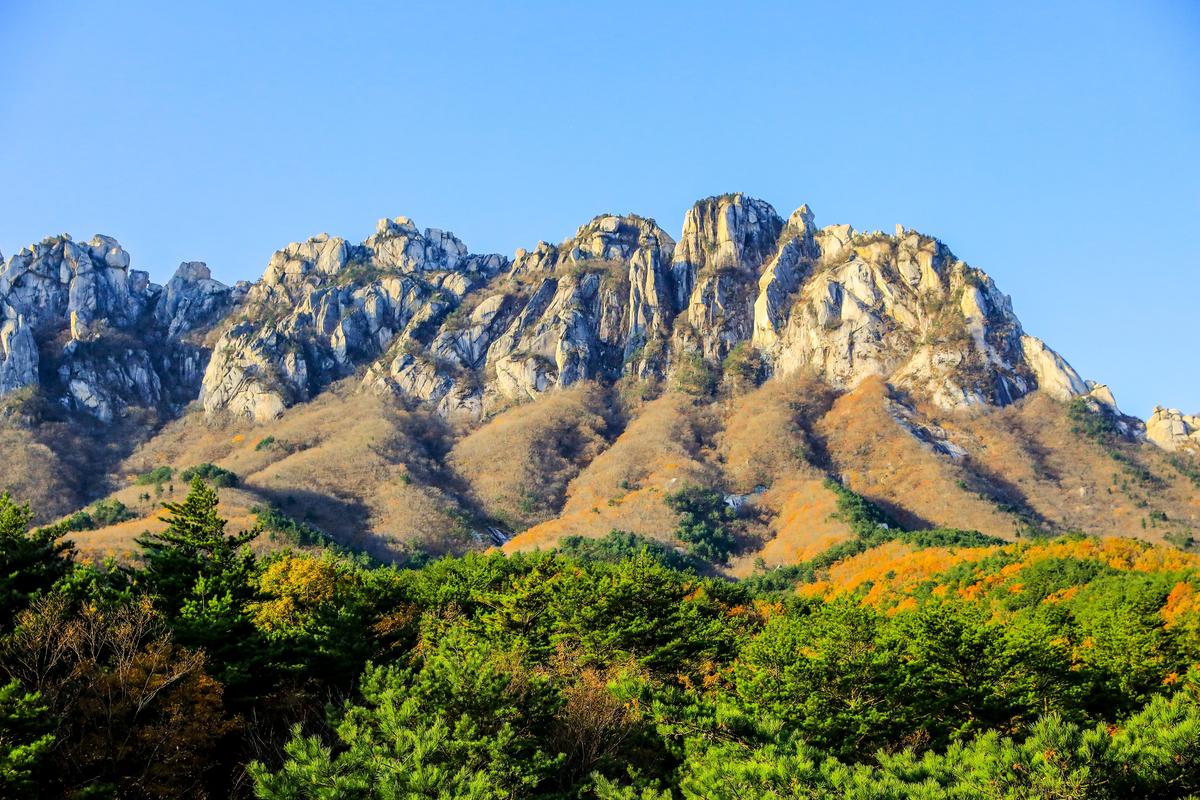
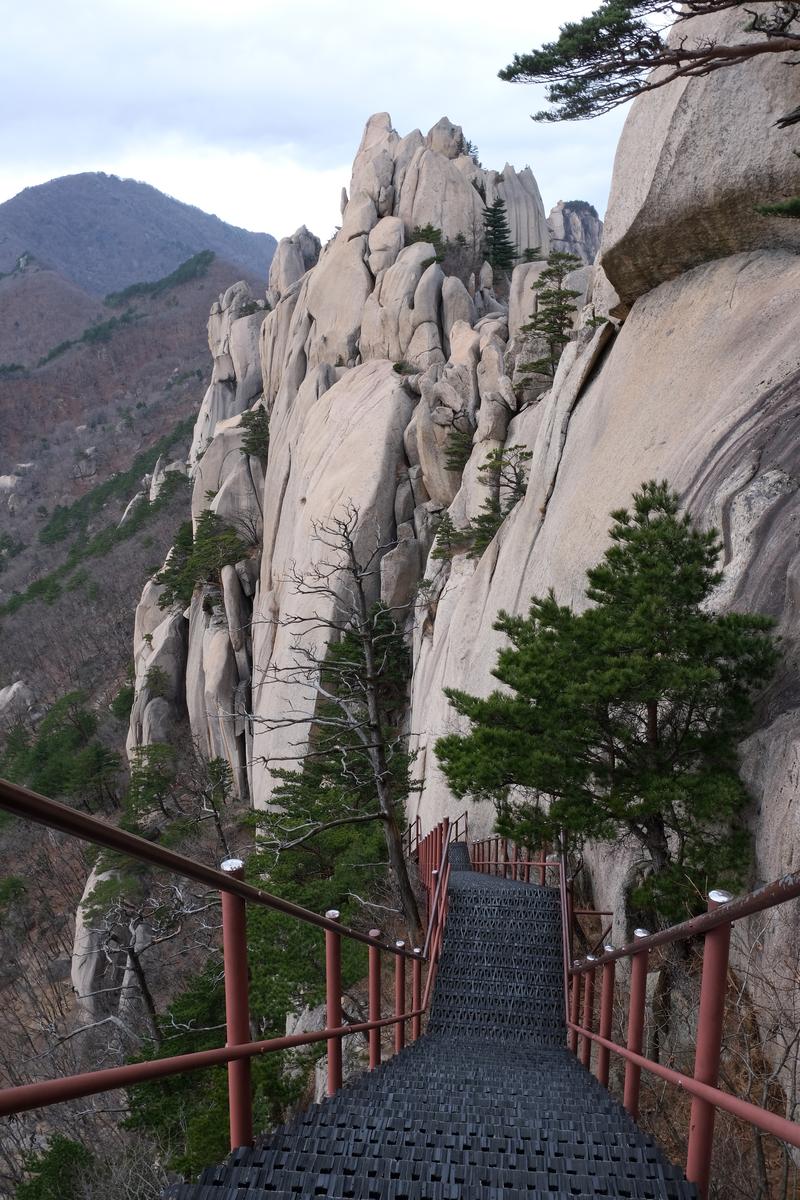
| Ulsanbawi | 3.8 km, 2 h (7.6 km, about 4 h round trip) | Moderate | Last 1.0 km is steep steel stairs with rockfall risk |
| Daecheongbong from Osaek | 5 km, 4 h | Hard | Starts at Osaek, not Sogongwon; not a day trip from Seoul |
In December to February, bring microspikes for Ulsanbawi; the steel stairs are the slipperiest part when iced.
What time do Seoraksan trails close?
From Sogongwon you can’t enter after sunset, and some routes have earlier cut-offs that are enforced with fines. The times below are when you may still start that section; after that you can’t go up from there. They are not the time you have to be back down.
| Checkpoint | Toward | Winter (Nov–Mar) | Summer (Apr–Oct) |
|---|---|---|---|
| Sogongwon | Ulsanbawi, Biryong Falls, Biseondae, Gwongeumseong | No entry from sunset until 2 hours before sunrise | |
| Biseondae | Daecheongbong | 04:00–12:00 | 03:00–14:00 |
| Biseondae | Geumganggul (out and back) | 04:00–14:00 | 03:00–14:00 |
| Osaek (south side) | Daecheongbong | 04:00–11:00 | 03:00–12:00 |
These come from the Seoraksan National Park Office notice in force since July 11, 2026. Fines are 200,000 KRW for a first offense, 300,000 for a second and 500,000 for a third. Smoking and carrying anything to light a fire are banned in national parks all year.
Will trails be closed for wildfire season or snow?
Wildfire season shuts the high routes toward Daecheongbong, not the Sogongwon walks; snow and wind are what can close the walks a day-tripper wants.
Wildfire season (spring and late autumn)
| Period | Closed | Stayed open |
|---|---|---|
| Spring 2026, March 4–May 15 | High routes toward Daecheongbong (above Biseondae, Baekdamsa, the northwest ridge, Hangyeryeong and others) | Low trails including Waseondae, Ulsanbawi, the Towangseong Falls viewpoint and Jujeongol |
| Autumn 2025, November 15–December 15 | Madeungnyeong–Hangyeryeong, Biseondae–Huiungak, Osaek–Daecheongbong, Baekdam–Daecheongbong and others | Seorak-dong–Ulsanbawi, Sogongwon–Biseondae (with Geumganggul), Sogongwon–Towangseong Falls viewpoint, Jujeongol |
| Autumn 2026 | Closure notice published October 30, 2026; check the national park control page for the segments | |
| Spring 2027 | Not announced (the 2026 notice came out February 12) | |
Snow and wind
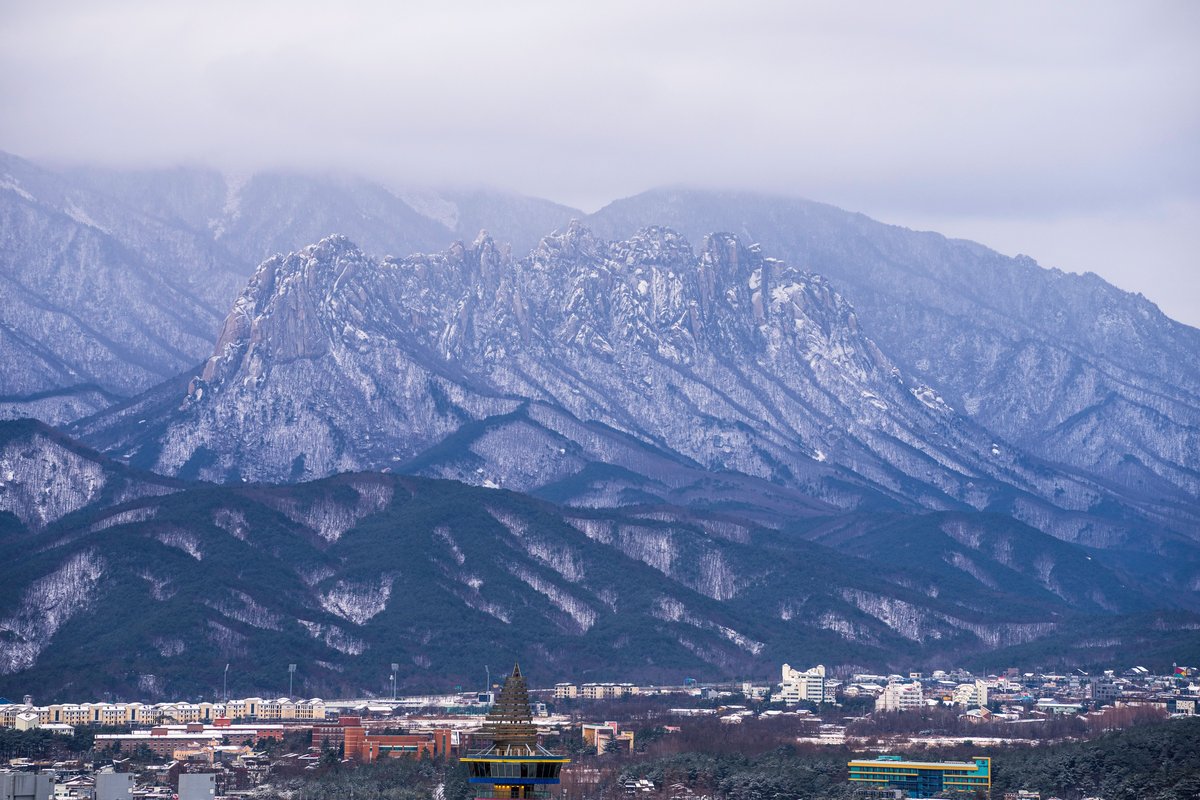
Snow advisories start as early as late October up here; the park office announced the first snow of the season on October 29, 2026. When an advisory is issued, Seoraksan often closes most or all of its trails until it’s lifted and safety checks are done, and the cable car may stop too. It isn’t automatic with every snowfall: closures start when a weather advisory is issued.
- December 14, 2023: a heavy snow warning closed the whole park from 18:00.
- January 18, 2024: a heavy snow advisory left 8 sections open and 13 closed.
- January 31, 2025: after a strong wind warning, the park reopened only partly until safety checks were done.
- November 8, 2026: a mountain snow advisory in Inje was lifted, and with little snow on the ground the trails reopened at 23:00.
Check two places the night before: the Korea National Park Service “Control information” page (통제정보), row for 설악산, and the cable car homepage. In winter it’s cold at the top and the cabins aren’t heated, so dress for it; when it snows in Seoul covers what the season looks like in the capital.
Should I join a tour or go on my own?
A tour saves you two transfers; the price is less time on the mountain and paying for the cable car on top. If you want Ulsanbawi without rushing, go on your own or stay a night.
| Klook full-day tour (with Naksansa) | KKday winter tour (with Nami Island) | On your own | |
|---|---|---|---|
| Guide | English | English / Mandarin | — |
| Runs | Dates from November 16, 2026 | From December 16, 2026 | Every day |
| Time at Seoraksan | 3 h 30 min | About 2 h 30 min (arrive 09:30, at Nami Island 14:30) | Depends on your buses |
| Cable car | Paid on site | Not included; no refund if it doesn’t run or sells out | Bought on site |
| Free cancellation | Up to 24 hours before | Up to 2 days before | — |
- Klook: Seoraksan National Park & Naksansa Temple Full-Day Tour has the longer stop on the mountain. Cable car tickets are paid on site.
- KKday: Seoraksan One Day Tour from Seoul + Nami Island: choose the “[Winter] Seoraksan & Nami Island” option, not the ones with Eobi Ice Valley. The cable car is excluded, and if it doesn’t run you don’t get a refund for that part of the day.
The KKday option combines two places; if Nami is the bigger draw, getting to Nami Island on your own is easy enough to do on another day.
Your situation
If you want the view without a hike
Take a morning bus, ride the city bus to Sogongwon and buy cable car tickets first. While you wait for your slot, walk the flat first stretch toward Biryong Falls. After the ride, go on to the falls or to Sinheungsa. Leave Sogongwon by about 18:00 to catch an evening bus to Seoul.
If you want to climb Ulsanbawi
Skip the cable car. Take the 06:05 bus, be on the trail by about 09:00 and give it four hours round trip plus breaks. In winter, check the control page the night before and pack microspikes for the steel stairs.
If you want both
Stay a night in Sokcho. Do Ulsanbawi on the first day while you’re fresh, and the cable car early the next morning before the queue builds.
Common mistakes
- Buying the cheapest bus without checking the duration. Some regular buses take 3 hours or more on a detour.
- Trying to book the cable car online. There’s no booking; you buy on arrival.
- Waiting at the station for your boarding time. An hour-plus wait is time you could spend walking toward the falls.
- Riding the last car up. You get about 20 minutes at the top.
- Planning both the cable car and Ulsanbawi in one day. They don’t both fit with the buses.
- Counting on the 20:35 city bus. It’s the last one; miss it and your bus to Seoul goes too.
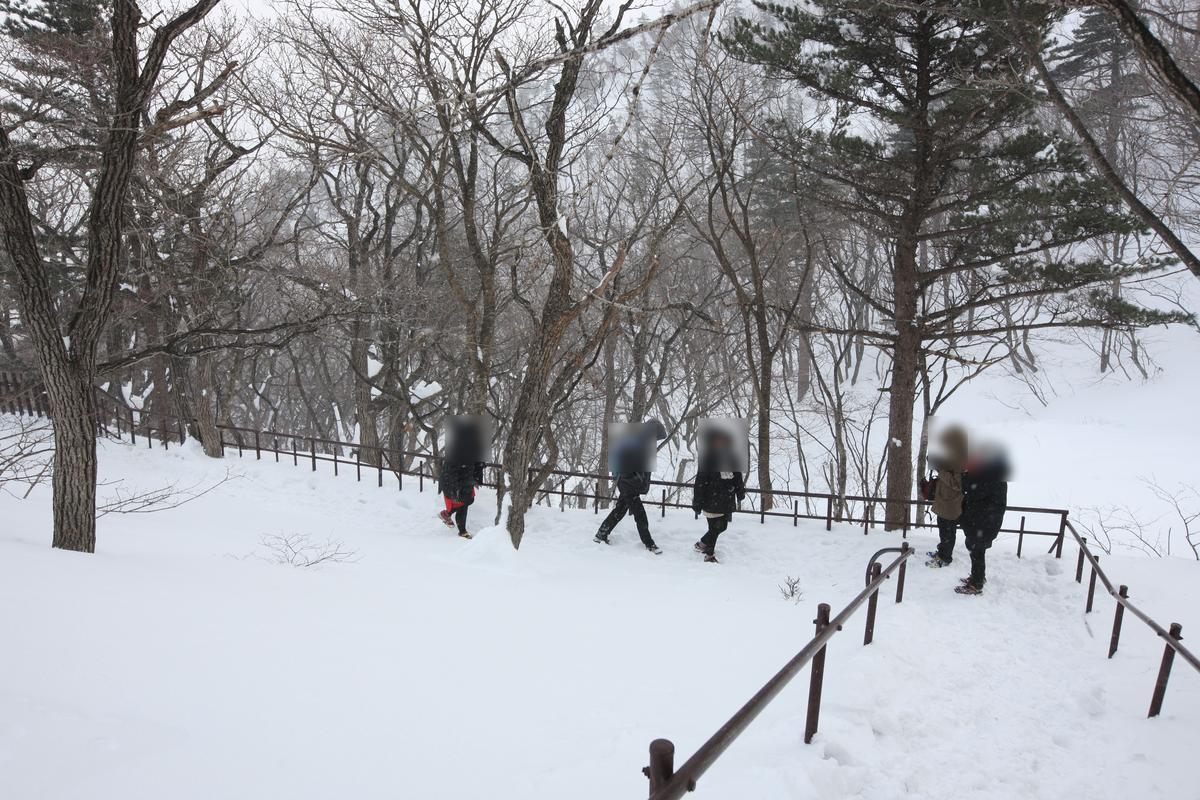
- Setting off after snow without checking. An advisory can close most of the trails and stop the cable car.
- Reaching Biseondae after 14:00 in winter. You can’t continue to Geumganggul.
What I would do
A weekday in late autumn, no car, cable car and a waterfall:
- Book a deluxe bus from Dong Seoul around 06:30–07:00, checking the duration column.
- In Sokcho, cross the road to the 7 or 7-1 stop and ride to the end.
- Buy cable car tickets straight away and note the boarding time.
- Walk toward Biryong Falls while waiting, then ride up to Gwongeumseong.
- After coming down, walk on to the Towangseong Falls viewpoint if there’s time.
- City bus back by about 18:00, and a bus to Seoul in the evening, well before the last one at around 21:00.
If the cable car homepage says it’s stopped for wind that morning, I’d switch to Ulsanbawi, as long as the control page shows it open.
FAQ
- Q1: Can you do Seoraksan as a day trip from Seoul?
- Yes, for the cable car plus a short walk, or for Ulsanbawi on its own. The first bus leaves Dong Seoul at 06:05 and takes about 2 hours 10 minutes; the last bus back from Sokcho is around 21:00. Doing the cable car and Ulsanbawi together means staying a night in Sokcho.
- Q2: How do I get from Seoul to Seoraksan by bus?
- Intercity bus from Dong Seoul Bus Terminal to Sokcho, then city bus 7 or 7-1 to the last stop, Seoraksan Sogongwon. Daytime buses run about every 30 minutes; a deluxe seat was ₩22,500 on the October 2026 timetable. Some regular buses take a slower route of 3 hours or more, so check the duration column before you buy.
- Q3: Can I book the Seoraksan cable car in advance?
- No. The Seorak Cable Car takes no reservations and sells same-day tickets on site only. The ticket shows a boarding time, which can be over an hour away on busy days.
- Q4: How much is the Seoraksan cable car?
- ₩16,000 for adults and ₩12,000 for children, round trip only. Under 36 months ride free. There’s no one-way ticket and no trail down from the top station.
- Q5: Does the Seoraksan cable car run in strong wind?
- No, it stops. Check the day’s status on the cable car homepage before you set off. If it stops while you hold a ticket you haven’t used, you get a full refund.
If it were me
For a first visit with one day, I’d pick the cable car plus Biryong Falls on a weekday, because the cable car wait is the thing that breaks the day and weekdays help. If I were a hiker, I’d skip the cable car and climb Ulsanbawi; I’d rather spend four hours on the stairs than one in a queue. I’d go on my own rather than with a tour: the buses are frequent, and a tour’s two and a half to three and a half hours on the mountain is tight with an hour-long cable car queue. Between December and February, I’d keep a backup day in the plan and check the control page the night before.
Official sources
- Seorak Cable Car: fares and directions (Korean; switch to English on the site)
- Seorak Cable Car: today’s hours and live status
- T-money intercity bus: timetables and fares (Korean)
- Sokcho bus information: city bus timetable (Korean)
- Korea National Park Service: control information (Korean)
Prices and times follow the latest official announcement.
Read next
Verified
 Current
Korea Express Bus Booking 2026: Foreign Cards, Seoul to Busan
Express buses are booked on kobus or its app, intercity buses on txbus or BUSTAGO; the systems don’t share routes. From abroad, book express buses on Klook or GO Hanpass; intercity terminal counters and the BUSTAGO and InterCity Bus apps take Visa, Mastercard, JCB and UnionPay. Intercity buses usually open about a month ahead. Fare caps rose 9% on October 1, 2026, and cancelling after departure costs 60% in 2026.
Verified
 Current
Nami Island in Winter 2026–27: Getting There from Seoul
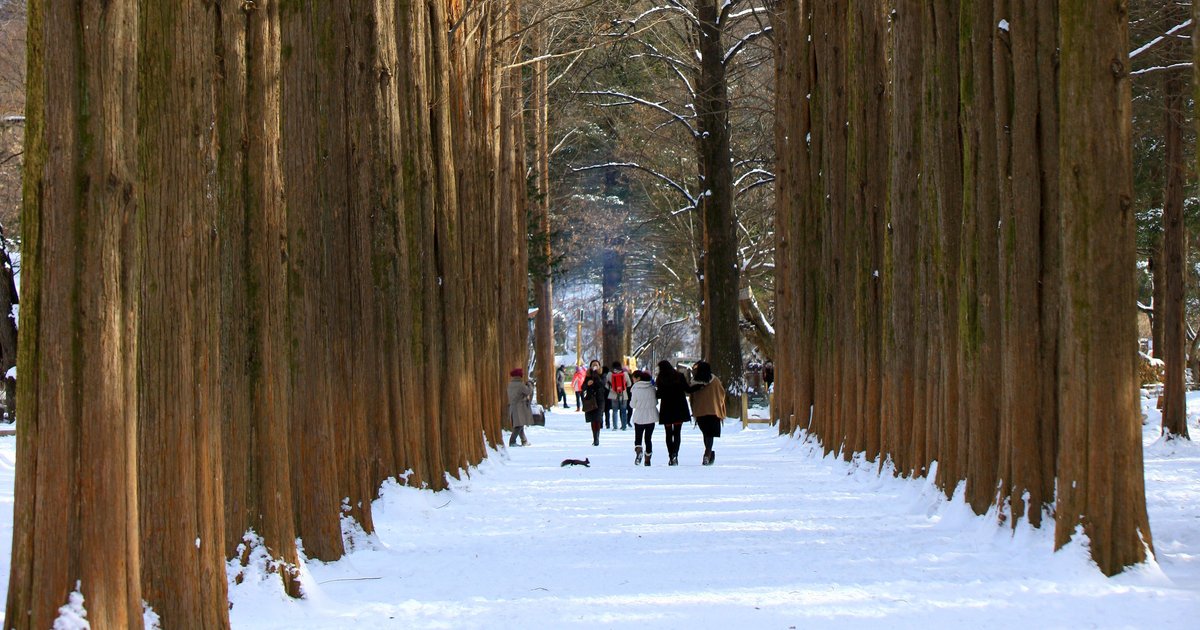
Nami Island is open 365 days; in heavy snow or when the river freezes, an icebreaker keeps the regular ferry running, pausing only if an upstream dam release speeds up the current. From Seoul, take the Gyeongchun Line or ITX-Cheongchun to Gapyeong Station and walk about 20 minutes to the wharf, or book the direct shuttle (09:00 from Hongik Univ. Station, back at 16:30, round trip only). Tickets are sold at the wharf and include the return ferry.
Verified
 Current
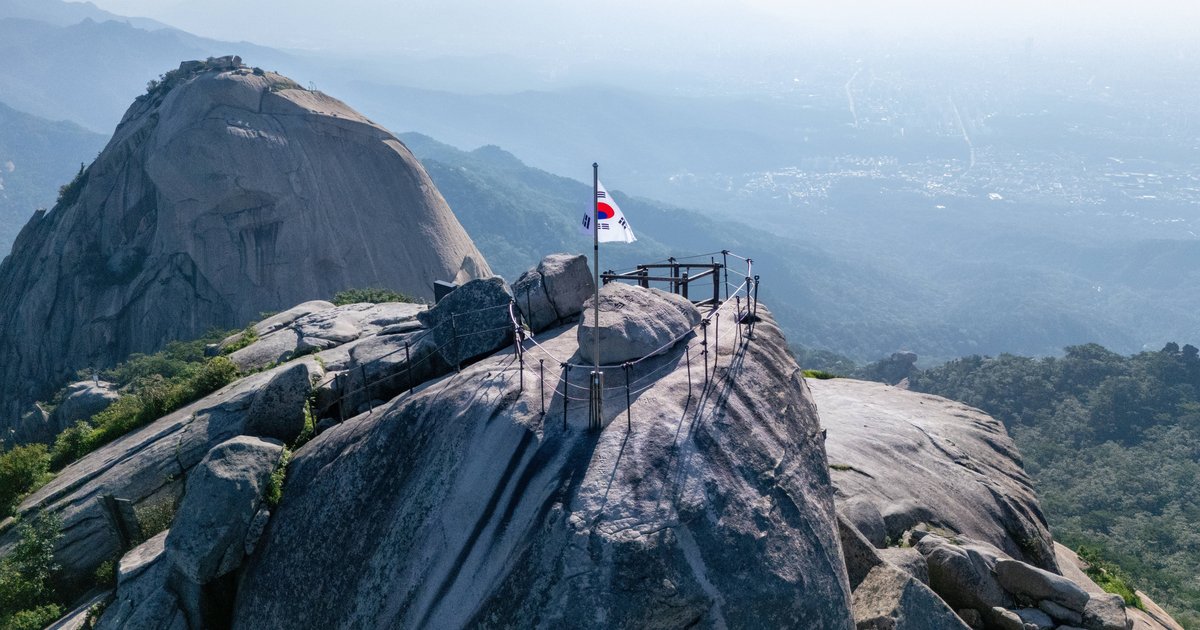
Bukhansan Hike 2026–27: Baegundae Peak Trail, Cutoff Times, Crampons
The shortest route to Baegundae Peak is the Baegundae Course from the Ui side: 1.9 km and about 1 hour 30 minutes one way from Baegundae Visitor Center, no fee or reservation. You can’t start up after 16:00 from December to February or after 17:00 from March to November, and crampons are required in winter. The November 15 – December 15, 2026 wildfire closure doesn’t include this route.