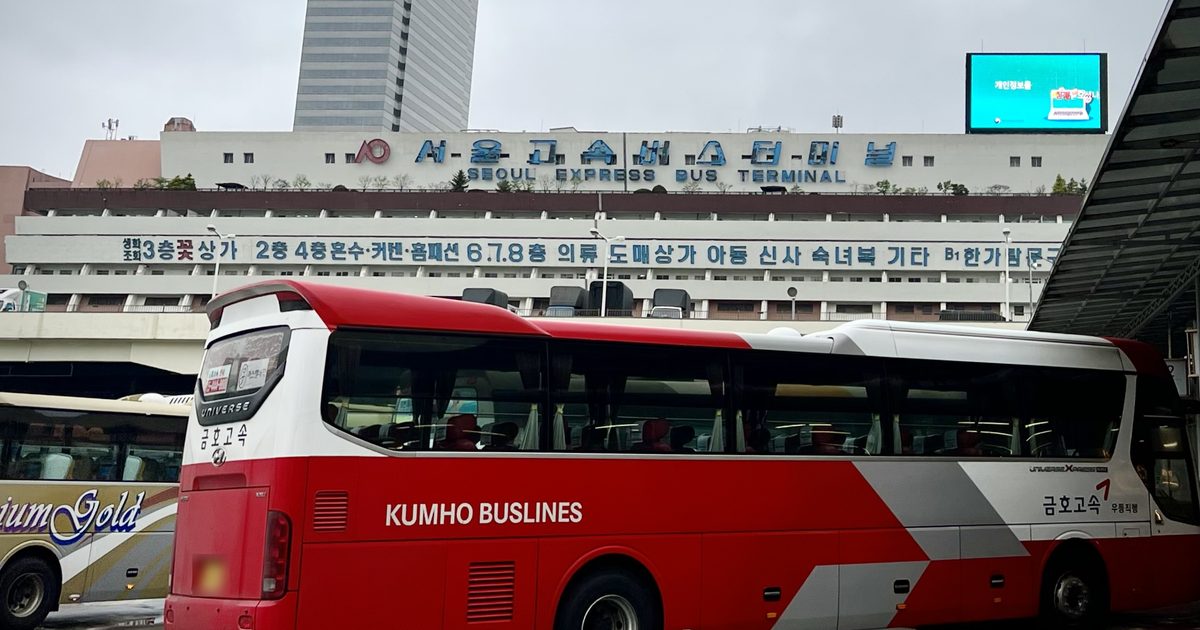
Korea’s long-distance buses run on two separate systems, express (고속버스) and intercity (시외버스), and their booking sites don’t share routes. That’s why your bus can seem to vanish from one site. Seoul to Busan by bus takes about 4½ hours, and since October 1, 2026, the fare caps on both systems are 9% higher, so prices you found before October are out of date. To book from home with a foreign card, use Klook or GO Hanpass for express buses and BUSTAGO or InterCity Bus for intercity buses. Cancel after departure and you lose 60% of the fare in 2026. This guide covers which system and which terminal you need, where a foreign card works, how far ahead seats open, the refund table, and when the KTX is the better call.
- Two systems: express buses on kobus and its app; intercity buses on txbus and BUSTAGO. Search the right one.
- Seoul to Busan: express from Seoul Express Bus Terminal (not Central City); intercity from Seoul Nambu Terminal.
- Booking from abroad: express on Klook or GO Hanpass; intercity in the BUSTAGO or InterCity Bus app, both of which take foreign cards.
- How early: intercity about a month out; express dates on Klook open around the 15th of each month.
- Refunds: 10–20% in the last 3 hours, 60% after departure in 2026.
- Fares: caps rose 9% on October 1, 2026.
Contents
- Who this is for
- Key facts
- Express bus vs intercity bus
- Seoul to Busan: which terminal?
- Can I book before I arrive?
- How far ahead can I book?
- Cancellation fees
- Did fares go up in 2026?
- Toilets, rest stops and boarding
- Bus or KTX?
- Your situation
- Step by step
- Common mistakes
- FAQ
- If it were me
- Official sources
Who this is for
Travelers taking a long-distance bus between Korean cities, especially Seoul and Busan, with a card issued outside Korea.
- You want a seat booked before you fly.
- You can’t find your route and don’t know which site to search.
- You’re choosing between the bus and the KTX.
- You need to change plans and want to know what a cancellation costs.
You can skip it if:
- You’ve already settled on the train; see when KTX tickets go on sale.
Key facts
| Express bus booking | kobus.co.kr, the official app 고속버스 티머니, or Klook / GO Hanpass |
|---|---|
| Intercity bus booking | txbus.t-money.co.kr, bustago.or.kr, the BUSTAGO and InterCity Bus apps |
| Foreign cards | Intercity terminal ticket counters and the two intercity apps: Visa, Mastercard, JCB, UnionPay |
| Seoul to Busan | Express: Seoul Express Bus Terminal. Intercity: Seoul Nambu Terminal |
| Travel time | About 4½ hours |
| Booking window | Intercity about 1 month; express dates on Klook around the 15th monthly |
| Cancel after departure | 60% fee in 2026; 70% from 2027 |
| Fare change | Fare caps up 9% from October 1, 2026 |
| On board | No toilet; service-area stop on longer routes |
What’s the difference between an express bus and an intercity bus in Korea?
Express buses run highway-only between major cities; intercity buses stop at cities along the way and reach smaller towns. They’re booked on separate systems. If you can’t find your route, you’re probably searching the wrong one.
| Express bus (고속버스) | Intercity bus (시외버스) | |
|---|---|---|
| Route | Highway only, no city stops on the way | Stops at cities en route; more routes and smaller towns |
| Fares | Vary by seat class and number of seats; late-night surcharge | Standard and premium (우등) classes; late-night surcharge |
| Official booking | kobus.co.kr, app 고속버스 티머니 | txbus.t-money.co.kr, bustago.or.kr |
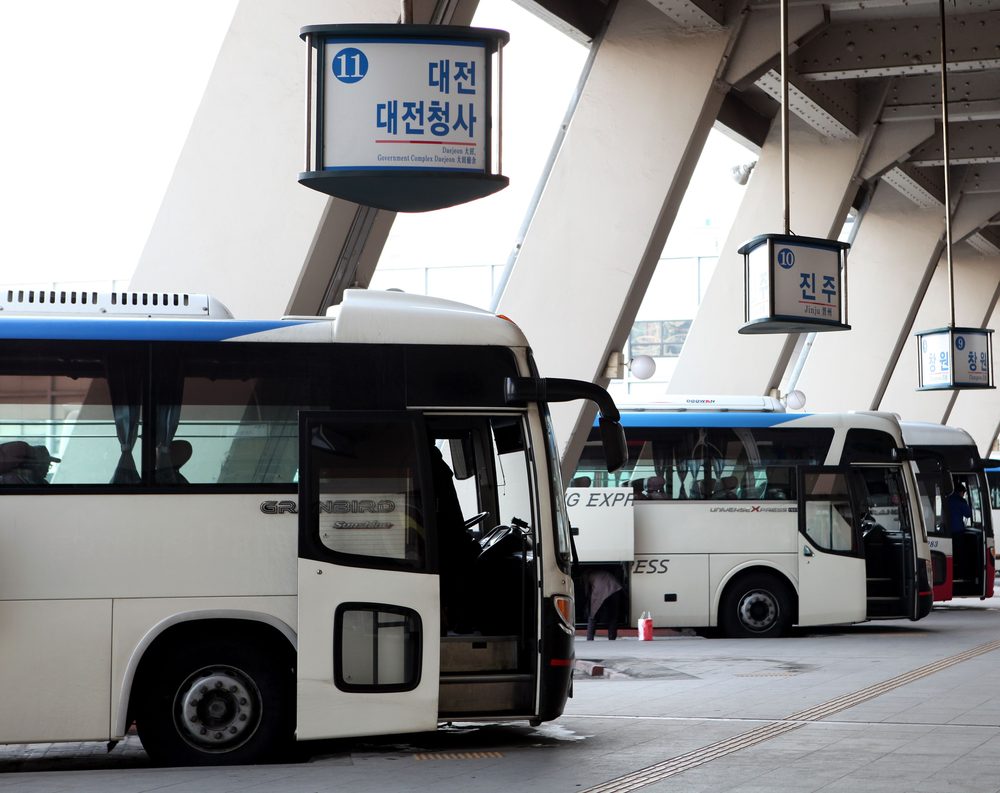
The txbus site itself says that if a route doesn’t show up, ask the departure terminal. A terminal with 종합 (jonghap) in its name handles both kinds of bus. The same destination often departs from different terminals depending on the system, which is the next section.
Seoul to Busan by bus: which terminal?
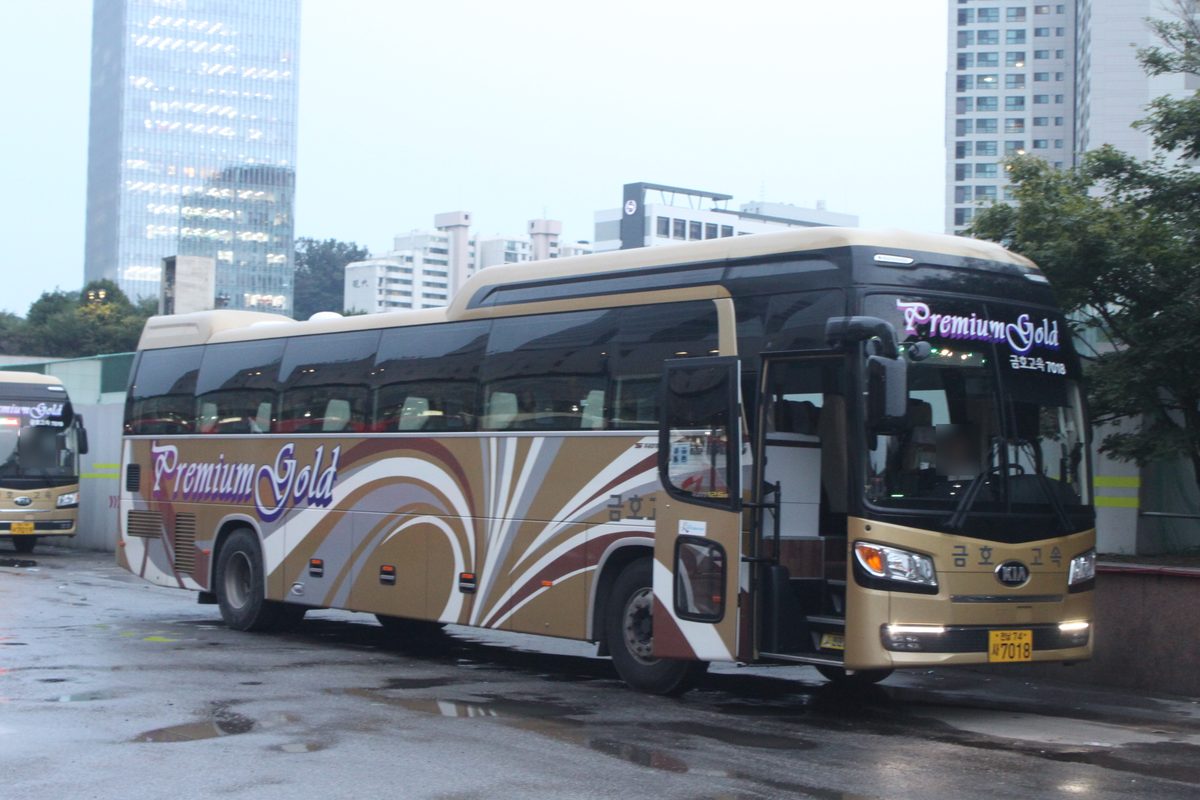
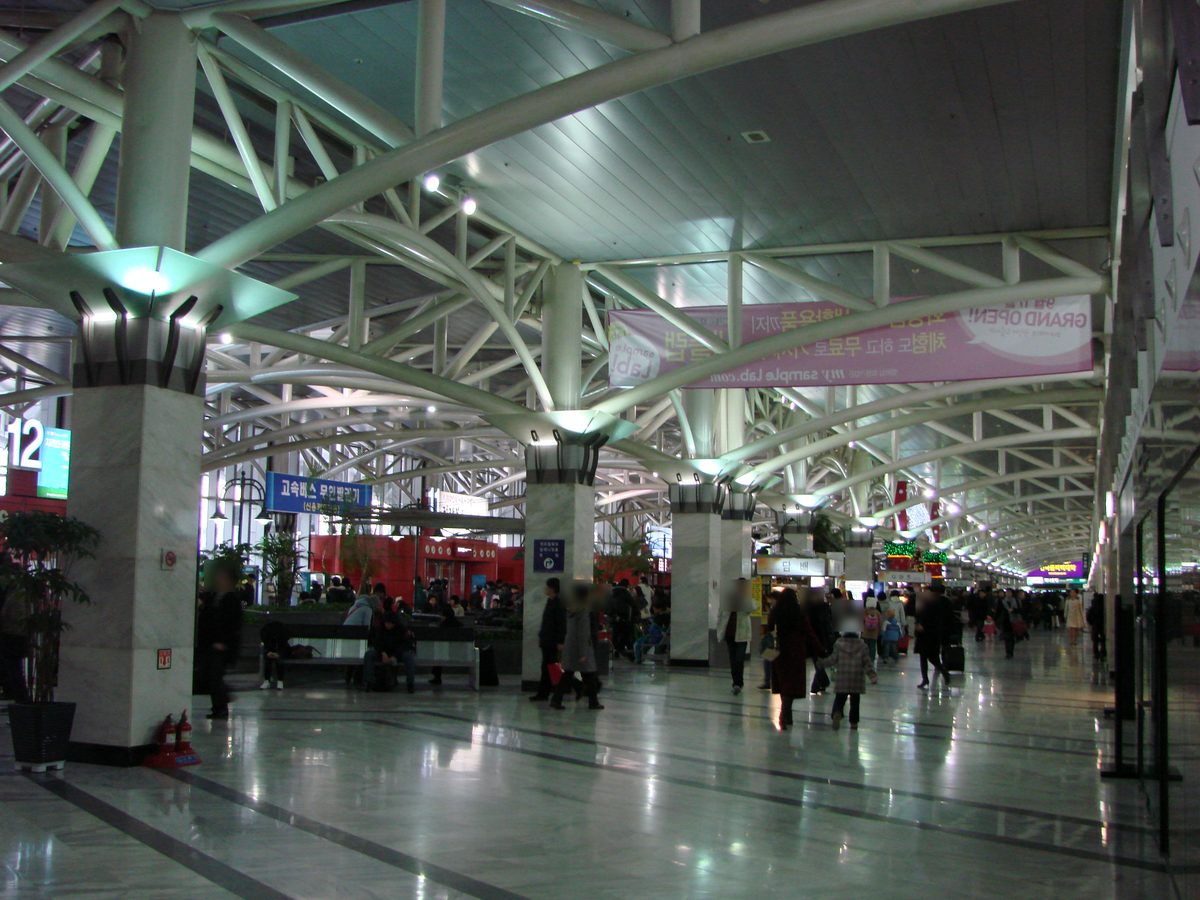
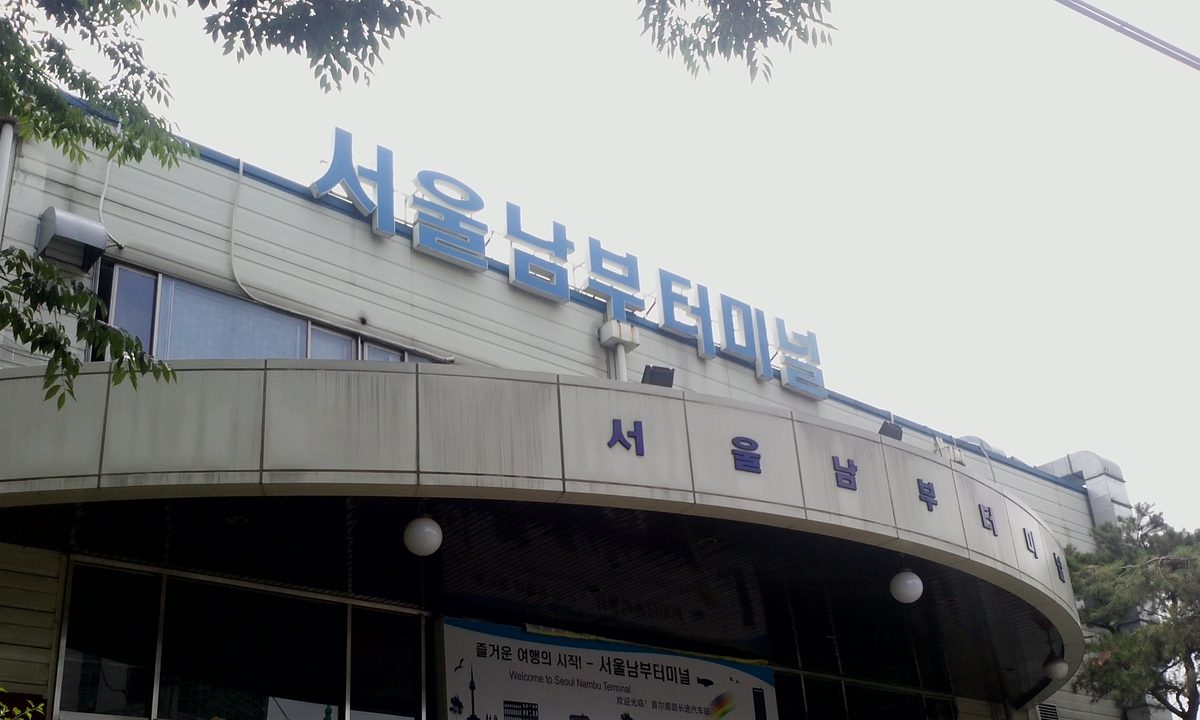
For an express bus, go to Seoul Express Bus Terminal, not Central City, even though they share a subway station. For an intercity bus, go to Seoul Nambu Terminal.
| Terminal | Subway | Busan service |
|---|---|---|
| Seoul Express Bus Terminal | Express Bus Terminal Station, Lines 3, 7, 9 | Express buses to Busan, Daegu, Gyeongju, Pohang |
| Central City Express Bus Terminal | Same station | No; serves Gwangju, Jeonju, Mokpo, Suncheon, Yeosu |
| Seoul Nambu Terminal | Nambu Terminal Station, Line 3 | Intercity buses to Busan |
| Dong Seoul Terminal | Gangbyeon Station, Line 2 | Busan is on VISITKOREA’s route list |
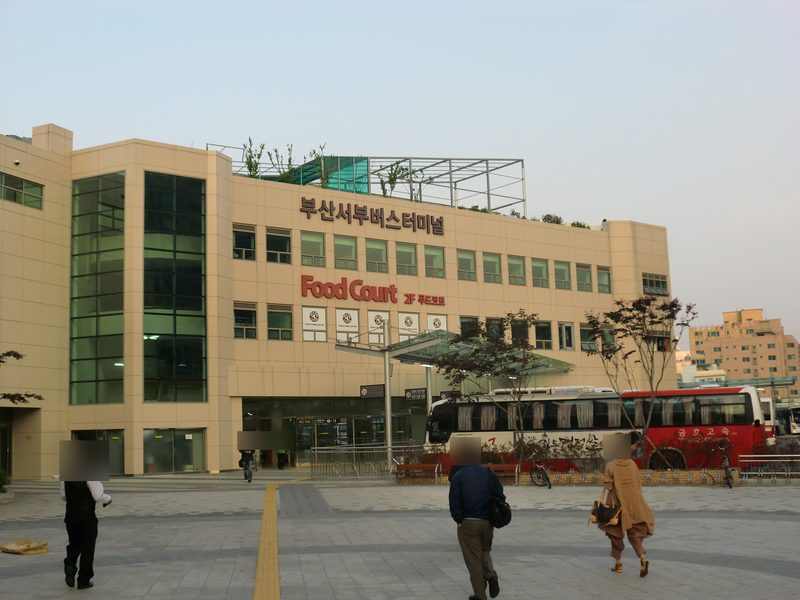
Busan has more than one terminal too. The Klook express route from Seoul Express Bus Terminal ends at Busan Central Bus Terminal at Nopo (Nopo Station, Busan Metro Line 1). Intercity buses from Nambu run to Busan Seobu (Sasang) Intercity Bus Terminal in western Busan. On a sample Thursday in November 2026, that intercity route had six departures, all premium 28-seat coaches, scheduled at 4 hours 30–40 minutes. Pick the Busan end that’s closer to where you’re staying.
Can I book a Korean bus before I arrive, with a foreign card?
Yes. For express buses, use Klook or GO Hanpass; for intercity buses, the BUSTAGO and InterCity Bus apps take foreign cards. Korea’s Ministry of Culture, Sports and Tourism names Klook for express buses and GO Hanpass for both express and intercity, and VISITKOREA lists both as affiliated platforms.
| Channel | What to know |
|---|---|
| Klook, GO Hanpass | Government-named platforms for foreign visitors; book from home |
| kobus.co.kr | Korean, English, Japanese and Chinese interfaces, but VISITKOREA warns “regional restrictions may affect access from certain countries” |
| Official app 고속버스 티머니 | Members and non-members can book; mobile tickets skip the counter. The app lists credit cards, mobile T-money and Naver Pay, without saying whether foreign cards work |
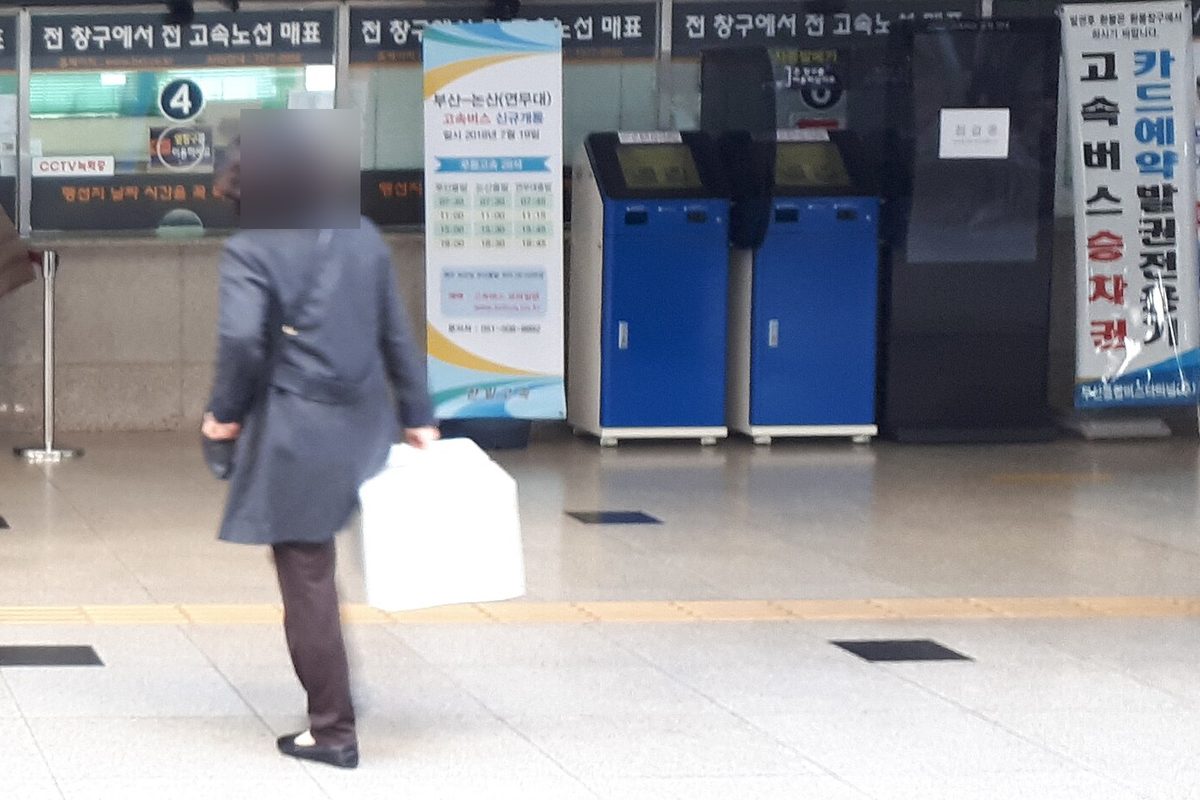
| Intercity terminals (243 nationwide) | Since July 31, 2024, counters take Visa, Mastercard, JCB and UnionPay |
| BUSTAGO, InterCity Bus apps | Take foreign cards; since August 16, 2024 both show every intercity route. InterCity Bus is T-money’s app for foreigners |
| Card declined | txbus notes some debit and corporate cards may not work |
For Seoul–Busan express buses, Klook has a route page in each direction. They’re timetables, not a single product: you pick the date, departure and seat class yourself, and the Busan end is Busan Central Bus Terminal at Nopo, not Sasang. Whether you can cancel and what it costs follows each bus company’s rules, so read them before paying.
Klook: Seoul Express Bus Terminal to Busan Central Bus Terminal →
Klook: Busan Central Bus Terminal to Seoul Express Bus Terminal (return) →
For intercity routes, or if you’d rather book once you’ve landed, install BUSTAGO or InterCity Bus, or buy at the terminal counter with your card.
How far in advance can I book a Korean bus?
Intercity buses usually open about a month out. For express buses, Klook says it releases new dates around the 15th of each month.
| Intercity (txbus) | Departure terminals usually load departures for about one month from today |
|---|---|
| Example | Seoul Nambu to Busan Sasang: on October 18, departures were bookable through November 17 |
| Express | Klook’s notice: new dates around the 15th of each month |
If your trip is more than a month away and a date isn’t showing yet, that’s normal; check back after the 15th or closer to the month before.
What does it cost to cancel a Korean bus ticket?
Little or nothing well ahead, 10–20% in the last three hours, and 60% if you cancel after the bus has left in 2026. The fee depends on timing and whether it’s a weekday, weekend or major holiday.
Express bus (Ministry of Land, Infrastructure and Transport rule, from May 1, 2025):
| When you cancel | Mon–Thu | Fri–Sun, public holidays | Seollal, Chuseok |
|---|---|---|---|
| Within 3 hours of departure | 10% | 15% | 20% |
| After departure | 60% in 2026; 70% in 2027 | ||
Intercity bus (txbus and BUSTAGO):
| When you cancel | Mon–Thu | Fri–Sun, public holidays | Seollal, Chuseok |
|---|---|---|---|
| 2+ days before | 0% | 0% | 0% |
| 1 day before to 3 hours before | 5% | 7.5% | 10% |
| Within 3 hours of departure | 10% | 15% | 20% |
| Up to 1 hour after departure | 40% | ||
| 1–4 hours after departure | 60% (May 1, 2026–April 30, 2027); 70% from May 1, 2027 | ||
| More than 4 hours after | 100% | ||
Intercity tickets are free to cancel within one hour of paying, as long as the bus hasn’t left. On intercity tickets, the holiday column covers the two days before, the day of and the day after Seollal and Chuseok: in 2027 that’s February 5–8 and September 13–16.
Did Korean bus fares go up in 2026?
Yes. From October 1, 2026, the fare caps for both intercity and express buses rose 9%. That’s the ceiling, not a flat 9% on every route, but any fare you found before October is stale.
| Seoul Nambu → Busan Seobu (Sasang), intercity premium | One way |
|---|---|
| Adult | ₩30,000 |
| Middle and high school student | ₩24,000 |
| Child | ₩15,000 |
Express bus fares from Seoul Express Bus Terminal vary by seat class and departure time; check the fare on the booking page for your departure.
Do Korean long-distance buses have toilets? Boarding and rest stops
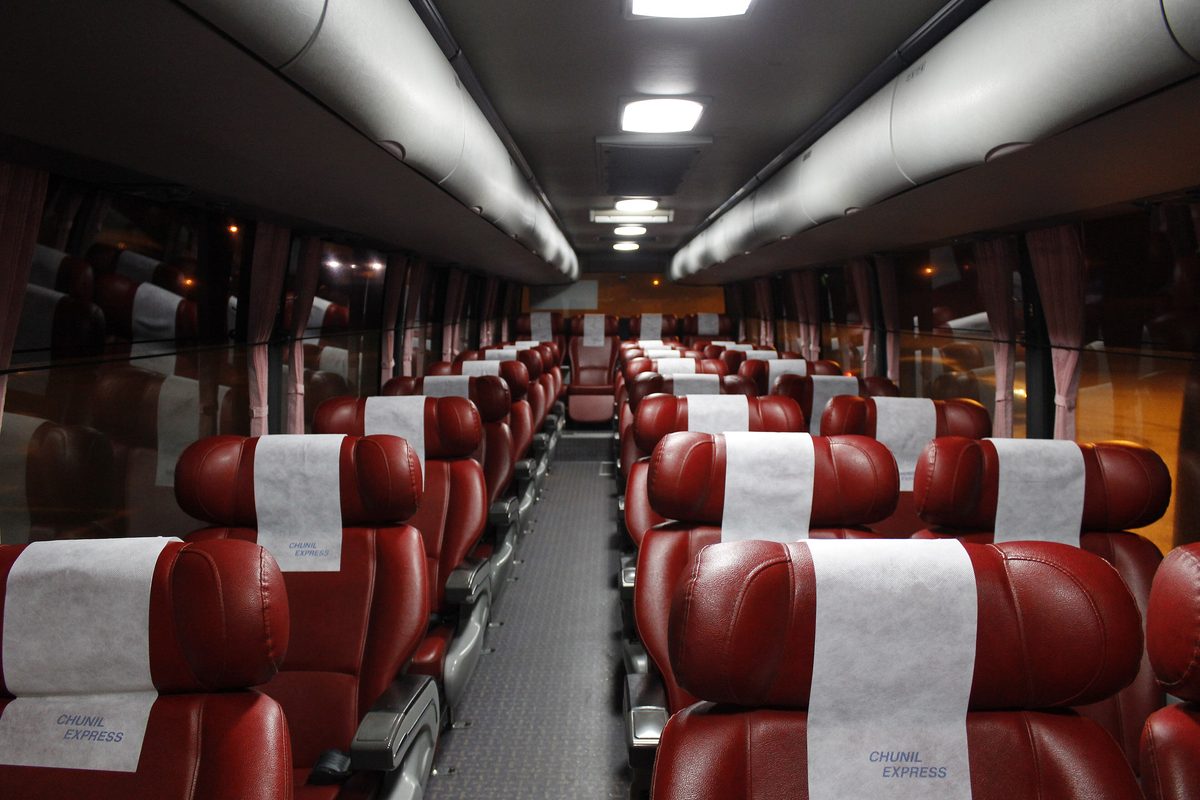
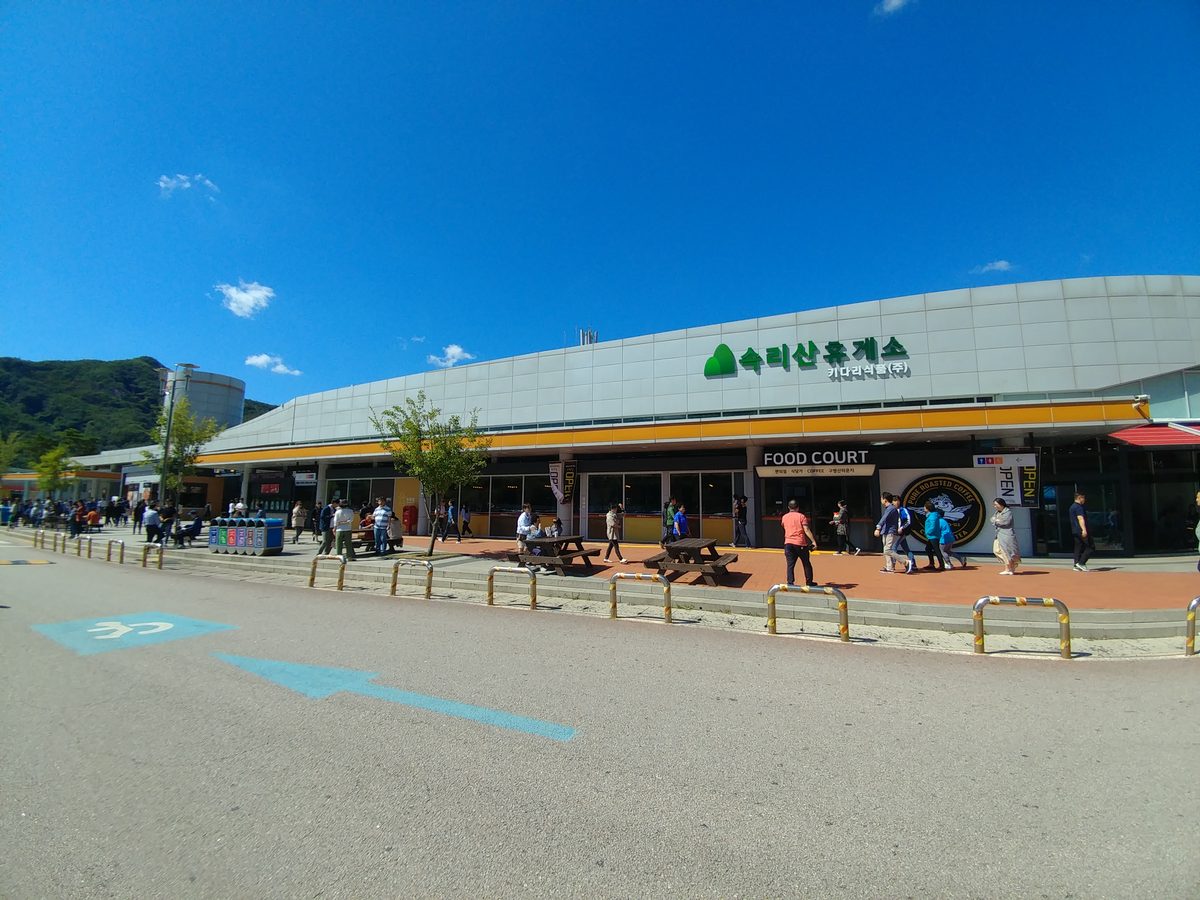
No toilets on board. Medium and long routes stop at a highway service area (휴게소, hyugeso).
| Toilet | None on board; use the terminal before you leave |
|---|---|
| Rest stop | Service-area stop on medium and long routes |
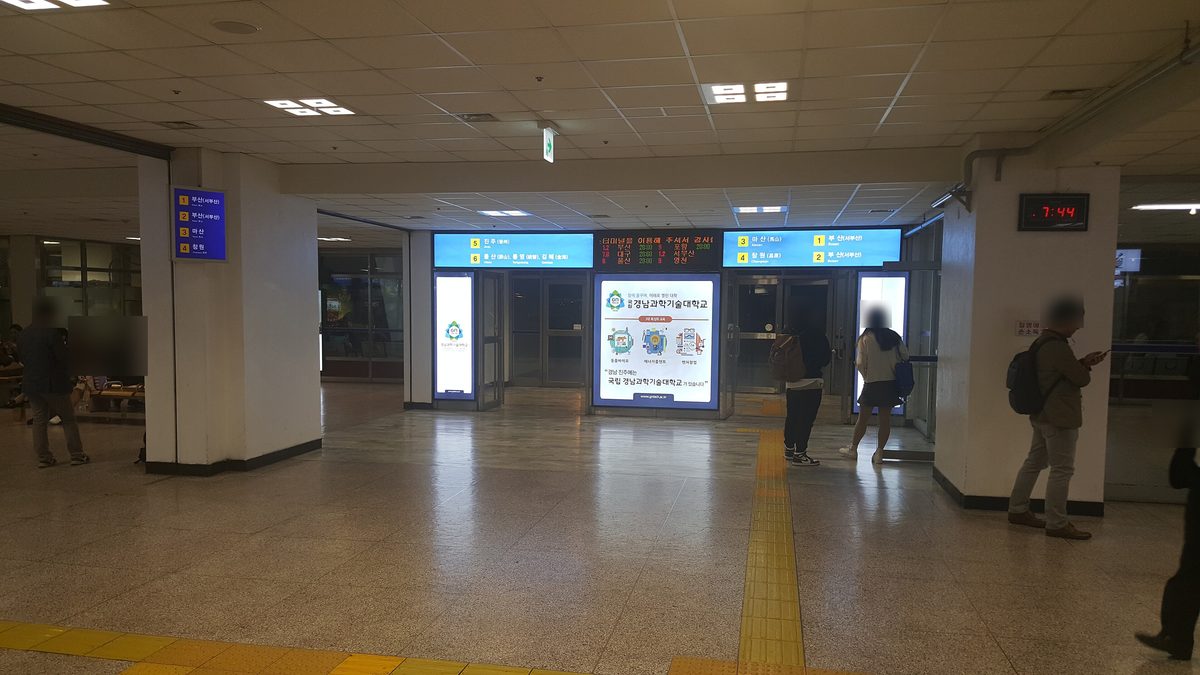
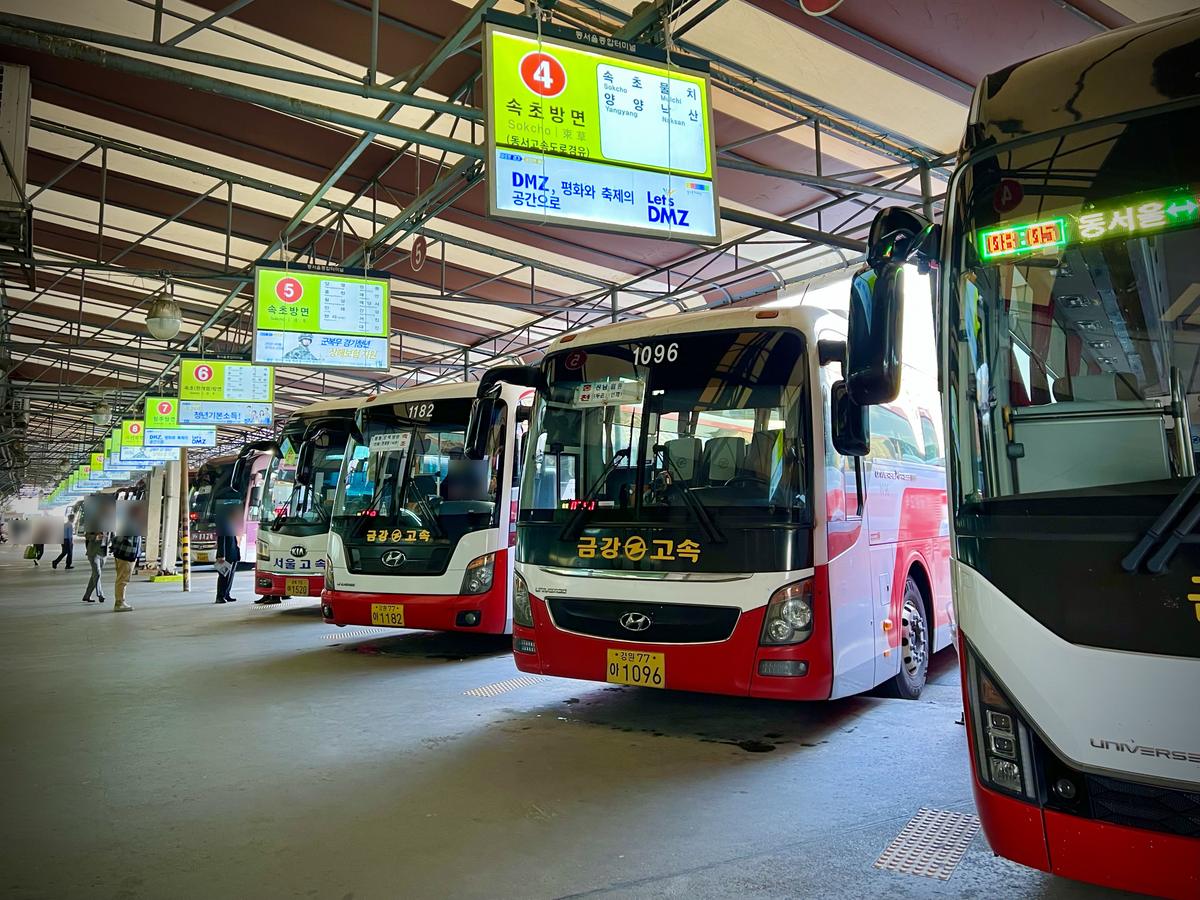
| Boarding | Usually starts 5–10 minutes before departure; find your platform on the waiting-room screens |
| Mobile ticket | Tickets in the official app don’t need to be exchanged at a counter; there’s self check-in |
Bus or KTX from Seoul to Busan?
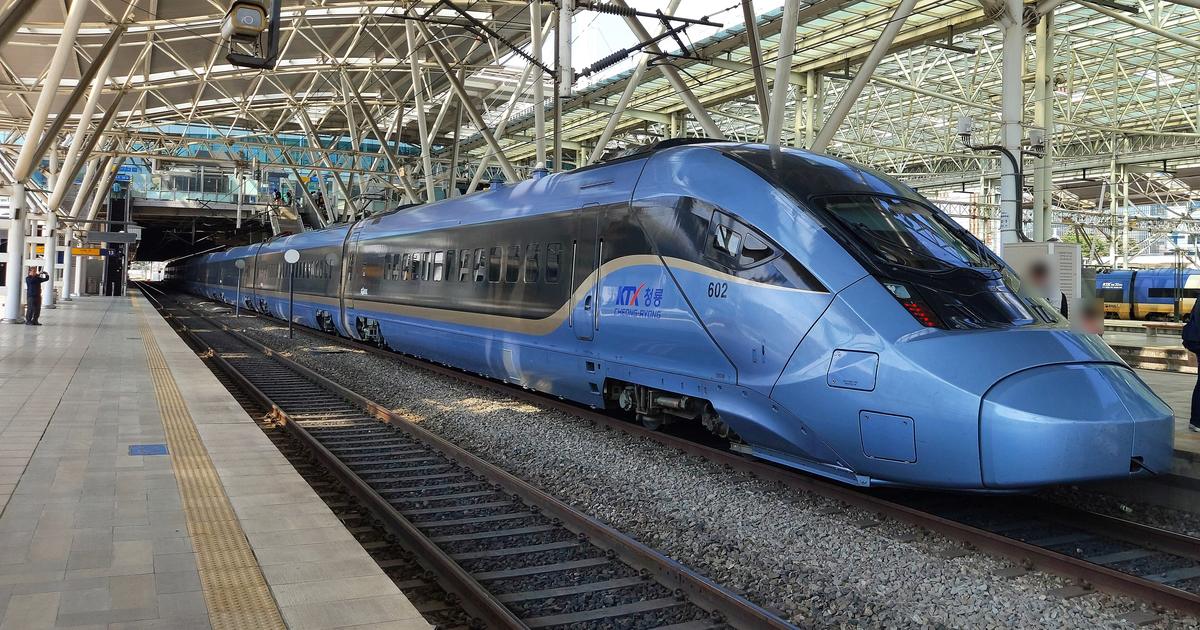
Price the KTX first; the bus earns its place with late-night departures. The bus takes about 4½ hours, and buses run late at night, with a surcharge. KTX fares fell by an average of 10% from September 1, 2026, so compare both for your date before deciding. For when KTX seats open and what refunds cost, see how far in advance you can book KTX.
Your situation
If you want Seoul to Busan booked before you fly
Book the express on Klook or GO Hanpass from Seoul Express Bus Terminal to Busan Central at Nopo. If your dates aren’t showing, check after the 15th. Book the return as a separate route page.
If you’re staying in western Busan
The intercity bus from Seoul Nambu Terminal to Sasang may suit you better. Book it in the BUSTAGO or InterCity Bus app with your foreign card; it opens about a month ahead, and cancelling two or more days before costs nothing.
If you’re heading to a smaller town
Search the intercity system first; it reaches more places. If the route isn’t in the app, ask at the departure terminal, as txbus itself suggests.
Step by step
- Pick the system: express for highway city-to-city runs, intercity for stops along the way.
- Pick the terminals: for Busan, Seoul Express Bus Terminal (express) or Seoul Nambu (intercity), and the Busan end nearest your hotel.
- Book: express on Klook or GO Hanpass; intercity in BUSTAGO or InterCity Bus.
- Note the cancellation rule for your date, especially Friday to Sunday and around Seollal and Chuseok.
- On the day: arrive with time to use the restroom, check the screen for your platform, and board 5–10 minutes before departure.
Common mistakes
- Searching kobus for an intercity route, or the other way round.
- Going to Central City for Busan. It’s the other building at the same station.
- Assuming Busan has one bus terminal. Express buses from Seoul Express Bus Terminal arrive at Nopo; intercity buses from Nambu arrive at Sasang.
- Missing the bus and expecting most of the fare back. After departure, it’s 60% gone in 2026.
- Relying on pre-October 2026 fares. The caps rose 9%.
- Counting on a debit or corporate card. Some don’t go through; carry a backup card.
FAQ
- Q1: How do foreigners book Korean express buses online?
- Through Klook or GO Hanpass, the platforms the Korean government and VISITKOREA point foreign visitors to. Intercity buses can also be booked in the BUSTAGO and InterCity Bus apps, which take foreign cards.
- Q2: What is the difference between an express bus and an intercity bus in Korea?
- Express buses run highway-only between major cities; intercity buses stop at towns along the way. They use separate booking systems, so a route missing on one site may be on the other.
- Q3: Which Seoul bus terminal goes to Busan?
- Seoul Express Bus Terminal for express buses, Seoul Nambu Terminal for intercity buses. Central City, in the same subway station, serves the southwest, not Busan.
- Q4: How far in advance can I book a Korean bus?
- Intercity buses usually open about a month ahead. For express buses there’s no official figure; Klook says it releases new dates around the 15th of each month.
- Q5: What is the cancellation fee for Korean buses?
- Up to 10–20% before departure, and 60% after departure in 2026 (70% in 2027). Intercity tickets are free to cancel two or more days ahead; the full table is in the refund section.
- Q6: How much is the bus from Seoul to Busan?
- Fares depend on the route, seat class and time of day. As one example, an adult premium intercity seat from Seoul Nambu to Busan Seobu (Sasang) was ₩30,000 after the October 2026 fare cap change.
- Q7: Do Korean long-distance buses have toilets?
- No. Medium and long routes stop at a highway service area (hyugeso) on the way.
If it were me
For Seoul to Busan, I’d price the KTX first now that its fares are down 10%, and take the bus when I wanted a late departure. If I went by bus and my hotel was closer to Nopo, I’d book the express on Klook before flying; staying in western Busan near Sasang, I’d take the intercity from Nambu, booked in BUSTAGO with my own card. Either way I’d avoid Friday to Sunday departures if my plans might change, since the cancellation fee goes up then. Once in Busan, if you’re arriving late, check the Busan subway’s last trains before choosing a late departure.
Official sources
- VISITKOREA: Express Bus & Intercity Bus (terminals, booking platforms, onboard rules)
- Ministry of Culture, Sports and Tourism: bus bookings on Klook and GO Hanpass
- txbus: intercity cancellation fees (Korean)
- BUSTAGO (intercity bus booking)
- kobus (express bus booking)
Prices and times follow the latest official announcement.
Read next
Verified
 Changed
How Far in Advance Can You Book KTX? 2 Months Since Oct 2026
KTX tickets go on sale at 07:00 Korea time two months before the travel date (month minus 2, same day). The window changed from one month to two on October 1, 2026. KORAIL PASS start dates can now be set up to 62 days after purchase, so pass holders can reserve at the two-month mark too.
Verified
 Current
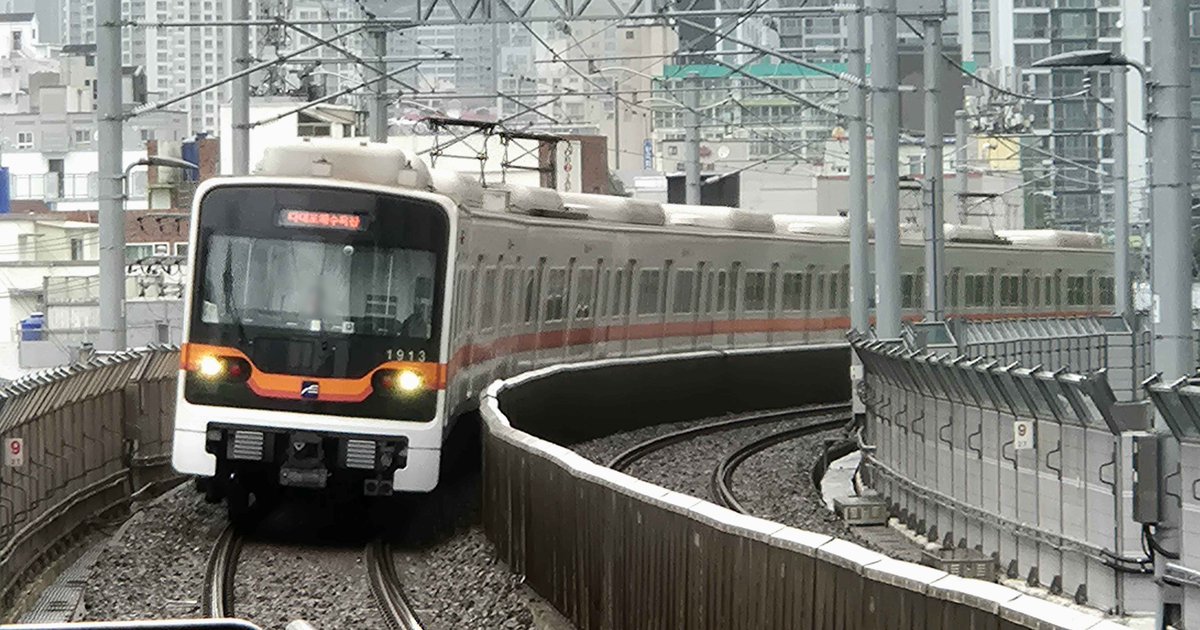
Busan Subway Last Train 2026: Haeundae, Seomyeon, Nampo
Busan Metro Lines 1–4 have the same last trains on weekdays, Saturdays, Sundays and holidays, mostly leaving between 23:30 and 00:30; trains around midnight often end partway at Jeonpo, Sinpyeong, Hopo or Gwangan. Haeundae to Seomyeon is 23:29 and Seomyeon to Haeundae 00:00; trips that change lines at Seomyeon need a train by 23:14 to 23:33.
Verified
 Current
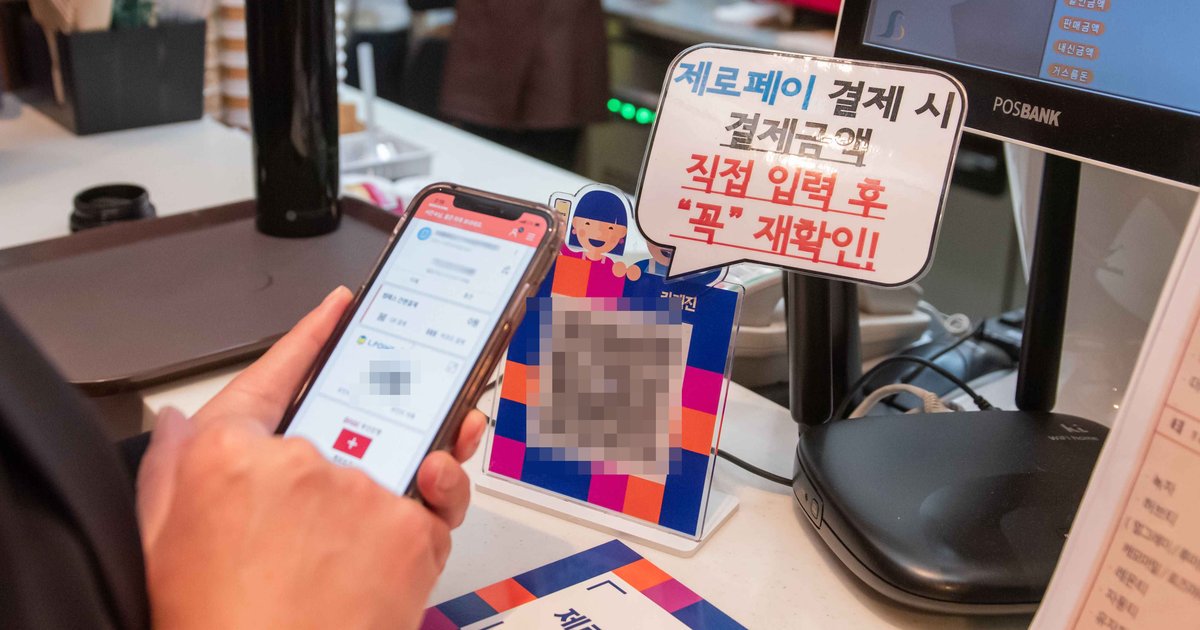
Can You Use Apple Pay in Korea? 2026 Shops, Subway and Bus
Yes, with a foreign card, where the shop’s terminal has NFC contactless switched on and accepts your card network; a symbol on the reader isn’t a guarantee. Subway gates and bus readers don’t take foreign cards directly in 2026. On iPhone, use MobileTmoney, topped up with Apple Pay using Mastercard, American Express, UnionPay or JCB; Visa isn’t accepted. Carry a physical card and some won.