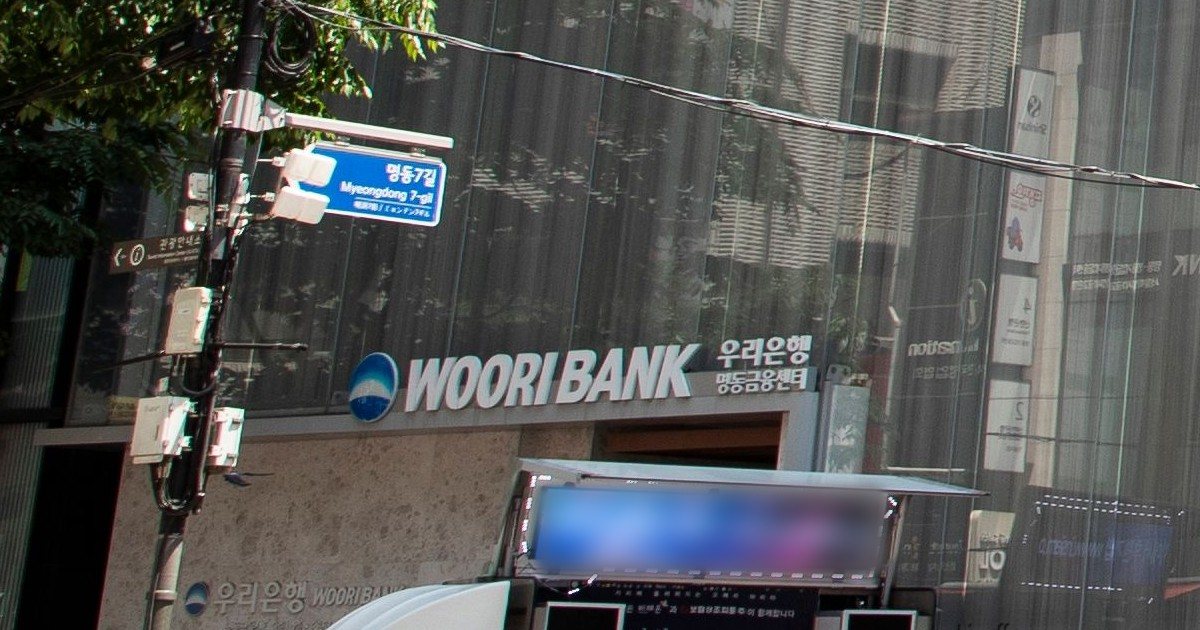
On November 13, 2026, Hana Bank’s posted rates took about 1.75% off US dollar cash handed over at its counter, and 10% off Taiwan dollars and Indonesian rupiah. That gap, not a fee, decides where you should change money for Korea. If you carry one of the major currencies (USD, EUR, JPY, GBP, AUD, CAD, SGD, NZD, HKD), bring it as cash and change most of it in Korea. Landing at night is fine at Incheon, where both terminals have a 24-hour counter, but not at Gimhae in Busan. Keep your passport on you and the exchange receipt in your wallet. “Spread” below is the bank’s own term: how far the rate you get sits below its base rate.
- Which currency: a major one in cash. A Korean bank’s posted cash spread is about 2% on those and 6–12% on smaller Asian currencies.
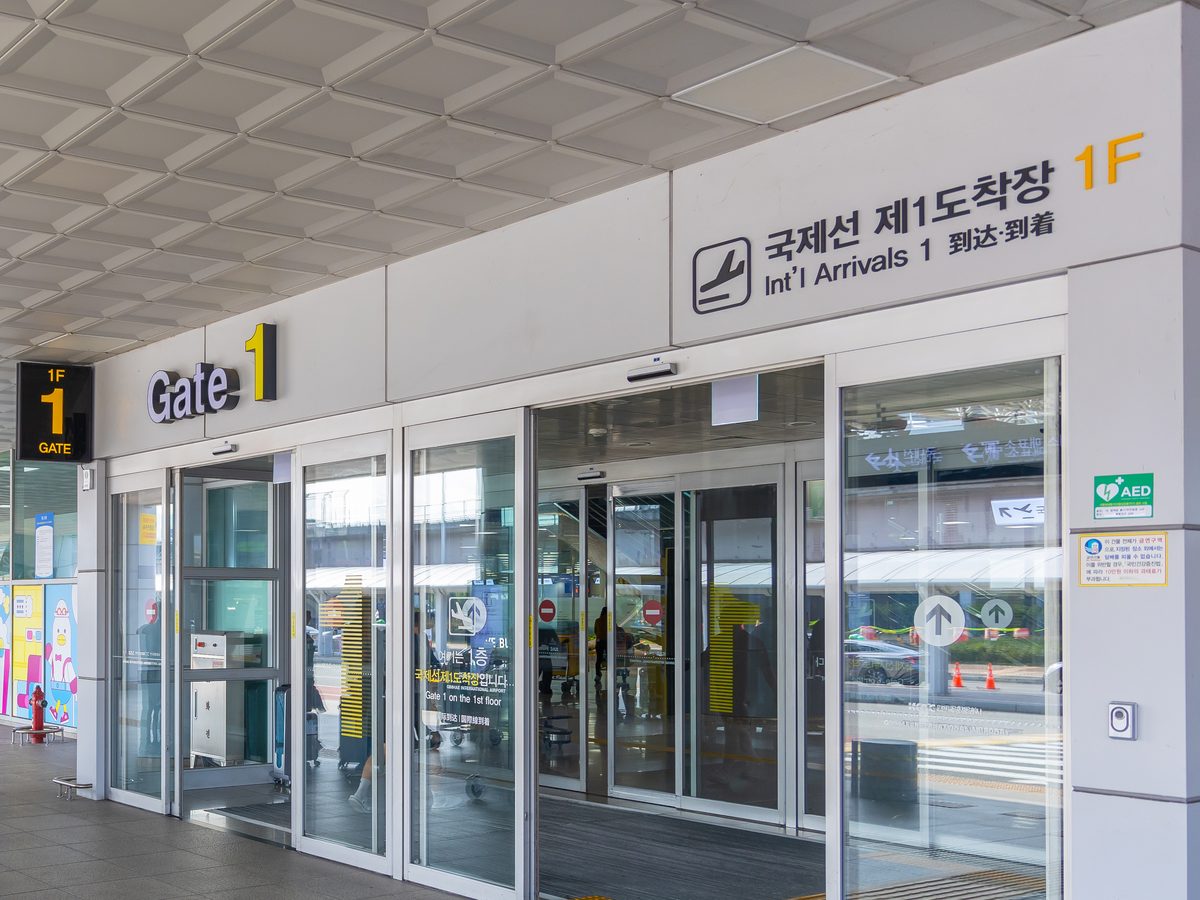
- Landing late at Incheon: Woori Bank counters in both arrivals halls run 24 hours.
- Landing in the evening at Gimhae: the airport lists only a 09:00–16:00 bank; arrive with won or a card that works for transit.
- At a money changer: show your passport and keep the purchase certificate.
- ATM: look for Global ATM and your card’s network logo; ask your issuer about fees before you fly.
- Leftover won: change it back at a bank in Korea before you fly, receipts in hand.
Contents
Who this is for
Travelers on a short trip who haven’t decided what money to bring or where to change it.
- You’re flying into Incheon, Gimpo or Gimhae and want won for the first ride.
- Your home currency isn’t the US dollar, and you’re wondering whether to switch first.
- You plan to eat at markets and street stalls or top up a physical T-money card, which takes cash.
- You might end the trip with a pile of won and want to know if you can change it back.
You can skip it if:
- You’ll pay for almost everything by card or phone and only need transit sorted. Start with how to pay for the subway without cash.
- You already know you’ll only use an ATM. The ATM section below covers what to check.
Money exchange in Korea at a glance
Bring a major currency, change a little on arrival if you need to, and do the rest at a bank or licensed changer in town.
| Best to bring | Cash in USD, EUR, JPY, GBP, AUD, CAD, SGD, NZD or HKD |
|---|---|
| Bank cash spread, major currencies | About 2% (Hana Bank, November 13, 2026) |
| Bank cash spread, smaller currencies | 6–12% (THB, MYR, PHP, TWD, IDR, VND) |
| Incheon, 24 hours | Woori Bank counters in both arrivals halls |
| Other airport counters | Mostly 06:00–22:00 |
| Bank branches | Weekdays 09:00–16:00; closed weekends and public holidays |
| Bring | Your passport |
| Keep | The foreign currency purchase certificate (외국환매입증명서) |
| Declare on arrival | Cash and other means of payment over the equivalent of US$10,000 |
Which currency should I bring to Korea?
A major currency in cash. Korean banks take far less off those than off smaller currencies. The table below shows the spread Hana Bank posted for cash you hand over at the counter, from its November 13, 2026 posting. Treat the numbers as a snapshot of one bank on one day; what matters is the pattern: widely traded currencies get a narrow spread, less common ones a wide spread.
| Currency you hand over | Hana Bank cash spread |
|---|---|
| USD, JPY | 1.75% |
| GBP, AUD, CAD, NZD, HKD | 1.97% |
| EUR, SGD | 1.99% |
| THB | 6.00% |
| MYR | 7.40% |
| PHP | 8.20% |
| TWD, IDR | 10.00% |
| VND | 11.80% |
On Hana Bank’s rate page this is the “현찰 파실때” (cash, when you sell) column, with “Spread” next to it. The exchange rate itself moves every day, so check the won figure on the day; the spread is what tells you how much of your money the bank keeps.
If your currency is in the top three rows, bring it as cash and change it in Korea. There’s little to gain from switching to US dollars first, since you’d pay a spread twice.
If it’s in the bottom rows, do one sum before you leave: what your home bank charges you to buy US dollar cash, compared with the 6–12% a Korean bank takes off your own currency. If buying dollars at home costs you clearly less than that gap, switching to USD before the trip leaves you with more won. If it costs about the same, bring your own currency and save yourself the extra step.
These are bank board rates. Myeongdong money changers, airport counters and WOWPASS machines set their own rates each day, and there’s no official figure to compare them with. Look at the board, work out what you’d get for 100 of your currency, and compare it with the bank rate before you hand anything over.
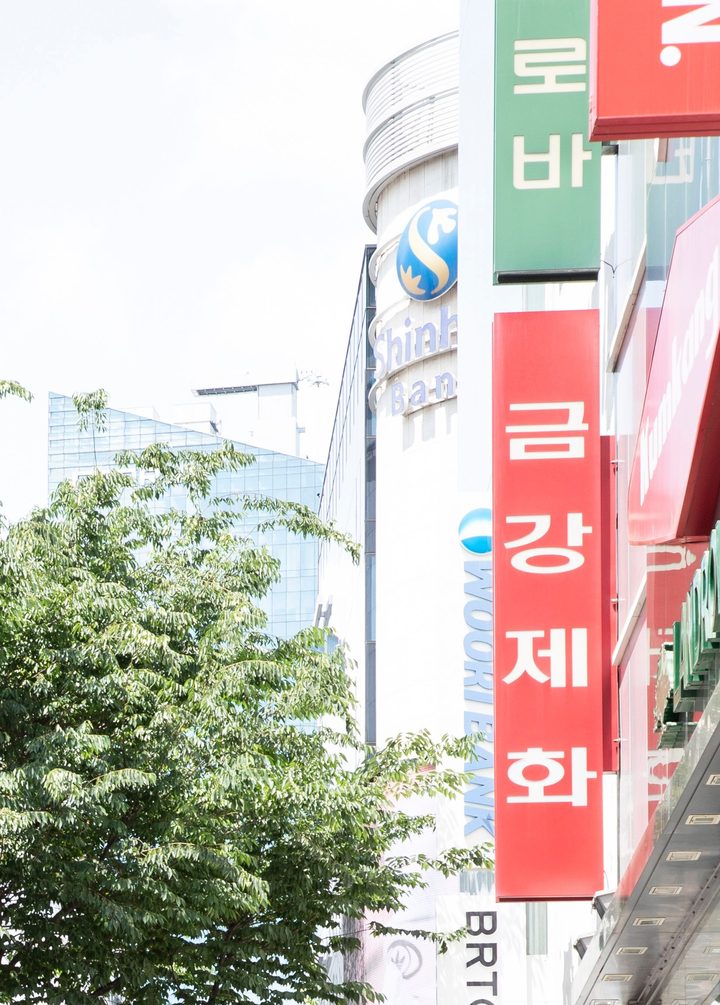
Can I exchange money at the airport when I land?
At Incheon, yes, at any hour. At Gimpo, until midnight before customs. At Gimhae, only during bank hours, as far as the airport’s own list shows.
Incheon International Airport
Most exchange counters open 06:00–22:00, and a few run 24 hours. The ones that matter when you land are in the arrivals hall (1F, after customs) and in baggage claim:
| Where | Counters and hours |
|---|---|
| T1 arrivals hall | Woori Bank near Exit 6 and Exit 11: 24 hours. KB Kookmin Bank near Exit 9 and Hana Bank near Exit 4: 06:00–22:00 |
| T1 baggage claim | KB Kookmin near Arrival Hall B: 24 hours. Hana inside Arrival Hall E: 06:00–22:00 |
| T2 arrivals hall | Woori Bank near Exit 7: 24 hours. Hana near Exits 4 and 10, KB Kookmin between Exits 1 and 2: 06:00–22:00 |
| T2 baggage claim | Woori near Arrival Hall A: 06:00–22:00. KB Kookmin near Arrival Hall B: 05:00–20:00 |
The airport map also shows bank branches. Those are not exchange counters: they open 09:00–16:00 and close on weekends and public holidays. On December 25 or January 1, the counters are what you’ll use; more on those days in cash and banks over Christmas and New Year.
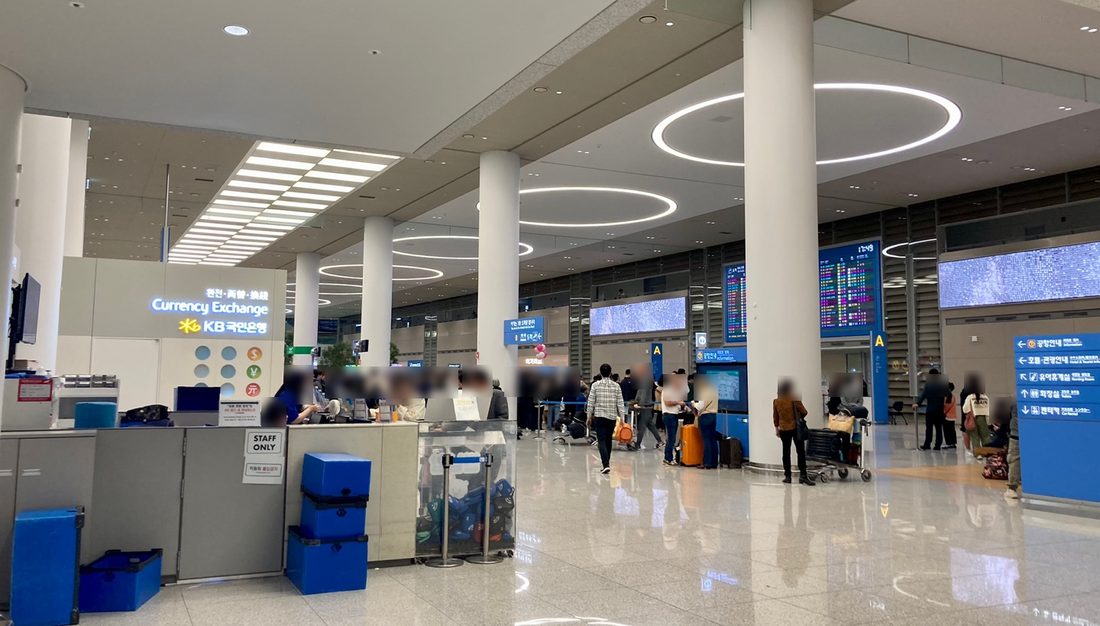
Gimpo and Gimhae international terminals
| Airport | Counter and hours |
|---|---|
| Gimpo 1F arrivals (before customs) | Shinhan Bank, 10:30–00:00 |
| Gimpo 2F (public area) | Shinhan Bank, 06:00–19:00 |
| Gimpo 3F departures (after security) | Shinhan Bank, 07:00–20:00 |
| Gimhae international terminal | The airport’s facility list shows one entry under finance and exchange: BNK Busan Bank, 1F, 09:00–16:00 |
At Gimpo, the late counter is the one before customs; once you walk out, the public-area counter has closed by 19:00. At Gimhae, assume you can’t change money if you land in the evening. Check the airport’s facility page before you fly.
What do I need at a money changer in the city?
Your passport. Keep the receipt they give you. Change money at a bank or an authorized exchange service; licensed changers must record your name and passport number.
| Where | A bank (weekdays 09:00–16:00) or an authorized money changer |
|---|---|
| Passport | Required |
| What you get | A foreign currency purchase certificate (외국환매입증명서), issued once |
| What it’s for | Changing leftover won back at a money changer, together with your passport |
| Small amounts | Up to US$2,000 per person per day (US$4,000 at changers with computerized records) can be exchanged without the application form and certificate |
| Old banknotes | Some banks and changers won’t take older series of foreign notes; ask first |
Can I use an ATM instead?
Yes, if your card is set up for it. Look for an ATM marked Global ATM (글로벌ATM) with your card’s network logo.
| Which machine | Global ATM showing the same logo as your card: Visa/Plus, Mastercard/Cirrus and so on |
|---|---|
| Fees and limits | Set by your card issuer and the ATM’s bank; no Korean bank publishes a foreign-card fee table |
| Philippine and Malaysian cards | Hana Bank notes that balance checks at its Global ATMs are restricted for these cards |
| Changing it back later | Won you withdraw from a Korean ATM with a foreign card counts toward what a Korean bank can change back for you |
Before you fly, ask your card issuer three things: whether international ATM withdrawals are switched on, which PIN to use abroad, and what they charge per withdrawal. Each withdrawal carries its own fixed cost, so fewer, larger withdrawals cost less than many small ones.
What about WOWPASS?
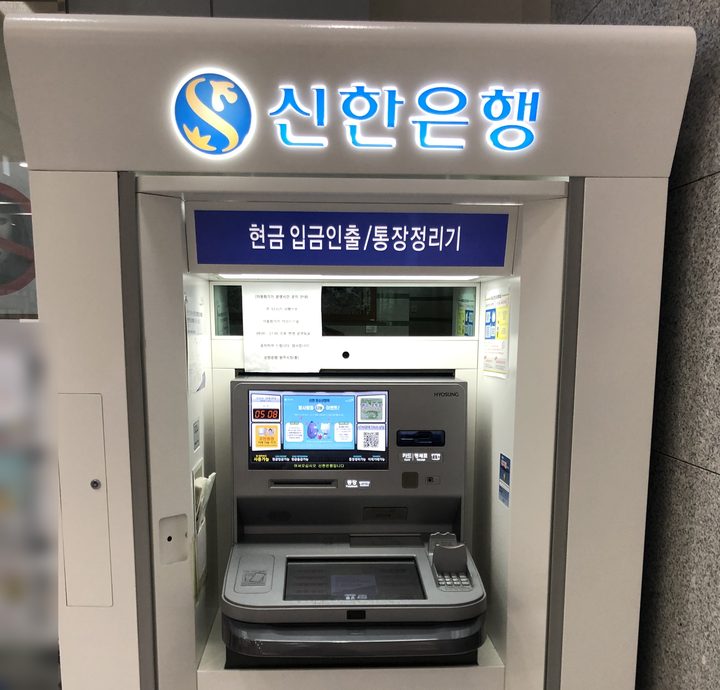
It’s a prepaid card for foreign visitors that you can load with foreign cash at its machines, so it can stand in for a money changer. WOWPASS says cash top-up supports 16 currencies, and you can also top up in the app with Mastercard, JCB or Visa (through PayPal). What rate the machine gives you is set on the day, so compare it with the bank board the same way as a money changer.
It doesn’t replace won entirely. The card has a separate transit balance, and at the machines you fill that with won in cash, or by moving money across in the app for a fee. How the two balances work is in how WOWPASS works for the subway and buses.
You don’t need to buy anything ahead to use it; the machines issue cards on the spot. If you’d rather have a code ready before you land, the WOWPASS voucher on KKday is redeemed at a WOWPASS machine with your original passport. It can’t be canceled or refunded once bought, and what you get is the card; the money still goes on separately.
Where do I still need cash in Korea?
Physical T-money top-ups and some street food and market stalls.
| Physical T-money top-up | Won in cash at a convenience store or station machine. Ways around it are in paying for the subway without cash |
|---|---|
| Street stalls, underground arcades | Some are cash only; WOWPASS’s own FAQ mentions them as places the card is hard to use |
| Myeongdong street food | Many stalls take cards, not all; see paying at the Myeongdong night market |
| Jeju buses | The opposite: no cash at all. See can you pay cash on a Jeju bus |
What do I do with leftover won?
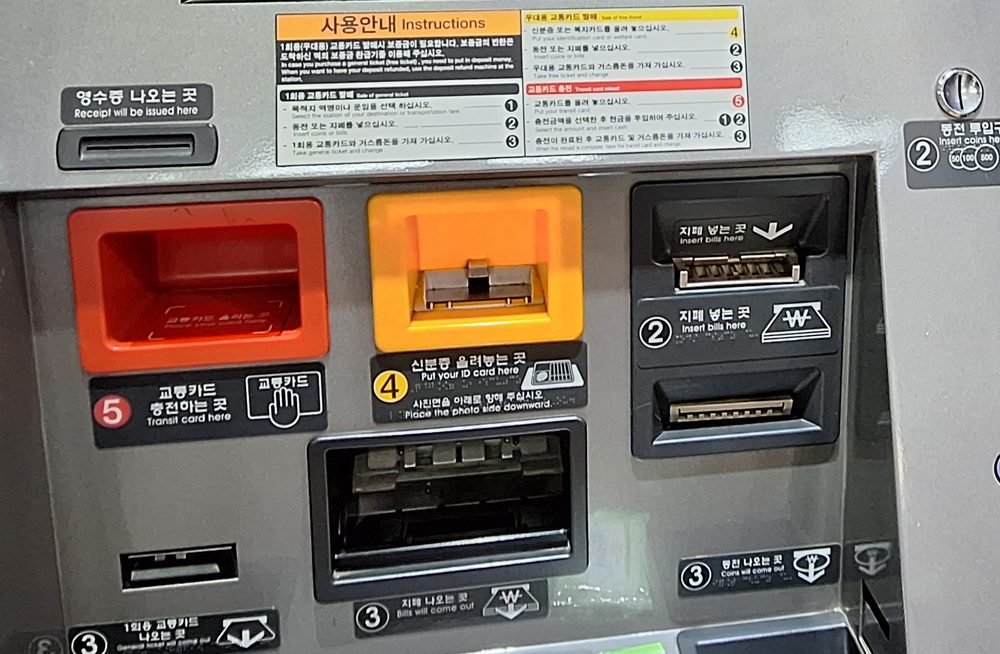
A little left over, keep it for next time. A lot, change it back at a bank in Korea before you fly, with your exchange receipts.
| At a bank, no receipts | Up to US$10,000 |
|---|---|
| At a bank, with receipts | Up to the foreign currency you sold since you last entered Korea; won withdrawn from a Korean ATM with a foreign card counts toward this |
| At a money changer | Allowed for visitors, with the same limits in principle as banks; bring the purchase certificate and your passport. Up to US$2,000 the same day (US$4,000 at computerized changers) without the paperwork |
Bank branches close at 16:00 and don’t open on weekends, so if you’re flying out on a Sunday, change it back on Friday.
How much cash can I carry into and out of Korea?
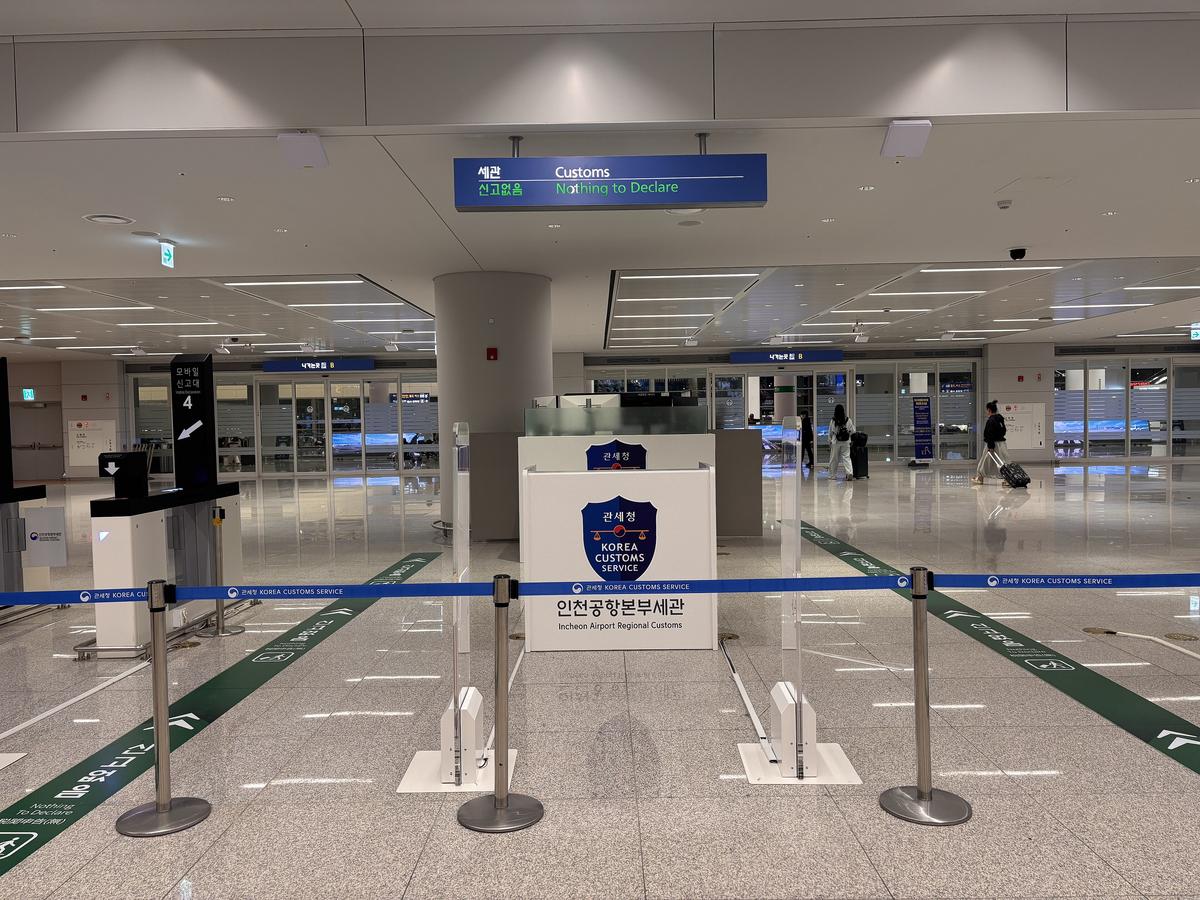
Up to the equivalent of US$10,000 without declaring it on arrival.
| Arriving in Korea | More than the equivalent of US$10,000 in cash or other means of payment must be declared to customs |
|---|---|
| Leaving Korea, foreign currency | Up to US$10,000, or up to the amount you changed into won during your stay; more needs Bank of Korea permission |
| Leaving Korea, won | More than the equivalent of US$10,000 must be declared to customs |
| Your own country | Has its own rules for cash leaving and coming back; check your customs authority’s page |
Your situation
If you land at Incheon after midnight
After customs, go to the 24-hour Woori Bank counter: near Exit 6 or Exit 11 in Terminal 1, near Exit 7 in Terminal 2. Change enough for tonight and tomorrow, then do the rest in town once you’ve seen a bank board. Late-night ways into Seoul are in getting from Incheon to Seoul when you land late.
If you land at Gimhae in the evening
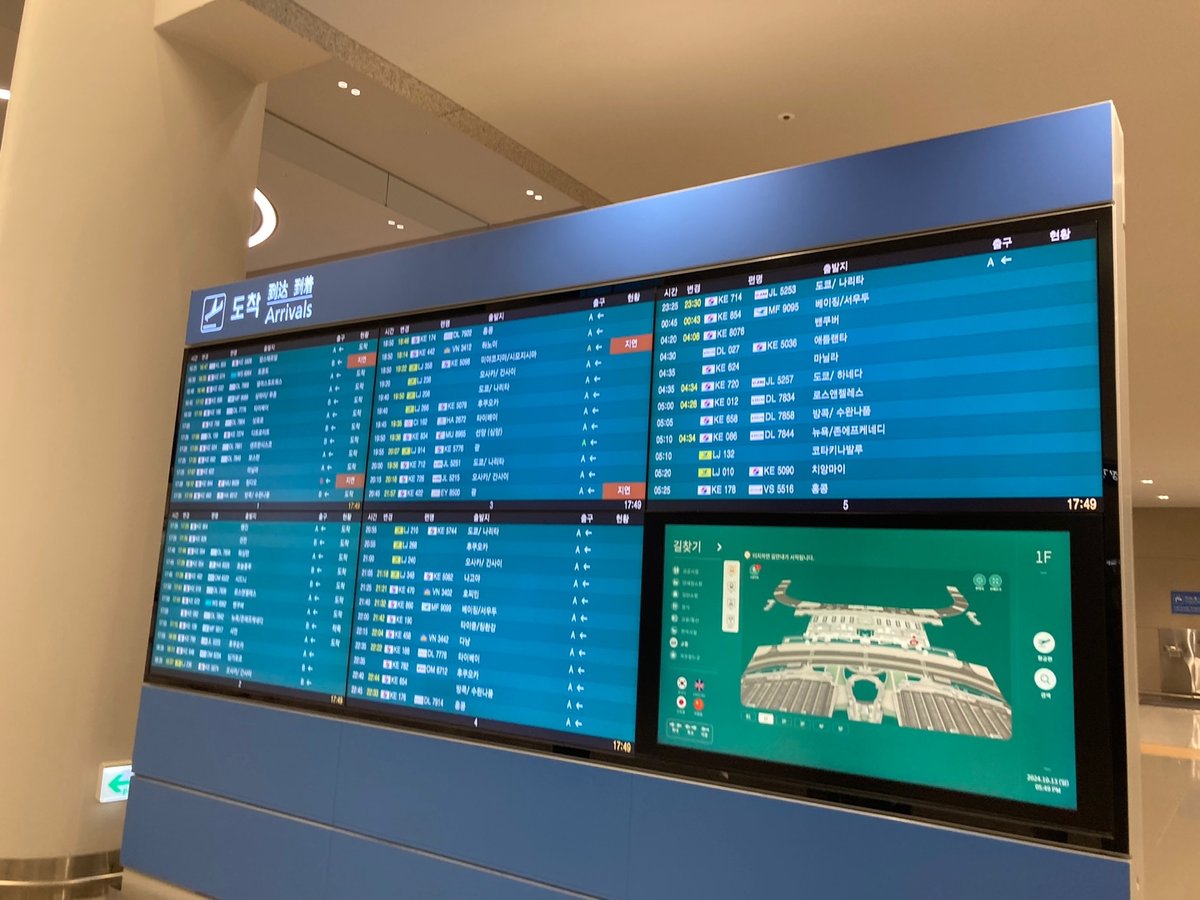
Arrive with won for the first ride, changed at home or at your departure airport, or with a card that works for transit. The airport’s own list shows only a bank open 09:00–16:00, so don’t count on changing money after you land. Do the rest the next morning at a bank or licensed changer in Busan, passport in hand.
Common mistakes
- Bringing a small, less-traded currency without doing the sum. At 6–12%, the spread is three to six times what the major currencies pay.
- Converting a major currency to US dollars first. EUR, GBP, AUD and the rest already get a spread of about 2% in Korea; a second conversion just adds cost.
- Looking for a bank branch at the airport on a weekend. Branches open 09:00–16:00 on weekdays only. Use the exchange counters.
- Throwing away the purchase certificate. You need it, with your passport, to change won back at a money changer.
- Leaving the change-back to a Sunday. Bank branches are closed; do it on a weekday.
What I would do
Five days in Seoul, flying into Incheon in the afternoon, home currency euros:
| When | Plan |
|---|---|
| Before the trip | Take euros in clean, current notes; ask my bank whether my debit card works abroad and what it charges per withdrawal |
| On landing | Change a small amount at an arrivals-hall counter for transit and dinner |
| Day 2, before 16:00 | Change most of the rest at a bank branch, passport in hand; keep the certificate in my passport |
| During the trip | Card for shops and restaurants; won for stalls, markets and transit top-ups |
| Last weekday | Spend down; if a lot is left, change it back at a bank with the receipts |
A small amount at the airport so I’m not hunting for a changer with luggage; the bulk at a bank on a weekday, where the posted rate applies.
FAQ
- Q1: Is it better to exchange money at home or in Korea?
- With a major currency in cash, change most of it in Korea. A Korean bank’s posted cash spread on USD, EUR, JPY, GBP, AUD, CAD, SGD, NZD and HKD is about 2%. With a smaller currency, compare what your home bank charges for USD against the 6–12% a Korean bank posts on your currency.
- Q2: What is the best currency to bring to Korea?
- US dollars, or any of the other major currencies. On Hana Bank’s posted cash rates the spread was 1.75% for USD and JPY and just under 2% for EUR, GBP, AUD, CAD, SGD, NZD and HKD, against 6% for THB and 10% or more for TWD, IDR and VND.
- Q3: Is the money exchange at Incheon Airport open 24 hours?
- Yes, the Woori Bank counters in both arrivals halls. They are near Exits 6 and 11 in Terminal 1 and near Exit 7 in Terminal 2. Most other counters open 06:00–22:00.
- Q4: Do I need my passport to exchange money in Korea?
- Yes. Licensed money changers must record your name and passport number. Keep the foreign currency purchase certificate they give you; you need it to change won back.
- Q5: Can I change leftover Korean won back to dollars?
- Yes, at a bank or money changer in Korea. A bank can change back up to US$10,000 without any receipt, or up to what you exchanged since you arrived if you have the receipts. See leftover won.
- Q6: How much cash can I bring into Korea without declaring it?
- Up to the equivalent of US$10,000. More than that in cash or other means of payment must be declared to Korean customs on arrival.
- Q7: Can I use my foreign debit card at a Korean ATM?
- Yes, at ATMs marked Global ATM that show your card’s network logo. Fees and limits come from your card issuer and the ATM’s bank, so ask your issuer before you fly.
If it were me
Holding a major currency, I’d bring cash and change it in Korea, a little at the airport and the rest at a bank. Holding a smaller one, I’d only switch to dollars at home if that clearly beats the 6–12% gap; with a Philippine or Malaysian card I’d also try a Global ATM on day one rather than on the last day. Paying mostly by card, I’d still carry some won for stalls and transit top-ups, and keep the ATM as backup, not the plan.
Official sources
- Hana Bank: posted exchange rates (Korean; “현찰 파실때” and Spread columns)
- Korea Tourism Organization: currency exchange at airports and banks (English)
- Incheon Airport: facilities (Korean; finance category)
- Gimpo Airport: facilities (Korean; choose 국제선)
- Gimhae Airport: facilities (Korean; choose 국제선)
- Bank of Korea: foreign exchange rules for nonresidents (English)
- WOWPASS (English)
Prices and times follow the latest official announcement.
Read next
Verified
 Current
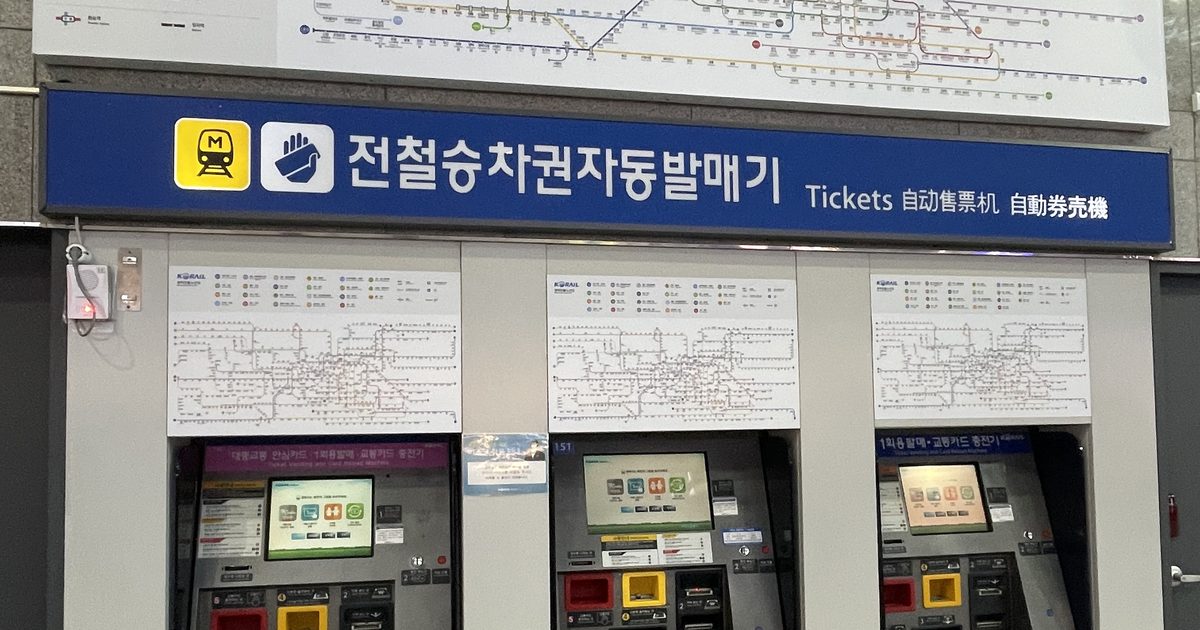
Can You Top Up T-money With a Credit Card? 2026 Answer
Physical T-money cards top up with cash only. Since March 17, 2026, new machines on Seoul Lines 1–8 accept foreign cards, but only for the Climate Card and single tickets. On iPhone, MobileTmoney tops up via Apple Pay with Mastercard, Amex, UnionPay or JCB, not Visa; WOWPASS fills its T-money balance in the app.
Verified
 Not announced
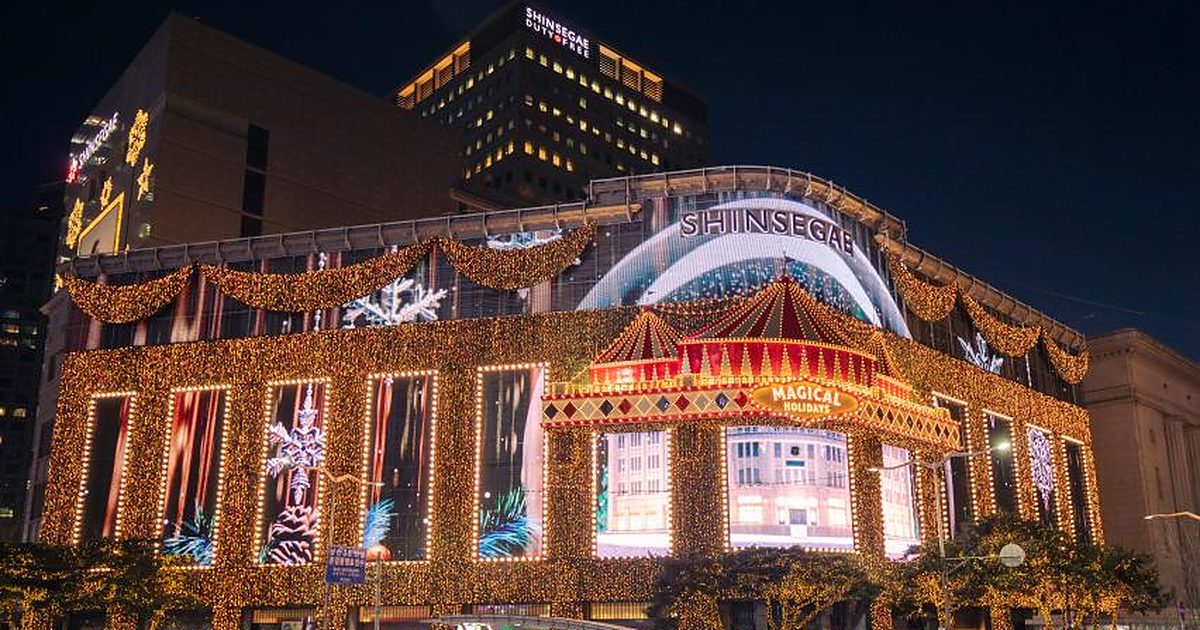
Christmas and New Year’s Day in Korea 2026–27: What’s Open
December 25 and January 1 are public holidays, both Fridays this year, with no substitute day. On December 25 department stores open and none of the 146 E-mart group stores in Seoul, Busan and Jeju closes. The January 2027 department store tables aren’t out; last year every Hyundai department store and 24 Lotte stores closed on January 1. Palaces open both days; national museums close on January 1.
Verified
 Current
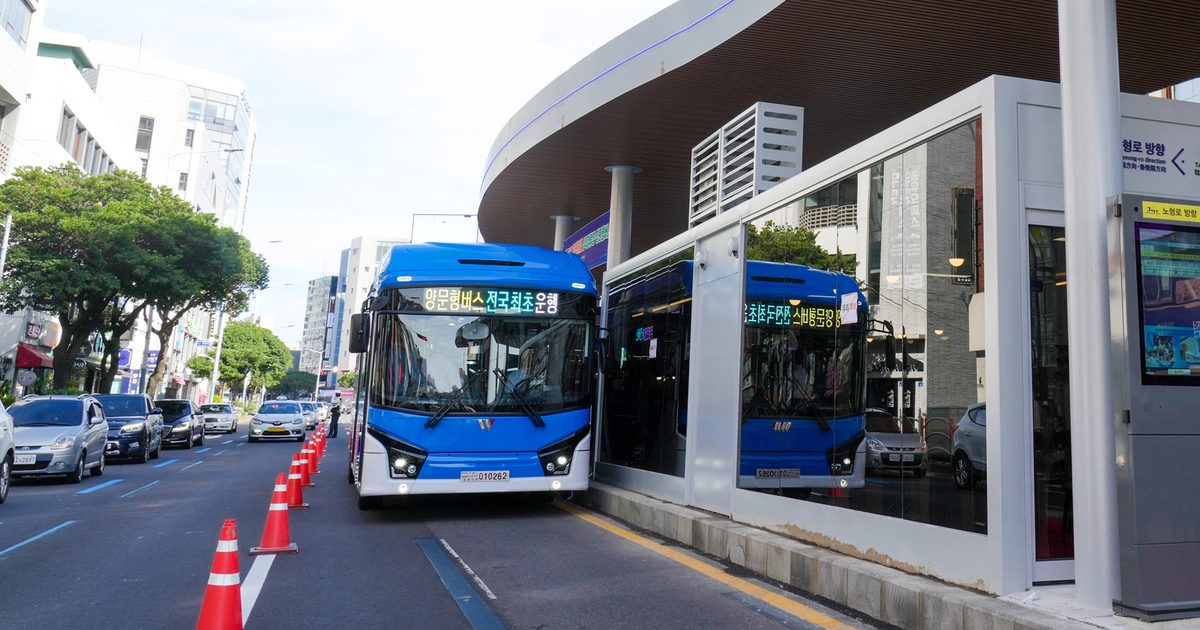
Jeju Bus Payment 2027: Visa Tap, T-money, No Cash
Jeju route buses have taken no cash since October 1, 2024. Since August 1, 2025, a second terminal for foreign visitors (ON나라페이) takes contactless Visa and QR payments; Jeju names no other card network. Otherwise use T-money or another nationwide transit card, including one bought in Seoul. The Seoul Climate Card doesn’t work.