The one or two weeks from late March to early April are when Hallim Park is most worth the trip: in 2026, the park’s own bloom reports had cherry blossoms opening in the first days of April, canola flowering beneath them and the tulips next door close to peak. Many people think of it as a February plum-blossom spot, but in 2026 the plums only started around February 19, so a trip to western Jeju just for plums early in the month mostly finds daffodils. Adult tickets are ₩15,000 at the door, with no booking, and the park suggests about 90 minutes. Without a car, bus 202 runs to the gate from both Jeju City and Seogwipo; from the airport you change once. Below: what blooms each month, tickets and sales hours, the two caves, buses, and pairing the park with Hyeopjae Beach next door. A few Korean names are worth knowing because they’re what the bus stops say: 한림공원 is Hallim Park and its stop; 한림환승정류장 is the Hallim transfer stop where airport passengers change; 협재해수욕장 is Hyeopjae Beach.
- Best time: late March to early April, with cherry blossoms, canola and tulips together. 2027 bloom reports and festival dates aren’t out; this page uses 2026.
- Buy tickets at the door: adults ₩15,000, children ₩9,000; no booking, no quota.
- Ticket sales from 09:00; in winter they close at 16:30. The park says 90 minutes; 2 hours is more comfortable.
- Hyeopjae and Ssangyong caves are open and included; Hwanggeum Cave isn’t.
- Bus 202 direct from Jeju City or Seogwipo; from the airport, express 102 to Hallim, then the 202.
- Go in at 14:00–15:00 and walk to Hyeopjae Beach for sunset; the two stops are next to each other.
Contents
Who this is for
Anyone planning a day in western Jeju and deciding whether, and in which month, Hallim Park is worth a slot.
- You’re in Jeju between late March and early April and want cherry blossoms, canola and tulips in one place.
- You don’t drive and need the bus routes from the airport, Jeju City or Seogwipo.
- You’re traveling with older relatives or kids and want flat paths, greenhouses, caves, strollers and wheelchairs.
- You’re already going to Hyeopjae Beach and want something nearby for the same afternoon.
You can leave it out if:
- You only want plum blossoms and can only go in early February. They start in mid-February; before that it’s mostly daffodils.
- You want camellias between December and February. The park has some in December, but there are better places; see where to see camellias in Jeju.
- You’re staying only in the east around Seongsan. The 202 from Seogwipo takes nearly two hours, a lot for a 90-minute park.
- You want untouched nature. This is a privately run theme park; apart from the caves, it’s landscaped gardens and greenhouses.
Hallim Park at a glance
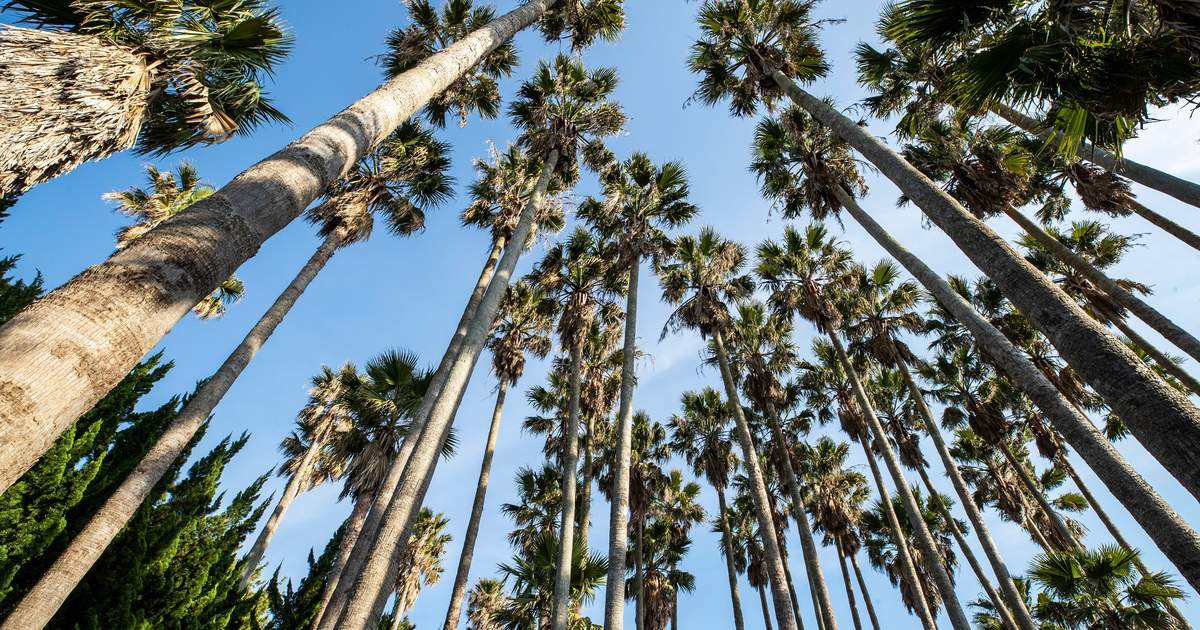
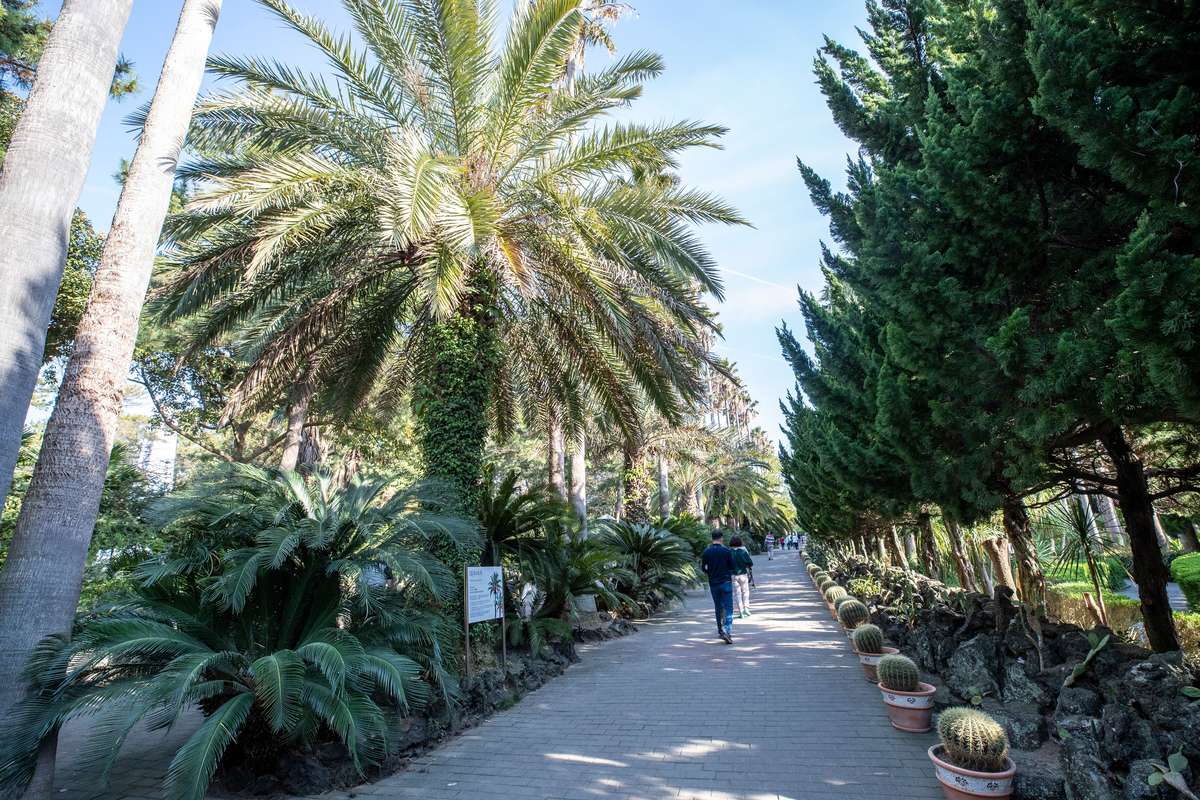
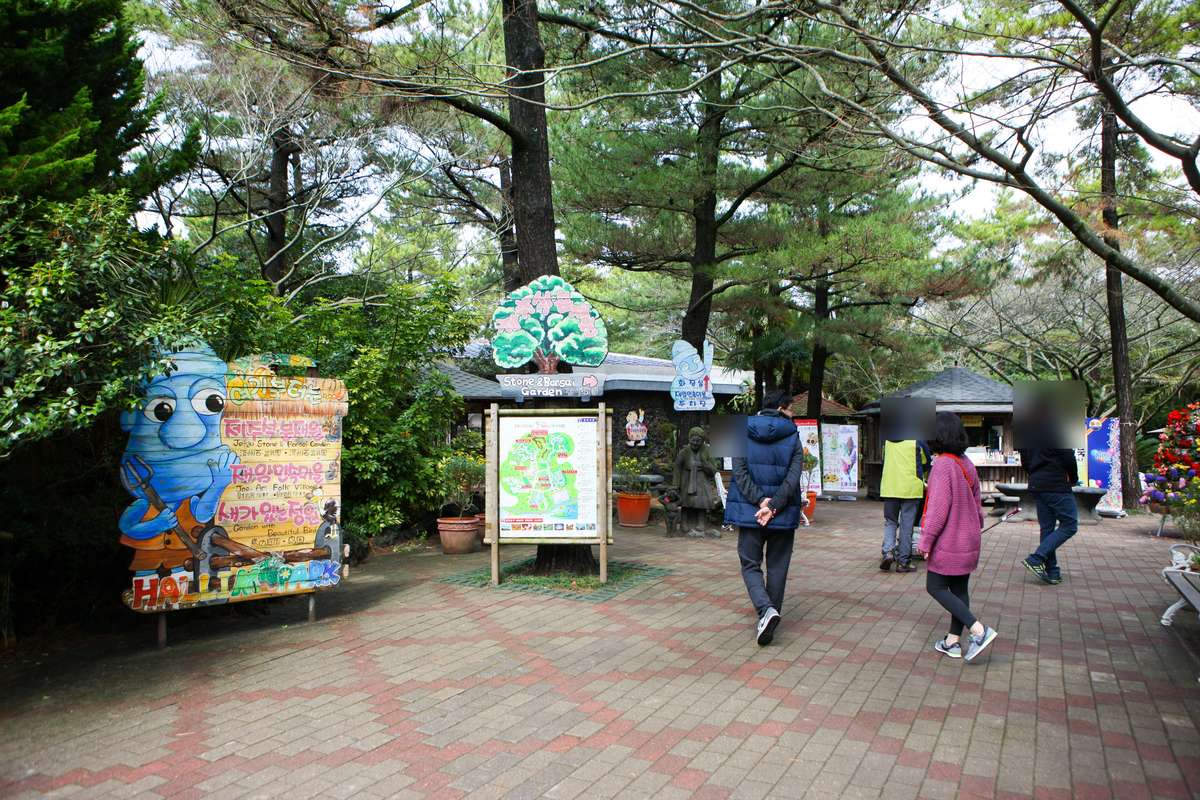
A private theme park in Hallim-eup, western Jeju, started in 1971 and covering about 100,000 pyeong, split into nine zones; it’s best known for its palm avenue, two lava caves and spring flowers. Hyeopjae Beach is one bus stop away, which makes the pair an easy half day.
| Korean name | 한림공원 |
|---|---|
| Address | 300 Hallim-ro, Hallim-eup, Jeju-si (제주시 한림읍 한림로 300) |
| Adult ticket | ₩15,000, sold at the door |
| Ticket sales | From 09:00; close between 16:30 and 17:30 depending on season |
| Closed | Never; open every day of the year |
| Time needed | About 1 hour 30 minutes officially; 2 hours is more relaxed |
| Zones | Subtropical botanical garden, palm tree road, wild flower garden, Hyeopjae and Ssangyong caves, Jeju stone and bonsai garden, Jaeam folk village, bird garden, Jaeam suseok (stone) hall, pond garden |
| Bus stop | 한림공원 on route 202 |
| Parking | Free |
| Phone | +82-64-796-0001 |
What’s in bloom at Hallim Park each month?
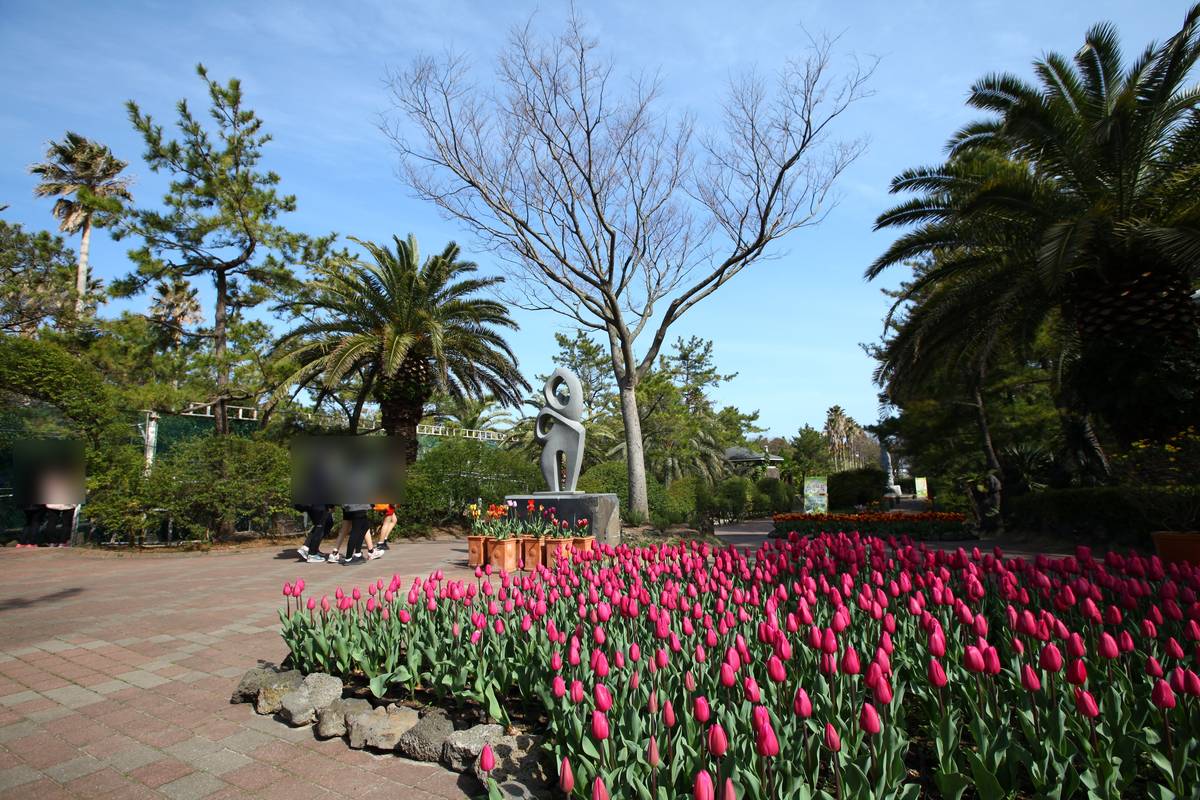
Going by the park’s 2026 bloom reports: daffodils in January, plums from mid-February, canola from early March, tulips from late March, cherry blossoms in early April. Late March to early April, when the last three overlap, is the best time of year. These are the dates of each spring post on the park’s official blog in 2026; the 2027 posts should come out around the same time.
| 2026 post | Bloom | Where |
|---|---|---|
| January 8 | Winter daffodils opening in sequence | Daffodil garden |
| February 19 | Plum blossoms starting, bonsai plums first | Plum garden, bonsai garden |
| March 5 | Canola starting | Around the cherry blossom hill |
| March 26 | Tulips properly starting, with hyacinths, grape hyacinths and daffodils | Flower garden |
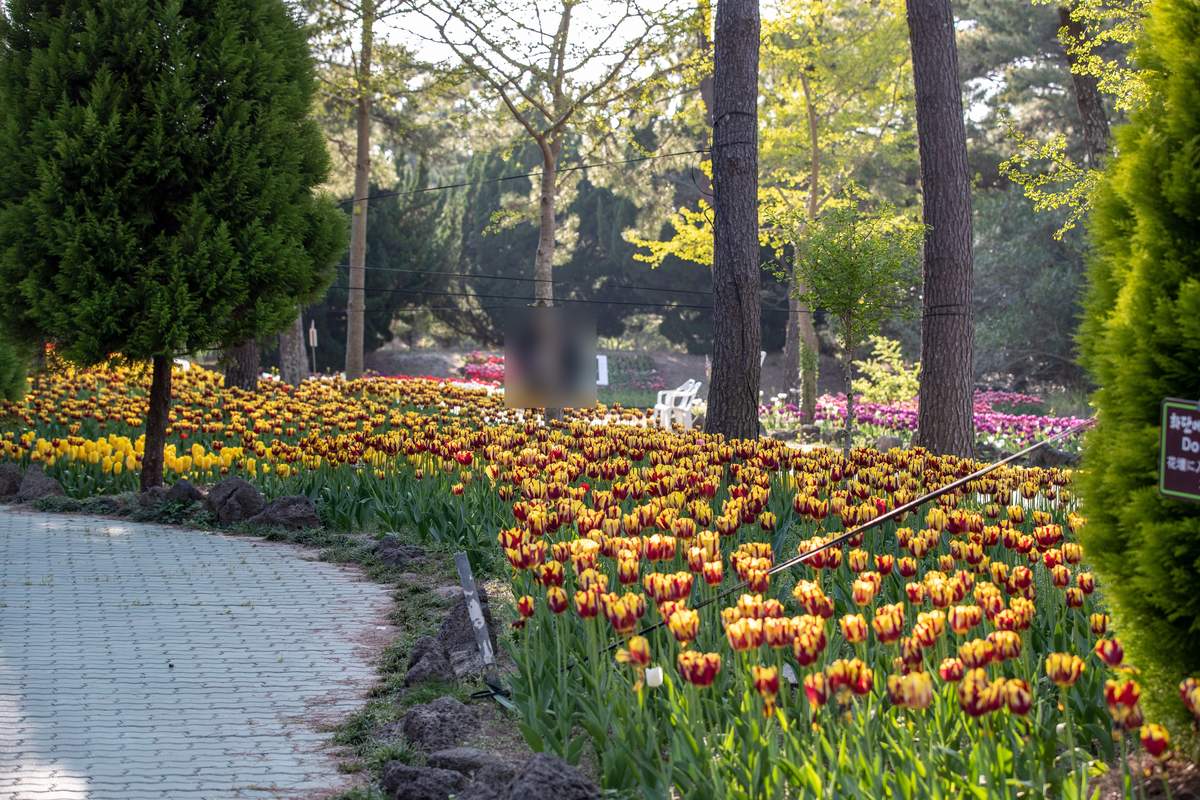
| April 2 | Cherry blossoms starting, full bloom expected that weekend; canola under the cherries; tulips near peak | Cherry hill, canola hill, tulip garden |
The park’s site also has a month-by-month chart, 365 꽃세상, useful for the rest of the year. Treat it as approximate: it puts cherry blossoms in March and tulips in April, while in 2026 the tulips came first.
| Month | On the park’s chart |
|---|---|
| January | Daffodils |
| February | Plum blossoms |
| March | King cherry blossoms |
| April | Tulips |
| May | Wild flowers, bougainvillea |
| June | Hydrangeas |
| July–August | Lotus |
| September | Red spider lilies |
| October | Cosmos, pink muhly |
| November | Chrysanthemums |
| December | Camellias |
One advantage for cherry blossoms and canola: here they share the same hill, so you don’t need to hunt for a road where both line up. For island-wide cherry forecasts, see Jeju cherry blossoms 2027, which also covers where canola and cherries bloom together. For June hydrangeas, see Korea hydrangea season 2027.
Blooms follow the weather each year. A week before you go, read the latest bloom post on the park’s Naver blog; it beats the monthly chart.
When are the 2027 Hallim Park flower festivals?
Not announced, and you don’t need to wait for them. The festivals are held in the park’s own flower areas; whether a bloom carries a festival name or not, you see the same flowers with a normal ticket.
| Festival | 2027 | Past dates |
|---|---|---|
| Daffodil (수선화축제) | Not announced | 2025: January 13–31 |
| Plum (매화축제) | Not announced | 2023: February 11–March 12; 2021: February 6–March 1 |
| King cherry (왕벚꽃축제) | Not announced | 2021: March 19–April 4 |
| Tulip (튤립축제) | Not announced | 2024: March 29–April 14; 2022: from April 5 |
| Chrysanthemum | — | 2026 was the 33rd edition (blog post November 12, 2026) |
The past dates show the pattern: each festival is a wide window around the bloom, three to four weeks for plums, two weeks or more for tulips. What you actually see depends on the bloom, not the festival.
How much are Hallim Park tickets, and should I book ahead?
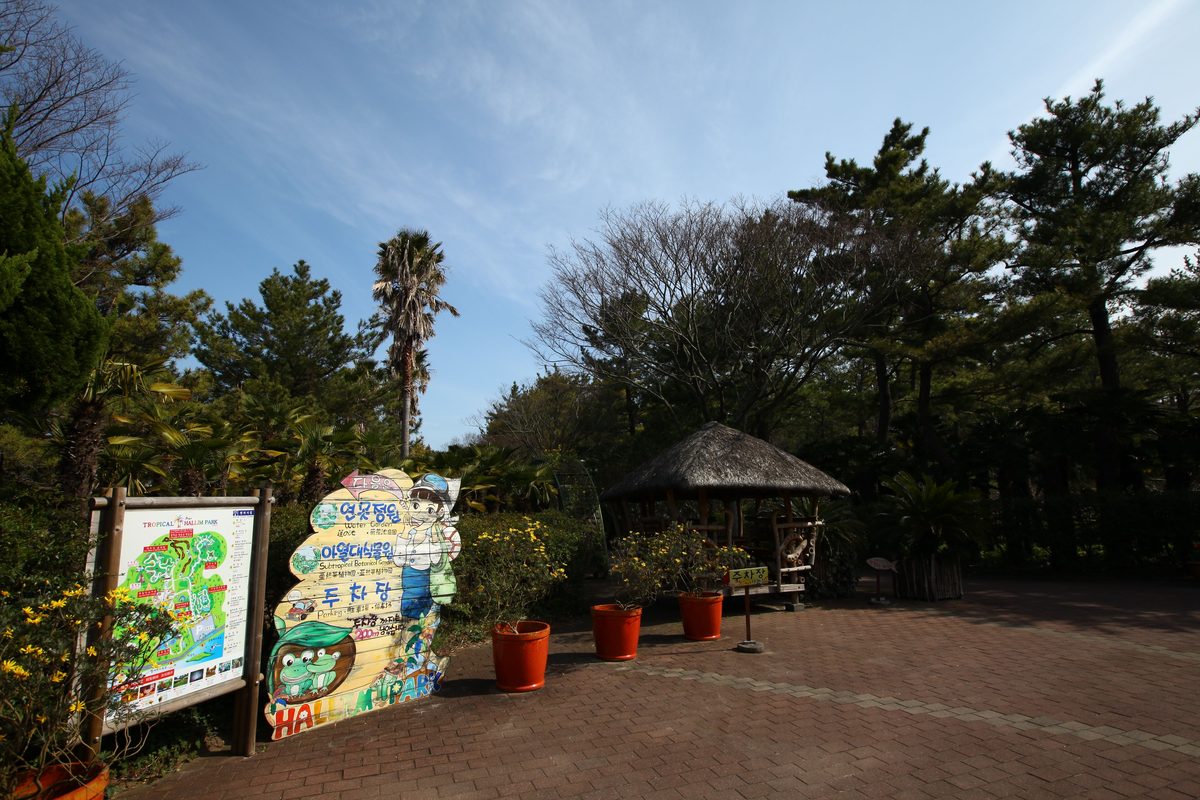
No need to book. Tickets are sold at the door, and the official site has no booking or quota rules. One ticket covers all nine zones, both caves included; the only extras are the optional park bus and rentals.
| Individual | |
|---|---|
| Adult (19+) | ₩15,000 |
| Senior (65+) | ₩12,000 |
| Youth (13–18) | ₩10,000 |
| Child (3–12) | ₩9,000 |
Groups of 20 or more entering together pay a group rate. The senior rate goes by age; the park doesn’t say whether it depends on nationality, so bring your passport. Local discounts (for residents and others) apply only with qualifying Korean ID.
| Tropical Eco Tour bus | ₩5,000 per person, tickets at the 곰솔 rest area inside the park; optional |
|---|---|
| Stroller, locker | ₩1,000 per day each |
| Wheelchair | Free |
If you’d rather pay in advance, the Hallim Park ticket on Klook (one price for all ages, free cancellation) is valid on the date you pick and can be cancelled free before that date. The catch is that it’s one price for everyone, while at the door children pay ₩9,000 and seniors ₩12,000. My call: families and anyone with older relatives should buy at the door; adults who simply want it paid before the trip can consider the platform.
When do ticket sales close, and how long should I allow?
Ticket sales open at 09:00 all year and close between 16:30 and 17:30 depending on the season; the park says a visit takes about 90 minutes.
| Period | Sales open | Sales close |
|---|---|---|
| February–May | 09:00 | 17:00 |
| June–August | 09:00 | 17:30 |
| September–October | 09:00 | 17:00 |
| November–January | 09:00 | 16:30 |
The park notes that both ticket sales and park closing shift by up to 30 minutes with sunset, and it doesn’t publish a fixed closing time. The table is the last time you can buy a ticket, not the latest you should arrive. In winter, to get the full 90 minutes, be in by 15:00; in spring flower season, by 15:30.
Ninety minutes is one loop of the main route. If you want to go into both caves and stop for photos at the cherry hill and the tulips, allow two hours, and a bit more with kids, older relatives or a stroller.
Can you go inside Hyeopjae Cave and Ssangyong Cave?
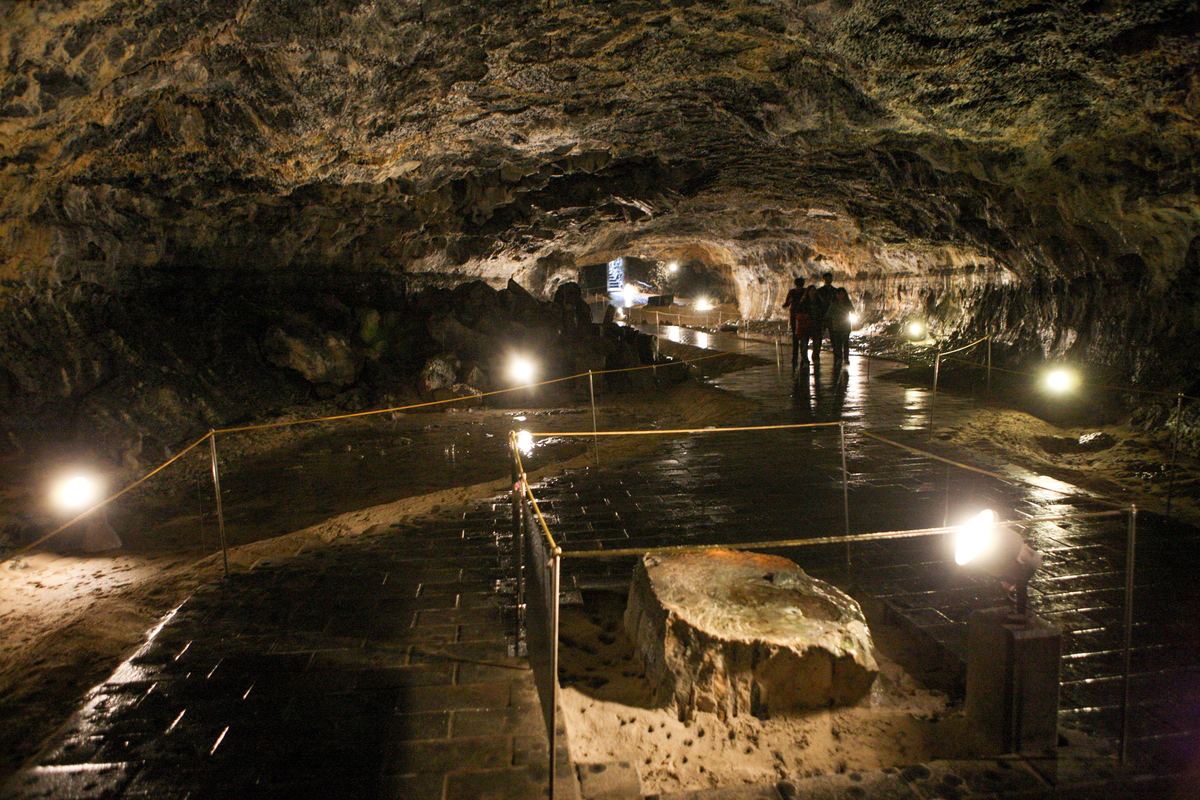
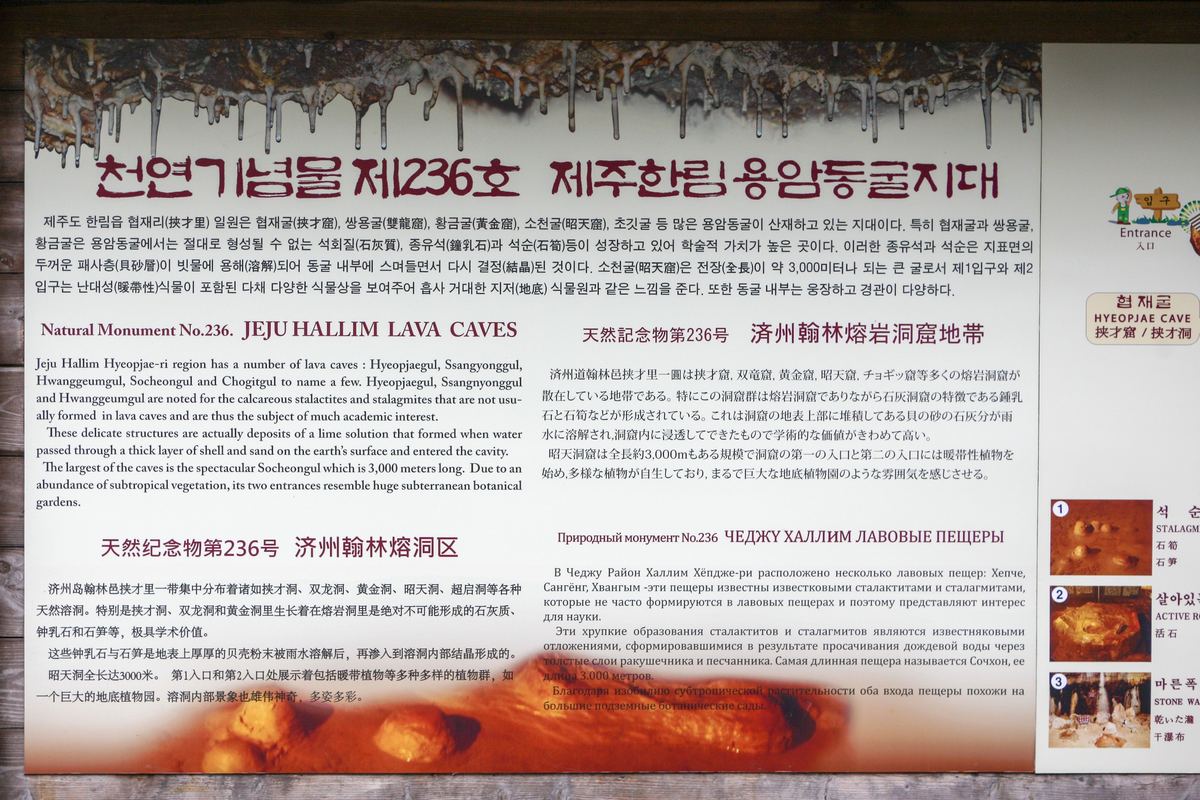
Yes. Both are open and included in the ticket; Hwanggeum (Golden) Cave is the one not open to the public.
| Hyeopjae Cave (협재굴) | Open, included |
|---|---|
| Ssangyong Cave (쌍룡굴) | Open, included |
| Hwanggeum Cave (황금굴) | Not open |
| Inside | Cool and covered; good in summer heat and in rain |
The caves sit along the walking route, so they don’t need separate time. If Manjanggul in the east is also on your list, see Manjanggul and Geomunoreum; the two are on opposite sides of the island, so they won’t share a day.
Is Hallim Park worth visiting in the rain?
Partly: most of it is outdoors, including all the flower areas. The covered parts are the two caves, the glass greenhouses of the subtropical botanical garden (tropical fruit, foliage and cactus) and the stone hall.
| Covered | Hyeopjae Cave, Ssangyong Cave, glass greenhouses, stone hall |
|---|---|
| Outdoors | Cherry hill, canola hill, tulip garden, plum garden, palm tree road, folk village, bird garden |
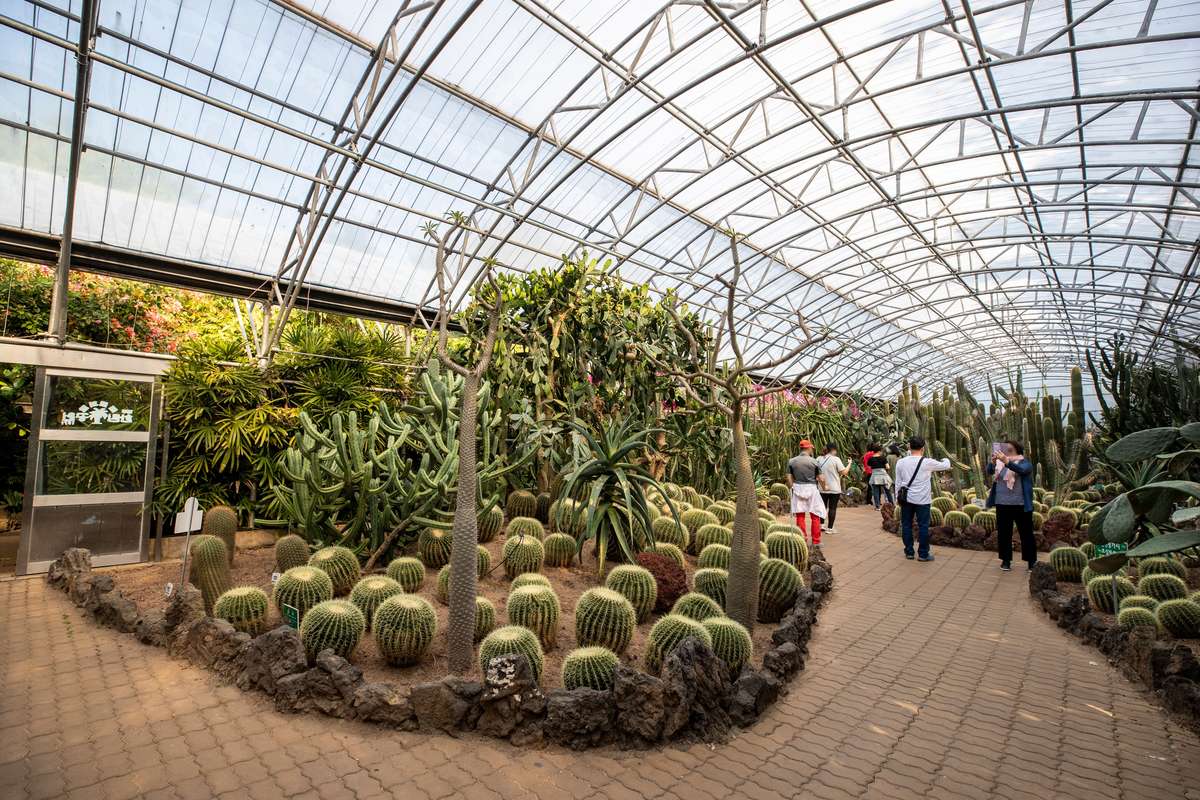
If flowers are the point, put the park on the day with the best forecast and swap in something indoors when it rains. If you’re just passing and it’s raining, the caves and greenhouses are fine, but you’d be paying the full ticket mostly for those.
How do I get to Hallim Park by bus?
From Jeju City or Seogwipo, take the 202 direct to the 한림공원 stop; from Jeju Airport, take express 102 to 한림환승정류장 and change to the 202. The 202 is the trunk route along the west coast, and the Hallim Park stop is right next to the Hyeopjae Beach stop.
| From | How | Time |
|---|---|---|
| Jeju Airport | Express 102 to 한림환승정류장, then 202 to 한림공원 | About 90 minutes (park’s figure); the 102 takes 51–53 minutes to Hallim |
| Jeju Bus Terminal | 202 direct | 61–72 minutes to Hallim; Hallim Park is a few stops further |
| Seogwipo Bus Terminal | 202 direct, around the west coast | About 1 hour 47 minutes to Hallim; Hallim Park comes before Hallim |
| 202 (trunk) | From Jeju: first 05:35, last 21:30, every 15–25 minutes |
|---|---|
| 102 (express) | Every 25–55 minutes; does not stop at Hallim Park and does not serve Seogwipo |
From Seogwipo, watch out: the park’s own directions page says to take the 102 from Seogwipo to Sinchang and change to the 202, but the 102 doesn’t run from Seogwipo. Take the 202 straight from Seogwipo Bus Terminal; it’s a long ride but no change.
The timetables only list the main Hallim and Sinchang stops, not each arrival at Hallim Park, so a map app’s live bus tracking is the better guide. Fares and transfers are in how to pay for buses in Jeju, and finding the 102 at the airport is in Jeju Airport bus stops.
How do I combine Hallim Park with Hyeopjae Beach?
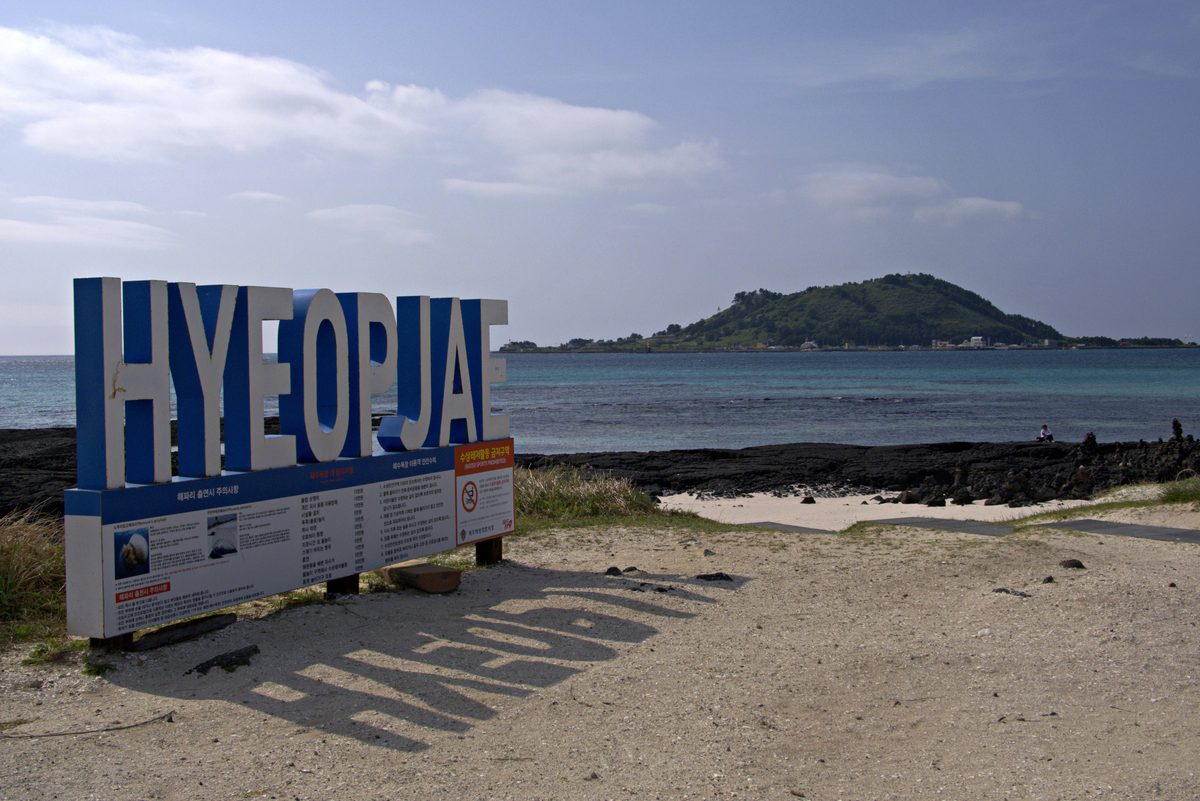
Park first, then walk to the beach for sunset. The two bus stops are neighbors and you can walk between them. Hyeopjae is white sand, shallow and gently sloping, facing Biyangdo island, and runs into Geumneung Beach to the west.
| Distance | Next bus stop; walkable |
|---|---|
| Beach | White sand, shallow, gentle slope; faces Biyangdo; joins Geumneung Beach |
| Swimming season 2026 | June 24–September 6, 10:00–19:00; to 21:00 from July 15 to August 15 |
| Swimming season 2027 | Not announced |
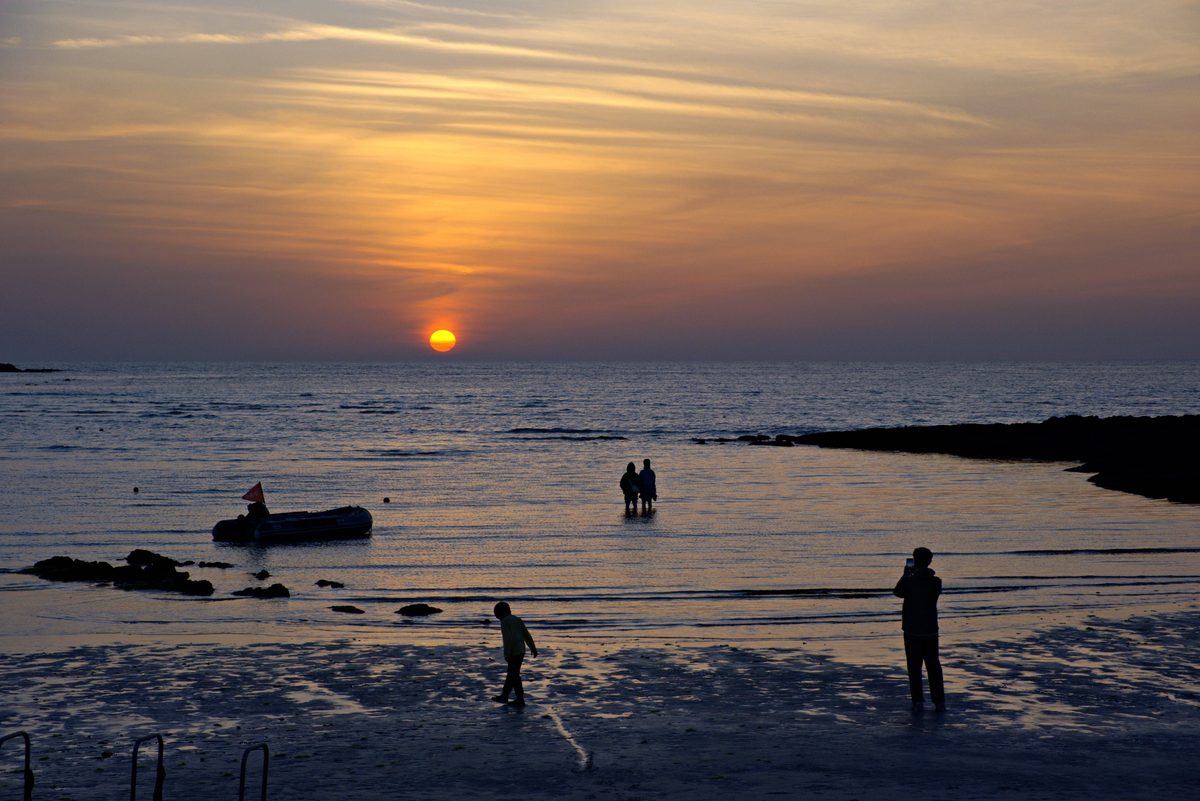
From February to May ticket sales close at 17:00. Go in at 14:00–15:00, and after two hours you come out just in time to walk to the beach and watch the sun go down behind Biyangdo. In summer, reverse it: the park first thing in the morning before the midday heat, then the water in the afternoon.
Your situation
If you’re in Jeju between late March and early April
This is the time to go; put it on your west-side day. A week before, check the latest blog post to see whether the cherries are out. If they aren’t yet, the tulips and canola probably are, so it’s still worth it. Go in during the afternoon, walk to Hyeopjae for sunset, and take the 202 back to Jeju City.
If you’re in Jeju in January or February
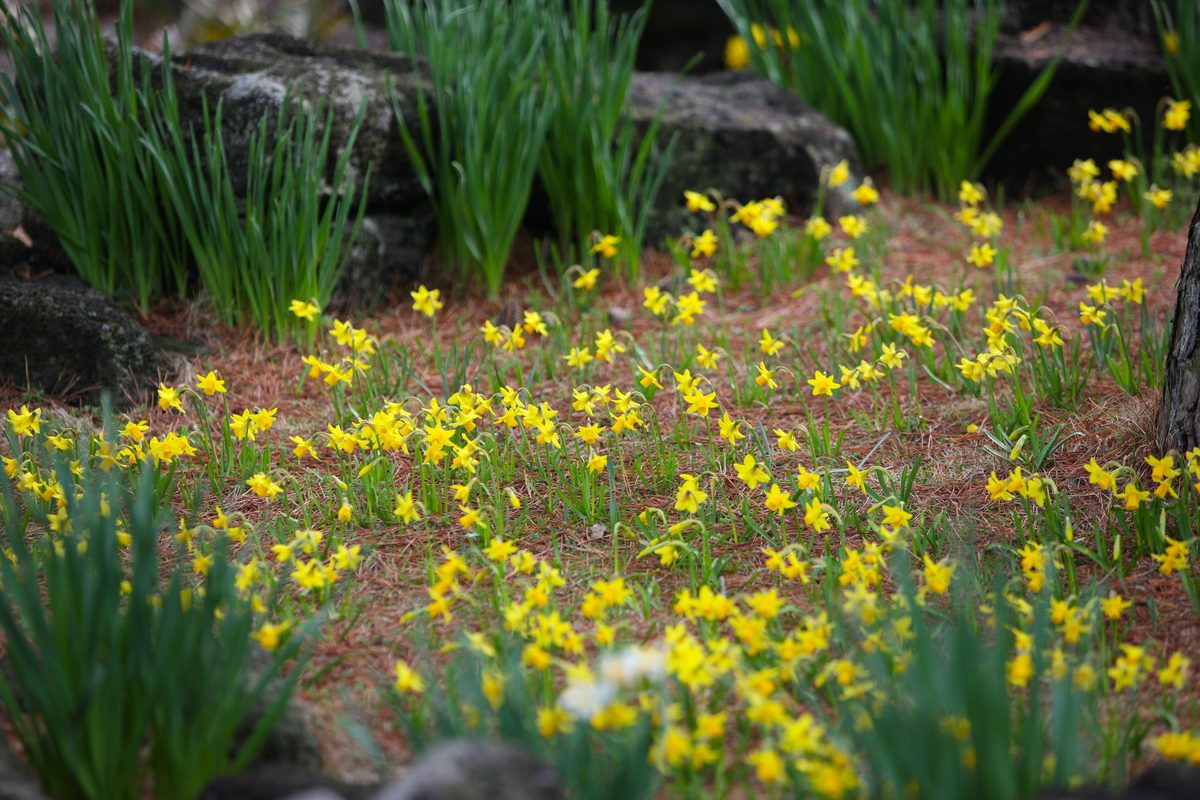
January has daffodils; plums come after mid-February. In early February, don’t make the trip for plums; in late February, the plum and bonsai gardens are worth a loop. Winter ticket sales close at 16:30, so be in by 15:00, and since sunset is early too, the park-then-sunset plan needs to start earlier. For winter flowers I’d build the day around Jeju’s camellia spots and treat Hallim Park as a stop on the way west.
If you’re staying in Seogwipo without a car
Take the 202 from Seogwipo Bus Terminal. There’s no change, but it’s close to two hours each way, so the round trip takes more than half a day. Make it a full day with Hyeopjae Beach rather than a trip for the park alone: leave in the morning, arrive around midday, park then beach, and catch the 202 back toward Seogwipo from the stop across the road, checking the direction on the sign before boarding. Don’t go looking for the 102 in Seogwipo.
Common mistakes
- Making the trip for plums in early February. In 2026 they started around February 19; early February is mostly daffodils.
- Planning March cherry blossoms off the monthly chart. The chart says March; in 2026 they opened in early April.
- Judging the bloom by a blog title. A post titled “full bloom” can say “starting” in the text; read the text.
- Looking for the 102 in Seogwipo. It doesn’t go there; take the 202.
- Riding the 102 past your change. It doesn’t stop at Hallim Park; get off at 한림환승정류장 for the 202.
- Arriving at 16:00 in winter. From November to January sales close at 16:30; be in by 15:00.
- Buying platform tickets for kids or seniors. Platforms charge one price for all ages; children and seniors pay less at the door.
- Expecting all three caves. Hyeopjae and Ssangyong are open; Hwanggeum isn’t.
- Waiting for festival dates before booking flights. The 2027 dates aren’t out, and the festivals don’t change what’s in bloom.
What I would do
Late March to early April, no car, staying in Jeju City: the 202 out after lunch, the park in the afternoon, sunset at Hyeopjae, and the 202 back in the evening.
| When | Plan |
|---|---|
| A week before | Read the latest cherry and tulip posts on the park’s Naver blog |
| Morning | Jeju City plans |
| About 13:00 | 202 from Jeju Bus Terminal toward Seogwipo; off at 한림공원, just over an hour |
| About 14:30 | Buy tickets at the door: cherry hill, canola hill, tulip garden, with Hyeopjae and Ssangyong caves on the way; about 2 hours |
| About 16:30 | Out of the park and walk to Hyeopjae Beach |
| Evening | Sunset over Biyangdo, dinner nearby |
| Back | 202 toward Jeju City from the stop across the road |
Coming straight from the airport that day, swap the 13:00 row for the 102 to Hallim and the 202 from there, about 90 minutes. If it rains, swap the day with another rather than forcing it.
FAQ
- Q1: How much is Hallim Park, and should I book online?
- Adults ₩15,000, seniors ₩12,000, youth ₩10,000, children ₩9,000; just buy at the door. The official site has no booking or quota rules. Booking platforms charge one price for all ages, so children and seniors pay less at the door.
- Q2: What is the best month to visit Hallim Park?
- Late March to early April. In 2026, cherry blossoms, canola and tulips were all out together then. Plum blossoms only start in mid-February, and January is daffodils.
- Q3: How long do you need at Hallim Park, and when do ticket sales close?
- The park says about 1 hour 30 minutes; allow 2 hours with both caves and photos. Ticket sales open at 09:00 and close at 17:00 (February–May, September–October), 17:30 (June–August) or 16:30 (November–January), shifting by up to 30 minutes with sunset.
- Q4: Can you go inside Hyeopjae Cave and Ssangyong Cave?
- Yes, both are open and included in the ticket. Hwanggeum (Golden) Cave is the one not open to the public.
- Q5: How do I get from Jeju Airport to Hallim Park by bus?
- Express 102 to 한림환승정류장 (Hallim transfer stop), then the 202 to the 한림공원 stop. The park puts the whole trip at about 90 minutes. From Jeju Bus Terminal or Seogwipo Bus Terminal, the 202 goes direct.
- Q6: When are the 2027 Hallim Park flower festivals?
- Not announced yet. Past plum festivals ran from early February into March and tulip festivals from late March into mid-April, all inside the park. Plan around bloom reports rather than festival dates.
- Q7: Is Hallim Park worth it on a rainy day?
- Partly. The two caves, the glass greenhouses and the stone hall are covered, but the flower areas are outdoors. If flowers are the reason, pick a dry day.
If it were me
In Jeju from late March to early April, I’d put Hallim Park in the afternoon and walk to Hyeopjae for sunset afterwards; it’s the easiest half day in the west. In January or February I wouldn’t make a special trip; I’d focus on camellias and only stop here if I were staying in the west or already going to Hyeopjae. For families with kids and older relatives, there’s no climbing, and the greenhouses and caves give shade and shelter; I’d buy their tickets at the door. Staying in Seogwipo without a car, expect nearly two hours each way and make it a full west-coast day.
Official sources
- Hallim Park: visitor information (ticket sales hours and prices, Korean)
- Hallim Park: 365 꽃세상 (flowers by month, Korean)
- Hallim Park’s official Naver blog (latest bloom reports, Korean)
- Jeju bus: 202 timetable, 102 timetable
- Visit Jeju: Hallim Park (English)
- Visit Jeju: Hyeopjae Beach (English)
Prices and times follow the latest official announcement.
Read next
Verified
 Not announced
Jeju Cherry Blossom 2027: Forecast, Peak Dates, Festival
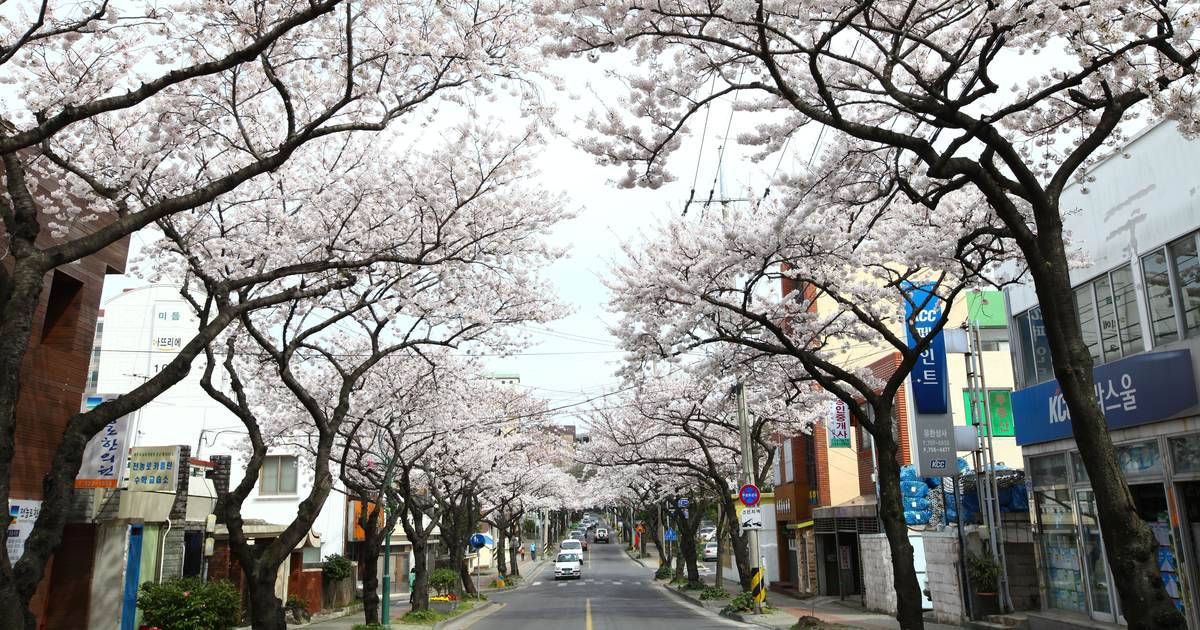
No 2027 Jeju cherry blossom forecast yet. In 2017–2026, Jeju’s official tree bloomed March 17–28 and reached full bloom March 22 – April 4. Jeonnong-ro King Cherry Blossom Festival 2027 dates are not announced (March 27–29 in 2026).
Verified
 Not announced
Camellia Hill Jeju 2026–27: When to Go, Tickets, Last Entry
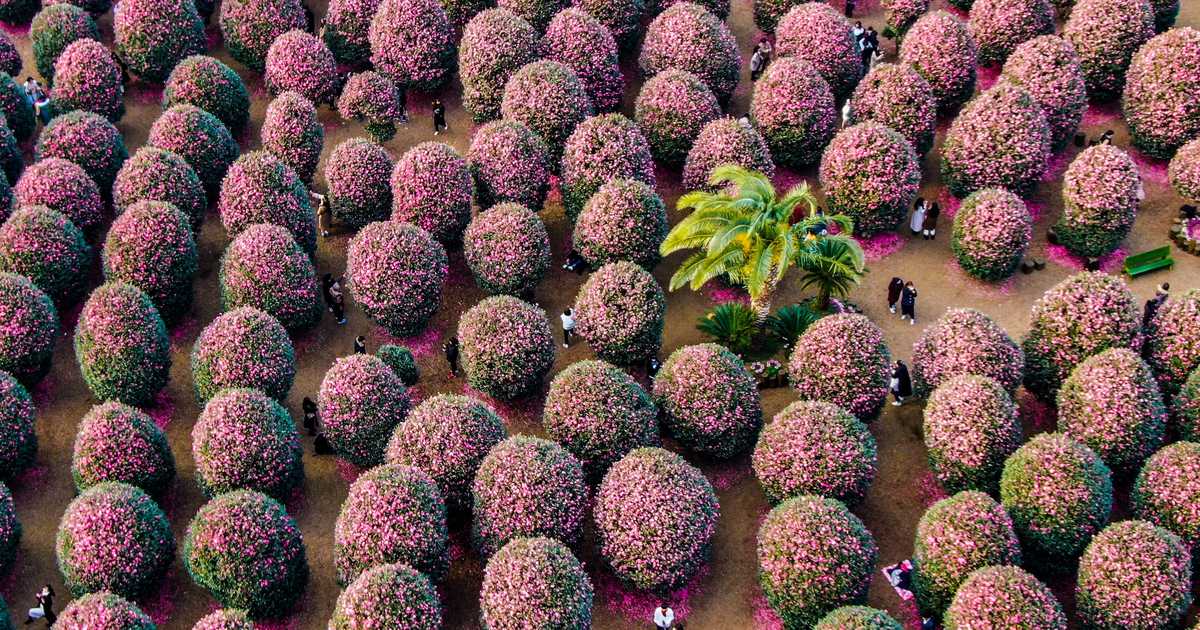
The 2026–27 camellia festival dates at Camellia Hill and Hueree have not been announced; last season Camellia Hill’s festival started December 12, 2025. The flowers follow the weather, not the festivals: Hueree from mid-November into December with flowers into January, Jeju Camellia Arboretum at its best in January and February, Camellia Hill flowering from autumn to spring. In winter Hueree stops entry at 16:30 and the other two at 17:00; tickets are sold on site.
Verified
 Current
Jeju Bus Payment 2027: Visa Tap, T-money, No Cash
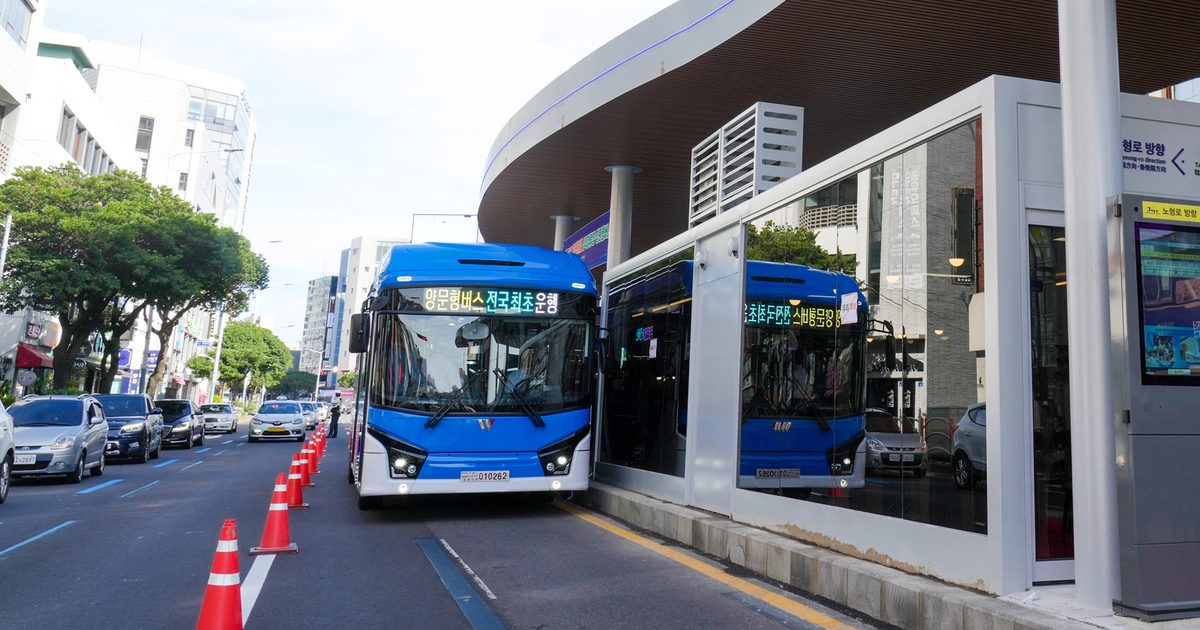
Jeju route buses have taken no cash since October 1, 2024. Since August 1, 2025, a second terminal for foreign visitors (ON나라페이) takes contactless Visa and QR payments; Jeju names no other card network. Otherwise use T-money or another nationwide transit card, including one bought in Seoul. The Seoul Climate Card doesn’t work.