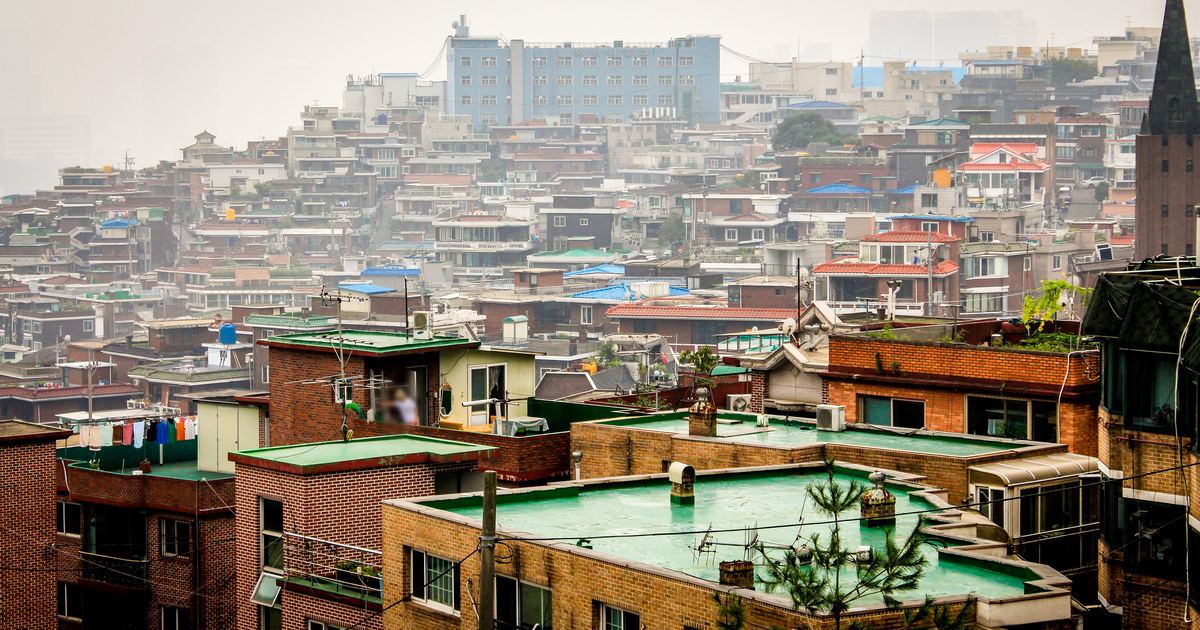
Since October 16, 2025, Korean Airbnb listings that never submitted a lodging license can’t take bookings for stays from January 1, 2026. So anything you can book today has at least uploaded a license. That still doesn’t make every listing legal: the license has to be the right type for the building, and an officetel apartment can’t be registered as a guesthouse at all. Korea has no “Airbnb license.” A home is legal when it’s registered with its district office as a lodging business, and the listing page shows you that registration in three fields. This guide covers where to find them, what should make you walk away, whether you can get in trouble as a guest (the law penalizes the operator, not you), and what happens to your money if the booking gets cancelled.
- Legal means registered: the home must be registered with the district office as a lodging business. Being on Airbnb isn’t a license.
- Check Registration Details: click Show more under the description; the bottom of the window lists Region of Issuance, License Type and License Number.
- No Registration Details, don’t book. A license type that doesn’t match the building is also a red flag.
- Skip officetels: they can’t be registered as urban guesthouses, and Airbnb bans them as Korean listings.
- Guests aren’t the target: the penalties apply to the operator. Your risk is a cancellation.
- Host cancels, you get a full refund. Never cancel on the host’s behalf.
Contents
- Who this is for
- Key facts
- Is Airbnb legal in Korea?
- What changed in October 2025?
- Where is the registration on the listing page?
- Why are officetel Airbnbs a problem?
- Is there an official list of legal guesthouses?
- Can a guest get in trouble?
- What if my booking is cancelled?
- Traveling with a Korean national
- Your situation
- Common mistakes
- FAQ
- If it were me
- Official sources
Who this is for
Travelers booking a private home in Korea on Airbnb, especially in Seoul.
- You’ve heard Airbnb is “illegal in Korea” and want to know what that actually means.
- You found a cheap studio in Gangnam or Hongdae and aren’t sure it’s above board.
- You want a quick check you can do on the listing page before paying.
- Your host cancelled, or asked you to cancel, and you need to know your refund rights.
You can skip it if:
- You’re booking a hotel. This guide is about private homes on Airbnb; for hotels, the 2026 change worth knowing is in which Korean hotels still hand out toothbrushes.
- You want to host in Korea. Host registration has more steps than a guest needs to know.
Key facts
| What makes it legal | The home is registered with the district or city office as a lodging business |
|---|---|
| Most common type for tourists | Urban guesthouse for foreign tourists (외국인관광 도시민박업) |
| Airbnb rule since Oct 16, 2025 | Listings without a submitted license can’t take bookings for stays from Jan 1, 2026 |
| Where to check | Show more → About this space → Registration Details |
| Officetels | Can’t be registered as urban guesthouses; not allowed as Airbnb listings in Korea |
| Penalty for unregistered operation | Up to 2 years in prison or a fine up to 20 million won, for the operator |
| Penalty for guests | None in either law |
| Official list (Seoul) | Seoul Stay, run by the Seoul Tourism Organization |
Is Airbnb legal in Korea?
It depends on the home, not the app. A listing is legal when the property is registered with its district office as a type of lodging business. There’s no such thing as an “Airbnb license” in Korea. The host registers the home under one of the existing lodging categories, and the category decides what kind of building it can be and who it can host.
For tourists, the type you’ll meet most often is the urban guesthouse for foreign tourists (외국인관광 도시민박업), a room or home in a regular residential building. Airbnb’s English help center lists these as examples of lodging business types in Korea:
| What the License Type field shows | Airbnb’s English name |
|---|---|
| 외국인관광도시민박업 | Urban guesthouse for foreign tourists |
| 한옥체험업 | Hanok experience |
| 농어촌민박 | Rural guesthouse |
| 일반숙박업 | General lodging |
| 생활숙박업 | Residential lodging |
Airbnb also lists hostels and tourist hotels, plus a government-approved regulatory sandbox for home sharing. Running a lodging business without filing the required report is a criminal offense under the Public Health Control Act, Article 20(1): up to two years in prison or a fine of up to 20 million won. That penalty is aimed at the operator.
What changed on Airbnb Korea in October 2025?
Airbnb now requires every Korean listing to upload a lodging license, and listings that didn’t lost their bookings from 2026. Airbnb says Korean law doesn’t require platforms to do this; it’s a voluntary measure.
| New listings | Since October 2, 2024, hosts must submit the lodging business report and certificate before listing |
|---|---|
| Existing listings | From October 16, 2025, 08:00 KST, those that hadn’t submitted can’t accept bookings for stays from January 1, 2026 |
| Late submission | Bookings reopen from the moment the license is submitted |
| Tax registration | Airbnb says a business registration certificate from the tax office (사업자등록증) is not a lodging license |
| Since then | Airbnb Korea’s newsroom has announced no further stage of the rule as of November 2026 |
The practical upshot: almost every Korean listing you see now has something in its Registration Details. What the rule can’t tell you is whether that license matches the building. A host who uploaded a valid-looking urban guesthouse license for a unit in an officetel tower has passed Airbnb’s upload step and still isn’t legal. That’s the part you check yourself.
Where do I check the registration on a Korean Airbnb listing?
Under the listing description, click Show more; the window that opens, About this space, has a section called Registration Details at the very bottom. It’s easy to miss because the description is collapsed by default.
| Field (English interface) | Example value |
|---|---|
| Region of Issuance | 서울특별시, 마포구 (Seoul, Mapo-gu) |
| License Type | 외국인관광도시민박업 (urban guesthouse for foreign tourists) |
| License Number | 제2021-000049호 |
Even in the English interface, the values stay in Korean. Match the License Type against the table in the previous section; for Seoul, Region of Issuance will start with 서울특별시 followed by the district (gu) name. License numbers don’t follow one national format. You’ll see forms like 제2021-000049호, 2026-000539 and 제26221-2026-000178, so a different-looking number isn’t a sign of a fake.
What should make you stop:
- No Registration Details section at all. Don’t book.
- License Type is 외국인관광도시민박업, but the listing describes itself as an officetel or studio officetel, or the photos show a hotel-style lobby and front desk in a tower of studio units. The license type and the building don’t match.
- The district in Region of Issuance differs from where the map puts the home. Ask the host before booking.
If something looks wrong, the listing page has a Report this listing link at the bottom.
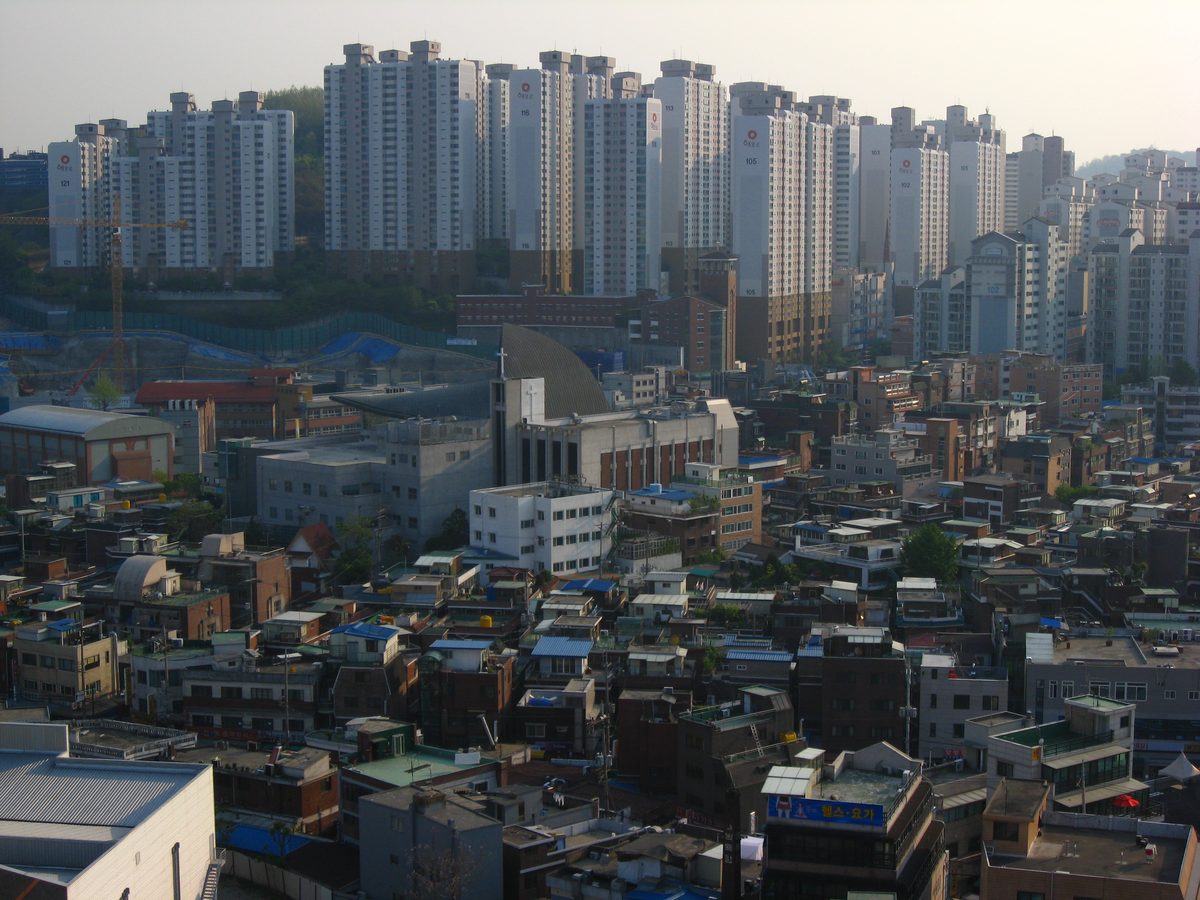
Why are officetel Airbnbs in Korea a problem?
An officetel can’t be registered as an urban guesthouse, and Airbnb bans officetels as Korean listings. That combination makes officetel studios the single listing type I’d rule out on sight.
| What can be an urban guesthouse | Detached houses, multi-household houses, apartments, row houses and multi-family houses under 230㎡ total floor area, with the owner living there |
|---|---|
| Officetels | Not among the building types that can be registered |
| Airbnb’s Korea rule | “‘Officetels’, or studio apartments, classified as business facilities according to the Building Act, are not permitted in any areas.” Goshiwon are also excluded. |
| If found | The listing is removed; bookings 30+ days out are cancelled (see cancellations) |
An officetel (오피스텔) is a building of small studio units classified as a business facility. In a listing, watch for the word “officetel” in the title or description, or photos of a hotel-style lobby and front desk in a tower of identical studios. A goshiwon (고시원) is a building of tiny rented rooms; if the word or the sign appears in a listing, skip it too.
Is there an official list of legal guesthouses in Korea?
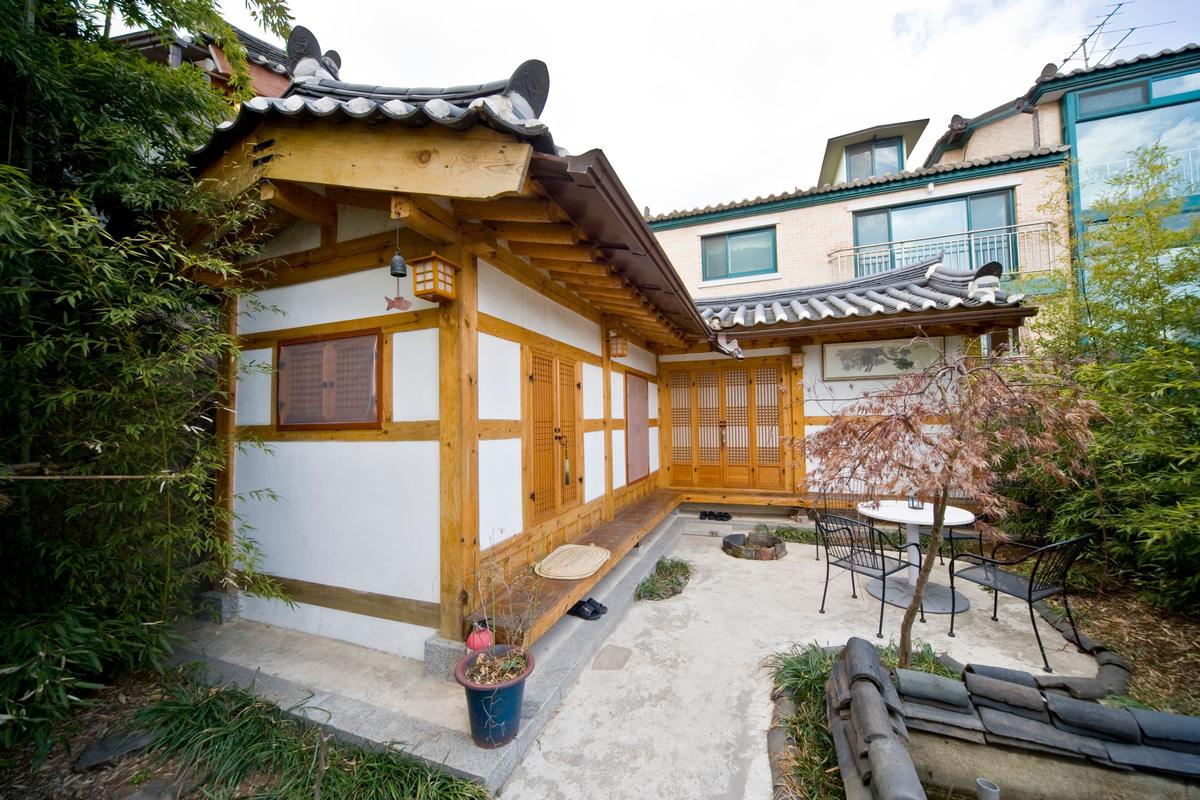
In Seoul, yes: Seoul Stay, run by the Seoul Tourism Organization, has an English version. It lists Urban Stay and Hanok Stay properties registered with their district that have also joined the city’s tourism promotion and support program.
| Run by | Seoul Tourism Organization |
|---|---|
| Site | stay.visitseoul.net (English available) |
| Who’s on it | Registered Urban Stay and Hanok Stay properties in the city’s program |
| Search by | Area (Gangnam, Itaewon, Dongdaemun, Gwanghwamun, Myeong-dong, Hongdae, Yeouido, Jamsil, Other), type (Tourist stay, Hanok stay) or keyword |
| Limits | Seoul only. A place that isn’t listed may still be registered. |
Use it as a starting point, not a test. If a Seoul guesthouse you like is on the list, you can book through the link it gives and skip the guesswork. If it isn’t, check its Registration Details as above.
Can a guest get in trouble for staying in an unregistered Airbnb in Korea?
No. The penalties in both laws target whoever runs the business; neither has a provision that punishes the guest. The Tourism Promotion Act (Articles 81–86) and the Public Health Control Act (Articles 20–22) set out fines and prison terms for operators and their staff.
Your actual risk is practical: the listing gets removed, your booking is cancelled, and you’re hunting for a room close to your trip. That’s the reason to check before you book, not fear of the police.
What happens if my Korean Airbnb booking is cancelled?
If the host cancels before check-in, you get a full refund. The details depend on who cancels and why.
| Situation | Airbnb’s rule |
|---|---|
| Host cancels before check-in | Full refund. Airbnb usually converts it to a travel credit for quick rebooking, but you can always ask for a refund to your original payment method; unused credit goes back to that method after 72 hours |
| Listing removed as an officetel or goshiwon | Bookings starting 30 or more days after removal are cancelled; earlier ones aren’t affected. Removed January 1: stays from January 30 are cancelled, stays through January 29 go ahead |
| Problem after check-in (can’t get in, very different from the listing) | Report within 72 hours of finding it. Airbnb may give a full or partial refund or help you find a similar place |
| Rebooking help | Airbnb “may, but are not obligated to” pay toward a new place |
| Host asks you to cancel | Don’t. Message the host and ask them to cancel, so you stay eligible for the full refund |
Because removal only cancels bookings 30 or more days out, a removal tends to hit you about a month before your trip, with your dates already fixed. The earlier you catch a bad listing, the more options you still have.
Traveling with a Korean national: does it matter?
It can. The urban guesthouse for foreign tourists is, by law, for foreign tourists. Airbnb’s Korean page on lodging types says the same: foreign guests only. A regulatory sandbox exception (type B) lets some registered urban guesthouses also take Korean guests.
If anyone in your group holds Korean nationality, message the host before booking an urban guesthouse and ask whether they can host Korean nationals. If that person is a Korean citizen living abroad, put that to the host in the same message, since whether they count as a foreign tourist is the host’s call to confirm before you pay. Don’t worry about a fine either way; as the next section shows, the penalties don’t target guests.
Your situation
If you’ve already booked
Open your listing now, click Show more and scroll to Registration Details. If the License Type is 외국인관광도시민박업 and the photos show a house, villa or apartment, the type and the building match. If it says officetel anywhere, or there are no Registration Details, message the host and ask about the registration. A removal cancels stays starting 30 or more days later, so with more than a month to go, I’d find a backup now rather than gamble.
If you want a hanok stay in Seoul
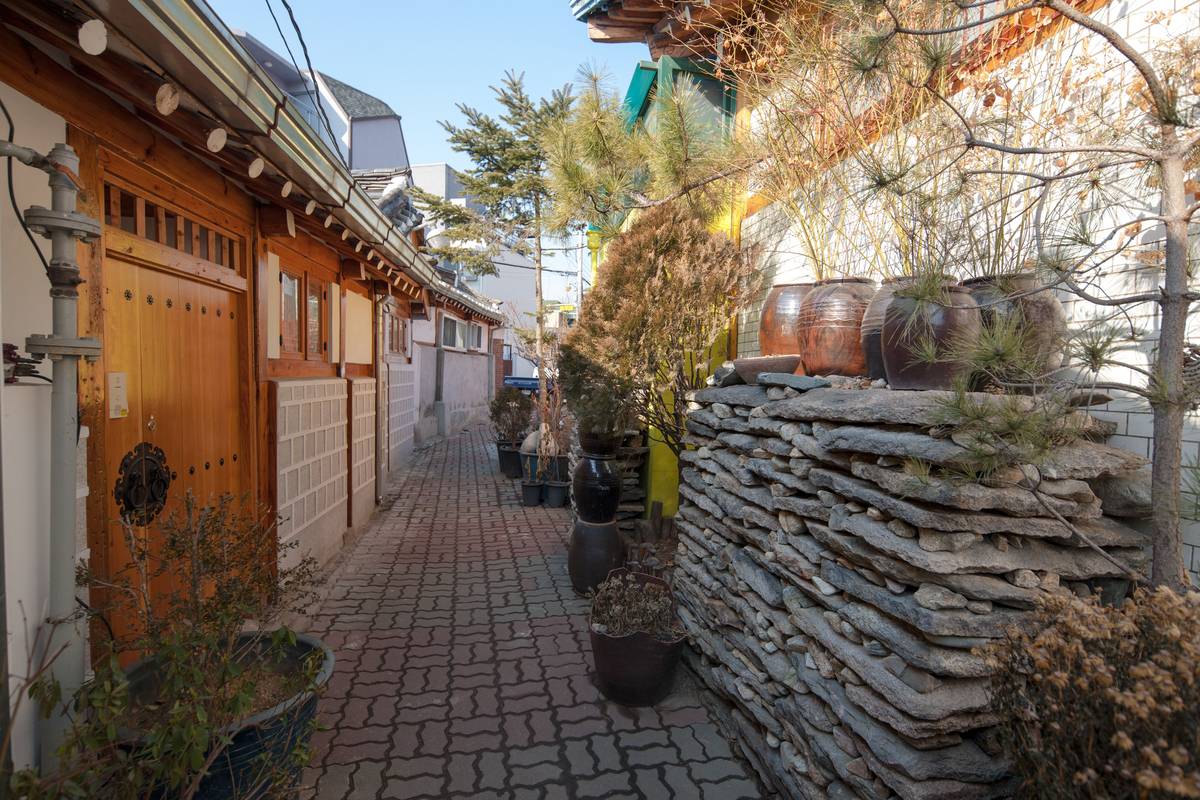
Start from Seoul Stay and filter by Hanok stay. On Airbnb, a hanok registered as a hanok experience shows 한옥체험업 as the License Type; one registered as an urban guesthouse shows 외국인관광도시민박업, which is also a legal type.
If you’re looking at a studio in a tower building
This is where officetels hide. Look at the photos for a front desk, a lobby with mailboxes, or a tower of identical units; read the title and description for “officetel”. If any of those show up, skip it, whatever the Registration Details say.
Common mistakes
- Treating Airbnb’s upload rule as proof. It shows a license was uploaded, not that the type matches the building.
- Missing the Registration Details because the description is collapsed. It’s at the bottom of the Show more window.
- Calling an unfamiliar license number a fake. Districts use different formats.
- Accepting a business registration certificate as a license. Airbnb says the tax office certificate isn’t one.
- Cancelling when the host asks you to. Ask the host to cancel instead.
- Waiting more than 72 hours to report a problem after check-in.
FAQ
- Q1: Is Airbnb legal in South Korea?
- Only when the home is registered with the local district office as a lodging business. Korea has no Airbnb license; being listed on Airbnb doesn’t make a place legal. The most common legal type for tourists is the urban guesthouse for foreign tourists.
- Q2: Where do I find the license number on a Korean Airbnb listing?
- At the bottom of the About this space window, under Registration Details. Click Show more under the listing description; you’ll see Region of Issuance, License Type and License Number, with the values in Korean.
- Q3: Are officetel Airbnbs in Korea illegal?
- Officetels can’t be registered as urban guesthouses, and Airbnb’s own Korea rules don’t allow them as listings. If a listing calls itself an officetel or studio officetel, skip it.
- Q4: Can a guest get fined for staying in an unregistered Airbnb in Korea?
- No provision in the two relevant laws punishes the guest. The penalties in the Tourism Promotion Act and the Public Health Control Act target whoever runs the business. Your real risk is a cancelled booking.
- Q5: Do I get a full refund if my Korean Airbnb host cancels?
- Yes, if the host cancels before check-in. If the host asks you to cancel, don’t; message them and ask them to cancel, so you stay eligible for the full refund.
- Q6: What happens to my booking if the listing is removed?
- It depends on how far away your stay is. When a listing is removed for being an officetel or goshiwon, bookings starting 30 or more days after removal are cancelled; earlier ones aren’t affected.
- Q7: Can I stay in an urban guesthouse with a Korean friend?
- Ask the host before booking. By law the urban guesthouse for foreign tourists takes foreign tourists; a regulatory sandbox exception lets some registered guesthouses also host Koreans.
If it were me
In Seoul, I’d open Seoul Stay first; if a place there fits, the registration question is answered and I’d book through its link. On Airbnb, I’d check Registration Details before saving a listing to my wishlist, not after paying. My hard no is any officetel or goshiwon, whatever the license says. If my host asked me to cancel, I wouldn’t, and I’d keep the conversation in Airbnb messages. Traveling with someone who holds a Korean passport, I’d message the host about it before booking.
Official sources
- Airbnb Help: Responsible hosting in Korea (license deadline, lodging types, officetel rule)
- Airbnb Help: listing removal and existing reservations
- Airbnb Help: Rebooking and Refund Policy
- Airbnb Help: if your host cancels
- Airbnb Korea newsroom: license submission for existing listings (Korean)
- Seoul Stay (Seoul Tourism Organization)
- Public Health Control Act, English translation (Korea Legislation Research Institute)
Prices and times follow the latest official announcement.
Read next
Verified
 Current
Can You Use Apple Pay in Korea? 2026 Shops, Subway and Bus
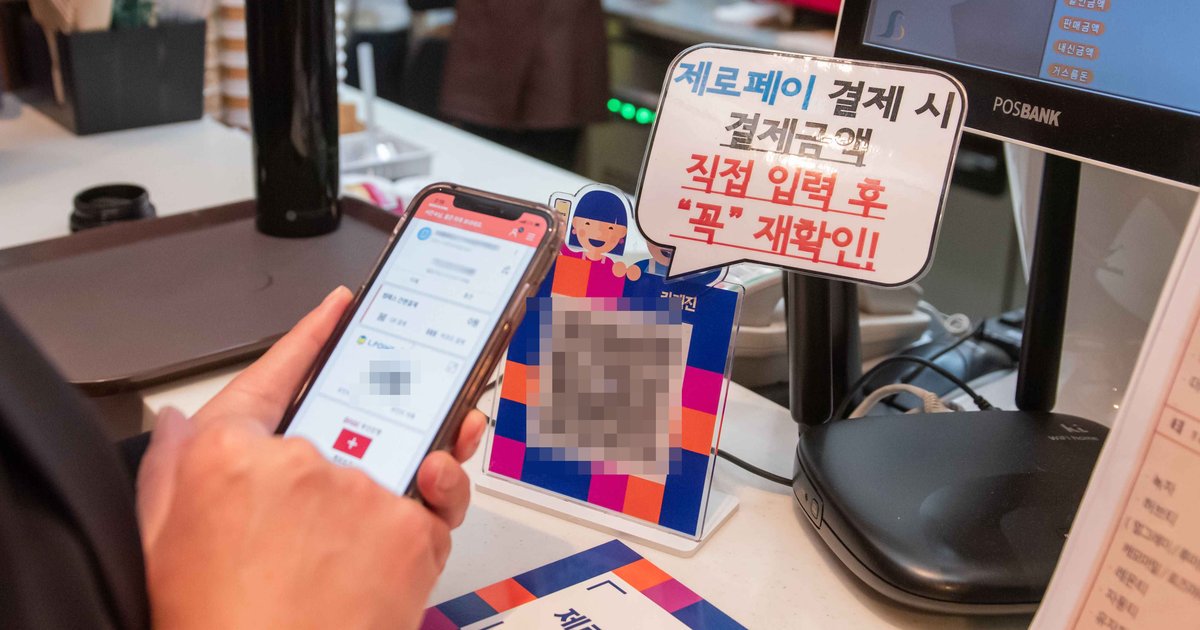
Yes, with a foreign card, where the shop’s terminal has NFC contactless switched on and accepts your card network; a symbol on the reader isn’t a guarantee. Subway gates and bus readers don’t take foreign cards directly in 2026. On iPhone, use MobileTmoney, topped up with Apple Pay using Mastercard, American Express, UnionPay or JCB; Visa isn’t accepted. Carry a physical card and some won.
Verified
 Current
Do Korean Hotels Provide Toothbrushes? The 2026 50-Room Rule
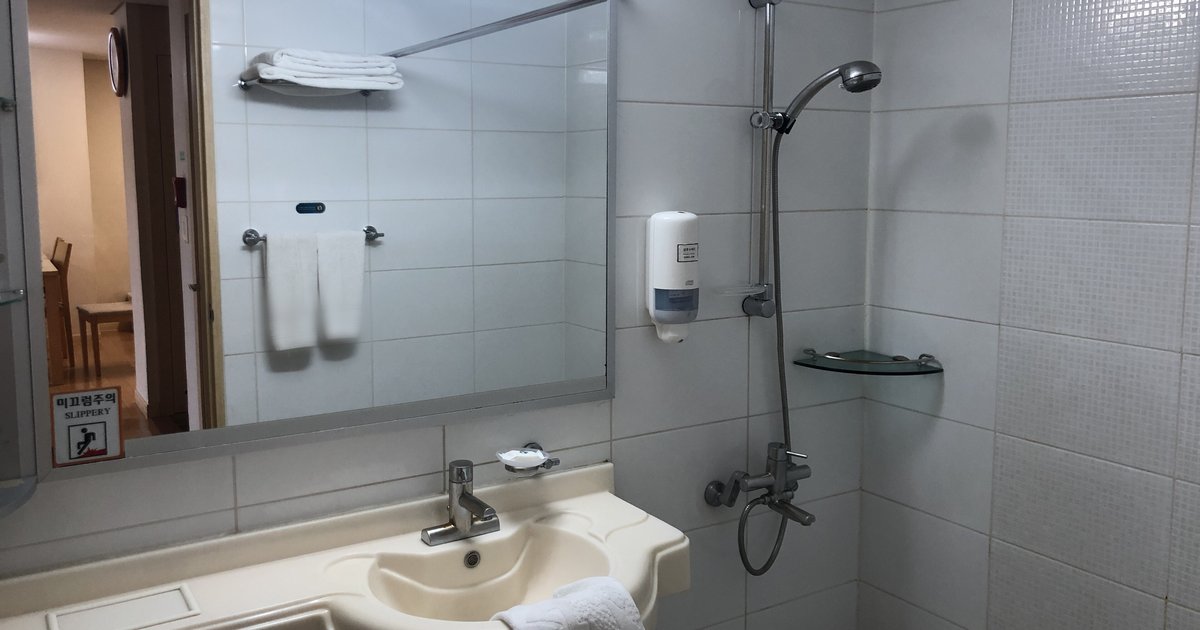
Since March 29, 2024, Korean lodging businesses with 50 or more guest rooms and all public bathhouses, including jjimjilbang, may not give out disposable toothbrushes, toothpaste, razors, shampoo or conditioner for free; selling them is allowed. Slippers, towels and body wash are not covered, and hotels under 50 rooms, homestays and hanok stays are not bound by the rule.
Verified
 Changed
How Far in Advance Can You Book KTX? 2 Months Since Oct 2026
KTX tickets go on sale at 07:00 Korea time two months before the travel date (month minus 2, same day). The window changed from one month to two on October 1, 2026. KORAIL PASS start dates can now be set up to 62 days after purchase, so pass holders can reserve at the two-month mark too.