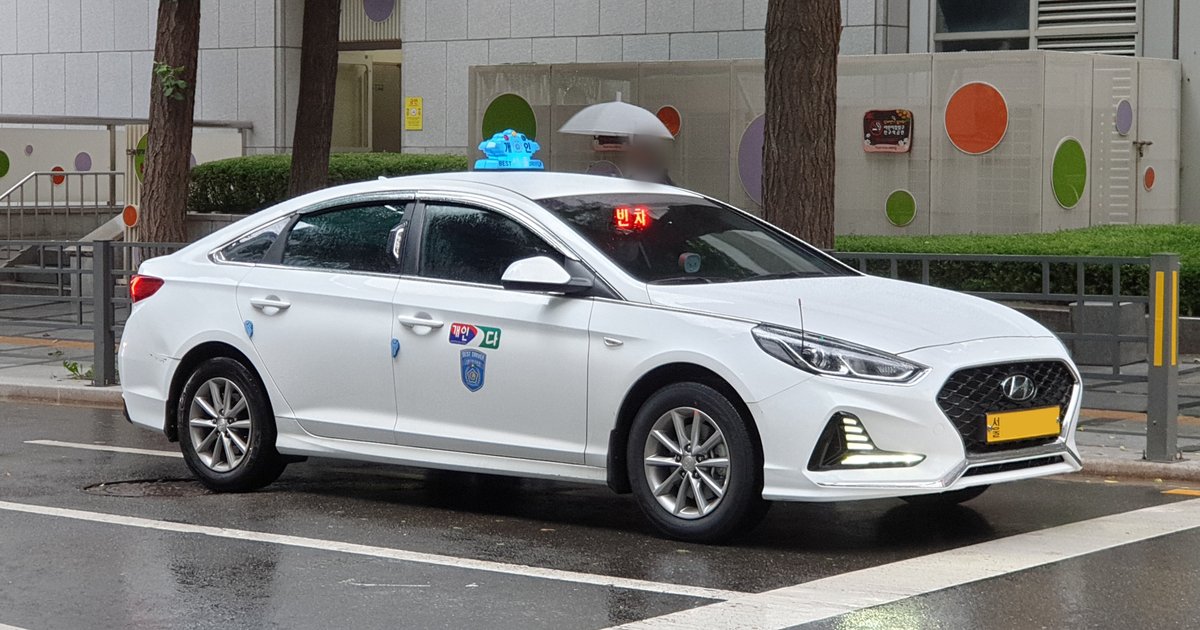
A standard taxi starts at ₩4,800 in Seoul and ₩4,800 in Busan, and at ₩4,300 in Jeju. The differences that matter are how far the base fare takes you (1.6 km in Seoul, 2 km in Busan and Jeju) and when the night surcharge kicks in: 22:00 in Seoul, 23:00 in Busan and Jeju. On the published rates, a 10 km daytime ride costs about ₩11,000 in any of the three cities. That’s cheap for three or four people, and the only door-to-door option once the subway stops. You pay what the meter says: no tipping, and in Seoul nothing beyond the meter is allowed. The one service that can add a foreigner surcharge is International Taxi, and only on a metered ride.
- Base fare: Seoul ₩4,800 (1.6 km), Busan ₩4,800 (2 km), Jeju ₩4,300 (2 km).
- Night surcharge: Seoul from 22:00, up to +40% from 23:00 to 02:00; Busan from 23:00, up to +30% from midnight to 02:00; Jeju +20% from 23:00 to 04:00.
- 10 km in the daytime: about ₩10,600–11,200 depending on the city.
- Deluxe (black) taxis: start at ₩7,000 in Seoul and ₩7,500 in Busan; Jeju has none.
- Incheon to Seoul: standard taxis are metered plus tolls; International Taxi charges a flat ₩70,000–95,000 by zone, tolls included.
- Tipping: none. Pay the meter, plus tolls if you asked for a toll road.
Contents
- Who this is for
- Base fares in Seoul, Busan and Jeju
- How the Seoul meter works
- Busan taxi fares
- Jeju taxi fares
- What 10 km costs
- Night surcharges
- Deluxe and jumbo taxis
- Airport to city
- Tipping, tolls and payment
- Calling a taxi by app
- Your situation
- Common mistakes
- What I would do
- FAQ
- If it were me
- Official sources
Who this is for
Travelers deciding when a taxi is worth it over the subway or bus, and what a ride should roughly cost.
- You’re three or four people and want to compare one taxi with four subway fares.
- You land late or are out after the last train and need to know the night rate.
- You’re choosing between a metered taxi and a flat-fare International Taxi from Incheon.
- You want to know whether you’re being overcharged.
You can skip it if:
- You’re traveling alone in the daytime on a subway route. The subway is cheaper and often faster in traffic.
- You only need to know how to pay with a foreign card in an app; that’s in using Kakao T with a foreign card.
What is the base taxi fare in Seoul, Busan and Jeju?
Seoul and Busan both start at ₩4,800, but Busan’s base covers 2 km to Seoul’s 1.6 km; Jeju starts lower, at ₩4,300 for 2 km.
| Seoul | Busan | Jeju | |
|---|---|---|---|
| Standard base fare | ₩4,800 (1.6 km) | ₩4,800 (2 km) | ₩4,300 (2 km) |
| Then | ₩100 per 131 m | ₩100 per 132 m or 33 sec | ₩100 per 126 m |
| Night surcharge from | 22:00 | 23:00 | 23:00 |
| Deluxe / jumbo base | ₩7,000 (3 km) | ₩7,500 (3 km) | Jumbo ₩6,000 (2 km); no deluxe |
| In force since | February 1, 2023 | June 1, 2023 | July 1, 2024 |
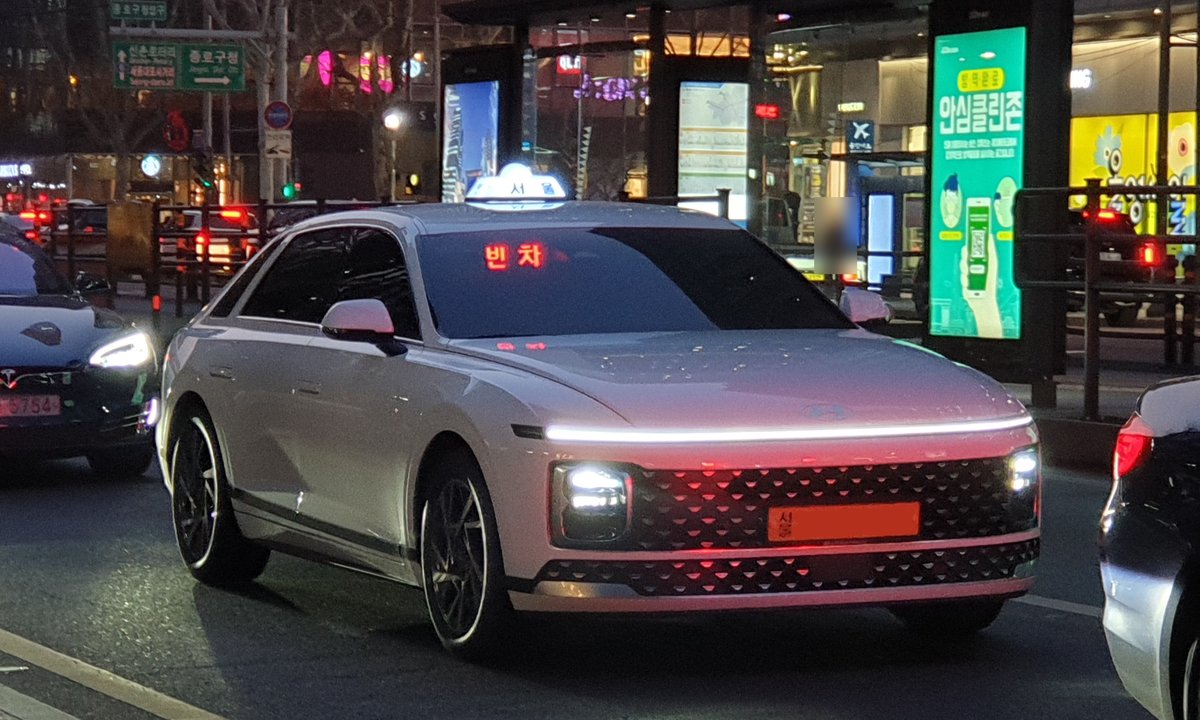
Does the Seoul taxi meter run in traffic?
Yes. Below 15.72 km/h, a standard taxi charges for distance and time together. That is why a short ride through Myeongdong traffic costs more than the distance suggests.
| Standard base fare | ₩4,800, first 1.6 km |
|---|---|
| Distance | ₩100 per 131 m |
| Time | ₩100 per 30 sec |
| In slow traffic | Below 15.72 km/h, distance and time are both charged |
| Leaving Seoul | +20% |
| Night plus leaving Seoul | Up to +60% in total |
| Rounding | To the nearest ₩100 |
The out-of-city surcharge doesn’t apply on rides between Incheon Airport and Seoul, Incheon, Goyang, Gwangmyeong, Gimpo or Bucheon.
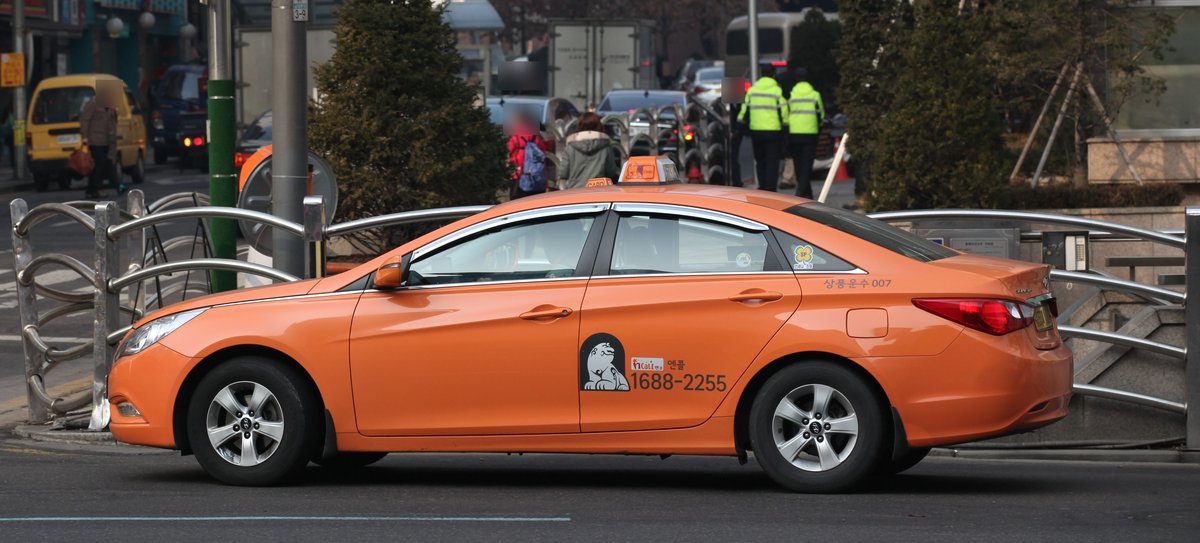
How are Busan taxi fares different from Seoul?
Same ₩4,800 start, but 2 km instead of 1.6, a later night surcharge, and +30% for leaving the city. Busan’s rates date from June 1, 2023; the figures below are from Gimhae Airport’s fare table.
| Standard base fare | ₩4,800, first 2 km |
|---|---|
| Then | ₩100 per 132 m or 33 sec |
| Night | 23:00–24:00 +20%; 00:00–02:00 +30%; 02:00–04:00 +20% |
| Leaving Busan | +30% |
| Night plus leaving Busan | The two are added, then 10% is taken off |
| Deluxe / jumbo | ₩7,500 for 3 km, then ₩200 per 140 m or 33 sec; Gimhae Airport’s fare table lists no night or out-of-city surcharge for them |
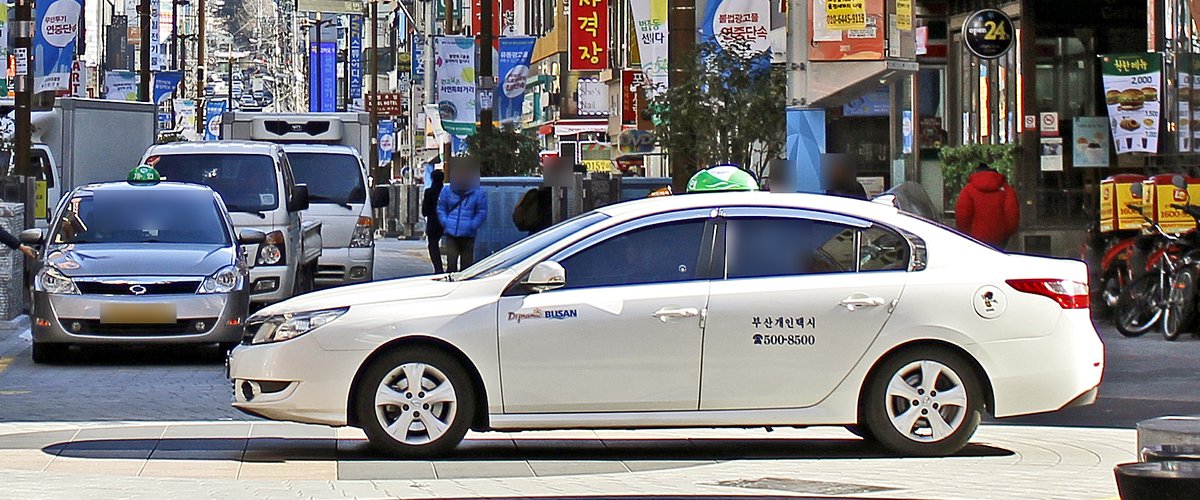
How are Jeju taxi fares different?
Jeju starts lowest, at ₩4,300 for 2 km, has a flat +20% night surcharge, and has no deluxe taxis. These rates date from July 1, 2024, and the province hasn’t announced a change since.
| Standard base fare | ₩4,300, first 2 km |
|---|---|
| Then | ₩100 per 126 m; ₩100 per 31 sec below 15 km/h |
| Beyond 20 km | ₩120 per 126 m |
| Night | 23:00–04:00 +20% |
| Jumbo | ₩6,000 for 2 km, then ₩200 per 120 m or 29 sec |
The harder part in Jeju is finding a taxi at all in the evening. On October 14, 2026 the province reported that only about 43% of taxis were running after 21:00. If you land on a late flight, join the taxi line right away or call one before you reach the curb.
How much is a 10 km taxi ride in Korea?
About ₩10,600–11,200 in the daytime, based on the published rates and without time charges for traffic. Slow traffic adds to these numbers, so treat them as a floor.
| Standard, day | Standard, peak night rate | Deluxe, day | |
|---|---|---|---|
| Seoul | ≈ ₩11,200 | ≈ ₩15,700 (23:00–02:00, ×1.4) | ≈ ₩16,200 |
| Busan | ≈ ₩10,800 | ≈ ₩14,000 (00:00–02:00, ×1.3) | ≈ ₩17,500 |
| Jeju | ≈ ₩10,600 | ≈ ₩12,700 (×1.2) | No deluxe |
Split four ways, ₩11,000 is under ₩3,000 a person, so for a group of three or four going somewhere that needs a transfer on the subway, the taxi often makes sense.
When does the night surcharge start, and how much is it?
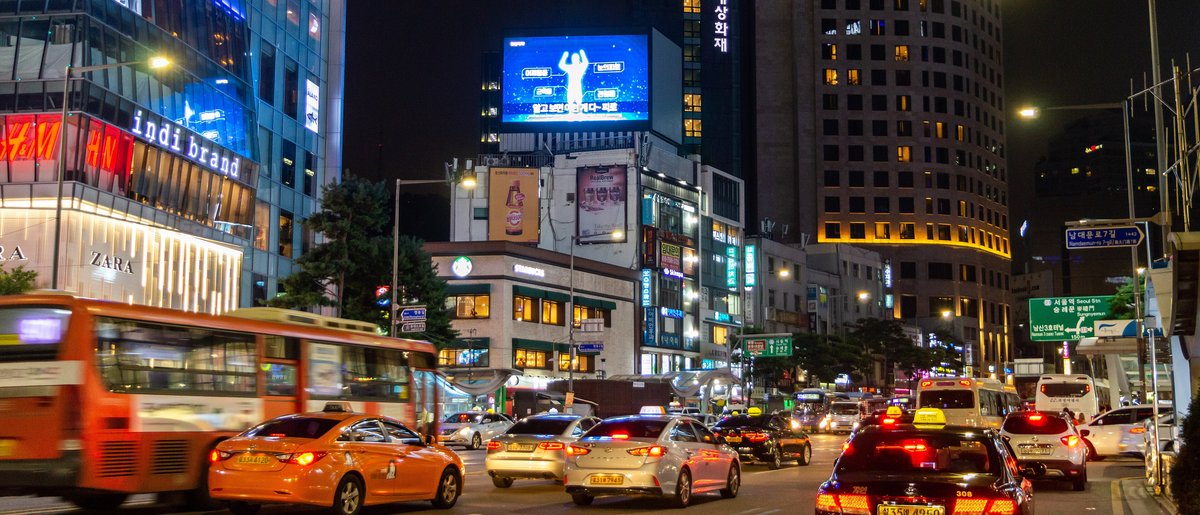
22:00 in Seoul, 23:00 in Busan and Jeju; the steepest is Seoul’s +40% between 23:00 and 02:00.
| City | Night surcharge (standard taxi) | Night base fare |
|---|---|---|
| Seoul | 22:00–23:00 and 02:00–04:00 +20%; 23:00–02:00 +40% | ₩5,800 at +20%, ₩6,700 at +40% |
| Busan | 23:00–24:00 +20%; 00:00–02:00 +30%; 02:00–04:00 +20% | Base fare plus the surcharge |
| Jeju | 23:00–04:00 +20% | Base fare plus the surcharge |
| Seoul deluxe / jumbo | 22:00–04:00 +20% | ₩8,400 |
In Seoul, leaving at 22:50 instead of 23:10 moves you from the 20% band to the 40% band. If the timing is flexible, the ten minutes are worth it. Late trains are covered in Seoul subway last train times and Busan subway last train times.
How much more are deluxe and jumbo taxis, and when are they worth it?
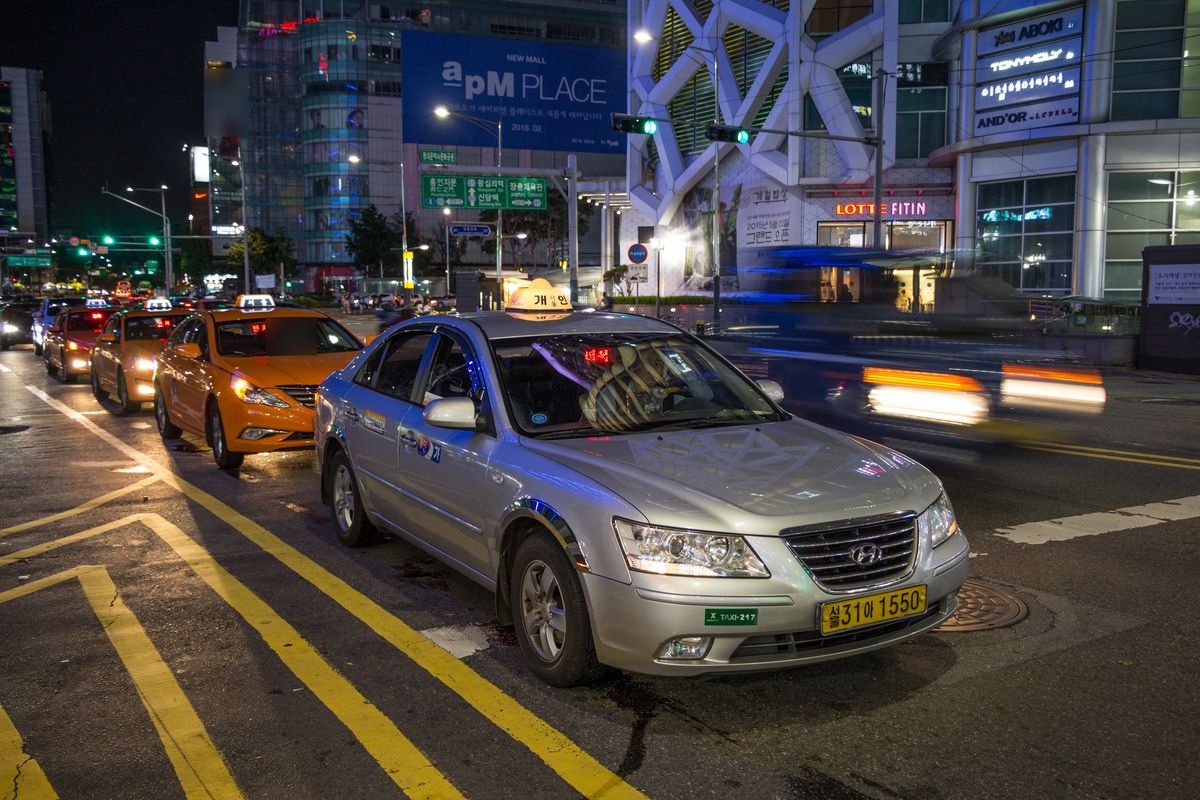
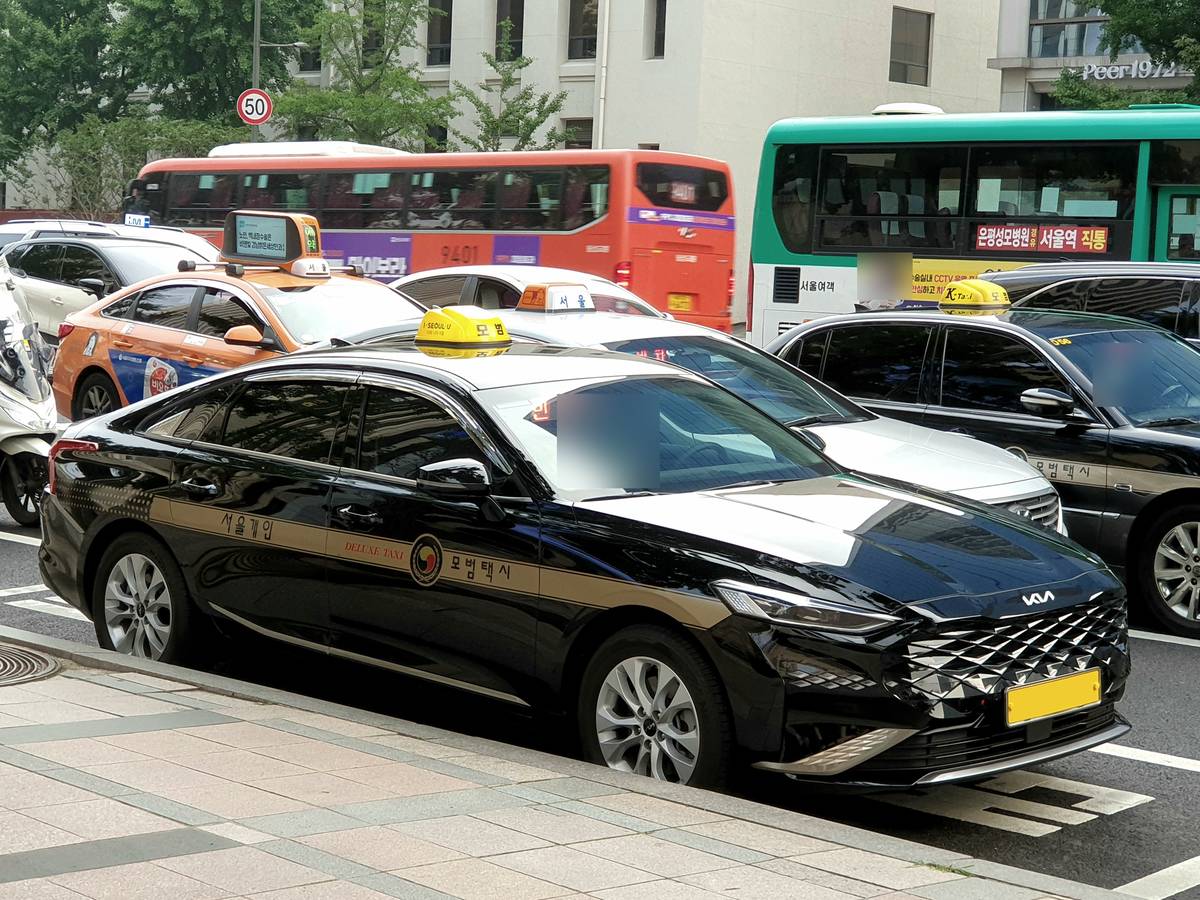
About half again in the daytime for 10 km in Seoul, and worth it mainly for five or more people or a lot of luggage. Deluxe taxis (모범, usually black) and jumbo taxis (대형, up to 9 seats at Incheon) share a fare table in Seoul and Busan.
| Seoul base | ₩7,000 for 3 km |
|---|---|
| Seoul after that | ₩200 per 151 m or 36 sec; in traffic below 15.10 km/h, time only |
| Seoul night | 22:00–04:00 +20%, base ₩8,400 |
| Busan base | ₩7,500 for 3 km |
| Jeju | Jumbo only, ₩6,000 |
In Seoul the deluxe night surcharge is only +20%, against +40% for a standard taxi from 23:00, so the gap narrows between 23:00 and 02:00. For two people with normal luggage, I’d stick with a standard taxi.
How much is a taxi from the airport to the city?
From Incheon, a standard taxi is metered with tolls on top; International Taxi charges a flat fare by zone. Gimpo and Gimhae publish rough estimates.
Incheon Airport to Seoul
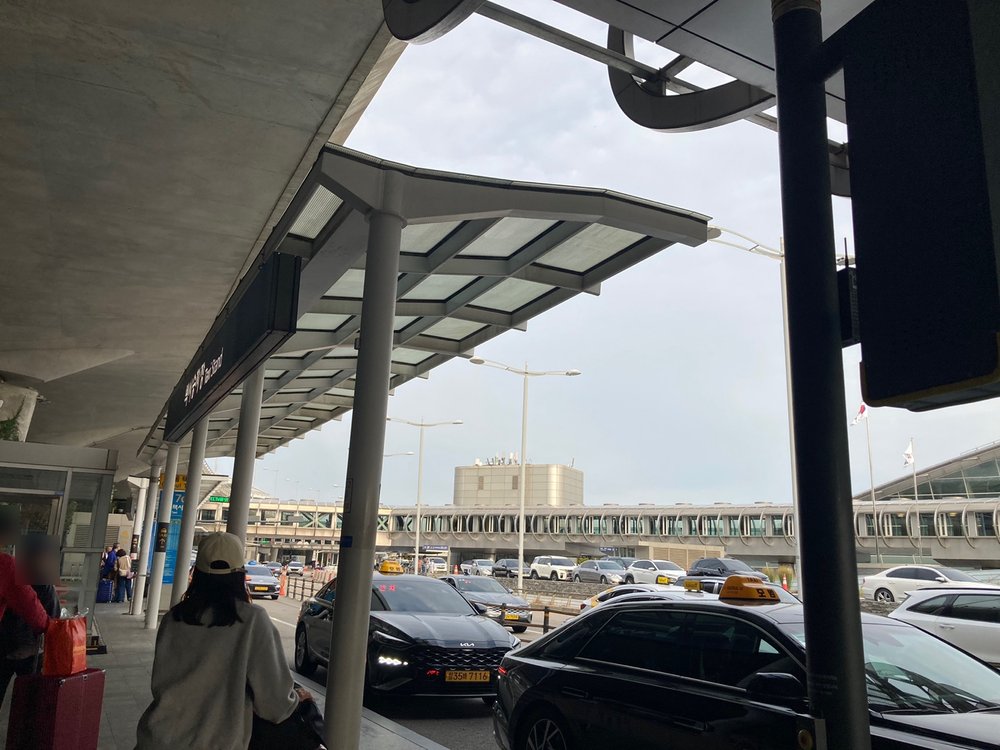
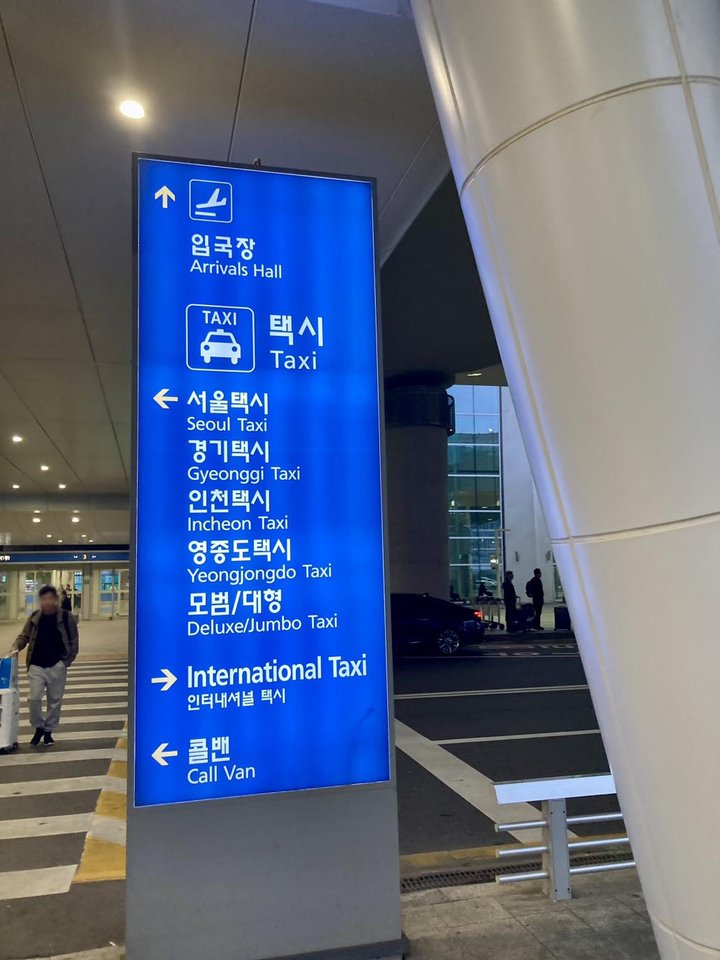
| Standard Taxi | Metered from ₩4,800, tolls extra. Terminal 1 stands 5C, 6C, 6D; Terminal 2 stand 7C. The airport doesn’t publish total estimates to Seoul |
|---|---|
| Deluxe / Jumbo Taxi (9-seater) | Metered from ₩7,000. Terminal 1 stands 7C/8C; Terminal 2 stand 7D |
| International Taxi, standard | Flat fare, tolls included: zone A (Gangseo) ₩70,000; B (Mapo and others) ₩75,000; C (Jung, Jongno and others) ₩85,000; D (Gangnam and others) ₩90,000; E (Songpa and others) ₩95,000 |
| International Taxi, deluxe / jumbo | ₩100,000–140,000 by zone |
| International Taxi booking | At least 48 hours ahead on its official site |
International Taxi is a Seoul city-designated service for foreign visitors. The flat fare is the point: you know the price before you land, tolls included. When it runs on the meter instead, Seoul allows a 20% foreign-passenger surcharge, so for airport runs the flat fare is the one to book. It takes Korean and foreign credit cards, prepaid transit cards and cash.
Booking direct means doing it at least 48 hours ahead on International Taxi’s site, with fees for cancelling inside 48 hours. Klook sells the same airport-to-Seoul transfer with looser cancellation terms: Klook: private International Taxi transfer, Incheon Airport to Seoul (free cancellation with 24 hours’ notice). The listing includes tolls, fuel and insurance; the price shows in your own currency on the page.
The airport warns that call vans posing as taxis solicit arrivals and overcharge. Only get in at the marked taxi stands. Every other way into the city, bus and train included, is in Incheon Airport to Seoul, and the after-midnight options are in Incheon Airport late-night buses.
Gimpo Airport to Seoul
Gimpo’s site gives standard-taxi estimates (undated): Hongdae ₩15,000, Myeongdong ₩20,000, Seoul City Hall ₩22,000, Gangnam Station ₩28,000, and Incheon Airport ₩45,000 including tolls. A deluxe taxi runs about 1.8 times as much. More on the options in Gimpo Airport to Seoul.
Gimhae Airport to Busan
Gimhae Airport’s standard-taxi estimates: Seomyeon ₩18,000, Nampo-dong ₩20,000, Haeundae ₩25,000, Gwangalli ₩25,000, before any night surcharge. The light rail and buses are in Gimhae Airport to Busan, and landing after the trains stop is in Gimhae Airport late arrivals.
Do I tip, and who pays the tolls?
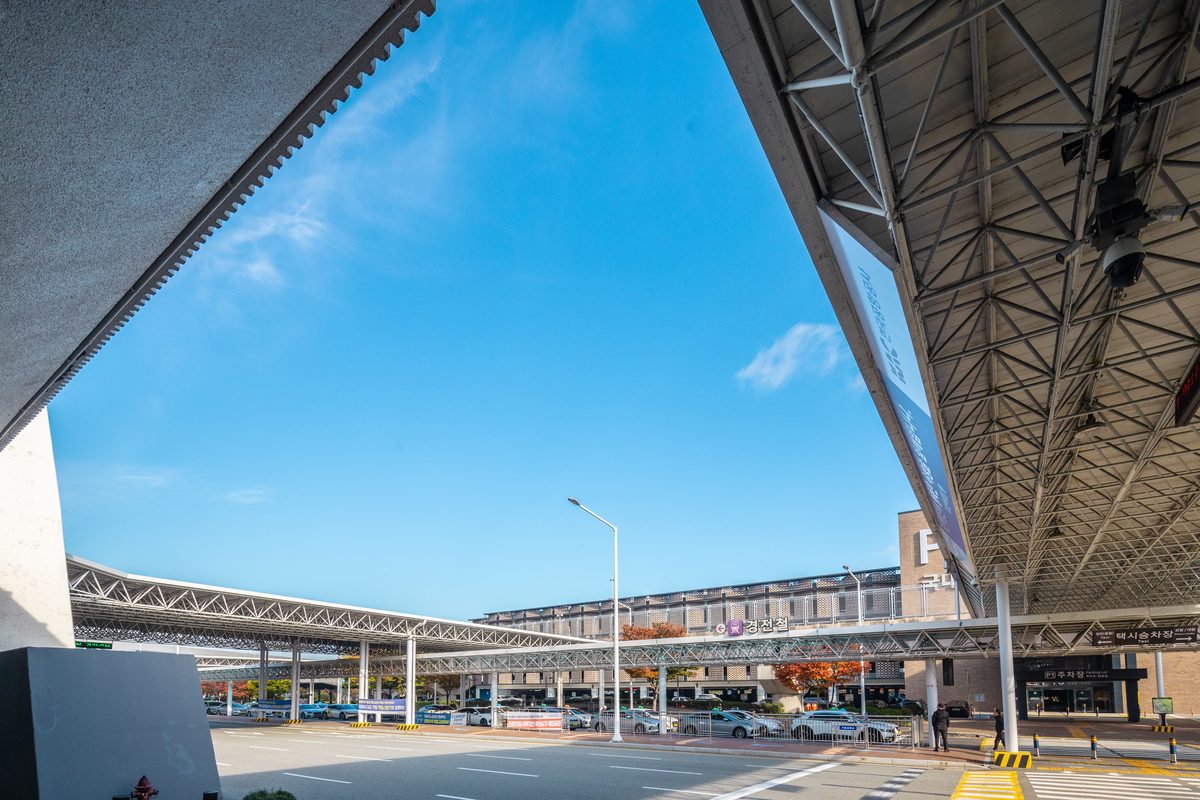
No tip. You pay what the meter says, plus the actual toll if you asked for a toll road. Seoul’s rules say every taxi may only charge the metered fare, and charging anything else is a violation; approved flat-fare services such as International Taxi’s airport zones are the exception. If a driver asks for a round number above the meter, you can decline.
Is it more expensive to call a taxi with an app?
A regular call costs the same as hailing on the street; the premium options cost more.
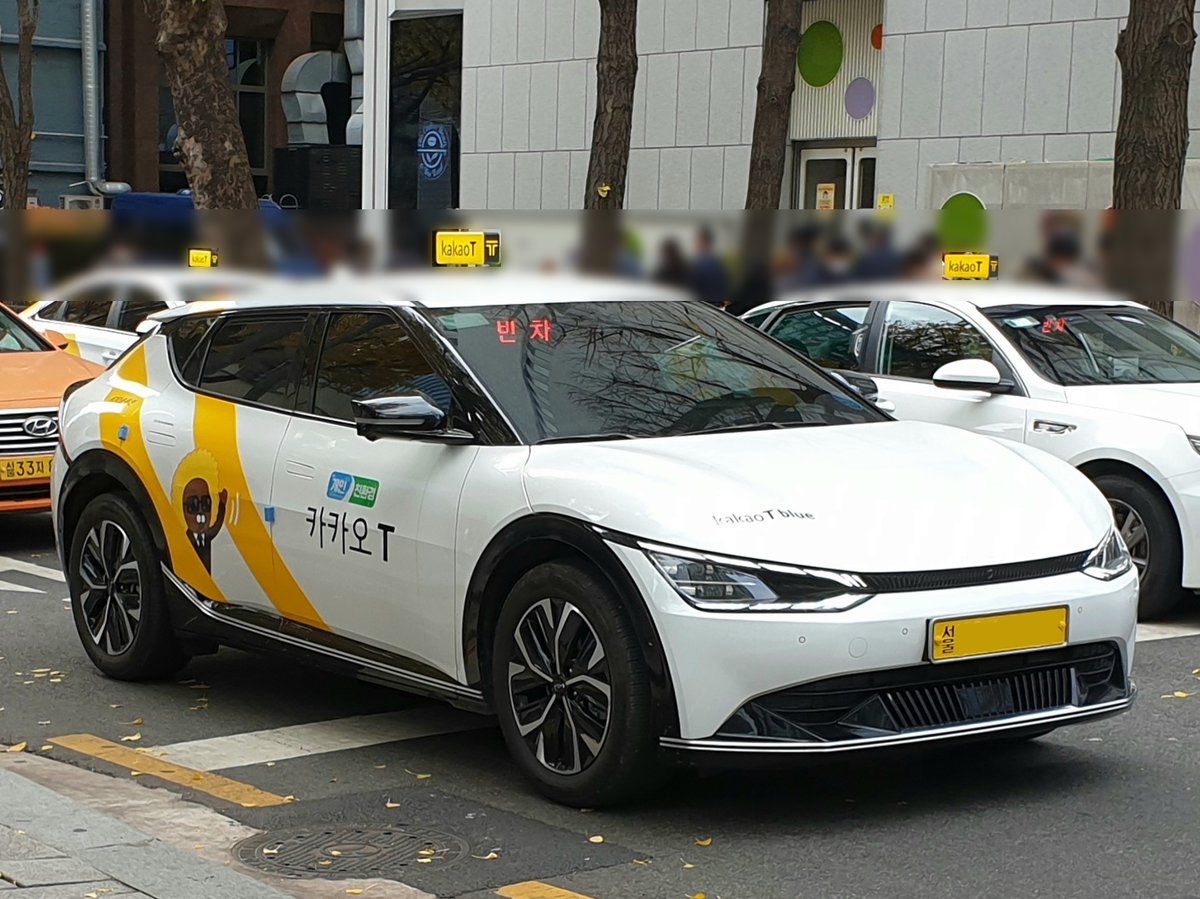
| Regular call (Kakao T, Uber Taxi) | Same as the meter |
|---|---|
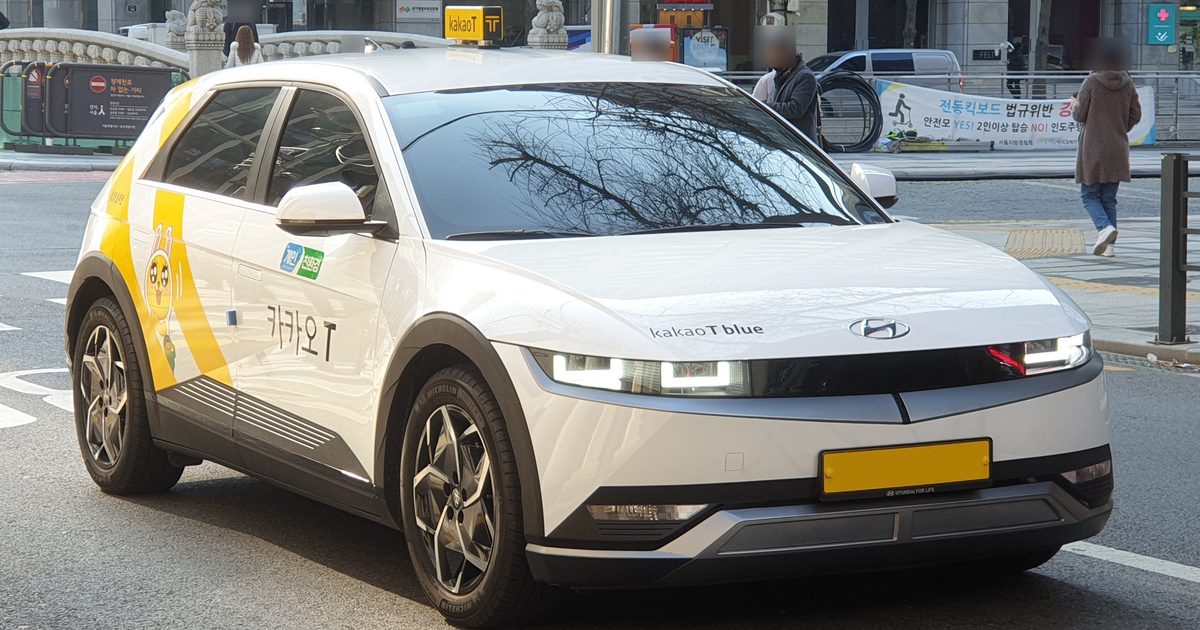
| Kakao T Blue | Platform fee ₩0–5,000, varying with demand |
| Uber Speed Call | ₩3,000 service fee, already in the fare shown |
| Venti (app only, large van) | Seoul base ₩4,000 for 0.8 km, then ₩100 per 123 m or 40 sec, times a 0.8–4.0 multiplier |
Signing up and paying with a foreign card are covered in Kakao T with a foreign card and Uber in Korea.
Your situation
If you’re four people crossing Seoul in the daytime
Take a standard taxi. A 10 km ride at about ₩11,200 comes to under ₩3,000 each, and you skip the transfer. In heavy traffic the time charge adds up, so on a route straight down one subway line, the train still wins.
If you’re landing at Incheon in the evening with a family
Book International Taxi for your zone at least 48 hours ahead, or through Klook if you want the 24-hour cancellation window. The flat fare includes tolls, so the total is fixed before you board. With five or more people or big luggage, choose the deluxe/jumbo flat fare rather than two standard taxis.
If you miss the last train in Seoul
Hail a standard taxi or make a regular app call, not Blue or Venti. If you can wait until 02:00, the surcharge drops from 40% back to 20%.
Common mistakes
- Taking a call van from the arrivals curb. The airport warns these overcharge; use the marked taxi stands.
- Assuming the 22:00 surcharge everywhere. Busan and Jeju start at 23:00.
- Riding International Taxi on the meter from the airport. The meter can include a 20% foreign-passenger surcharge; the flat zone fare is the one to book.
- Picking Blue or Venti by default in the app. A regular call is the meter price.
- Counting on a quick taxi in Jeju at night. Fewer than half the taxis run after 21:00.
- Tipping. It isn’t expected, and in Seoul nothing beyond the meter may be charged.
What I would do
Four days in Seoul with one late arrival at Incheon:
| When | Plan |
|---|---|
| Three days before landing | Book International Taxi for the hotel’s zone; check the zone letter against the district |
| Arrival | Follow the International Taxi signs; ignore anyone offering a ride in the arrivals hall |
| Daytime in the city | Subway alone or in pairs; a standard taxi for three or four on routes with a transfer |
| Late nights | Head back before 23:00, or after 02:00 if staying out, to avoid the 40% band |
Three days ahead rather than two, because the 48-hour booking rule leaves no slack if a flight time shifts.
FAQ
- Q1: What is the base taxi fare in Seoul?
- ₩4,800 for the first 1.6 km in a standard taxi. Deluxe (black) and jumbo taxis start at ₩7,000 for the first 3 km. These rates have applied since February 1, 2023.
- Q2: What time does the night surcharge start in Seoul?
- 22:00. Standard taxis add 20% from 22:00 to 23:00 and from 02:00 to 04:00, and 40% from 23:00 to 02:00, when the base fare becomes ₩6,700.
- Q3: How much is a taxi from Incheon Airport to Myeongdong?
- The airport doesn’t publish a metered estimate. The International Taxi flat fare for zone C, which covers Jung and Jongno districts, is ₩85,000 in a standard car, tolls included, booked at least 48 hours ahead.
- Q4: Do you tip taxi drivers in Korea?
- No. Seoul city rules say taxis may only charge what the meter shows; you pay the meter, plus tolls if you asked for a toll road.
- Q5: Can taxis charge foreigners more in Korea?
- Only International Taxi, on the meter. Seoul allows it to add 20% for foreign passengers on metered rides, capped at 60% in total with night and out-of-city surcharges. Its flat airport fares already include tolls.
- Q6: Is it more expensive to call a taxi with Kakao T?
- Not with a regular call. A regular call costs the same as hailing on the street. Blue, deluxe and Venti calls add a platform fee or a surge multiplier.
- Q7: Does Jeju have deluxe taxis?
- No. Jeju’s fare table has standard and jumbo taxis only; a standard taxi starts at ₩4,300 for the first 2 km.
If it were me
In Seoul and Busan I’d use taxis for groups, late nights and luggage days, and the subway for everything else. From Incheon with a family or after dark, I’d book International Taxi’s flat fare rather than gamble on the meter plus tolls; traveling light and alone, I’d take the train. In Jeju I’d plan evenings around taxi availability rather than price. And I’d always make a regular app call: Blue and Venti are for when nothing else turns up.
Official sources
- Seoul Metropolitan Government: Seoul taxi fares (Korean)
- Seoul Metropolitan Government: taxis for foreign visitors (Korean)
- Incheon Airport: taxi (English)
- International Taxi (booking, 1644-2255)
- Gimhae Airport: taxi (Korean; Busan fare table and estimates)
Prices and times follow the latest official announcement.
Read next
Verified
 Current
Incheon Airport to Seoul 2026: AREX or Airport Bus by Area
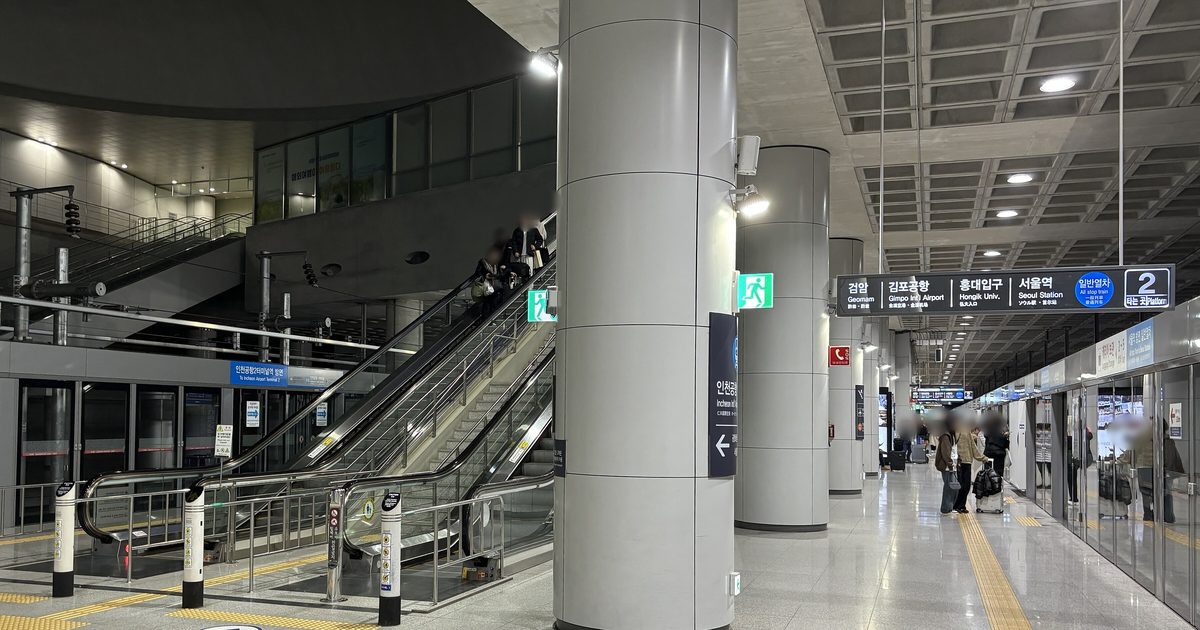
Near Seoul Station, take the AREX Express (43 minutes from Terminal 1, every 30–40 minutes in the daytime); for Hongdae or Gongdeok, the AREX All-Stop (every 4–11 minutes, 52 minutes from Terminal 1 to Hongik Univ.). For Myeongdong take airport bus 6015 or 6001, Dongdaemun DDP 6001, Gangnam Station 6020, COEX 6103. K Limousine (6701, 6702, 6703) needs a ticket before boarding at the airport. The last Express leaves Terminal 1 at 22:48.
Verified
 Current
Can Foreigners Use Kakao T Taxi? Foreign Cards and Cash 2026
Kakao T accepts Visa, Mastercard, JCB and AMEX cards issued outside Korea if the name matches your account, though some issuers still block them; Kakao Pay takes Korean cards only. Without a card, request a Regular taxi, choose to pay the driver, and pay by card or cash at the end. Blue Partners and Booster calls need an in-app card. k.ride calls the same cars but adds 10% to the fare and takes no cash. The iPhone app needs iOS 17.0 or later.
Verified
 Current
Does Uber Work in Korea? 2026 Guide to Paying and Airports
Yes. Use the Uber app and account you already have; no new sign-up. Every ride is a licensed taxi, mostly metered. Pay by card in the app, or choose in-person payment before requesting and pay cash or card at the end. Incheon, Gimpo, Gimhae and Jeju airport rides can be booked up to 90 days ahead, and reserved metered taxis still run the meter.