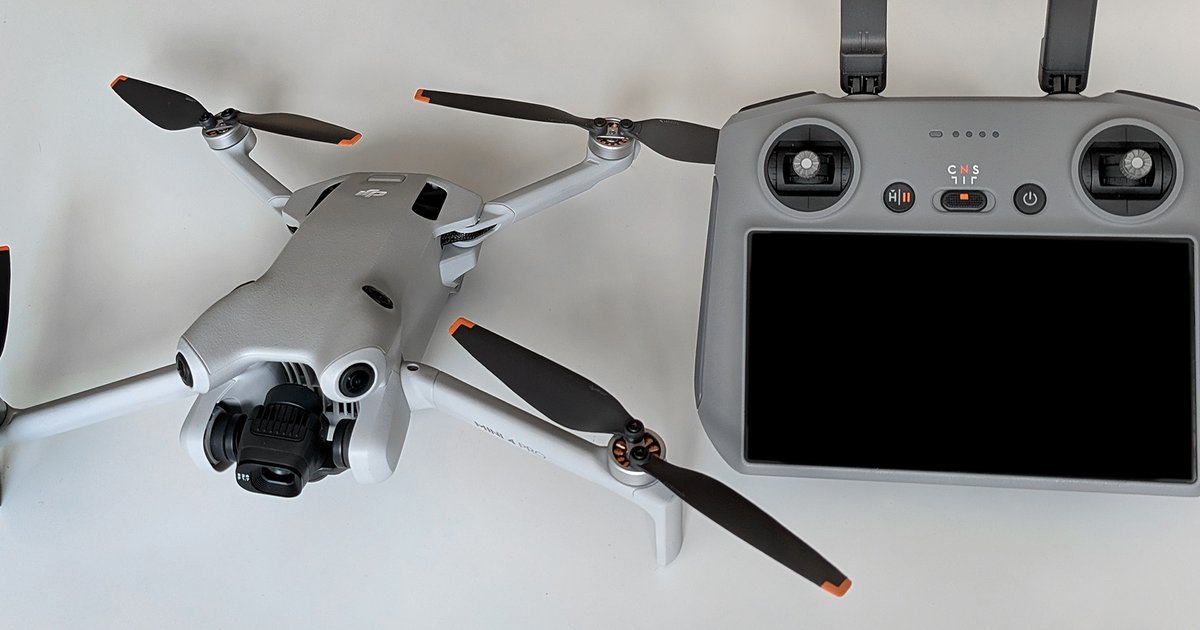
Since September 17, 2026, flying a drone into a Korean no-fly zone without approval is a crime: up to 1 year in prison or a criminal fine of up to KRW 10,000,000, up from an administrative fine of up to KRW 3,000,000. Tourists can legally fly in Korea, and a drone under 250 g needs no registration and no license. The weight is rarely the problem; the location is. Within 9.3 km of an airport, in the no-fly zone over central Seoul, above 150 m and after sunset, you need approval whatever the drone weighs, and the online application needs a Korean phone number. So the plan that works for a short trip is simple: bring a sub-250 g drone, fly only in daylight where no approval is needed, and leave it in the bag in central Seoul. Two terms come up a lot below: a control zone is the controlled airspace around an airport (관제권), and Drone One-Stop (드론원스톱) is the Ministry of Land, Infrastructure and Transport’s drone portal, where the airspace map lives.
- Tourists can fly: under 250 g, no registration and no license.
- 250 g to 2 kg: no registration, but you need the Class 4 pilot certificate from an online course. Over 2 kg: register and label the drone.
- Approval needed at any weight: within 9.3 km of an airport, in a no-fly zone, above 150 m, or between sunset and sunrise.
- The application site needs a Korean phone or i-PIN, so plan only flights that need no approval.
- Not in central Seoul: Namsan, Itaewon and Myeongdong are roughly inside the no-fly zone.
- Palaces like Gyeongbokgung: tourists will not get permission.
- Spare batteries go in carry-on, up to 5 of 100 Wh or less per person.
Contents
- Who this is for
- Do you need to register or get a license?
- When you need approval at any weight
- Can you fly a drone in Seoul?
- Busan and Jeju
- Can a foreigner apply for approval?
- Do you need a photography permit?
- Palaces, national parks and beaches
- Penalties
- Drone batteries on the plane
- Your situation
- Common mistakes
- What I would do
- FAQ
- If it were me
- Official sources
Who this is for
Travelers bringing their own drone to Korea for a short trip: whether it needs registering, which spots on a Seoul, Busan or Jeju list are off limits, whether you can apply for approval, and how to pack the batteries.
Not for you if:
- You want to watch a drone light show rather than fly one: see the Gwangalli drone countdown on New Year’s Eve in Busan.
- You are filming commercially: commercial drones must be registered at any weight, which is a far bigger job than this guide covers.
- You are only carrying a power bank: see Korea’s power bank rules for flights.
Do you need to register or get a license?
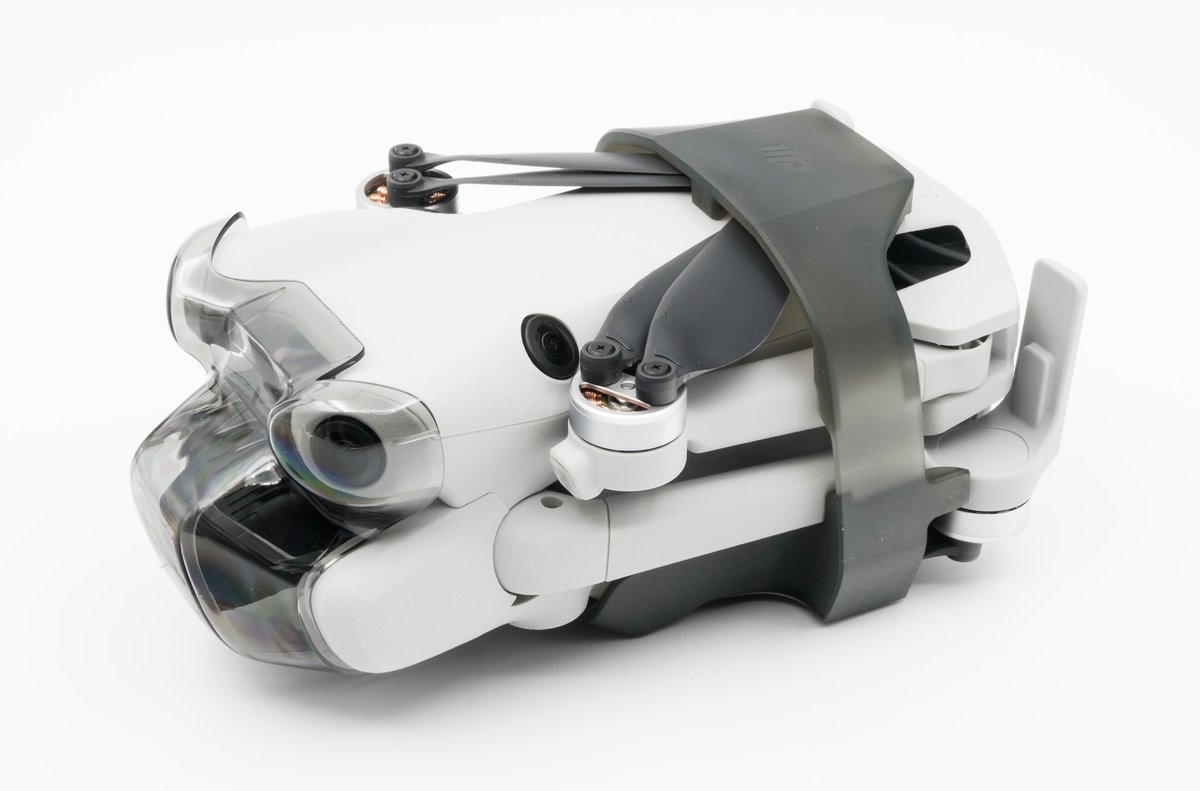
Under 250 g, neither. From 250 g to 2 kg, a certificate but no registration. Over 2 kg, both. What counts is the maximum takeoff weight (최대이륙중량), battery included. Weight only decides registration and licensing; whether you can fly at a given spot is the next section.
| Weight that counts | Maximum takeoff weight, including the battery |
|---|---|
| Under 250 g | No registration, no license |
| 250 g to 2 kg | No registration; Class 4 pilot certificate (4종), issued when you finish an online course run by the Korea Transportation Safety Authority (TS) |
| Over 2 kg | Registration (신고), with the number displayed on the drone; Class 3 certificate or higher depending on weight |
| Commercial use | Registration at any weight |
A high-capacity battery or add-ons can push the takeoff weight over 250 g, so check the figure on the drone or in the manual. The official pages do not say whether foreign visitors can take the Class 4 course; if your drone is over 250 g, call the TS Hwaseong Drone Certification Center (화성드론자격센터) on +82-31-645-2102 before you go.
When you need approval at any weight
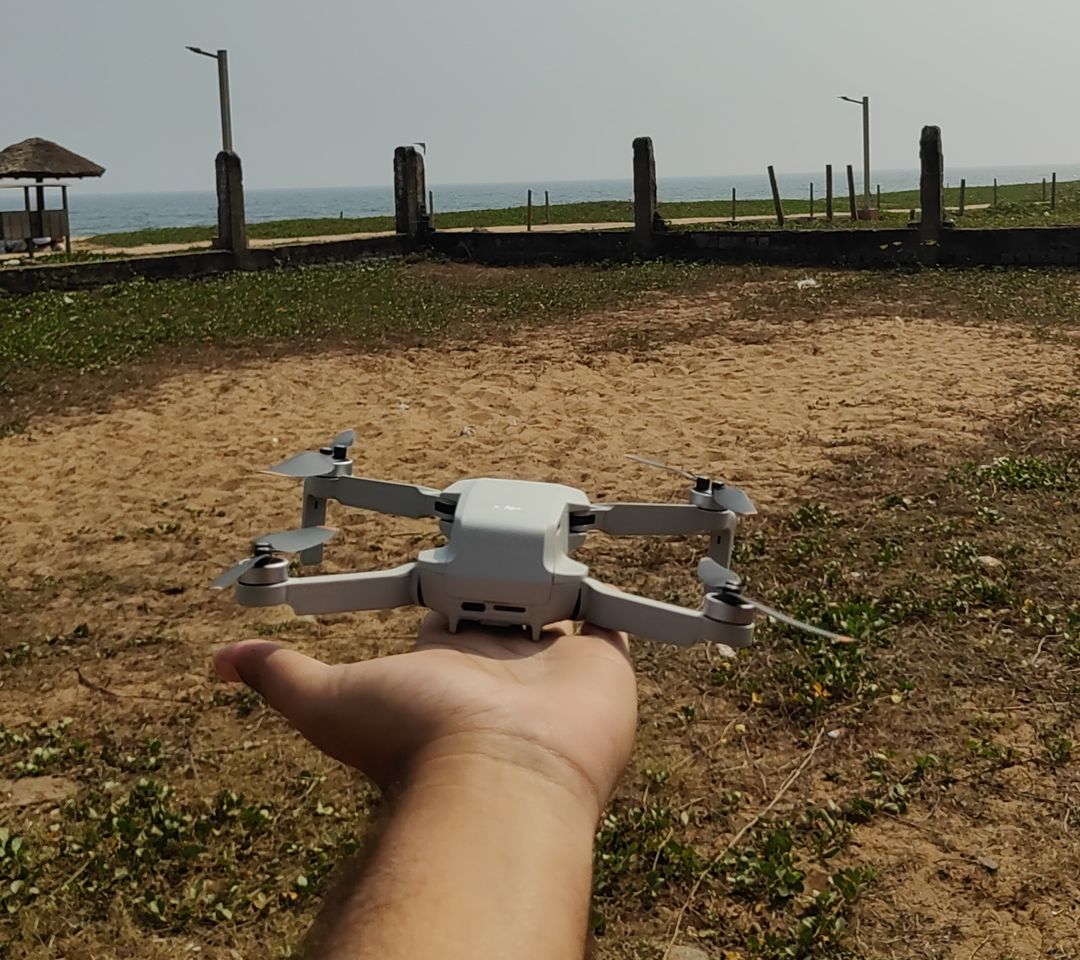
Near airports, in no-fly zones, above 150 m and after sunset, even a 249 g drone needs flight approval. Anywhere none of these apply, a drone of 25 kg or less can fly in daylight below 150 m without asking anyone.
| Airport control zone | Within 9.3 km (5 nautical miles) of the airport |
|---|---|
| No-fly zones | P-73 over central Seoul, P-518 near the DMZ, and around nuclear power plants |
| Altitude | 150 m or more above the ground |
| Time | Sunset to sunrise (needs a separate special flight approval) |
| None of the above | Up to 25 kg, daylight, below 150 m: no approval needed |
Some things are banned everywhere, approval or not: flying over crowds (stadiums, festivals), flying out of your own line of sight, flying after drinking, and dropping anything.
Can you fly a drone in Seoul?
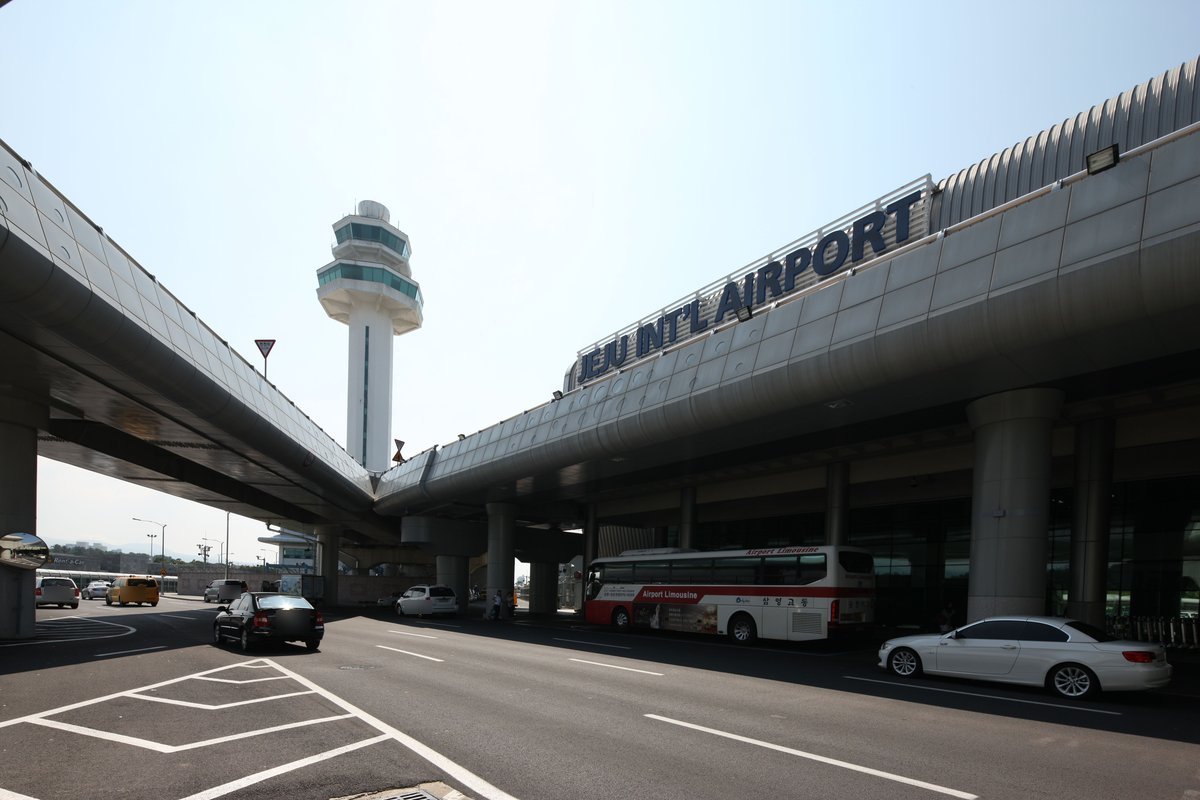
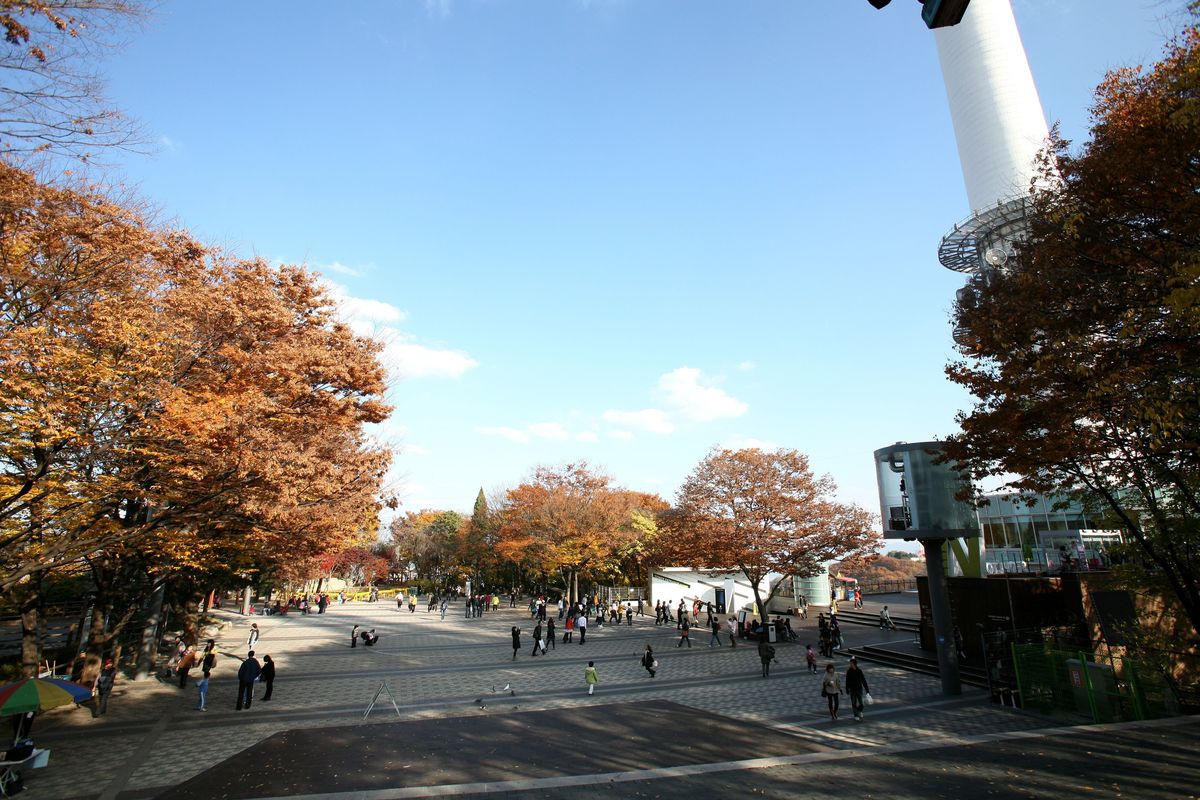
Not in the center. The P-73 no-fly zone covers central Seoul, including Namsan, Itaewon and Myeongdong. To the southeast Jamsil sits in the control zone of Seoul Air Base in Seongnam, and to the west Mangwon sits in Gimpo Airport’s. The table is an approximation worked out from the airspace coordinates; for anything near a boundary, check the Drone One-Stop map before you go.
| Place | Rough status |
|---|---|
| N Seoul Tower (Namsan), Itaewon, Myeongdong | Inside the P-73 no-fly zone |
| Dongdaemun Design Plaza, Banpo Hangang Park, Gwanghwamun area | Near the no-fly zone boundary; check the map |
| Yeouido Hangang Park | Just outside the no-fly zone boundary; check the map |
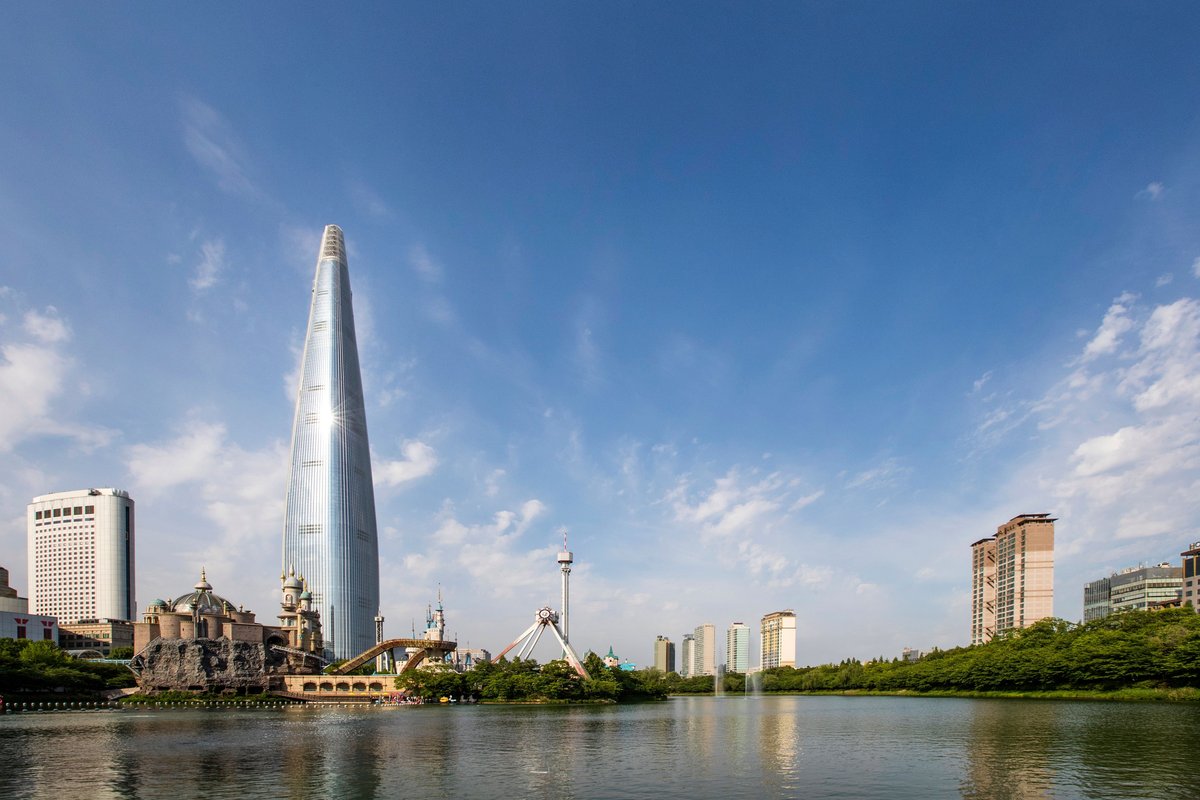
| Jamsil (Lotte World Tower) | Inside Seoul Air Base’s control zone |
| Mangwon Hangang Park | Inside Gimpo Airport’s control zone |
Hangang Drone Park, Seoul’s official flying field
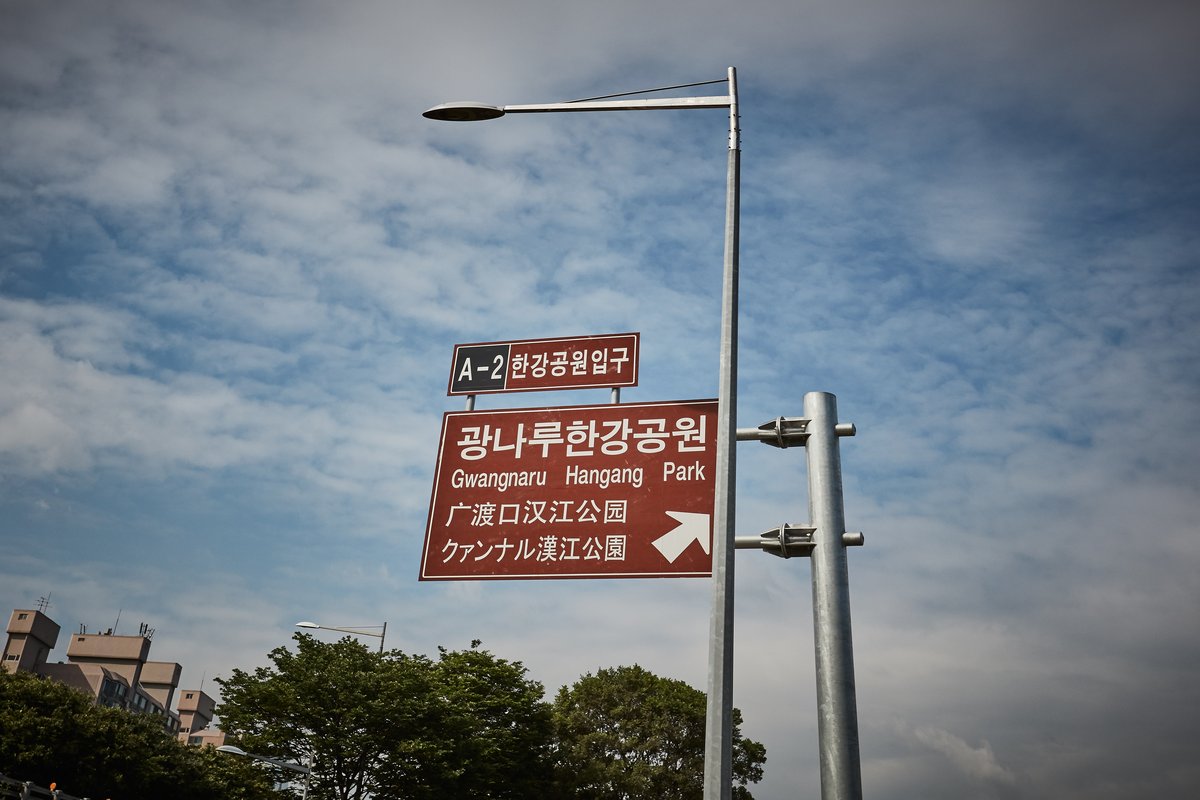
If you want to fly in Seoul, this is the place. It is inside Gwangnaru Hangang Park (광나루한강공원) on the east side of the city.
| Address | 351-1 Cheonho-dong, Gangdong-gu, inside Gwangnaru Hangang Park |
|---|---|
| Drones allowed | Hobby drones up to 25 kg |
| Hours | October–March 08:00–16:00; April–September 08:00–18:00; no flying after sunset |
| Price | Free for individuals |
| Booking | Required, first come first served, on Seoul’s public service reservation site (서울시 공공서비스예약); from 1 month before to the day itself; 1 to 3 hours per booking; up to 30 people per time slot |
| Booking details | Name, contact details, drone weight and model, and whether you are insured |
| On the day | Check in at the drone field information center at the entrance; your name and contact details must be on the drone; insurance is recommended |
| Before you go | Call +82-2-3780-0836 (Hangang parks leisure team) to confirm how to book |
Can you fly in Busan or Jeju?
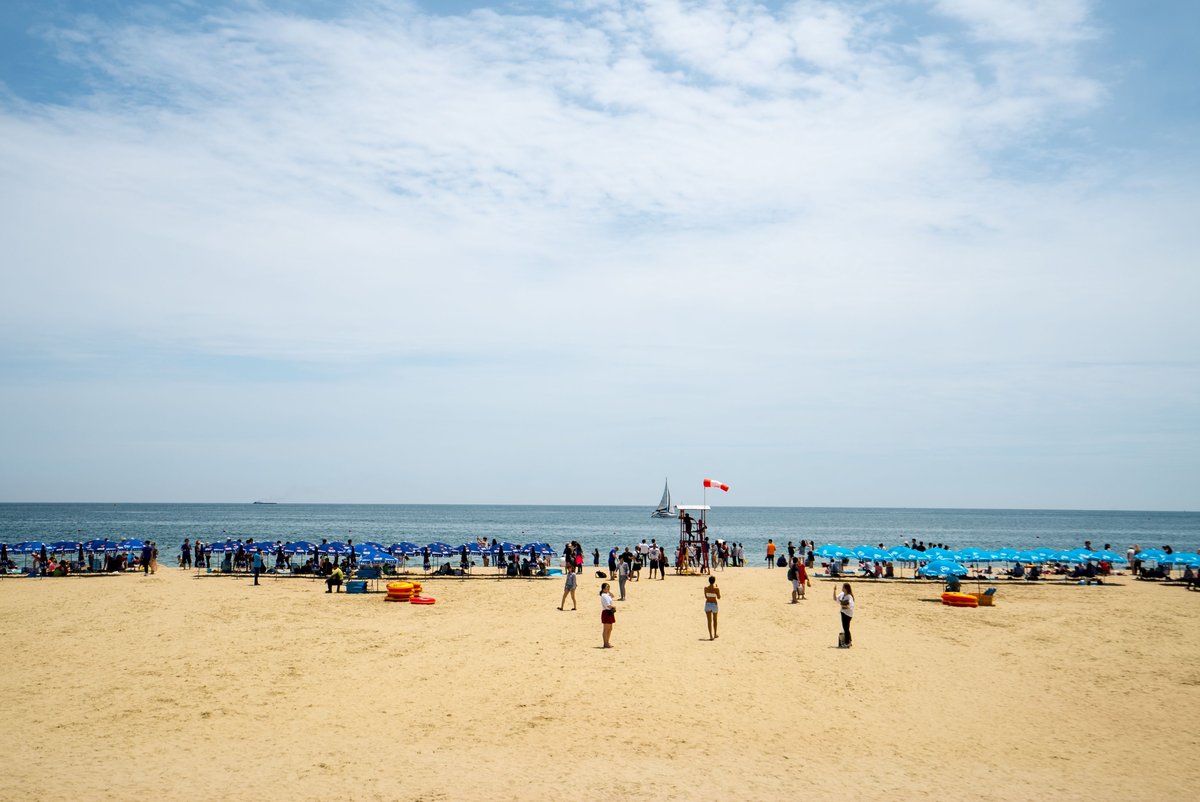
Haeundae and Gwangalli in Busan are outside the airport control zone; Jeju City is entirely inside Jeju Airport’s. Again, this is a rough reading of the airspace, not an official ruling for each spot, so check the map before takeoff. Clear airspace also does not mean the site allows it: beaches and natural monuments have their own managers to agree with first.
| Place | Rough status |
|---|---|
| Gimhae Airport (Busan) | 9.3 km radius control zone |
| Haeundae and Gwangalli beaches | Outside the control zone and no-fly zones; agree with the beach management first; crowds in summer make the over-crowds rule easy to break |
| Gamcheon Culture Village, Jagalchi, Songdo | Outside Gimhae’s control zone, but check the map; Gamcheon’s village website asks visitors not to fly drones |
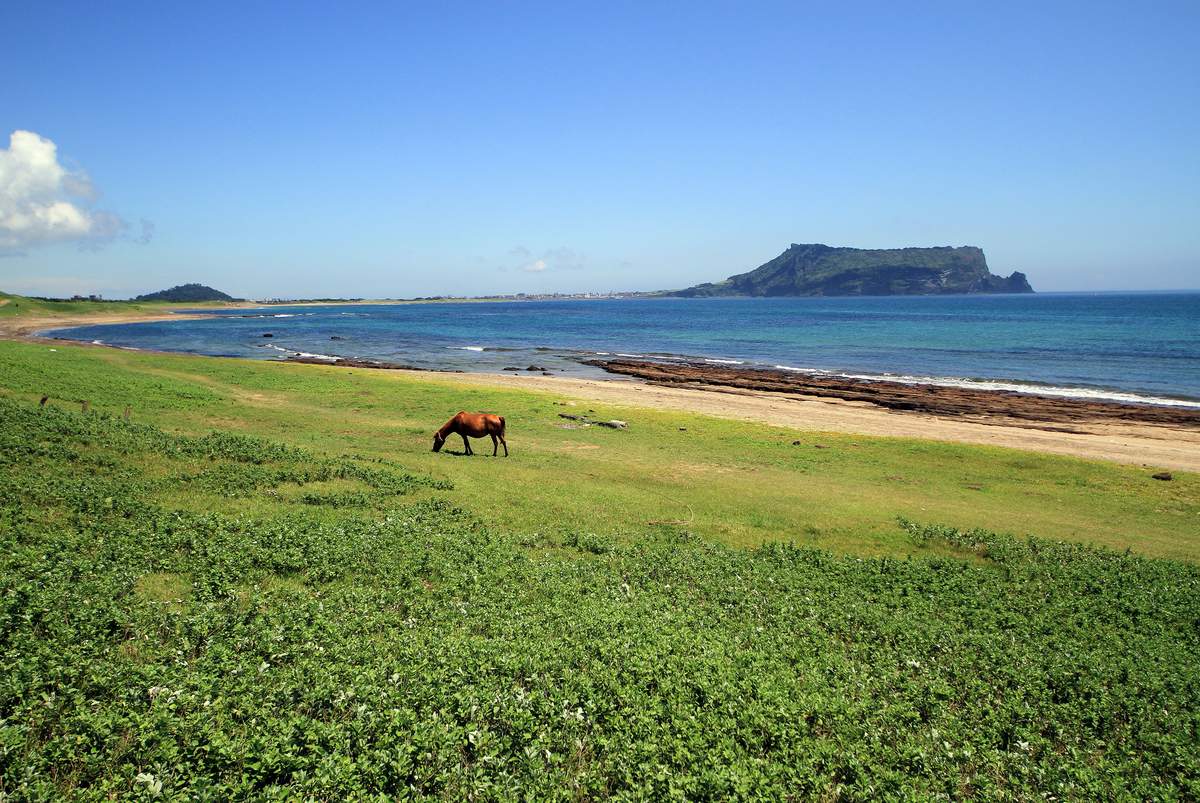
| Jeju Airport | 9.3 km radius control zone, taking in Jeju City, Yongduam and Dongmun Market |
| Jeongseok Airfield (정석비행장), central-eastern hills | Its own 9.3 km control zone |
| Seongsan Ilchulbong, Udo, Aewol, Hyeopjae, Jungmun | Outside both airport zones; Seongsan Ilchulbong is a natural monument, so agree with its managing office first |
Can a foreigner apply for approval?
In practice, hardly. Signing up on Drone One-Stop only works with identity verification through a Korean mobile phone or i-PIN in your own name. Without a Korean number you cannot apply online. The rules also allow paper or fax applications to the regional aviation office, but Seoul advises applying 3 to 5 days before the flight, which rarely fits a short trip. I would only plan flights that need no approval.
| Where to apply | Drone One-Stop (drone.onestop.go.kr), website and app |
|---|---|
| Sign-up | Korean mobile phone or i-PIN verification only |
| Other routes | Paper or fax to the regional office: Gimpo aviation office (김포항공관리사무소) for eastern Seoul, Busan Regional Office of Aviation (부산지방항공청), Jeju Regional Office of Aviation (제주지방항공청) |
| How far ahead | 3 to 5 days before the flight (Seoul’s advice) |
| Checking a spot | The “지도로 확인하기” (check on the map) feature on the Drone One-Stop site or app |
Do you need a photography permit?
Not in a park or open field with obviously no security facilities. The old aerial photography permit ended on December 1, 2022. It was replaced by an aerial photography application (항공촬영 신청), which checks whether you would film military or security sites.
| Places with obviously no security facilities | No application needed |
|---|---|
| When you do need it | Submit 4 working days before filming |
| Filming banned facilities (military sites, airports, naval ports) | Penalized with or without an application |
| Flight approval | A separate thing: in a control zone or no-fly zone you still need it, even for scenery |
Palaces, national parks and beaches
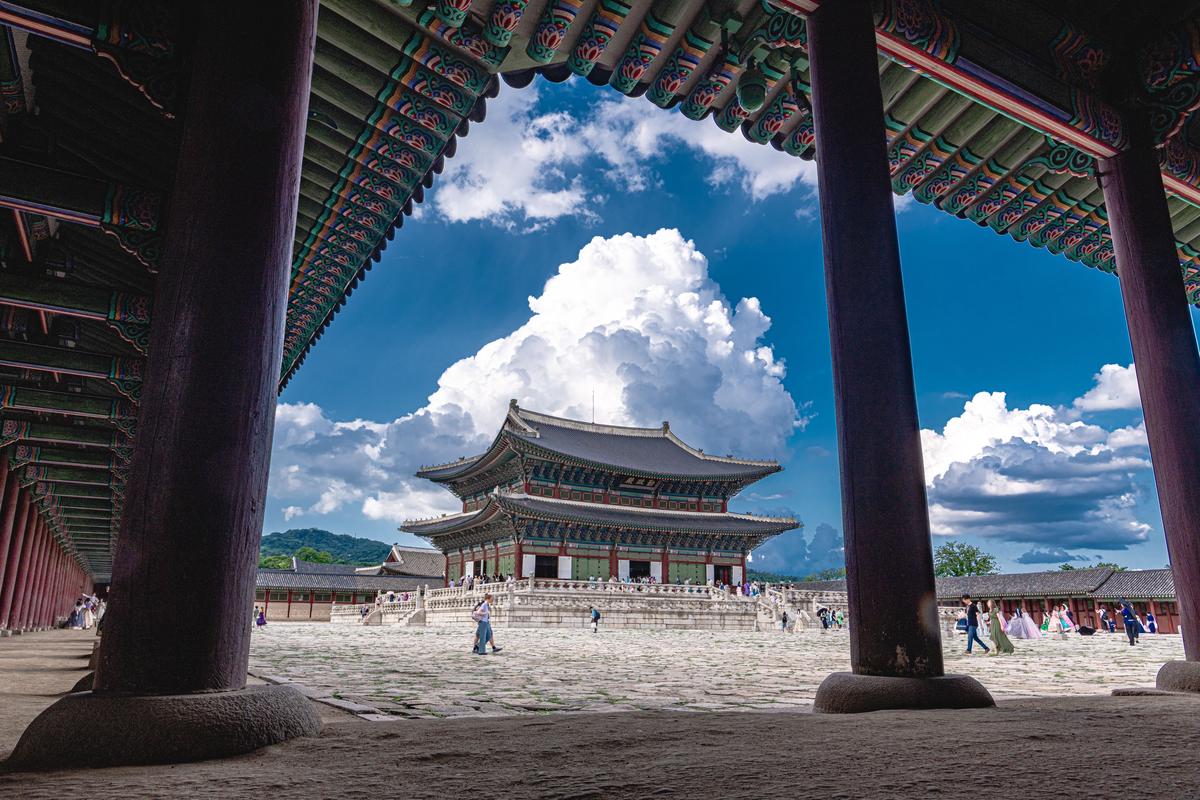
Palaces, no. National parks and beaches, only after agreeing with whoever manages them. At Gyeongbokgung and the other four main palaces, Jongmyo Shrine and the Joseon royal tombs, drone filming is limited to public-interest filming by government bodies and cases the heritage authority approves. A tourist’s request will not get through.
| Gyeongbokgung and the other main palaces, Jongmyo, royal tombs | Public-interest filming by government bodies and specially approved cases only |
|---|---|
| National parks, cultural heritage sites, beaches, ports, private land, military bases, prisons | Agree with the manager or owner first |
Penalties
Since September 17, 2026, flying into a no-fly zone without approval is a criminal offense rather than an administrative one. Every figure below is a maximum.
| Violation | Maximum |
|---|---|
| Flying into a no-fly zone (such as P-73 over central Seoul) without approval | Up to 1 year in prison or a criminal fine of up to KRW 10,000,000 |
| Flying into an airport control zone without approval | Administrative fine of up to KRW 3,000,000 |
| Flying into a control zone without approval and disrupting flights | Criminal fine of up to KRW 5,000,000 |
| Breaking the operating rules (at night, over crowds, out of sight) | Administrative fine of up to KRW 3,000,000 |
| Flying after drinking | Up to 3 years in prison or a criminal fine of up to KRW 30,000,000 |
| Flying a drone over 250 g without the pilot certificate | Administrative fine of up to KRW 4,000,000 |
| Flying a drone over 2 kg without registering it | Up to 6 months in prison or a criminal fine of up to KRW 5,000,000 |
| Flying into a no-fly zone without approval, until September 16, 2026 | Administrative fine of up to KRW 3,000,000 |
A criminal fine (벌금) is a criminal penalty; an administrative fine (과태료) is not.
Drone batteries on the plane
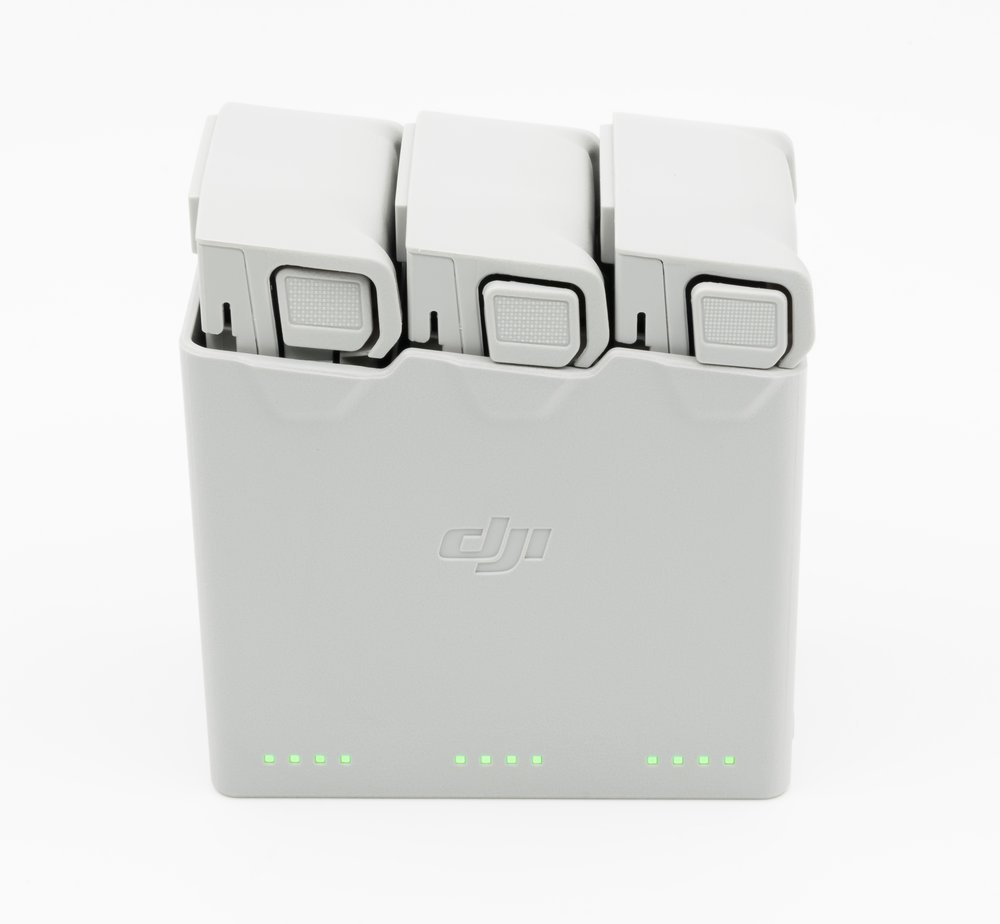
The battery fitted in the drone can be checked or carried on; spares go in your carry-on only, up to 5 of 100 Wh or less per person. These are Korea’s aviation security rules for flights leaving Korean airports. For the flight into Korea, follow the rules of your departure country and airline. A spare drone battery counts as a spare lithium battery, not a power bank, so the two-per-person power bank limit that started on April 20, 2026 does not apply to it.
| Battery fitted in the drone (100 Wh or less) | Carry-on or checked |
|---|---|
| Spare batteries (100 Wh or less) | Carry-on only; 5 per person, more with the airline’s approval |
| Spare batteries (100–160 Wh) | Carry-on only; airline approval needed; up to 2 per person |
| Terminals | Insulated: taped, or each battery in its own bag |
| Airline differences | Korean and foreign airlines may differ; ask yours |
For converting mAh to Wh and how airlines differ, see which power bank sizes are allowed.
Your situation
If you are taking a sub-250 g drone to Jeju
Keep it packed in Jeju City, at Yongduam and around Dongmun Market: all inside the airport control zone. Seongsan Ilchulbong and Udo in the east, Aewol and Hyeopjae in the west and Jungmun in the south are roughly outside it, so in daylight, below 150 m and away from crowds you need no approval. Check the Drone One-Stop map before each takeoff, and if the spot is a national park, heritage site or private garden, ask the managers first. Flying in from Seoul? Korea’s domestic flight rules cover check-in times and baggage.
If you are only in Seoul and want one flight
Forget the downtown landmarks and book Hangang Drone Park on a weekday in daylight. Call +82-2-3780-0836 first to confirm how booking works.
Common mistakes
- Thinking 249 g means you can fly anywhere. Weight covers registration and licensing only. Control zones, no-fly zones and night flights need approval at any weight.
- Assuming every Hangang park is fine. Mangwon is in Gimpo’s control zone and Jamsil in Seoul Air Base’s.
- Taking off at Namsan, Myeongdong or Itaewon. They are roughly inside the no-fly zone, and that is now a criminal matter.
- Chasing the sunset past sunset. Night flying needs a special approval; land before the sun goes down.
- Flying over a festival or a busy beach. Banned everywhere.
- Packing spare batteries in checked luggage. Spares are carry-on only.
What I would do
For five days in Jeju with a sub-250 g drone, I would plan one flying morning and no more:
- Before leaving home: confirm the takeoff weight on the drone is under 250 g, tape the spare battery terminals and put every spare in the carry-on.
- Days 1–2: stay in Jeju City and keep the drone packed; the city is all control zone.
- Day 3, morning: move east, pick a stretch of coast that is not a national park, beach or private garden, open the Drone One-Stop map to confirm it is outside the control zone, then fly in daylight below 150 m and away from people.
- The rest of the trip: no more flying. One planned session beats trying at every stop and running into a site manager each time.
FAQ
- Q1: Can tourists fly a drone in Korea?
- Yes. A drone under 250 g needs no registration and no license. What limits you is where you fly: near airports, in no-fly zones, above 150 m and after sunset you need approval whatever the drone weighs.
- Q2: Do I need to register a 249 g drone in Korea?
- No. Non-commercial drones up to 2 kg maximum takeoff weight are not registered. Under 250 g you also need no pilot certificate; from 250 g to 2 kg you need the Class 4 certificate from an online course.
- Q3: Can I fly a drone in Seoul?
- Not in the center. Namsan, Itaewon and Myeongdong are roughly inside the P-73 no-fly zone, and Jamsil and Mangwon Hangang Park are inside airport control zones. The city’s Hangang Drone Park in Gwangnaru Hangang Park is free for individuals by reservation.
- Q4: Can I fly a drone in Jeju?
- Depends where on the island. Jeju City, Yongduam and Dongmun Market are inside the Jeju Airport control zone. Seongsan Ilchulbong, Udo, Aewol, Hyeopjae and Jungmun are outside both airport zones, but Seongsan Ilchulbong also needs the managing office’s agreement.
- Q5: Can a foreigner apply for drone flight approval in Korea?
- In practice, hardly. Signing up on Drone One-Stop needs a Korean mobile number or i-PIN in your own name. Paper or fax to the regional aviation office is allowed, and Seoul advises applying 3 to 5 days ahead.
- Q6: What is the fine for flying a drone in a no-fly zone in Korea?
- Since September 17, 2026, up to 1 year in prison or a criminal fine of up to KRW 10,000,000. Before that it was an administrative fine of up to KRW 3,000,000. For flying into an airport control zone without approval, the maximum is KRW 3,000,000.
- Q7: Can I put drone batteries in checked luggage when flying from Korea?
- Only the one fitted in the drone. Spare batteries go in your carry-on: up to 5 of 100 Wh or less per person, and up to 2 between 100 and 160 Wh with the airline’s approval. Tape the terminals or bag each one.
If it were me
I would only take a sub-250 g drone to Korea; anything heavier adds a certificate a visitor may not be able to get. I would not fly in Seoul at all apart from the drone park; most of the famous views are in the no-fly zone or a control zone, and the no-fly zone is now criminal. The coasts of eastern and western Jeju and the Busan seafront are where a drone earns its place in the bag, in daylight, away from crowds and after checking the spot is not under a park or beach manager. If you mainly want palaces and city views, I would leave the drone at home.
Official sources
- Drone One-Stop: FAQ and airspace map (Korean)
- Seoul Metropolitan Government: tougher penalties for no-fly zone flights from September 17 (Korean)
- Korea Law Information Center: Aviation Safety Act (Korean)
- Seoul Hangang Parks: Hangang Drone Park (Korean)
- Aviation Security 365: Items Restricted On the Plane (lithium batteries) (English)
Rules and penalties follow the latest official announcement.
Read next
Verified
 Current
Korea Power Bank Rules 2026: 2 Per Person, 160Wh, Korean Air
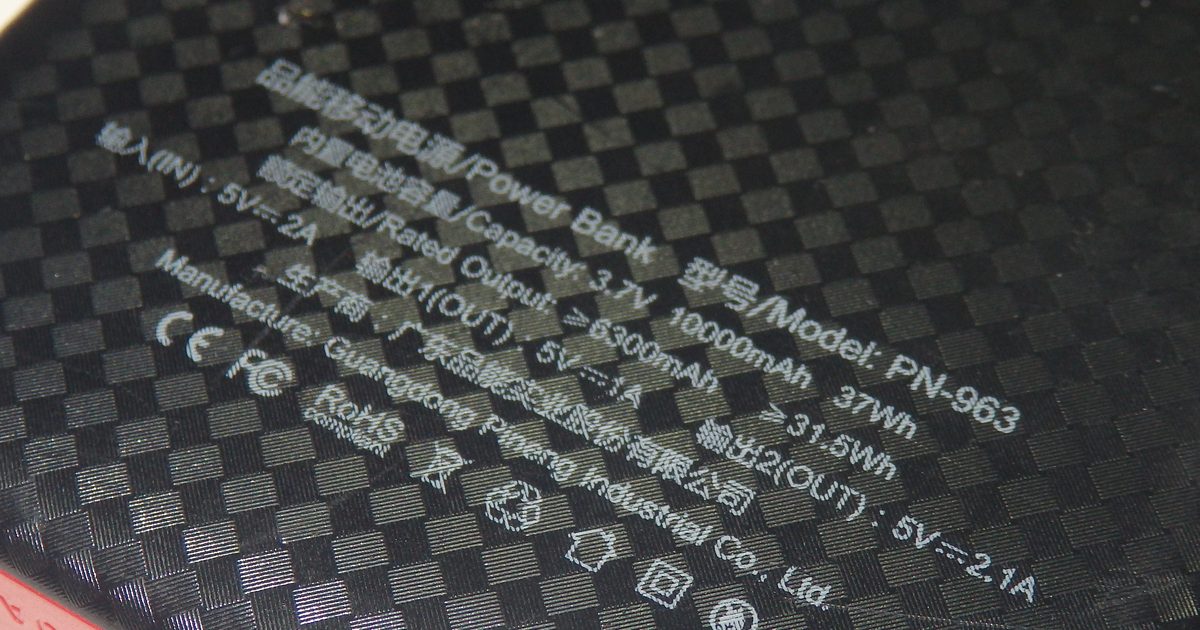
Since April 20, 2026, flights departing Korea allow up to 2 power banks per person, each 160Wh or less, in carry-on only; 100–160Wh needs airline approval and still counts toward the 2. Using or charging them on board is banned, and they cannot go in the overhead bin. A 20,000mAh (74Wh at 3.7V) needs no approval; a 30,000mAh (111Wh) does. Asiana flights departing on or after December 17, 2026 are operated by Korean Air under Korean Air flight numbers.
Verified
 Current
Korea Domestic Flight Rules 2026: Check-in, Liquids, ID
All nine airlines flying Gimpo–Jeju close domestic check-in 30 minutes before departure, and gates close 5 to 10 minutes before. Domestic cabins have no 100 ml liquid limit (alcohol over 70% is banned). Foreign travelers need their original passport. Jeju Air Basic, Air Busan special fares and Trinity Airways event fares include no checked bag. Asiana flights departing on or after December 17, 2026 are operated by Korean Air under Korean Air flight numbers.
Verified
 Not announced
Busan New Year's Eve 2026: Fireworks, Drones and Last Trains
The Yongdusan bell-tolling ceremony is listed for December 31, 2026 to January 1, 2027; times, the crowd cap, the Gwangalli drone countdown and subway extensions are not out yet. Last year Gwangalli had a 2,500-drone countdown at midnight and Yongdusan rang the bell at 00:00 with a 7,000-person cap; both free, no booking.