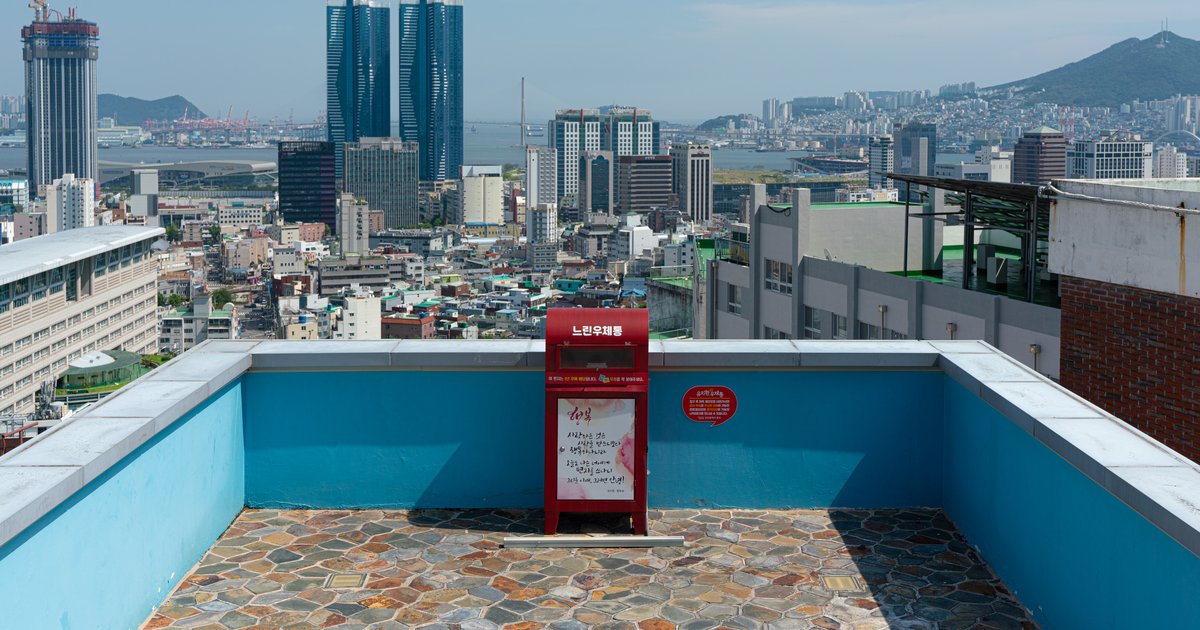
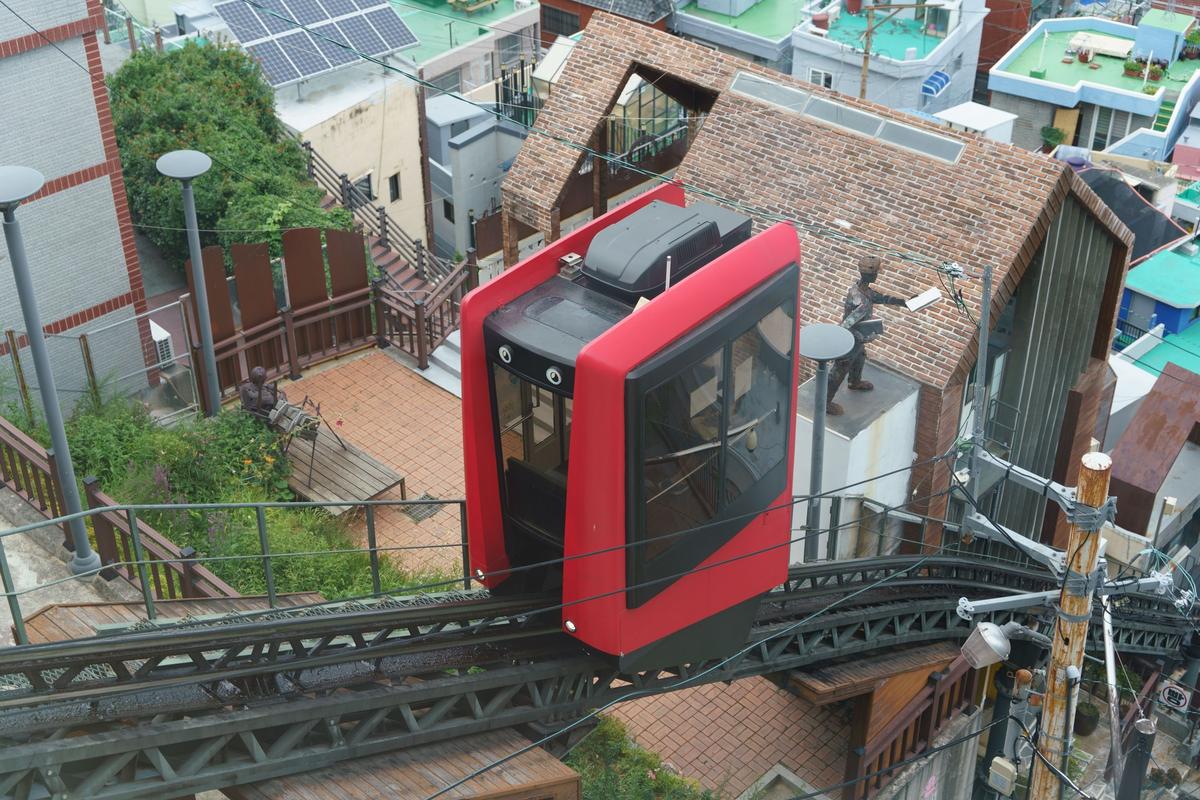
If you’re looking for the 168 Stairs monorail in Busan, it isn’t there anymore. The monorail that ran from 2016 was removed over safety concerns, and since March 2025 an inclined elevator has carried people up beside the 168 steps, stopping three times on the way. Getting there is a walk: about 3 minutes from Exit 7 of Busan Station on Line 1 to the start of the Choryang Ibagu-gil trail, and the stairs are the third stop on it. The middle elevator stop, Kim Min-bu Observatory, already looks out over the harbor. The day to avoid is Monday, when all four halls at the top close, as they do on Korean public holidays. Signs and map apps use Korean names, so the ones you need are given in Korean below.
- Monorail: removed. An inclined elevator (초량168계단 하늘길) has run since March 2025.
- Elevator stops: lower stop at the foot of the stairs, middle stop at Kim Min-bu Observatory, upper stop by the Myeongran Brand Lab.
- Getting there: Busan Station (Line 1) Exit 7, about 3 minutes on foot to the trail start; the stairs are stop 03.
- Harbor view only: ride to the middle stop and walk down.
- Mondays and Korean public holidays: the halls at the top are closed; stairs and outdoor decks are still there.
- Winter: sunset in early December is around 17:12; be at the observatory by 16:00 for daylight views.
- Elevator fare and hours: not published; check on site. Leave luggage at Busan Station.
Contents
- Who this is for
- Key facts
- Is the monorail still running?
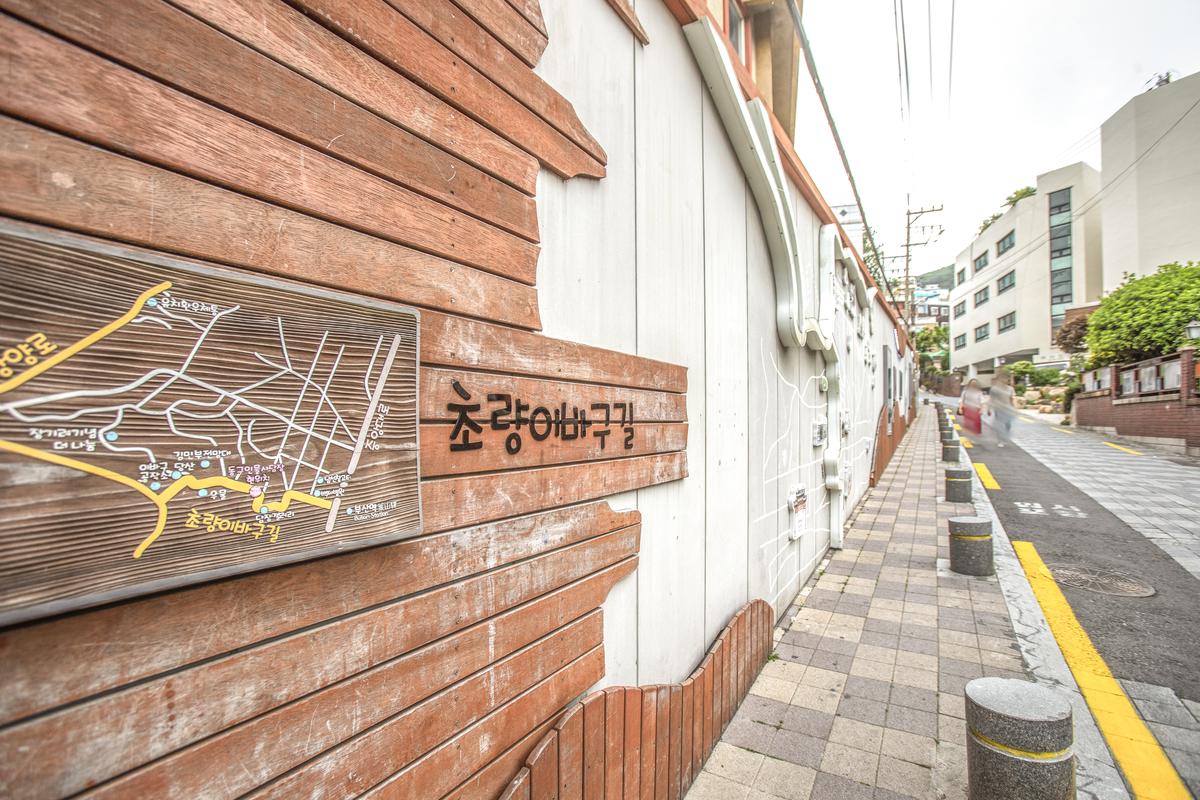
- Walking from Busan Station
- Elevator stops and Kim Min-bu Observatory
- How far up to go
- Halls at the top: hours and closed days
- What time it gets dark
- Luggage and the stairs
- Korean names for your map app
- Your situation
- Common mistakes
- What I would do
- FAQ
- If it were me
- Official sources
Who this is for
Travelers already near Busan Station who want a harbor view without another bus or taxi ride.
- You’re staying around Busan Station or Choryang, or you have a few hours there before or after a KTX train.
- You read about the monorail and want to know what’s there now.
- You like old hillside neighborhoods and don’t mind a slow uphill walk.
- You don’t want to climb 168 steps and need to know which elevator stop is enough.
You can skip it if:
- Your only free day is a Monday or a Korean public holiday and the halls are the point. They’ll be shut.
- You have a suitcase with you and nowhere to leave it.
- You’re after the beaches of Haeundae; this view is of the harbor by the station, a different side of the city.
168 Stairs at a glance
A steep public stairway in the middle of the Choryang Ibagu-gil trail, with an inclined elevator alongside it. No ticket or booking for the stairs.
| Name | Choryang 168 Stairs (초량168계단), on Choryang Ibagu-gil (초량이바구길) |
|---|---|
| Area | Choryang-dong, Dong-gu, Busan, uphill from Busan Station |
| Stairs | 168 steps at a 45° slope, about 40 m long; the Korea Tourism Organization puts the height at about a 6-story building |
| Elevator | Inclined elevator 초량168계단 하늘길, since March 2025, 3 stops |
| Monorail | Ran from 2016; removed over safety concerns |
| Getting there | Busan Station (Line 1) Exit 7, about 3 minutes on foot to the trail start |
| Elevator fare and hours | Not published; check on site |
| Halls at the top | Closed Mondays and Korean public holidays; most open until 19:00 |
Is the 168 Stairs monorail still running?
No. The monorail has been removed, and an inclined elevator with three stops replaced it in March 2025.
A small monorail car ran next to the stairs from 2016. It was taken out over safety concerns, and the inclined elevator opened to passengers in March 2025. Its Korean name is 초량168계단 하늘길; there’s no official English name, so think of it simply as the inclined elevator at the 168 Stairs.
If a guide or a map listing you’ve seen says “take the monorail up the 168 Stairs,” read it as “take the inclined elevator.” The starting point is still the foot of the stairs, but the stops are different and the red car in older photos is gone. In Korean, the elevator type is 경사형 엘리베이터 and the old monorail was 모노레일; the first is the one running now.
How do I walk there from Busan Station?
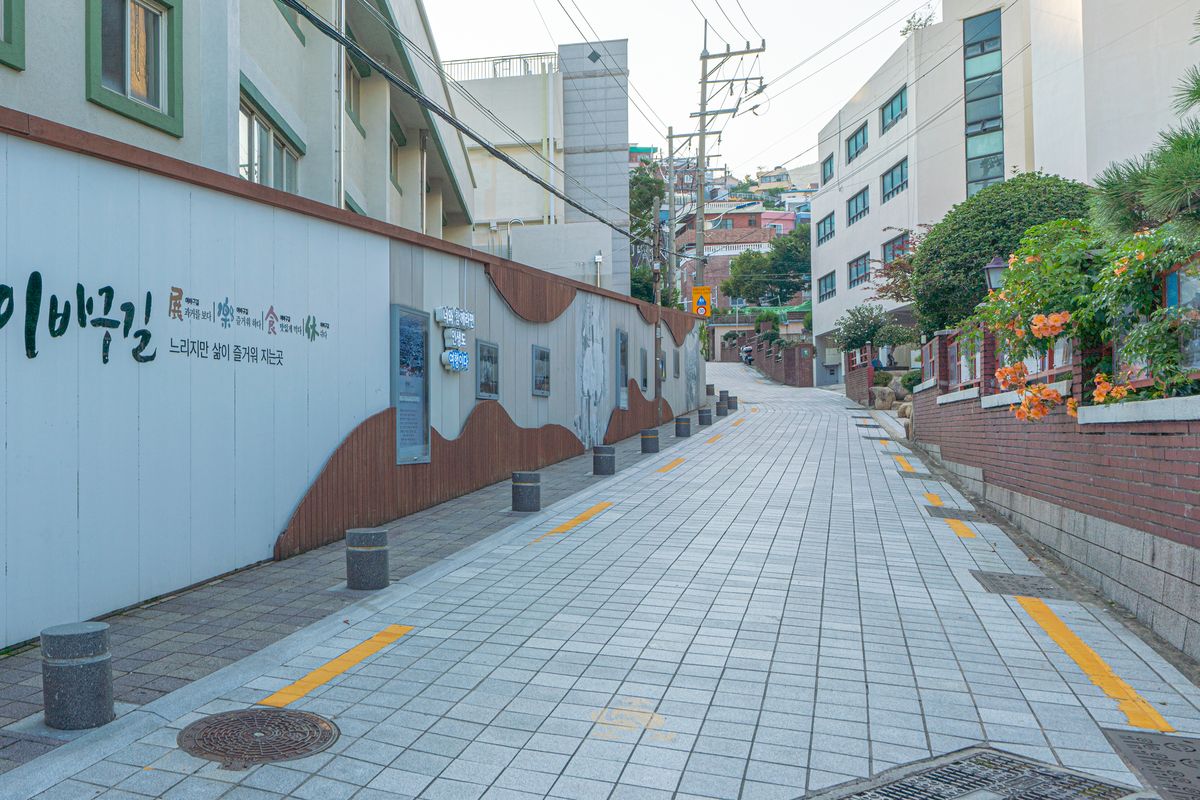
Take Exit 7 of Busan Station on Line 1; the start of Choryang Ibagu-gil is about 3 minutes away, and the 168 Stairs is stop 03 on the trail.
Choryang Ibagu-gil is a signposted walking trail of about 1.5 km that climbs from the Busan Station area up the hillside. The district numbers its stops 01 to 09, so follow the numbers and you won’t get lost. Stops 01 and 02 are on the lower stretch, which you pass through on the way; 03 is the foot of the 168 Stairs, where the elevator starts.
| Subway | Busan Station, Line 1, Exit 7 |
|---|---|
| Exit to trail start | About 3 minutes on foot |
| Trail | Choryang Ibagu-gil, about 1.5 km, stops numbered 01–09 |
| 168 Stairs | Stop 03, with the elevator’s lower stop |
If you’re arriving by KTX, you get off at the same Busan Station; getting from Seoul to Busan compares the trains and stations. Coming straight from the airport, Gimhae Airport to central Busan covers the routes to the station area.
Which stops does the elevator make? Where is Kim Min-bu Observatory?
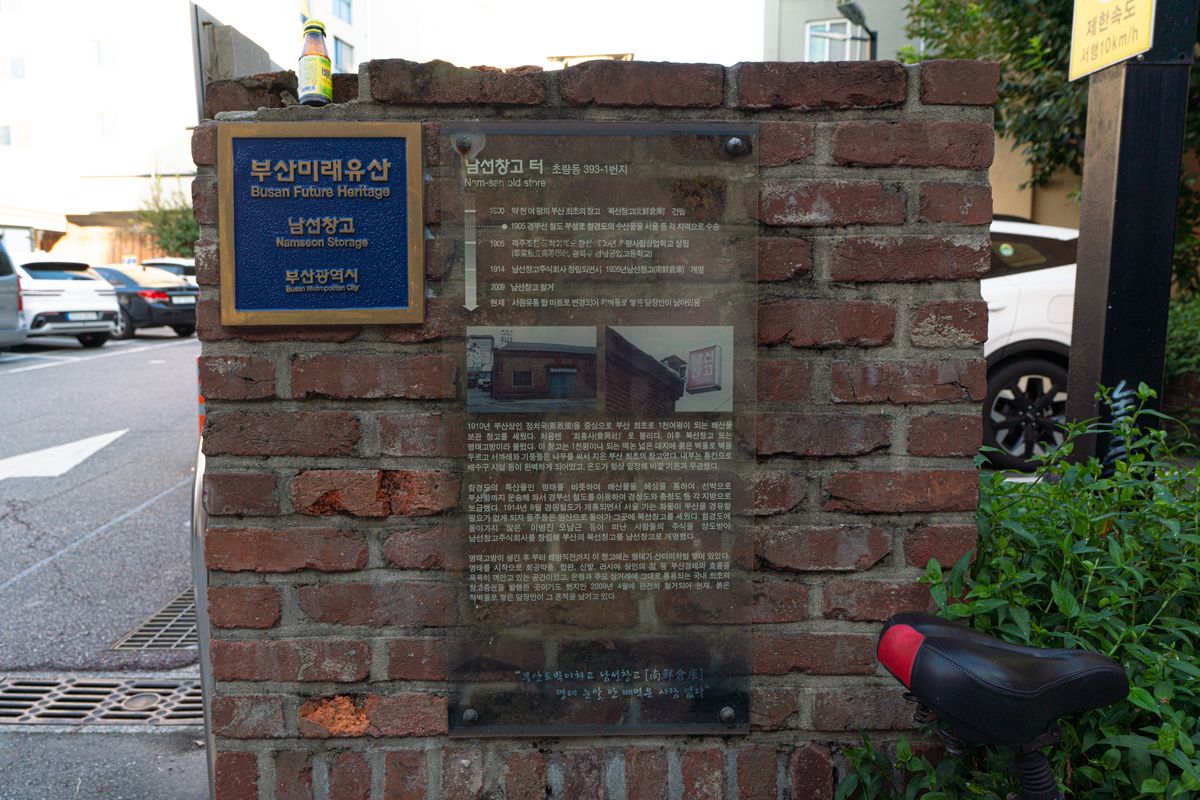
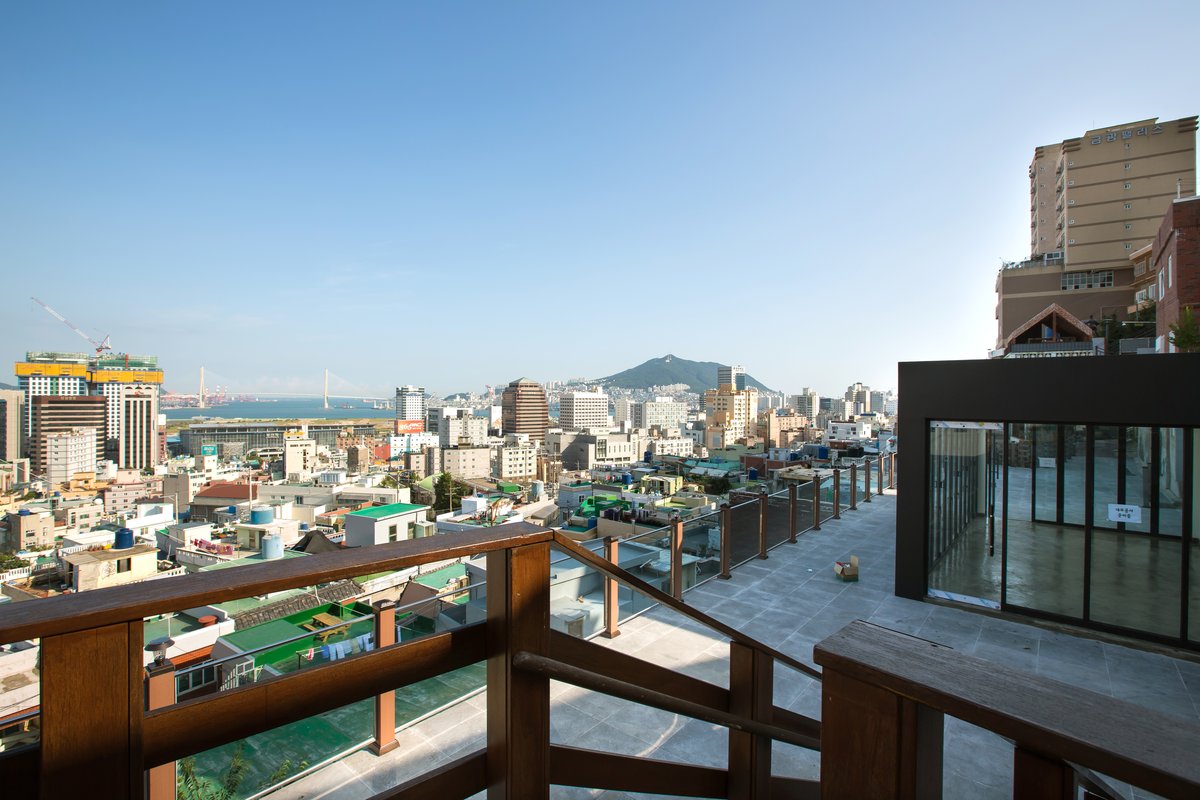
Three stops: the lower stop at the foot of the stairs, the middle stop at Kim Min-bu Observatory, and the upper stop by the Myeongran Brand Lab at the top. The observatory is the middle stop.
| Stop | Korean name | What’s there |
|---|---|---|
| Lower | 168계단 문화전시공간 | Foot of the stairs; board here after walking up the trail |
| Middle | 김민부 전망대 (Kim Min-bu Observatory) | Harbor view; enough if the view is what you came for |
| Upper | Near 명란브랜드연구소 (Myeongran Brand Lab) | Top of the stairs; the halls further up the trail start here |
The harbor is already in front of you at the middle stop. Going one stop further gets you the Myeongran Brand Lab and the walk to the other halls on the upper part of the trail, not a much better view.
How far up should I go?
For the harbor view alone, the middle stop. Go to the top only if you want the Myeongran Brand Lab or the halls along the upper trail. The three options differ in time and in whether Monday matters, not in the view.
| Plan | Good for | On a Monday |
|---|---|---|
| Ride to the middle stop, walk down | A short gap between trains; harbor view only | Unaffected |
| Ride to the upper stop | The Myeongran Brand Lab at the top | Lab closed; outdoors only |
| Upper stop, then walk the rest of the trail | Half a day; the crafts workshop, memorial hall and postbox observatory | Halls closed; only the postbox observatory deck |
I’d ride to the middle stop and walk down the 168 steps. The elevator saves your legs on the way up, and on the way down you’re facing the harbor the whole time.
What’s at the top, and when is it open?
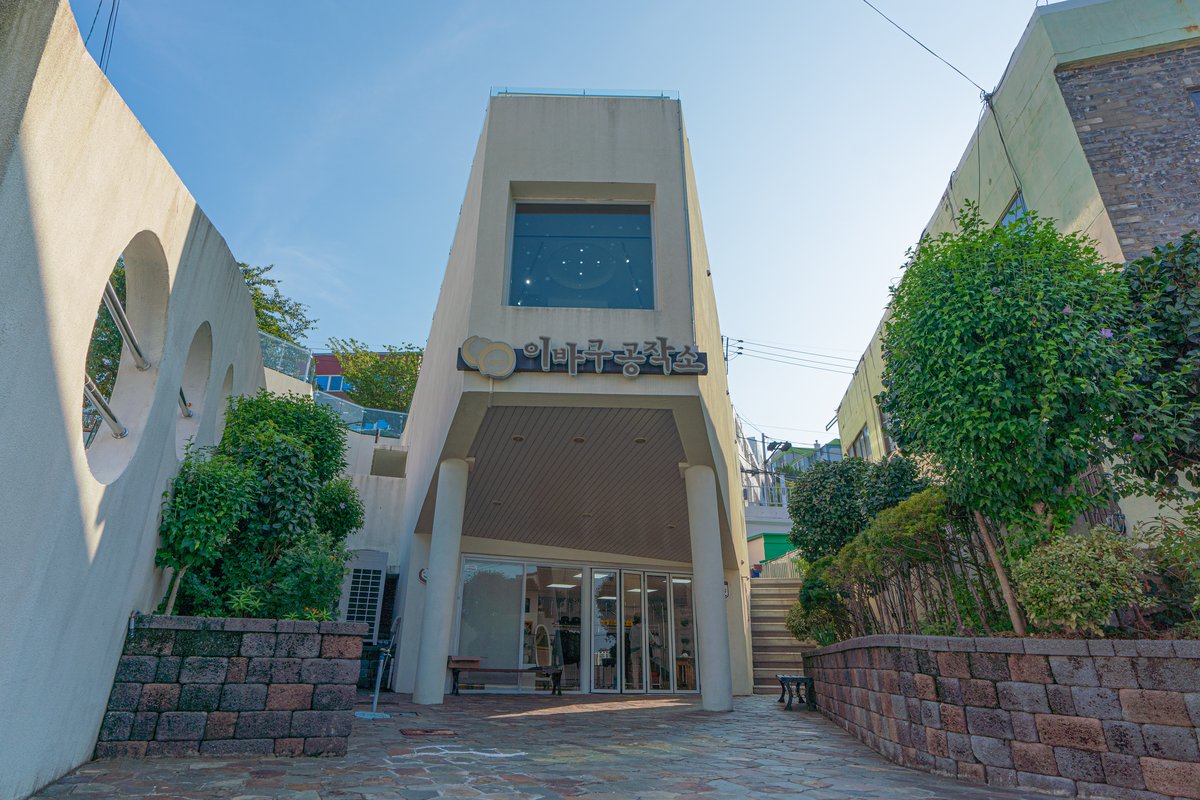
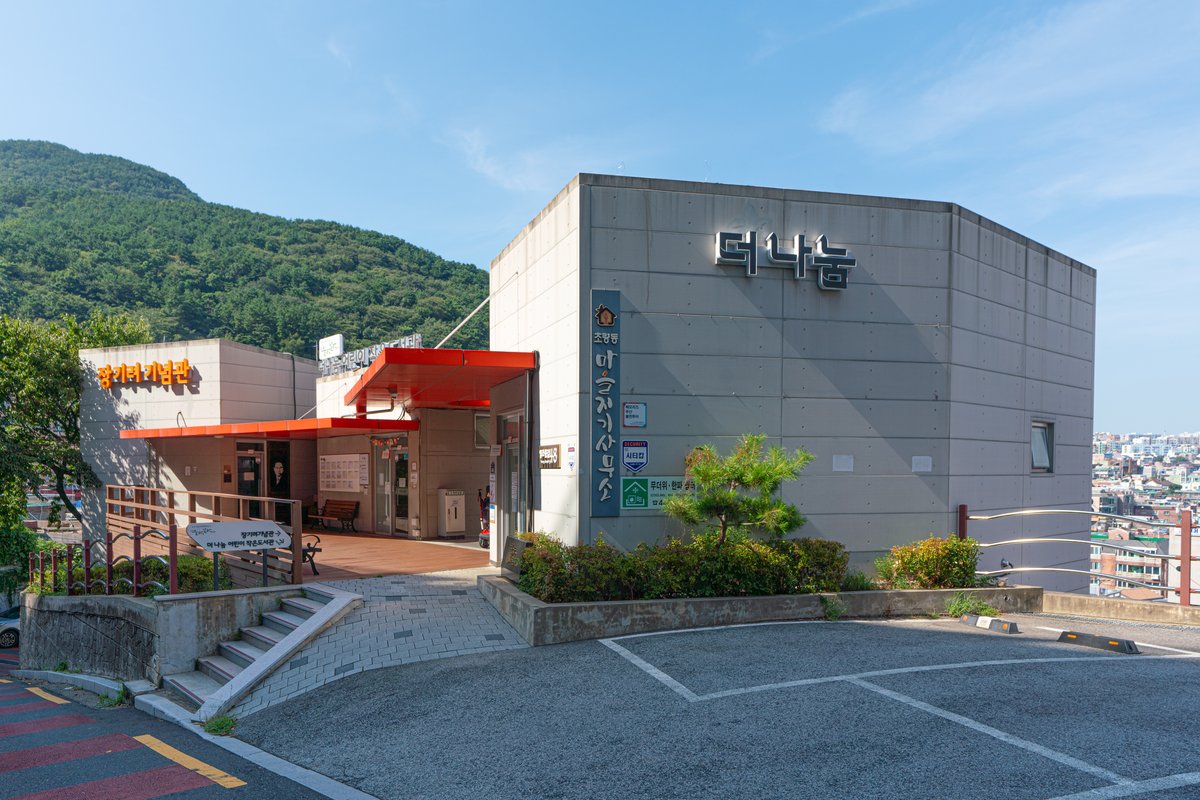
Four halls open on a fixed schedule, and all four close on Mondays and Korean public holidays. On Sundays three of them open and close an hour earlier, so an afternoon visit on a Sunday runs into an 18:00 cutoff.
| Hall | Open | Closed |
|---|---|---|
| Myeongran Brand Lab (명란브랜드연구소), at the top of the stairs | Tue–Sun 10:00–19:00 | Mon, public holidays |
| Ebagu Crafts Workshop (이바구공작소) | Tue–Sat 10:00–19:00; Sun 09:00–18:00 | Mon, public holidays |
| Chang Kee-ryo Memorial Hall (장기려기념 더 나눔센터) | Tue–Sat 10:00–19:00; Sun 09:00–18:00 | Mon, public holidays |
| Yu Chi-hwan Postbox Observatory (유치환 우체통 전망대) | Tue–Sat 10:00–19:00; Sun 09:00–18:00; observation deck always open | Mon, public holidays |
Korean public holidays aren’t the ones most visitors know, and some move with the lunar calendar. Before you pick a day, check the dates in Korea’s 2027 public holidays. On a closed day, the outdoor parts still work: the stairs, the observatory at the middle stop and the deck at the postbox observatory.
What time does it get dark in winter?
In early December the sun sets around 17:12 and it’s fully dark by about 17:40. For a daylight harbor view, reach the observatory by 16:00; for lights, wait until after dark.
| Date | Sunset in Busan | Fully dark by |
|---|---|---|
| November 15, 2026 | 17:18 | 17:45 |
| December 1, 2026 | 17:12 | 17:39 |
| December 15, 2026 | 17:13 | 17:41 |
| January 15, 2027 | 17:35 | 18:02 |
| February 15, 2027 | 18:06 | 18:32 |
| March 15, 2027 | 18:31 | 18:56 |
“Fully dark by” is the end of civil twilight from the Korea Astronomy and Space Science Institute; after it, the harbor is just lights. November to January has the earliest darkness, so in those months move everything earlier.
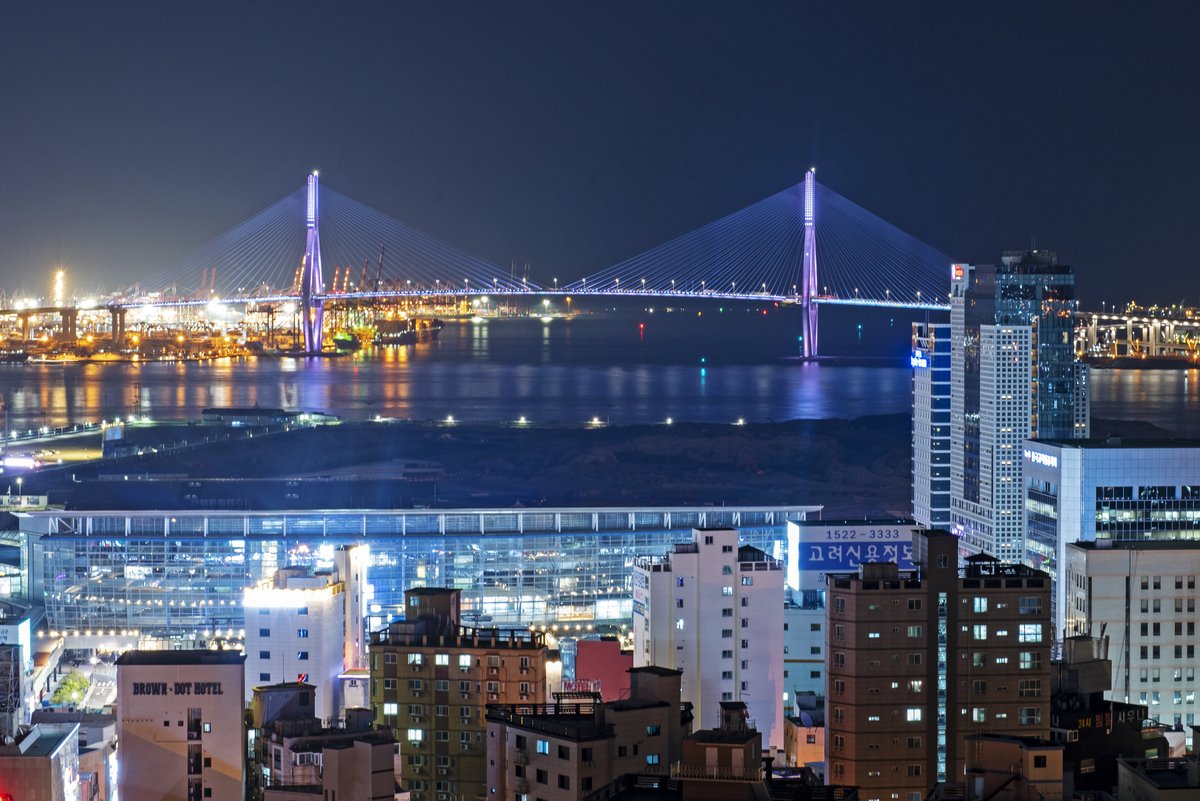
An evening visit needs one more thought: no elevator hours have been published, so you can’t know before you go whether it’s still running after dark. Plan to walk down the 168 steps. The halls close at 19:00 (18:00 on Sundays), so at night only the outdoor decks are left.
Can I go up with luggage?
Not with a suitcase. Leave it at Busan Station and go up empty-handed.
The stairs are at 45 degrees, which is hard work with a rolling bag in either direction, and there’s no official word on whether suitcases or strollers fit in the elevator. Busan Station has places to leave bags; luggage storage at Busan Station lists the counters and lockers, which is also the plan if you’re filling the gap between check-out and a late train.
What Korean names do I search in the map app?
Search 초량168계단 for the stairs and 초량이바구길 for the trail. Signs on site and the Korean map apps (Naver Map, Kakao Map) use Korean, so paste these in.
| Looking for | Search |
|---|---|
| 168 Stairs | 초량168계단 |
| Inclined elevator | 초량168계단 하늘길 |
| Choryang Ibagu-gil trail | 초량이바구길 |
| Lower elevator stop | 168계단 문화전시공간 |
| Kim Min-bu Observatory (middle stop) | 김민부 전망대 |
| Myeongran Brand Lab (by the upper stop) | 명란브랜드연구소 |
| Yu Chi-hwan Postbox Observatory | 유치환 우체통 전망대 |
Your situation
If you’ve just arrived by KTX and check in later
Leave your bag at Busan Station, take Exit 7 and walk to the trail start, then ride the elevator to the middle stop. In winter, aim to be there before 16:00. Walk down the stairs, collect your bag and head to the hotel. It costs you a walk, not an extra ride.
If you have one or two hours before leaving Busan
Do only the short loop: elevator to the middle stop, look at the harbor, walk down. Don’t go to the upper stop or the halls, and don’t stop at the lower trail markers on the way.
If your only free day is a Monday
Treat it as a viewpoint, not a museum stop. The stairs, the elevator, Kim Min-bu Observatory and the postbox observatory deck are all there; the four halls aren’t open. The same applies on Korean public holidays.
If you want to add Nampo-dong in the evening
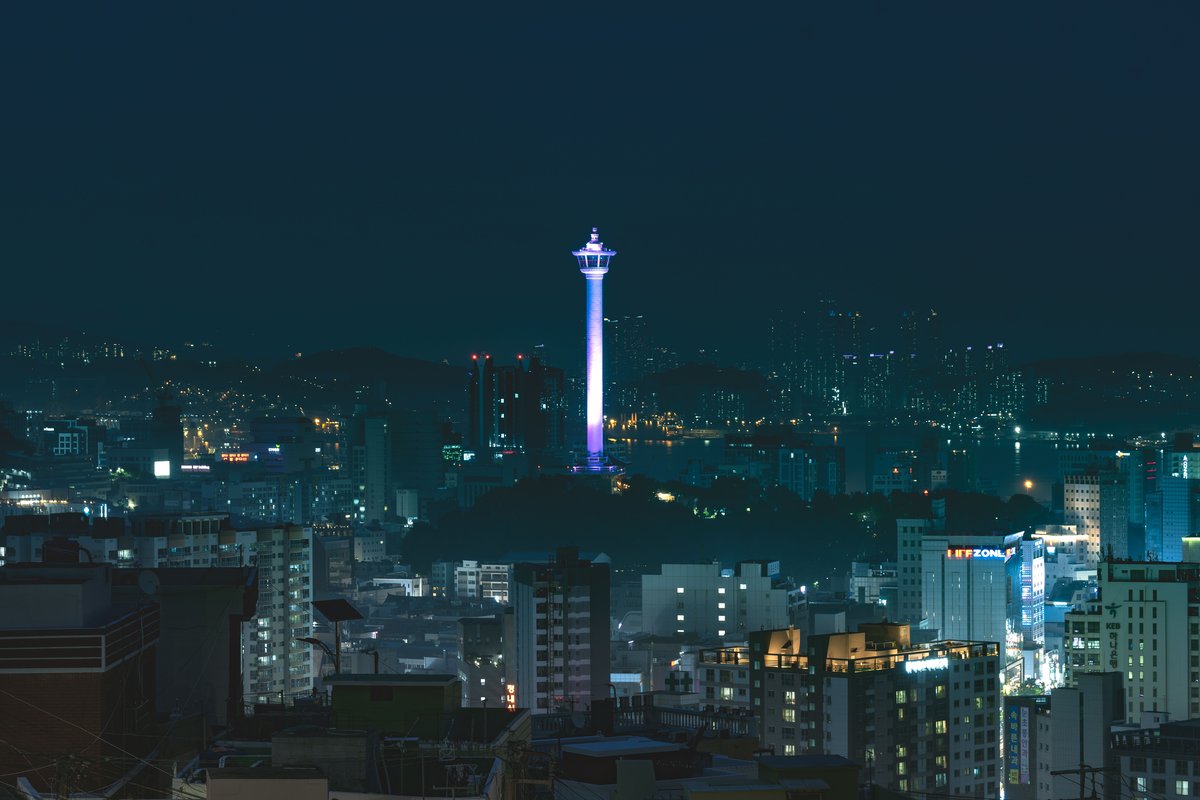
Do the stairs in the morning or around midday while it’s light, then head to Nampo-dong and go up Busan Tower in Yongdusan Park after dark: a daylight harbor view first, the night view second. Gamcheon Culture Village is another hillside neighborhood; if you want both in one day, check Gamcheon’s visiting hours before deciding which goes first.
Common mistakes
- Looking for the monorail. It’s been removed; look for the inclined elevator 하늘길.
- Going on a Monday or a Korean public holiday for the halls. All four are shut; only the outdoor parts are left.
- Arriving late on a Sunday. Three of the halls close at 18:00 on Sundays, an hour earlier than other days.
- Setting off late on a winter afternoon. Early December sunset is around 17:12; arrive after 16:00 and the daylight view is going.
- Bringing a suitcase. The stairs are at 45 degrees; leave it at Busan Station.
- Counting on the elevator at night. No hours have been published; plan to walk down.
- Looking for tickets online. Nothing to book; just turn up.
What I would do
A weekday from Tuesday to Saturday in December, staying near Busan Station. One goal: see the harbor in daylight before it gets dark.
| Time | Plan |
|---|---|
| 14:30 | Leave bags at Busan Station, take Exit 7 and walk to the trail start |
| 14:45 | Walk the lower trail without stopping |
| Around 15:00 | Elevator from the lower stop to Kim Min-bu Observatory; look at the harbor |
| Around 15:30 | One more stop up to the Myeongran Brand Lab |
| Before 17:00 | Walk down the 168 steps, catching the sunset on the way |
| After 17:40 | Dark; collect bags, or head to Nampo-dong for dinner and Busan Tower |
The times are my pacing, not a rule. I’d leave out the halls further along the trail: a winter afternoon only has room for doing the harbor view properly.
FAQ
- Q1: Is the 168 Stairs monorail still running?
- No. The monorail that ran from 2016 was removed over safety concerns. Since March 2025 an inclined elevator, 초량168계단 하늘길, runs beside the stairs with three stops.
- Q2: How much is the 168 Stairs elevator, and what are its hours?
- Neither has been published. Check the sign at the lower stop on the day. If you go up in the evening, be ready to walk down the stairs.
- Q3: How do I get to the 168 Stairs from Busan Station?
- Leave Busan Station (Line 1) by Exit 7 and walk about 3 minutes to the start of Choryang Ibagu-gil. The 168 Stairs is stop 03 on that trail. See the walking route.
- Q4: Where is the Kim Min-bu Observatory?
- Halfway up the stairs; it’s the middle stop of the elevator. If all you want is the harbor view, ride to here and walk down.
- Q5: Is the 168 Stairs open on Monday?
- The stairs, the elevator and the outdoor decks are; the halls at the top are not. All four close on Mondays and Korean public holidays.
- Q6: Can I take a suitcase up the 168 Stairs?
- I wouldn’t. The stairs are at 45 degrees, and there’s no official word on suitcases in the elevator. Leave your bag at Busan Station first.
If it were me
With two spare hours near Busan Station, I’d go: it’s a walk from Exit 7, the elevator does the climbing, and the middle stop gives the view. With only an hour or so, I’d ride to the middle stop and walk down, nothing more. With half a day between Tuesday and Saturday, I’d ride to the top and walk the rest of the trail past the halls. If my only chance were a Monday or a public holiday, I’d move it to another day; if I couldn’t, I’d treat it as a viewpoint. In winter I’d be at the observatory before 16:00, and I wouldn’t plan an evening visit around the elevator.
Official sources
- Korea Tourism Organization: Choryang 168 Stairs (English)
- Busan Dong-gu: 초량168계단 하늘길 elevator notice (Korean)
- Busan Dong-gu: Choryang Ibagu-gil route and hall hours (Korean)
- Korea Astronomy and Space Science Institute: sunrise and sunset for Busan (Korean)
Elevator and hall details come from the Dong-gu district office, so check its notices before you go. Prices and times follow the latest official announcement.
Read next
Verified
 Current
Busan Luggage Storage 2026: Gimhae Delivery, Lockers, KTX
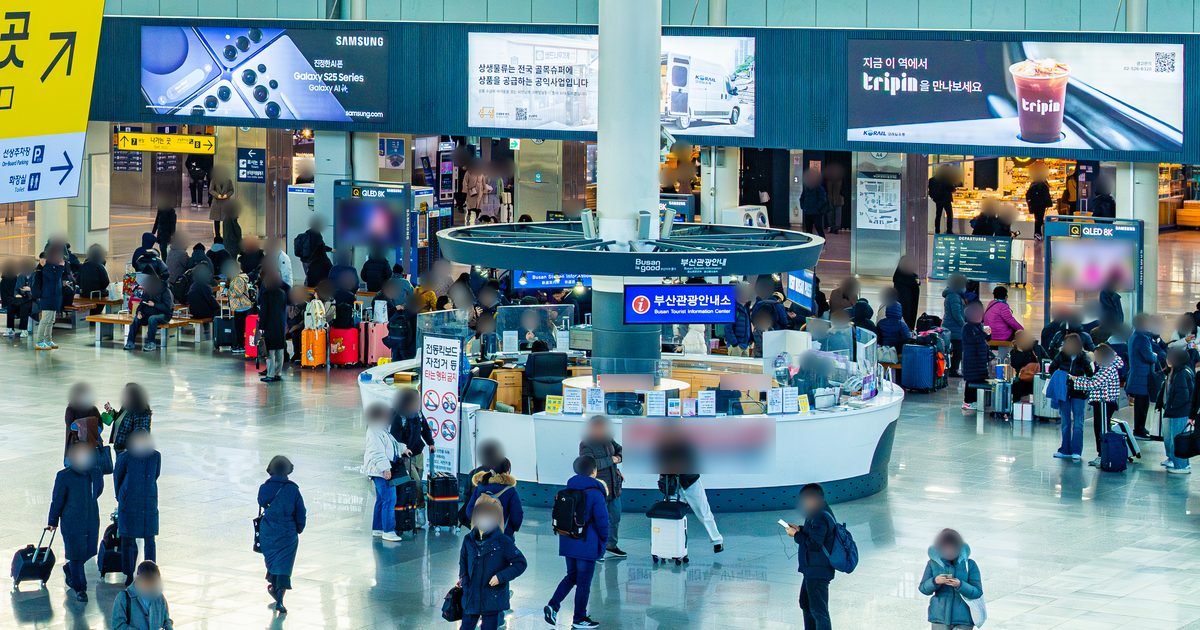
Hand your bag to the hotel front desk by 11:00 and ZIMCARRY takes it to its Gimhae Airport international terminal store (3rd floor), where you collect it from 15:00; the official site charges from 16,000 won a bag, and you should collect by 21:00. The Busan Station counter is open 09:00–22:00 from 5,000 won a day; subway lockers have a 3-hour base from 2,000 won, different on each line.
Verified
 Current
Seoul to Busan 2026: KTX, Ex-SRT, Bus or Flight Compared
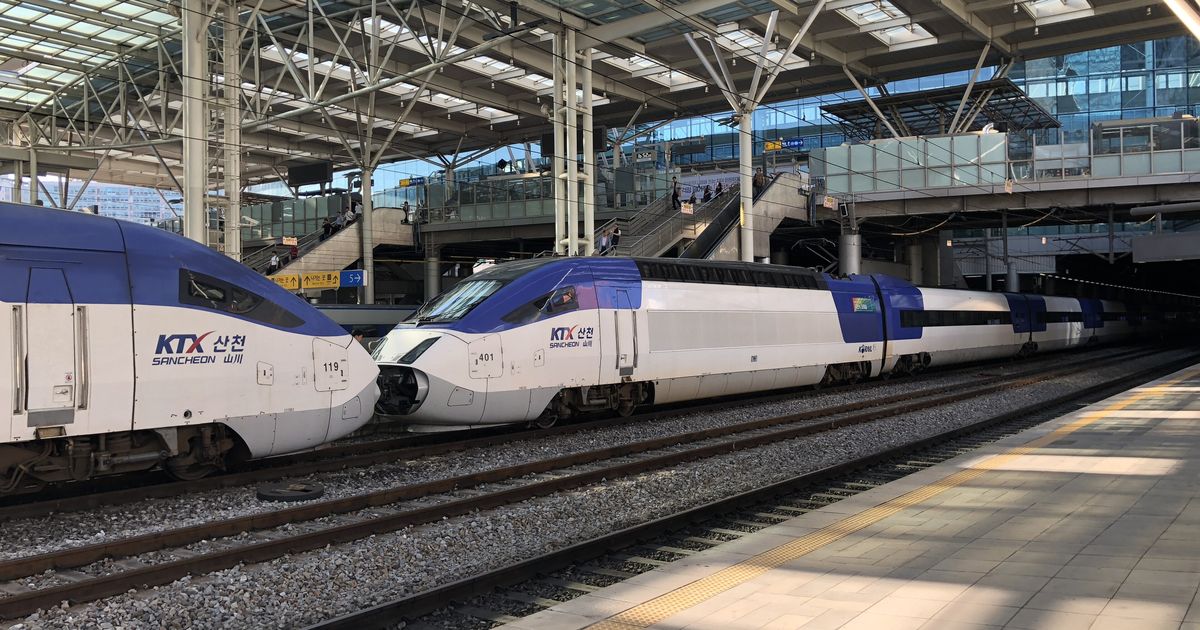
The KTX is quickest: most trains take about 2 hours 40 minutes, with 55 to 68 a day from Seoul Station to Busan. SRT merged into KTX on September 1, 2026 (now KTX-Sancheon), so Seoul Station and Suseo trains are booked in the same KORAIL system. Four KTX-Eum trains a day stop at Sinhaeundae; Yongsan has no trains to Busan.
Verified
 Current
Busan Tower Tickets 2026–27: Price, Hours, Night View, Pass
Busan Tower (부산타워) observatory: adults 12,000 KRW, children 36 months–12 and seniors 65+ 9,000 KRW, under 36 months free. Open daily 10:00–22:00, last ticket 21:30, all year (may change due to weather). Free entry with the Visit Busan Pass (Group B), no reservation needed.